Published: 11 June 2026. The English Chronicle Desk. The English Chronicle Online.
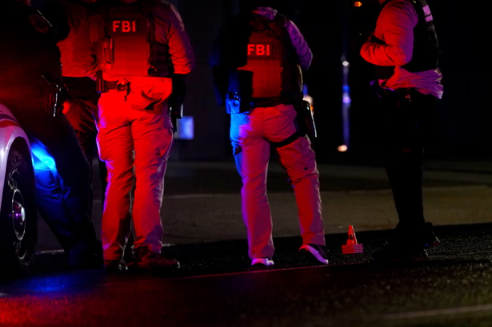
The legendary image of the Federal Bureau of Investigation has long stood firm. For generations, these federal agents carried an aura of immense strength and authority. This reputation was first forged during the challenging years of the Great Depression. The famous moniker of the G-man became permanently etched into American folklore. It was famously solidified following the dramatic capture of gangster Machine Gun Kelly. Today, seasoned veterans of the bureau are presenting a vastly different public face. They are actively fighting to protect the core values of their historic institution. This collective effort emerges in response to what they describe as systematic political pressure. Many former officials argue that the bureau is being turned into a political weapon.
Recent political developments in Washington have created severe friction within the American law enforcement community. Alumni from the bureau complain that numerous dedicated professionals have been pushed out. This group includes top administrative leaders, experienced field agents, and skilled intelligence analysts. Some individuals faced sudden termination, while others felt entirely forced to resign. In response to this growing internal crisis, former investigators launched the FBI Support Network. This new organization aims to address the urgent legal needs of former staff. It also focuses heavily on providing career transition services and crucial mental health resources. Furthermore, the network intends to bolster current employees who feel trapped under new leadership. These remaining staff members are currently navigating the directives of the controversial new director.
The psychological toll on these law enforcement professionals has become an urgent primary concern. Kayla Staph is a prominent member of the support network’s executive advisory committee. She previously served the bureau with distinction as a specialized cyber-crime investigator. Staph revealed that many current employees are quietly dealing with severe mental health challenges. These emotional struggles are directly caused by the chaotic environment within the organization today. She explained that agents have suffered profound moral injuries over the past year. These injuries occur when professionals are heavily pressured to violate their own personal values. Carrying a special agent badge requires individuals to maintain an incredibly strong outer persona. However, these dedicated public servants remain human beings who experience deep emotional distress.
Law enforcement officials balance complex personal lives with highly demanding national security responsibilities. This specific type of investigative work requires absolute mental focus and total emotional stability. The support network was specifically designed to connect vulnerable individuals with professional psychological counseling. This vital assistance helps those who have transitioned to civilian life outside the bureau. It also offers a quiet lifeline to individuals currently managing immense pressure from within. The entire institution has undergone an unprecedented assault on its workforce and structural integrity. This internal turbulence accelerated rapidly after the current presidential administration returned to power last year. The White House subsequently installed a fierce political loyalist to lead the premier agency.
The appointment of Kash Patel as director signaled a dramatic shift in operational philosophy. Patel had previously established himself as a harsh and vocal critic of federal law enforcement. He repeatedly vowed to completely uproot what he termed a corrupt deep state culture. He frequently claimed that this hidden bureaucratic network was heavily biased against the presidency. In contrast, the newly formed support network actively champions traditional law enforcement principles. The group highlights what it characterizes as a calculated effort at structural dismantlement. They firmly believe this strategy is specifically aimed at undermining the American rule of law. Internal data regarding recent staff departures paints a stark picture of this ongoing exodus. Staph noted that up to twenty-eight hundred agents have departed since early last year.
This significant number reflects official personnel data maintained by the federal law enforcement agency. However, alternative estimates from the Office of Personnel Management present a more conservative figure. Their official reports cite approximately eleven hundred departures during the administration’s initial year. Despite the statistical variance, the loss of experienced personnel remains a critical systemic issue. Approximately one-third of the individuals who departed held significant leadership roles within the organization. These senior managers possessed a deep understanding of the bureau’s core institutional values. Younger investigators traditionally looked to these seasoned mentors for vital guidance and professional development. Driving out such an extensive tier of leadership appears to be entirely intentional. Removing these principled institutional obstacles allows external actors to utilize the bureau for political purposes.
The support network features several prominent high-ranking officials who recently exited the agency. Brian Driscoll is a key member who briefly served as the bureau’s acting director. His brief tenure occurred just prior to the official Senate confirmation of the current leadership. Driscoll was subsequently terminated after attempting to protect agents from targeted political retaliation. These targeted investigators had previously participated in sensitive inquiries involving the current American president. Specifically, these cases involved the highly scrutinized events surrounding the January sixth insurrection. Driscoll recently appeared in an emotional promotional video announcing the launch of the network. He stated that the primary goal is assisting personnel currently under sustained political attack.
The promotional video includes a deeply poignant contribution from a legendary American legal figure. Former FBI Director Robert Mueller provided powerful commentary in footage recorded before his passing. Mueller died at the age of eighty-one in March of this year. His passing was met with public gloating from the current American president on social media. The president openly expressed satisfaction regarding the death due to Mueller’s past legal roles. Mueller had served as special counsel investigating potential foreign collusion during the twenty-sixteen election. In the video, Mueller speaks with great pride regarding the unique mission of the bureau. He emphasizes the extraordinary legacy that has been passed down through generations of investigators. He believes that current employees remain tremendously proud to be part of that history.
Staph resigned from her position at the Virginia field office late last September. She cited the problematic diversion of critical federal resources toward massive domestic deportation efforts. She emphasizes that the support network speaks directly for individuals who must remain silent. Current federal employees are strictly prohibited from publicly defending the legacy of their institution. Because active agents must remain strictly apolitical, external alumni must speak out instead. They can openly challenge the ongoing public attacks against dedicated law enforcement professionals. This advocacy raises public awareness regarding the critical importance of national security missions. Other national security organizations have expressed profound worry regarding these current institutional trends.
Steven Cash serves as the executive director for an organization called the Steady State. This group consists entirely of retired national security professionals dedicated to the rule of law. Cash views the formation of this new network as a direct defensive reaction. He believes official policy is reshaping American security services into something highly dangerous. He compared these current trends to notorious historical secret police agencies of the past. The fact that federal law enforcement veterans require a psychological support group is telling. Cash believes this development serves as a loud alarm bell for western democracy. These investigators are traditionally the people who stand on the front lines until the end. If they require an emotional safety net, then American law enforcement faces deep trouble. However, their ability to organize demonstrates the enduring strength of the bureau’s historic spirit.
Related News:
 Army Officers Orders to Cut Ties with Men-Only Clubs
 Trump’s UK Ambassador Urges North Sea Drilling to Strengthen US Ties
 French Taxi Driver Cleared in David Lammy Theft Case After Fare Dispute
BBC to Apologise Over Edited Trump Speech Amid Backlash
French Taxi Driver Cleared in David Lammy Theft Case After Fare Dispute
BBC to Apologise Over Edited Trump Speech Amid Backlash
 Britain deploys RAF specialists to assist Belgium with drone threats
 Millionaires group urge Reeves to introduce wealth tax to ‘lift kids out of poverty’
 Reeves rejects £1bn plea for NHS redundancy payouts
 PM Condemns Leaks, Vows Loyalty to Ministers and Stability
 Major Rent Reform Ends No-Fault Evictions in England
 Senator John Fetterman Hospitalized After Fall from Heart Flare-Up, Keeps Sense of Humor
 Greene Pushes Epstein Files Amid Trump Fallout
 December Run-Off in Chile as Election Produces No Winner
 Canada Passes Carney’s First Budget in Tight Parliamentary Vote
 Shadow Fleet at Sea: Europe’s Battle Against Illicit Oil Shipping
 Georgians Defy Government Crackdown After Year of Protests
 US National Guard Member Killed in DC Shooting
 ICC to Rule on Duterte’s Provisional Release
 Starmer Says Labour’s Economic Plan Needs Years to Deliver
 Ley Triumphs in Royal Commission Debate, Paving Way for Unity
 Mandelson apologises over Epstein ties after public scrutiny
 Australia grants Asio powers to designate hate groups under new laws
 Trump press secretary attacks reporter over ICE question
 Starmer Challenges US Over Controversial Greenland Deal
 Spoof “Make America Go Away” Caps Rally Denmark Over Greenland
 Trump Fed bid heads to Supreme Court
 Pentagon Signals Reduced Role in Deterring North Korea
 Artificial intelligence will cost jobs, admits Liz Kendall
 Partial US Government Shutdown Hits Homeland Security Funding
 Mandelson Faces Police Inquiry Over Epstein Leak
 Morgan McSweeney downfall shocks Labour leadership
 UK and US Drop in Global Corruption Index Rankings
 Farage Unveils Reform UK Frontbench Team
 Canberra Poster Seizure Sparks Free Speech Row
 Evo Morales Returns After Mysterious Absence
 Wales Approves Assisted Dying Bill Consent
 Jacinda Ardern Moves To Australia Following Her US Fellowships
 Jacinda Ardern Move Sparks Kiwi Reflection
 Corbyn Leads Your Party in Coordinated Left-Flank Strategy
 Nick Greiner Warns Over Election Review Fallout
 Asylum Seekers to Work After Year-Long Wait
 Starmer Row as Greens Demand Apology
 New Zealand Covid Response Praised Despite Lingering Scars
 Injured Mojtaba Khamenei Elevated as Iran Leader
 Gordon Brown urges court for crimes against children
 Inquiry into HMRC child benefit errors launched by NAO
 Pakistan Targets Militant Hideouts in Afghanistan
 Farage Faces Backlash Over Crypto Cameo Endorsements
 Air Canada CEO Faces Outcry Over Recent Language Misstep
 Relationship with Trump may be beyond repair, Starmer warned
 Unions Raise Concerns Over Doctors’ Pay Dispute
 Reform UK Pledges To Halt Visas Over Reparations Demands
 UK Government Poised to Revive Stalled Hillsborough Law
 Trump Signals Hope for New Iran Talks as Ceasefire Fades
 Democrats Move to Impeach Defense Secretary Pete Hegseth
 Trump Brokers Landmark Lebanon Ceasefire Amid Regional Hopes
 Investigation Into Anti-Trump Motives After Gala Shooting
 Rudd Warns Green Energy Needs Clear Benefits for Voters
 Welsh Labour Faces Potential Historic Election Defeat
 Oil Prices Surge Above $120 Amid Iran Blockade Fears
 Trump orders US troop pullout from Germany
 Silent Tracks: Rail Line Without Passengers
 Major test for Labour as polls open in Great Britain
 Trump Announces 3-Day Russia–Ukraine Ceasefire Deal
 Wes Streeting faces narrow road to Labour members’ favour
 Keir Starmer Struggles to Secure His Grip on Downing Street
 Farage Faces Standards Probe Over Cash Property Purchase
 Kevin Warsh sworn in as Fed chair amid economic backlash
 Farage and Reform UK Reshape British Politics
 Minister Criticises Police Guidance Amid Southampton Protests
 Makerfield Voters Demand Real Change as Election Looms
 UK Ministers Lobby Trump Over Under-16s Social Media Ban
 Starmer Resolves to Fight Burnham in Leadership Battle
 US Courts Back Trump on Park Signage Removals
 Hollie Ridley to Step Down as Labour General Secretary
 Trump’s Mount Rushmore Speech: A Divisive Anniversary
 Trump’s Red-Card Intervention Hurts the US World Cup
 Farage Warns Sky News Following Financial Inquiry
 Trump Swaps Planes Amid Iran Tensions
 Ann Widdecombe, Formidable Political Figure, Dies at 78
 Houthis Strike Saudi Arabia as Middle East Tensions Rise