Published: 6 July 2026 | The English Chronicle Desk | The English Chronicle Online
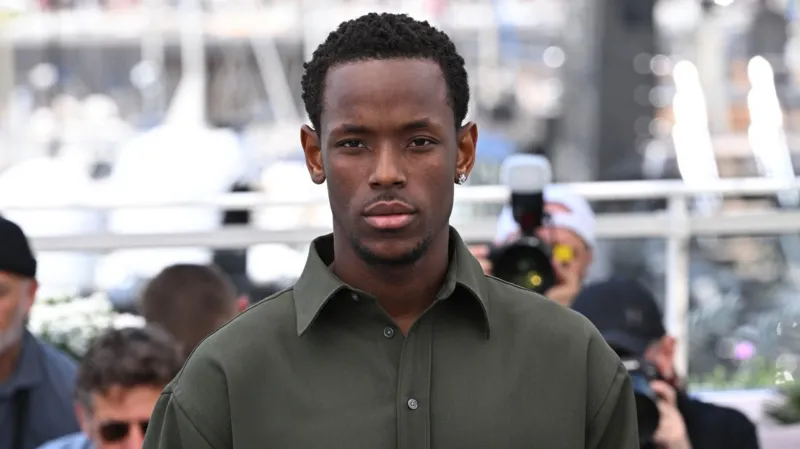
Actor Micheal Ward has told a London jury that a sexual encounter at the centre of his ongoing rape trial was entirely consensual, firmly rejecting allegations that he raped and sexually assaulted a woman after the pair met at a New Year’s event in early 2023.
Ward, 28, who is widely recognised for his performances in the acclaimed television series Top Boy and the film Blue Story, appeared before Snaresbrook Crown Court on Monday to give evidence in his own defence. During his testimony, the Bafta-winning actor maintained that both he and the complainant willingly participated in the encounter and that, at every stage, he believed the interaction was mutual.
The trial, which has attracted significant public attention because of Ward’s high-profile acting career, centres on allegations arising from an incident that allegedly took place after a New Year’s celebration in Gants Hill, east London, on 2 January 2023.
Ward denies all five charges against him, including two counts of rape and three counts of sexual assault.
As the proceedings continue, the court has heard differing accounts from the prosecution and the defence regarding what occurred after Ward and the complainant met during the party.

The complainant, whose identity is protected under UK law, previously told jurors that she did not consent to the sexual activity and had repeatedly indicated that she wanted to leave.
Giving evidence last week, she described becoming overwhelmed during the encounter and said she “completely shut down.”
She told the court she did not fully understand the situation she found herself in and stated that she would never have entered the vehicle with Ward had she anticipated what would happen.
The woman also acknowledged during her evidence that she did not verbally say “no” during the encounter. However, she testified that she repeatedly told Ward she wanted to leave, maintaining that she did not consent to the sexual acts alleged in the indictment.
On Monday, Ward offered a sharply contrasting version of events.
Responding to questions from his defence barrister, Sallie Bennett-Jenkins KC, the actor told the jury that he believed there was clear mutual attraction between them from the moment they first met outside the venue.
Ward said their initial conversation was friendly, relaxed and flirtatious.
According to his evidence, he found the woman attractive, describing her as “very cute,” and believed her body language and eye contact indicated that the attraction was mutual.
He told the court their conversation developed naturally before he invited her to continue talking inside a parked car.
Ward said the flirtation continued there, describing the atmosphere as relaxed and affectionate.
He told jurors that they exchanged passionate kisses and that the interaction gradually developed into consensual sexual activity.
According to Ward, the complainant actively participated throughout the encounter.
“Everything we did was wholly consensual and we were having a great time,” he told the court.
He added that they both appeared to be enjoying themselves and that he believed their attraction was entirely mutual.
Ward further testified that the woman never communicated any desire to leave the vehicle or indicated that she was uncomfortable.
When asked by his barrister whether the complainant did anything that suggested she did not wish to continue, Ward replied that she did not.
“If she did, we would not have done it,” he told the jury.
He maintained that the complainant remained engaged throughout the encounter and described her as an “active participant.”
Ward also recalled what happened after the alleged incident.
He said the conversation between them continued in a friendly manner and that the woman appeared calm before leaving.
According to his evidence, they later exchanged messages via social media, with Ward sending her a smiling emoji featuring a heart.
The complainant reportedly responded by wishing him an enjoyable remainder of the evening.
The prosecution, however, argues that the messages exchanged afterwards do not undermine the complainant’s account.
Earlier in the trial, jurors heard evidence from a friend who collected the woman after the alleged assault.
The friend, whose identity is likewise protected by law, told the court that the complainant appeared visibly distressed when she entered the vehicle.
According to the witness, she cried repeatedly during the journey home and appeared emotionally shaken.
The prosecution also presented evidence that the complainant ordered a sexually transmitted infection testing kit while returning home.
Jurors heard that she completed an online form in which she indicated she believed she had been sexually assaulted.
Prosecutors argue these actions were consistent with someone who had experienced significant distress following the alleged incident.
The defence maintains that the encounter was consensual and that Ward reasonably believed the complainant willingly participated throughout.
The central issue before the jury is therefore one of consent and whether Ward held a reasonable belief that consent existed at every stage of the encounter.
Under English criminal law, a person commits rape if sexual intercourse occurs without consent and without a reasonable belief that the other person consents.
The prosecution must prove its case beyond reasonable doubt.
Ward’s legal team argues that the evidence demonstrates mutual attraction, consensual behaviour and continued friendly communication afterwards.
The prosecution, meanwhile, contends that the complainant’s evidence establishes the absence of genuine consent despite the lack of verbal resistance.
Legal experts observing the proceedings note that cases involving consent frequently depend upon the jury’s assessment of witness credibility and the totality of the surrounding evidence.
Jurors are required to consider testimony from both parties alongside digital communications, witness accounts and any other supporting material presented during the trial.
Ward rose to prominence as one of Britain’s most successful young actors after receiving widespread critical acclaim for his performances.
He won the BAFTA Rising Star Award in 2020 and has since earned further recognition for his roles in Steve McQueen’s Small Axe anthology and the film Empire of Light.
His performance in Netflix’s Top Boy further established him as one of the UK’s leading television actors.

The ongoing criminal proceedings have inevitably placed his career under intense public scrutiny.
However, legal principles require that every defendant is presumed innocent unless proven guilty in court.
Reporting restrictions also remain in place to protect the identity of the complainant throughout the proceedings.
As the trial continues at Snaresbrook Crown Court, jurors will hear additional evidence before ultimately determining whether the prosecution has proved the allegations beyond reasonable doubt.
No verdict has yet been reached, and the case remains before the court.
Related News:
 Tasers Introduced in UK Prisons to Combat Rising Violence and Protect Staff
 Targeted Attack in Bury Sparks Murder Investigation as Community Awaits Justice
 Man Remanded After Children Fall Ill at Leicestershire Summer Camp in Shocking Child Cruelty Case
 AI Revolutionises Grooming Gang Investigations as Police Target Cold Cases Across England and Wales
 Police Advised to Disclose Ethnicity of Suspects in High-Profile Cases
 Merseyside Police Helicopter Crew Cleared After Low-Altitude Pursuit of Suspect
 UK Launches Major Crackdown on Networks Profiting from Online Child Sexual Abuse
 Jailed Georgian Opposition Leaders Warn UK of Iranian Links to Ruling Party
 No Evidence Found to Substantiate Alleged Rape in Oxfordshire Churchyard, Police Confirm
 Paedophile Singer Ian Watkins Dies After Prison Attack
 French Taxi Driver Cleared in David Lammy Theft Case After Fare Dispute
 Just Stop Oil Protesters Convicted Amid Climate Defence Row
 Pop Stars Call on UK Government to Cap Resale Prices for Fans
 Serial Rapist and Former Cop Found Guilty Again
 Woman Jailed for Life After Killing E-Bike Rider in Tragic Mistaken Identity Case
 Betfair Faces Pressure Over Funds Lost to Gambling Fraud
 Police Probe Mandelson Over Alleged Epstein Leak
 Appeal to B&B Owners Over Cash Point Ram-Raid
 David Furnish Says Alleged Daily Mail Hacks of Him and Elton John Were ‘An Abomination’
 Man in Court Charged with Belfast Murder
 Wayne Couzens Still Eligible for £7k Pension
 Disability and LGBT Hate Crimes Set to Become Aggravated Offences
 Last‑ditch Call to Save Police Front Counters in London
 How Much Could Andrew’s Arrest Hurt the Royal Family?
 Fly-Tippers to Be Hunted by ‘Drone Squad’ in Crackdown from the Sky
 Court Error Frees Rape Suspect Who Flees UK
 Sadistic Pair Jailed for Blowing Up Sheep
 Trial Date Set for Student Accused of Racial Hatred
 Rape Accused Had Fight With Man in Alley, Court Told
 Flatmates Cleared of Raping Man After Night Out
 Grave of Murdered Toddler James Bulger Vandalised
 Suspects in Lisa Dorrian Case Released on Bail
 Murder Charge After Security Guard Stabbed in Violent Attack
 Driver Jailed Over Fatal Water Treatment Tank Crash
 Man on Trial for Rape That Led to Andrew Malkinson’s Wrongful Jailing
 Labour MP’s Partner Arrested on Suspicion of Spying for China
 Police Scotland Pays £8m Compensation to Staff
 Woman Smuggled Military-Grade Guns and Heroin
 Police Sell Crime-Fighting Tuk-Tuks at £28,000 Loss
 ‘He Didn’t Stand a Chance’: Man Killed by Tube Was Blocked from Safe Spot, Inquest Hears
 Armed police incident closes major road
 Pedestrian critically hurt after being hit by car
 House wall collapses on to car in city centre
 Gran Vows to Shield Huntley’s Daughter From Soham Killer’s Funeral
 Katie Price’s Husband Hit by ‘Tinder Swindler’ Claims
 Scots Man Convicted in Dirty Money Case After DNA Found on Cash
 Man Arrested Over Gunshot Death in Motherwell
 Liverpool Shooting Horror as Girl, 17, Shot in Legs in ‘Targeted Attack’
 Rapist Caught After Victim Calls Police Mid-Attack

 Ram-Raid Gang Hit Livingston Store in Arson Escape
 Families Tortured by Authorities During Investigations Inquiry Told
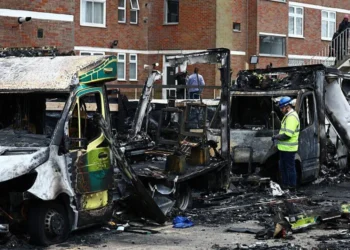 Two Men Bailed Following Arson Attack on Jewish Charity Ambulances
 Watchdog Probes Police Handling of Andrew Tate Abuse Claims
 Dawn Raids in Scotland and Spain: Eight Arrested in Major Organised Crime Sting
 Police Hunt Bike-Riding Gunman After Man Shot Dead Near Euston
 Shock Exit: Scott Mills Sacked from Radio 2 Over ‘Historic Relationship’ Allegations
 “A Shadow in the Night”: Survivor Speaks Out After Abduction by Fake Taxi Driver
 Heartbreak in Bournemouth: The Tragic Death of James Blanch
 Rebranded or Reclaimed? Seized Tate Assets to Fund Domestic Abuse Support
 Mass Arrests at London Palestine Protest Spark Debate
 Misconduct Inquiry Launched Over Fatal Schoolgirl Crash Response
 Counter-Terror Probe Launched After Break-In at Hampshire Firm
 Al Fayed Enablers ‘Must Face Accountability’, Survivors Say
 A Crime of Pure Hatred’: Court Hears Harrowing Details of Racially Aggravated Rape in Bristol
 ‘A Deliberate Act’: Man Charged with Attempted Murder After Vehicle Strikes Pedestrians in Nottingham
 ‘A Sacred Space Shattered’: Two Found Guilty in London Church Drive-By Murder Trial
 The ‘Axiom of Fraud’: £39.5m Hole Discovered in Second Major Law Firm Collapse
 “Significant” Fire at Pink Punters: 51-Year-Old Man Arrested Following LGBT+ Club Blaze
 “Terrorism Suspect” Arrested in Devon as Investigation into London Jewish Site Attacks Widens
 The “Invisible” Tape: Leaked Video Contradicts Police Denial in Brutal Arrest Case
 500 Officers, 10 Arrests: Crewe Religious Group at Centre of Modern Slavery and Sex Crimes Probe
 “A Trail of Blood and Debt”: County Lines Kingpin Handed Life Sentence for “Senseless” Gangland Murder
 “The Rooftop Mystery”: Police Launch ‘Suspicious Death’ Probe After Body Found in Luxury Garden
 “The Reality Reckoning”: Government Demands Accountability as Channel 4 Pulls Married at First Sight UK Over Grave Sexual Assault Allegations
 US Condemns Alleged ‘Two-Tier’ UK Policing
 Man Arrested 22 Years After Leeds Teen Murder
 Woman Appears in Court Over Fatal Wimbledon School Crash
 Lyra McKee’s Former Partner Speaks of Lasting Grief
 Watchdog Says MI5 Knew Agent’s Violent Misogynistic Views