Published: 03 September ‘2025. the English Chronicle Desk
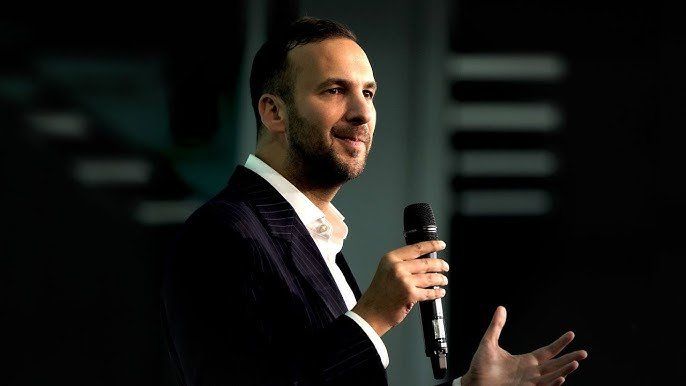
In a move that has captured both attention and controversy, Zack Polanski, the self-described “eco-populist” and former hypnotherapist, has been elected as the new leader of the Green Party of England and Wales. His election marks a notable shift in the party’s direction and raises questions about the trajectory of British politics in the coming years.
Historically, the Green Party has sought to appeal to disaffected Conservative voters, former schoolteachers, and churchgoers who held traditional environmentalist values. It evolved from the Ecology Party, which was soft-left and skeptical of European integration. However, under Polanski’s leadership, the party appears to be moving towards a more assertively hard-left stance, echoing elements of Corbyn-era politics. Analysts have described this transformation as a form of ideological consolidation, positioning the Greens as a platform for more radical progressive policies.

Polanski’s new deputy co-leader, Mothin Ali, also appointed this week, reflects a similar trend. Ali, elected to Leeds council last year, gained attention for what many observers described as a vote expressing solidarity with Gaza. Together, Polanski and Ali represent a shift in the party’s priorities, emphasizing social and economic leftism alongside environmental concerns.
Observers note that environmental advocacy alone is no longer sufficient to distinguish a party. Policies aimed at combating climate change have already permeated mainstream politics. From parliamentary debates to school curriculums, net-zero initiatives have become standard, leaving limited room for the Greens to differentiate themselves solely on eco-policy. In this context, Polanski’s focus on broader social and economic issues is seen as a strategy to appeal to younger voters and those dissatisfied with Labour’s current approach.
Polling data indicates the potential impact of this strategy. According to political analyst Professor John Curtice, Labour has lost approximately seven percent of its vote share to the Greens over the past year. Surveys suggest that around 20 percent of Britons would consider voting for Polanski’s party, rising to 36 percent among 18- to 24-year-olds. While these figures signal significant enthusiasm, critics argue that the Greens still lack practical governance strategies, often relying on slogans targeting economic inequality rather than detailed policy frameworks.
The Green Party’s 2024 manifesto highlights its commitment to fairness, with eleven of its fifteen pledges featuring the term “fair.” Policies include proposals for a wealth tax, rent controls, and measures to prioritize leisure time, reflecting the party’s focus on social justice and redistribution. However, critics point to potential challenges in implementation, citing failed experiments with rent control and the economic consequences of high taxation on wealthier citizens.
On social issues, the party remains similarly dogmatic. Polanski has publicly affirmed the party’s stance on trans rights and non-binary recognition, a position that has divided members and sparked debate over the party’s approach to gender-critical perspectives. Recent internal conflicts within left-wing parties over trans policies suggest ongoing tensions that could influence both party unity and public perception.

Some analysts suggest that Polanski’s leadership may fragment the hard-left vote, yet initial reactions from progressive circles indicate strong support. Potential alliances with other left-wing groups, such as the Corbyn-Sultana faction, could further consolidate influence, raising strategic and ideological questions for Labour and other mainstream parties.
Polanski’s leadership thus represents more than a simple change at the helm; it signals a reorientation of the Green Party’s identity. As Britain approaches future elections, the party’s evolving platform will test voter priorities, ideological alignments, and the broader dynamics of left-wing politics in the country. While environmental issues remain central, the Greens under Polanski aim to become a significant political force by integrating radical social and economic policies with eco-orthodoxy, challenging traditional party structures and reshaping the political conversation.
Related News:
 Green Party Faces Leadership Divide Over Direction and Strategy
 Bridget Phillipson and Lucy Powell Emerge as Main Contenders in Labour Deputy Leadership Race
 Lib Dems Urged to Focus on Policy Over Stunts, Survey Shows
 Katie Lam’s Rise Signals Conservative Party’s Rightward Turn on Migration
 Greens Gain Ground in London as Zack Polanski Eyes Labour’s Stronghold
 Lib Dems Likely to Outperform Tories in Seat Count, Warns Top Pollster
 Zarah Sultana and Jeremy Corbyn Reunite Amid New Party Plans
 Swinney cites 2011 precedent to push for indyref2
 Facing the Challenge of Islam in Britain Today
 Plaid Cymru Triumphs in Caerphilly, Ending Labour Century-Long Hold
 How the Royal Navy Can’t Stop the Channel Boats
 Boris Johnson: Tories Risk Election Loss if They ‘Bash the Green Agenda’
 Green Party Surges Past Labour in Latest UK Poll
 Celebrities and Charities Demand UK Government Act on Child Poverty
Boris Johnson accused of undermining BBC leadership
Celebrities and Charities Demand UK Government Act on Child Poverty
Boris Johnson accused of undermining BBC leadership
 Tim Davie resigns as BBC director general amid bias claims
 ‘Reckless’ cuts to victims’ services will cost more than they save
 Politics latest: Starmer ‘will fight any leadership coup’ as Streeting denies attempt to oust Labour PM
 Scottish Ministers Express Alarm Over UK Asylum Reforms
 Labour Faces Historic Decline in Wales
 MP Offers Seat to Help Burnham Challenge Starmer
 BBC to Expand Standards Panel and Create Deputy Director Role
 Most Tories Expect to Support a Farage-Led Government
 Nigel Farage Responds to Racism Claims from School Days
 UK Must Act with Courage and Clarity on Israel-Palestine Conflict, Says Foreign Affairs Committee Report
 The Fight for Trans Safety Is a Fight for Everyone’s Safety — MPs Must Debate This Crucial Issue
 Brian Cox Slams Donald Trump’s Remarks on Scottish Independence and Voices Support for Kevin Spacey’s Return to Acting
 Chancellor Faces Mounting Pressure Amid “Impossible Trilemma” Over Tax Rises
 Radioactive Leak at UK’s Nuclear Warhead Base Sparks Outcry Over Safety and Secrecy
 Mass Arrests in London as Protest Defies Ban on Palestine Action
 Mutual Inconvenience: Why Alaska Was Chosen for the Trump-Putin Summit on Ukraine
 UK Government Expands ‘Deport Now, Appeal Later’ Policy to 23 Countries
 Chancellor Rachel Reeves Pushes for Sweeping Changes to Environmental Protections to Accelerate Development
 Larger Families Could Gain Thousands if Labour Ends Two-Child Benefit Cap
 Is the UK Ready to Put Boots on the Ground in Ukraine? Assessing Military Capacity and Challenges
 Palestine Action Ban Protesters Plan Tactic to Overwhelm Police at Next London Demonstration
 Police Scotland Spends £500,000 Compensating Officers Over Trump Visit
 Britain’s Migration Challenge: Rising Asylum Numbers and Hotel Pressures
 Elon Musk Sparks New Controversy by Backing Tommy Robinson Amid Farage Feud
 Protests Expected as Israeli Arms Firms Join Global Defence Trade Fair in London
 Are Britain’s Unions Turning Against the Workers They Once Represented?
 UK Rejoining EU ‘Unlikely in My Lifetime,’ Says Starmer’s Europe Reset Negotiator
 UK Urged to Collaborate with NATO on Missile Defence Amid Russian Drone Threat
 ‘Unite the Kingdom’ Rally Sparks Fears of Far-Right Normalisation Among Minority Britons
 France Proposes Ceiling on UK Role in €150bn EU Defence Fund
 Thousands Gather in London to Protest Donald Trump’s Second UK State Visit
 Tragedy in Hackney: Man Killed and Woman Injured in East London Park Shooting
 Zarah Sultana Seeks Legal Action After Bitter Clash with Jeremy Corbyn Over Party Membership Funds
 Top Andy Burnham Ally Launches Fierce Critique of Starmer Ahead of Labour Conference
 Mahmood Pledges Reform of Modern Slavery Laws After Court Blocks Deportation Appeal
 It Changed My View’: Campaign Encourages Pupils in Deprived Areas to Consider University
 UK Fighter Jet Purchase Could Breach Nuclear Treaty, Warns CND
 Ed Miliband Urges Labour to Confront Billionaire-Backed Opposition to Net Zero Goals
 A Third of EU Citizens in UK Report Discrimination by Public Bodies Post-Brexit
 Senior Tories Condemn Badenoch’s Vow to Repeal Climate Change Act as Catastrophic
 Home Secretary condemns Gaza protests after Manchester synagogue attack as “un-British”
 Digital ID Plans Ignite Debate Over £600m Treasury Tax Boost and Privacy Concerns
 Robert Jenrick Reiterates Controversial Comments on Birmingham’s Integration as Backlash Grows
Public Trust in SNP Hits Historic Low Amid NHS Concerns
Yvette Cooper Backs Digital ID Plan for UK Teens
Robert Jenrick Reiterates Controversial Comments on Birmingham’s Integration as Backlash Grows
Public Trust in SNP Hits Historic Low Amid NHS Concerns
Yvette Cooper Backs Digital ID Plan for UK Teens
 Johnson Suggests Mandelson Linked to China Spy Controversy
 Ministry of Justice fails to file £11bn in spending receipts
 Rachel Reeves signals welfare reform ahead of key budget
 Reform UK candidate fined £19,000 after using AI-generated cases to challenge election
 The debate over England’s compulsory reading test for 13-year-olds
 William Steps Up Over Prince Andrew Palace Response
 UK Health Leaders Push for Urgent Tobacco & Vape Bill
Johnson Approved China’s London ‘Super-Embassy’ in 2018
UK Health Leaders Push for Urgent Tobacco & Vape Bill
Johnson Approved China’s London ‘Super-Embassy’ in 2018
 Zarah Sultana Launches Party to Change Politics
 FBI Director Kash Patel Defends Girlfriend Amid Government Jet Claims
 London’s Childlessness Crisis: Schools Closing as Families Shrink
 Starmer Faces Growing Dissent as Labour MPs Weigh Leadership Challenge
 VAR Must Rein Its Neck In to Save Football’s Spirit
 Mary Earps’s Manchester United Return Faces Mixed Reception
 Pressure Mounts on Starmer to Sack Chief of Staff Over Briefing Row
 Peers Flood Assisted Dying Bill with 942 Amendments
 England’s Special Needs Support Faces Breaking Point
 MoD warned over Excel risks before Afghan data breach
 Labour MP claims devolution bill is ‘blatant discrimination’ against Cornwall
 Millions Face Higher Taxes Under Reeves New Budget