Published: 10 September 2025 | The English Chronicle Desk
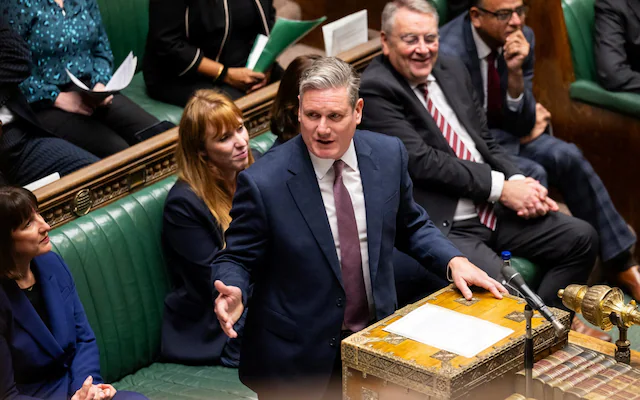
Prime Minister Keir Starmer faced a stormy Prime Minister’s Questions (PMQs) session in the Commons today, grappling with mounting criticism over Israel’s recent actions in Doha, growing controversy surrounding Lord Peter Mandelson’s ties to Jeffrey Epstein, and the political fallout from Angela Rayner’s resignation.
Opening PMQs, Mr Starmer condemned the Israeli strikes in Doha yesterday, saying they violated Qatar’s sovereignty and “did nothing to secure the peace that the UK has long advocated.” He confirmed he would meet Israeli President Isaac Herzog later in the day, stressing that he would deliver a strong message: “We condemn Israel’s actions, and we will urge immediate steps to lift restrictions on humanitarian aid for Gaza.”

His comments followed sharp criticism from within his own Cabinet. Health Secretary Wes Streeting said earlier this week that President Herzog must answer allegations of “war crimes, ethnic cleansing and genocide” linked to Israel’s ongoing military operations in Gaza. While the UK government has stopped short of formally designating Israel’s actions as genocide, ministers have acknowledged that serious legal and moral questions remain unanswered. The Prime Minister now finds himself under intense pressure both at home and abroad to confront Israel directly over its conduct.
The exchanges in the Commons also turned sharply to Lord Mandelson, the UK’s newly appointed ambassador to the United States. Conservative MP Kemi Badenoch asked whether the Prime Minister knew of Mandelson’s association with Epstein before confirming his appointment. Mr Starmer insisted that “full due process” had been followed, but questions over Mandelson’s judgment continue to swirl.
In recent days, Lord Mandelson admitted he “profoundly regrets” ever meeting Epstein and acknowledged that further “very embarrassing” messages between the two are likely to emerge. One resurfaced note allegedly described Epstein as his “best pal.” Speaking publicly, Mandelson said he feels “a tremendous, profound sense of sympathy for those women who suffered as a result of Epstein’s illegal, criminal activities,” but critics argue that his past connections undermine his credibility in Washington.
Liberal Democrat leader Sir Ed Davey pressed the Prime Minister on whether Mandelson remains a suitable figure to represent Britain abroad, given the deepening scandal. The Prime Minister defended the appointment but was visibly on the defensive as MPs on all sides raised concerns.
Adding to the turbulence, this was Mr Starmer’s first PMQs since the dramatic resignation of his deputy, Angela Rayner. She stepped down after the Prime Minister’s ethics adviser concluded she had breached the ministerial code over her failure to properly declare tax on a second home. Starmer, who initially backed Rayner, was forced into a swift reshuffle to steady his frontbench team.
The combination of foreign policy challenges, questions over integrity at the heart of government, and ongoing scrutiny of his party’s internal discipline meant Starmer endured one of his most difficult Commons appearances since taking office.

Observers noted that while the Prime Minister sought to project firmness on Israel and solidarity with victims of Epstein, his government risks being dragged into protracted controversies that could erode public confidence at a delicate political moment.
With his meeting with President Herzog looming and the Mandelson affair far from resolved, Starmer faces a critical test of leadership — balancing diplomacy abroad with accountability at home.
Related News:
 Kinnock’s Rebuke Echoes Loudly as Corbyn Allies Launch Left-Wing Breakaway: “A Gift to Farage”
 Trump Administration Dismisses 17 Immigration Judges, Sparking Debate Over Judicial Independence
 UK Must Act with Courage and Clarity on Israel-Palestine Conflict, Says Foreign Affairs Committee Report
 Labour Faces Standoff as NHS Strike Exposes Deeper Crisis
 The Fight for Trans Safety Is a Fight for Everyone’s Safety — MPs Must Debate This Crucial Issue
 Brian Cox Slams Donald Trump’s Remarks on Scottish Independence and Voices Support for Kevin Spacey’s Return to Acting
 Trump Threatens 100% Tariff on Nations Importing Russian Oil Amid India Standoff Over Ukraine War
 Chancellor Faces Mounting Pressure Amid “Impossible Trilemma” Over Tax Rises
 Radioactive Leak at UK’s Nuclear Warhead Base Sparks Outcry Over Safety and Secrecy
 Mutual Inconvenience: Why Alaska Was Chosen for the Trump-Putin Summit on Ukraine
 UK Government Expands ‘Deport Now, Appeal Later’ Policy to 23 Countries
 Chancellor Rachel Reeves Pushes for Sweeping Changes to Environmental Protections to Accelerate Development
 Larger Families Could Gain Thousands if Labour Ends Two-Child Benefit Cap
 Hong Kong Summons UK and Australian Envoys Following Asylum Grants to Democracy Activists
 Is the UK Ready to Put Boots on the Ground in Ukraine? Assessing Military Capacity and Challenges
 Palestine Action Ban Protesters Plan Tactic to Overwhelm Police at Next London Demonstration
 Police Scotland Spends £500,000 Compensating Officers Over Trump Visit
 Britain’s Migration Challenge: Rising Asylum Numbers and Hotel Pressures
 Elon Musk Sparks New Controversy by Backing Tommy Robinson Amid Farage Feud
 Rylan Clark Criticizes UK Immigration Policies on This Morning, Sparking Public Debate
 Farage Blasts Essex Council Over St George’s Flag Controversy, Calls Message ‘Unbelievable
 Urgent Action Needed on Windrush Compensation as Survivors Speak of “Waiting to Die”
 Tanni Grey-Thompson Faces Abuse Over Opposition to Assisted Dying Bill
 Conservative Influencer Charlie Kirk Fatally Shot During University Debate
 UK Rejoining EU ‘Unlikely in My Lifetime,’ Says Starmer’s Europe Reset Negotiator
 ‘Unite the Kingdom’ Rally Sparks Fears of Far-Right Normalisation Among Minority Britons
 France Proposes Ceiling on UK Role in €150bn EU Defence Fund
 Thousands Gather in London to Protest Donald Trump’s Second UK State Visit
 Zarah Sultana Seeks Legal Action After Bitter Clash with Jeremy Corbyn Over Party Membership Funds
 Top Andy Burnham Ally Launches Fierce Critique of Starmer Ahead of Labour Conference
 Mahmood Pledges Reform of Modern Slavery Laws After Court Blocks Deportation Appeal
 It Changed My View’: Campaign Encourages Pupils in Deprived Areas to Consider University
 Denmark Investigates Professional Drone Incursions Across Multiple Airports, No Evidence of Russian Involvement
 UK Fighter Jet Purchase Could Breach Nuclear Treaty, Warns CND
 Ed Miliband Urges Labour to Confront Billionaire-Backed Opposition to Net Zero Goals
 A Third of EU Citizens in UK Report Discrimination by Public Bodies Post-Brexit
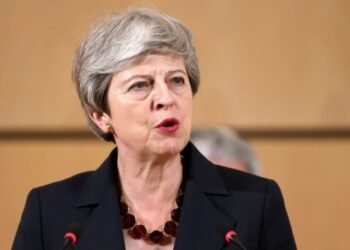 Senior Tories Condemn Badenoch’s Vow to Repeal Climate Change Act as Catastrophic
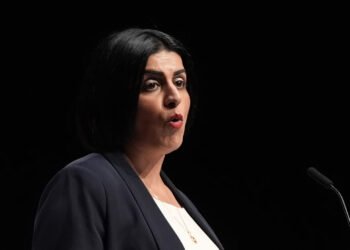 Home Secretary condemns Gaza protests after Manchester synagogue attack as “un-British”
 Digital ID Plans Ignite Debate Over £600m Treasury Tax Boost and Privacy Concerns
 Robert Jenrick Reiterates Controversial Comments on Birmingham’s Integration as Backlash Grows
 Public Trust in SNP Hits Historic Low Amid NHS Concerns
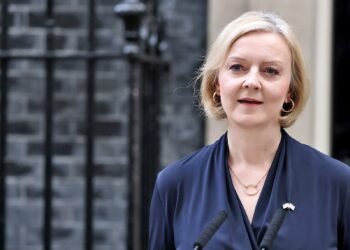 Yvette Cooper Backs Digital ID Plan for UK Teens
 Starmer Faces Backlash Over Downing Street Shake-Up and Progressive Exodus
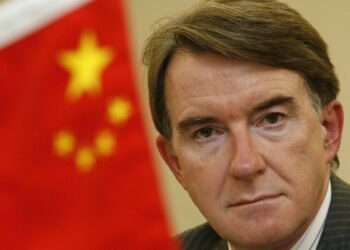 Johnson Suggests Mandelson Linked to China Spy Controversy
 Ministry of Justice fails to file £11bn in spending receipts
 Rachel Reeves signals welfare reform ahead of key budget
 Nigel Farage’s partner linked to Brussels fraud probe
 Reform UK candidate fined £19,000 after using AI-generated cases to challenge election
 The debate over England’s compulsory reading test for 13-year-olds
 Kosovo agrees to host Britain’s refused asylum seekers
 William Steps Up Over Prince Andrew Palace Response
 Ireland Votes as Two Women Compete for Presidency
 UK Health Leaders Push for Urgent Tobacco & Vape Bill
 Experts Warn Russia’s Burevestnik Missile Could Destabilise Arms Control
 How the Royal Navy Can’t Stop the Channel Boats
 Johnson Approved China’s London ‘Super-Embassy’ in 2018
 Green Party Surges Past Labour in Latest UK Poll
 Celebrities and Charities Demand UK Government Act on Child Poverty
 Zarah Sultana Launches Party to Change Politics
 FBI Director Kash Patel Defends Girlfriend Amid Government Jet Claims
 Labour immigration crackdown could cost UK £4.4bn
 ‘Reckless’ cuts to victims’ services will cost more than they save
 Starmer Faces Growing Dissent as Labour MPs Weigh Leadership Challenge
 WASPI Women May Get Second Chance at Pension Redress
 Politics latest: Starmer ‘will fight any leadership coup’ as Streeting denies attempt to oust Labour PM
 Pressure Mounts on Starmer to Sack Chief of Staff Over Briefing Row
 Peers Flood Assisted Dying Bill with 942 Amendments
 England’s Special Needs Support Faces Breaking Point
 US Justice Department Files Lawsuit Against California Over Partisan Voting Maps
 MoD warned over Excel risks before Afghan data breach
 Trump Deploys DHS to Charlotte in Major Arrest Operation
 Pentagon Officials in Ukraine to Discuss War End
 Venezuela Threatens Nobel Winner Machado with Fugitive Status
 Most Tories Expect to Support a Farage-Led Government
 Labour MP claims devolution bill is ‘blatant discrimination’ against Cornwall
 Millions Face Higher Taxes Under Reeves New Budget
 Jordan Bardella: France’s Young Presidential Contender
 EU plans $105bn Ukraine aid using frozen Russian assets
 Global campaign launched to free Palestinian leader Barghouti