Published: 15 September ‘2025. The English Chronicle Desk
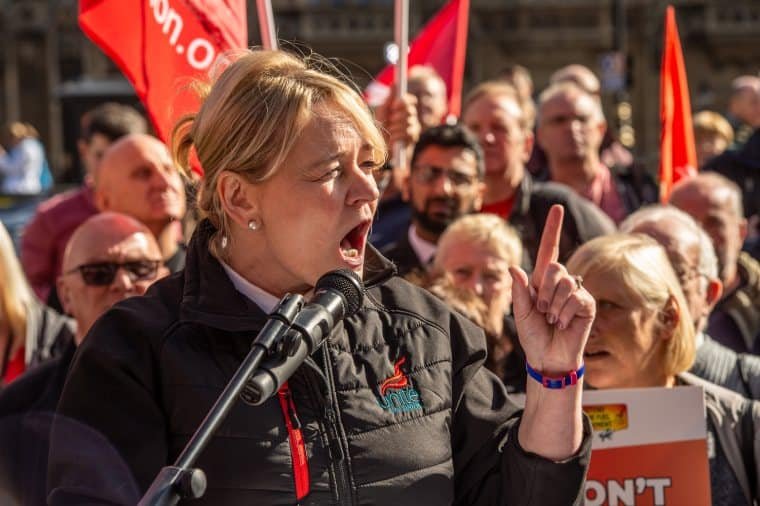
Keir Starmer has been urged to make a clear “populist case” for workers’ rights reforms after a major poll revealed that while the proposed changes enjoy widespread public support, awareness of them remains extremely limited.
The employment rights bill is set to return to the House of Commons on Monday, with senior government figures pledging not to dilute key measures, including protections against zero-hours contracts and new workplace rights. The bill was championed by Angela Rayner, who recently resigned as deputy prime minister, raising concerns among union leaders about potential delays or weakening of the reforms. The appointment of Peter Kyle as business secretary has also been watched closely by unions, though Kyle has assured them there will be no backtracking on the legislation. Education Secretary Bridget Phillipson has similarly affirmed the government’s commitment in a speech to the TUC conference.
In a statement, Starmer welcomed the bill’s return to parliament, describing it as “the biggest upgrade to workers’ rights in a generation.” He added, “Our employment rights bill is good for workers, good for businesses, and good for the economy. It is central to our agenda to make people better off and will make a real difference to lives across the country.”

Union leaders are determined to ensure the bill’s integrity as it passes through parliament, particularly in relation to secondary legislation covering essential issues such as compensation for cancelled shifts. Paul Nowak, general secretary of the TUC, will meet MPs to present findings from a new 45,000-voter poll commissioned by the TUC and Hope Not Hate. He emphasised that reforms such as banning zero-hours contracts, ending fire-and-rehire, and introducing day-one protection from unfair dismissal are overwhelmingly popular across political lines and must not be stalled.
The poll revealed that only about a quarter of voters are aware of the proposed reforms. Yet when informed, over 70% supported workers being protected from unfair dismissal from their first day on the job, rather than after two years. Support was particularly strong among 2024 Labour voters who have since switched to Reform, with backing rising to 77%. Low-income female Reform voters aged 35-44 demonstrated the highest level of support at 83%. The measure requiring guaranteed-hours contracts for zero-hours employees after 12 weeks was backed by nearly 80% of the public, climbing to 85% among Labour-to-Reform switchers. Similarly, more than three-quarters of voters support providing sick pay from day one.

Nick Lowles, chief executive of Hope Not Hate, highlighted that the key public concern is economic insecurity rather than immigration, stating, “People are working harder than ever and getting less in return. They want a government willing to challenge vested interests and create a fairer economy. Strengthening workers’ rights can rebuild trust, but only if it is prioritised, not treated as an afterthought.”
Nowak stressed the need for vigilance once the bill passes, urging MPs and activists to ensure robust secondary legislation and resist pressure from business interests. “Ministers must hold their nerve against the inevitable scare stories and ensure the bill delivers the secure jobs millions desperately need,” he said.
Related News:
 MPs Warn Thousands Still Face Poverty Despite Labour’s Welfare Reform Retreat
 Breaking Free from Costly Contracts and How Britons Can End Broadband Deals Without Paying Exit Fees
 Wethersfield Controversy Deepens as Asylum Seeker Numbers Set to Surge by 50%
 Russell T Davies Warns of Declining UK Gay Rights Amid Rise of Reform UK and Trump Influence
 David Lammy Faces Possible Legal Challenge Over Foreign Office Secondment Scheme
 Grant Shapps Cleared to Join Defence Startup Despite Ethical Concerns
 Chancellor Rachel Reeves Pushes for Sweeping Changes to Environmental Protections to Accelerate Development
 UK Retail Sales Rise in August, but Tax Concerns Loom Over Festive Period
 Norfolk Hospital Ranked Worst in England as NHS League Tables Return
 Oxford Union Condemns President-Elect’s Comments Following Charlie Kirk Shooting
 First “One In, One Out” Deportation Flight Departs Without Migrants Amid Legal Challenges
 Rachel Reeves Hosts Top UK and US Financial Executives as Trump’s State Visit Begins
 Donald Trump’s UK State Visit Kicks Off Amid Major Tech Investments and Business Engagements
 UK Wage Growth Remains High, But Cost of Living Pressures Bite
 Corbyn and Sultana Clash Over Membership Portal as Divisions Surface in New Leftwing Party
 Farage’s Reform UK Receives £100,000 from Design Firm with Past Tax Issues
Zarah Sultana Seeks Legal Action After Bitter Clash with Jeremy Corbyn Over Party Membership Funds
Farage’s Reform UK Receives £100,000 from Design Firm with Past Tax Issues
Zarah Sultana Seeks Legal Action After Bitter Clash with Jeremy Corbyn Over Party Membership Funds
 Dagenham Left in Limbo After Smithfield and Billingsgate Market Relocation Cancelled
 Anti-Immigration Protesters and Counter-Protesters Clash in Glasgow
 King Charles Earns Over £1 Million from Duchy Land Linked to Scrapped HS2 Project
 Ministers Consider Granting Mayors Oversight of Schools and Hospitals in Major Devolution Push
 Zarah Sultana Calls Off Legal Action Amid Party Feud with Jeremy Corbyn
Gatwick Secures Approval for £2.2bn Second Runway Expansion
Zarah Sultana Calls Off Legal Action Amid Party Feud with Jeremy Corbyn
Gatwick Secures Approval for £2.2bn Second Runway Expansion
 Lib Dems Urged to Focus on Policy Over Stunts, Survey Shows
 “Social Housing Crisis in England: Tenant Complaints Soar Amid Dangerous Living Conditions”
 Starmer’s Communications Chief Steph Driver Resigns in Latest No 10 Departure
 Starmer Hails Digital ID Cards as an “Enormous Opportunity” Amid Privacy Concerns
 A Third of EU Citizens in UK Report Discrimination by Public Bodies Post-Brexit
 Marks & Spencer Staff to Work on Boxing Day for First Time in Five Years Amid Cost-Cutting Measures
 Campaigners Urged to Reframe Child Poverty Debate in Scotland Ahead of Elections
 UK Government Secures £122m Win Against Michelle Mone-Linked Firm Over Defective PPE
 Senior Tories Condemn Badenoch’s Vow to Repeal Climate Change Act as Catastrophic
 Labour Faces Budget Dilemma as Reeves Urged to Break Manifesto Promises
 Millions of households in England face looming water bill hikes amid regulatory scrutiny
Millions Face Higher Water Bills After Regulator Approves Hikes
Millions of households in England face looming water bill hikes amid regulatory scrutiny
Millions Face Higher Water Bills After Regulator Approves Hikes
 Pubs and Clubs Could Stay Open Until Early Hours to Boost UK Economy
 Richard Tice’s Business Record Contrasts with His ‘Net Stupid Zero’ Criticism
 UK Labour Market Shows Signs of Stabilising After Job Losses
Rachel Reeves urged to consider welfare cuts to boost fiscal credibility
UK Labour Market Shows Signs of Stabilising After Job Losses
Rachel Reeves urged to consider welfare cuts to boost fiscal credibility
 Lucy Powell urged ministers to reconsider costly legal case for Labour donor’s firm
 Miliband Promises New Nuclear Stations if SNP Ousted
 Secret Report Exposes Home Office ‘Defeatism’ on Migration
 Lotto result jackpot draw halted due to technical glitch
 UK Health Leaders Push for Urgent Tobacco & Vape Bill
 Rachel Reeves to lead UK trade push in Saudi Arabia amid rights debate
 Derby Bounce Centre to Close Amid Car Park Dispute
 Labour Urges Councils to Abandon Four-Day Work Week
 Experts Question HMRC Over Possible Child Benefit Privacy Breach
 150-Year-Old Arctic Beer to Be Reborn in Scotland
 Court Hears Challenge Over Water Bills Funding Sewage Fixes
 Rachel Reeves Set to Break Labour Pledge and Raise Income Tax
 Thinktanks Urge Rachel Reeves to Reform UK Tax System
 Company linked to Michelle Mone owes £39m in tax
 Oprah enjoys Meghan’s jam on English muffins
MPs Press Rachel Reeves to Hike Gambling Taxes
Oprah enjoys Meghan’s jam on English muffins
MPs Press Rachel Reeves to Hike Gambling Taxes
 Nicola Sturgeon Urges SNP to Oppose New Oil Fields
 NHS Takes Over Nuffield Hospital in ‘Windfall’ for London Care
 Boris Johnson accused of undermining BBC leadership
 North Sea oil workers must lose weight or face job loss
Cuts to home insulation funding threaten UK climate goals
North Sea oil workers must lose weight or face job loss
Cuts to home insulation funding threaten UK climate goals
 Tim Davie resigns as BBC director general amid bias claims
 ‘Reckless’ cuts to victims’ services will cost more than they save
 Tim Davie Defends BBC Amid Bias Scandal Storm
 UK toy market enjoys bumper year as ‘kidults’ fuel demand
 Politics latest: Starmer ‘will fight any leadership coup’ as Streeting denies attempt to oust Labour PM
 Victims’ commissioner Baroness Newlove dies aged 63
 Crowborough Protest Over Plan to House 600 Asylum Seekers
 UK Asylum Overhaul Sparks Debate Over Human Rights and Deportations
 UK Asylum Reforms: Temporary Refugee Status and Faster Deportations
 UK and Ireland Meet to Discuss Next Steps on Troubles Legacy
 PM Shares Emotional Letter to Son on Men’s Struggles
 PM Highlights UK Business at G20 in South Africa
 Kate Forbes: Motherhood Harder Than Politics
 UK Energy Bills to Rise Slightly in January
Reeves to Crack Down on Benefit Fraud While Lifting Two-Child Limit
UK Energy Bills to Rise Slightly in January
Reeves to Crack Down on Benefit Fraud While Lifting Two-Child Limit
 Labour MP claims devolution bill is ‘blatant discrimination’ against Cornwall
 English Mayors Set to Introduce Tourist Taxes
 Planned Palestinian Flag Raising at Belfast City Hall Faces Delay Amid Legal Concerns
 “Enough is Enough”: Local MP Vows to Fight Rainham Quarry Plans
 Virgin Media Fined £23.8m Over Telecare Safety Failures