Published: 19 September ‘2025. The English Chronicle Desk
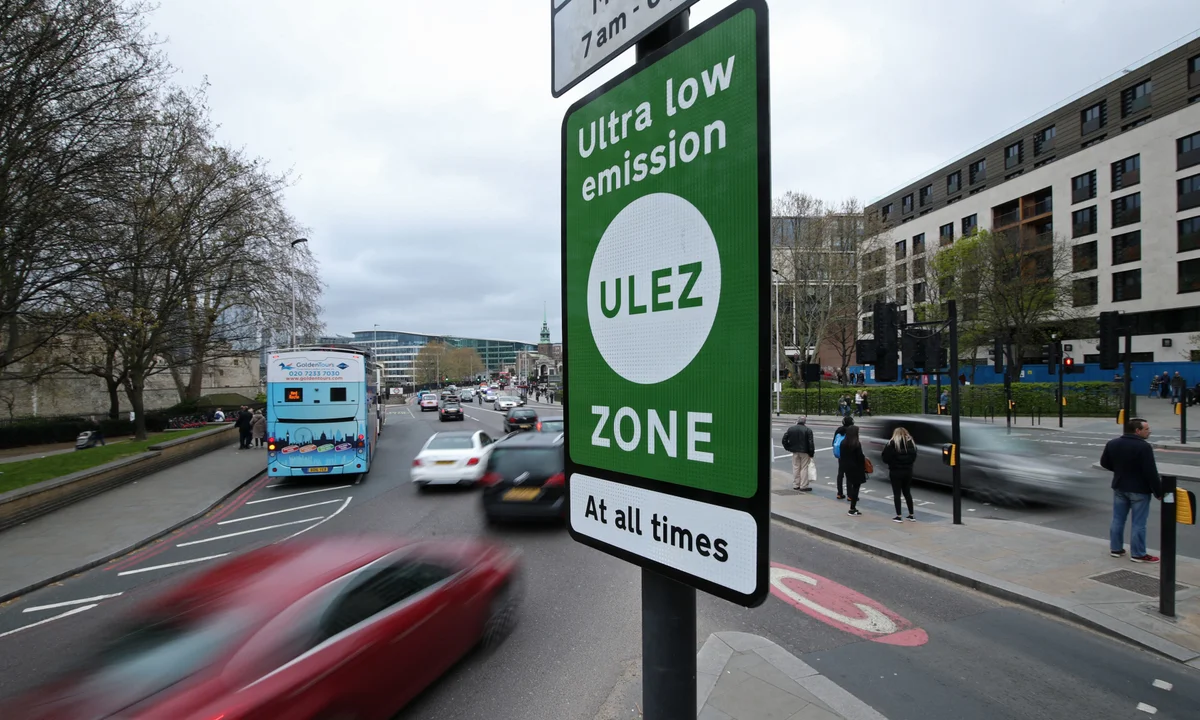
Transport for London (TfL) has revealed that a small minority of persistent offenders are responsible for more than £700 million in unpaid fines under the city’s ultra-low emission zone (Ulez) scheme, prompting a renewed crackdown on those flouting environmental regulations. The figures, disclosed in a comprehensive report from TfL, show that 94 percent of the £790 million owed stems from drivers who repeatedly ignore penalties, highlighting a significant challenge in enforcing compliance across the capital.
Introduced in 2019 during Boris Johnson’s tenure as mayor and subsequently expanded under Sadiq Khan in 2023 to cover the entirety of Greater London, the Ulez has become a defining feature of the city’s efforts to combat air pollution. It charges drivers of non-compliant vehicles a daily £12.50 fee for entering designated areas, targeting older diesel and petrol vehicles that emit higher levels of nitrogen dioxide and other pollutants. TfL estimates that nearly 97 percent of vehicles operating in the zone now meet emission standards, with the majority of owners paying the daily charge or subscribing to the automatic payment system.
Despite this broad compliance, a persistent minority of motorists continues to evade the charge. TfL highlighted cases in which drivers accrued tens of thousands of pounds in fines, including one individual who faced 130 warning letters and 14 visits from enforcement officers, resulting in the seizure and auction of his vehicle. Some motorists have been fined up to £17,000 this year alone, reflecting both the seriousness of evasion and TfL’s determination to enforce the scheme rigorously.

Enforcement data from the first half of 2025 reveals that approximately £16.5 million was recovered through actions including vehicle seizures, with 530 cars impounded and 350 sold at auction, raising £285,000. TfL has indicated that further enforcement measures are being escalated through county courts, and in extreme cases, could involve bankruptcy proceedings for persistent non-payers. These steps underline the seriousness with which the authority views repeated violations, as well as the growing importance of the Ulez in London’s broader strategy to improve public health.
Alex Williams, TfL’s Chief Customer and Strategy Officer, emphasised the critical role of the Ulez in tackling the capital’s long-standing air pollution crisis. “We know that we need bold solutions to tackle the public health crisis and poor air quality in London, and Ulez does just that,” he said. “Only a very small minority of vehicles now don’t meet the standards. Most drivers who have vehicles that are liable for the charge are responsible and pay it. It is only a small group of persistent evaders who fail to do so.”
The report also revealed a link between deliberate evasion of Ulez charges and other criminal activities. TfL, working in partnership with the Department for Transport and the Driver and Vehicle Licensing Agency, is now using shared data to track offenders more effectively and take enforcement action where necessary. The government is also seeking to increase legal powers to seize vehicles and tackle issues such as registration plate tampering, a problem that has occasionally complicated enforcement efforts.
While compliance remains high, there have been instances where drivers have been incorrectly fined due to technical or administrative issues. Reports from last year in Chingford, for example, highlighted cases where enforcement cameras had been vandalised and incorrectly angled, leading to the rescinding of charges and penalty notices. Similarly, several European drivers received repeat fines after failing to pre-register vehicles with foreign number plates, prompting TfL to review procedures and ensure fairness in enforcement.
The Ulez scheme’s expansion has not been without political and social debate. Critics argue that it disproportionately impacts low-income drivers who cannot afford to replace older vehicles, while supporters cite clear environmental benefits. According to City Hall’s air quality monitoring reports, roadside nitrogen dioxide concentrations are estimated to be 54 percent lower in central London and 24 percent lower in outer London than they would have been without the Ulez. Other pollutants, including particulate matter, have also declined significantly, reflecting the policy’s measurable impact on public health and environmental quality.
Williams further urged drivers facing financial difficulties not to ignore penalty notices. “Ignoring PCNs could mean cars or property being forfeited,” he said. “We encourage people to engage with our staff, who can consider your individual circumstances and work with you. TfL’s aim is to promote compliance while supporting those who may genuinely struggle to pay.” The authority has increasingly offered structured payment plans and discretionary relief in an effort to balance strict enforcement with fairness and social responsibility.
The scale of unpaid fines highlights a persistent challenge for London’s environmental policies. While the overwhelming majority of motorists adhere to regulations, the actions of a small group of evaders undermine the effectiveness of the scheme and pose broader questions about enforcement capacity and deterrence. Experts note that persistent evasion not only affects revenue collection but can also erode public confidence in regulatory frameworks, particularly in initiatives aimed at tackling climate change and air pollution.
Since its inception, the Ulez has been hailed internationally as a pioneering measure to reduce vehicle emissions and improve urban air quality. Its success has inspired other cities across Europe to consider similar schemes, combining technological enforcement with financial incentives to encourage cleaner transport. However, the emergence of persistent offenders demonstrates the need for continuous monitoring, data-driven enforcement, and adaptive legal frameworks to ensure such policies achieve their intended goals.

Looking forward, TfL plans to intensify measures against repeat offenders while maintaining engagement with compliant drivers. The authority is exploring new technological solutions, including enhanced number plate recognition and cross-referencing with tax and insurance records, to identify vehicles that consistently evade payment. Alongside this, education campaigns and clearer communication of responsibilities are intended to reduce accidental non-compliance and improve public understanding of the Ulez’s objectives.
The financial implications of unpaid fines are significant, but the environmental and public health benefits of the Ulez continue to outweigh the costs. With the city struggling to meet national air quality targets and combat the long-term effects of urban pollution, the expansion and enforcement of the Ulez remain central to London’s strategy. Experts argue that strict enforcement against persistent offenders is crucial not only for compliance but for reinforcing the legitimacy of the scheme and ensuring equitable treatment of all drivers.
In summary, while the majority of Londoners comply with the Ulez daily charge and support its environmental goals, a small minority of persistent evaders continues to pose challenges for Transport for London. With £790 million in unpaid fines, escalating enforcement actions, and the possibility of bankruptcy proceedings, the authority is signaling that deliberate evasion will no longer be tolerated. At the same time, by offering support and payment options for those struggling, TfL aims to maintain fairness, uphold public health objectives, and ensure that London’s air quality continues to improve in the years ahead.
Related News:
 Ofcom Launches Probe into Pornography Websites Over Compliance with New Age Verification Laws
 Breakthrough Clinical Trial Lets 12-Year-Old Boy with Rare Skin Disorder Play Football
 Expanded Access to Health Diagnostics in England Now Available Beyond Standard Hours
 Shocking Rise in Children’s Exposure to Violent Online Pornography Raises Alarm
 Britain’s Butterfly Numbers Rebound but Remain Average
 History Will Remember Who Showed Up: Pressure Mounts on Keir Starmer to Attend Cop30 Summit
 Hackers Allegedly Steal Data of 8,000 Children from Kido Nursery Chain
 Majority of UK Men Would Opt for Prostate Cancer Screening, Survey Finds
 UK Woman Becomes Longest Survivor of Heart-Lung Transplant
 Runners’ records at risk as Garmin goes to war with Strava
 Time to Turn Back the Clock: Celebrating Willett’s Legacy
 Critically Endangered Spider Rediscovered in UK After 40 Years
 Experts Urge Legal Right to Timely Cancer Care
 North Sea oil workers must lose weight or face job loss
 No link found between paracetamol in pregnancy and autism
 Coffins Now Too Large to Cremate Amid Rising Obesity Crisis
 The Ketamine Crisis in the UK is a Silent Epidemic Leaving Users with Lifelong Pain
 How to Exit Your Broadband Contract Without Paying Exit Fees
 Wethersfield Controversy Deepens as Asylum Seeker Numbers Set to Surge by 50%
 Unseen Killers of the Deep Inside the UK Lab Uncovering the Silent Deaths of Sea Creatures
 Prince Harry Cleared of Bullying Allegations Amid Charity Dispute Fallout
 Heartbreak in the New Forest as Shetland Ponies Vanish, Community on Edge
 Russell T Davies Warns of Declining UK Gay Rights Amid Rise of Reform UK and Trump Influence
 Alarming rise in abusive teen relationships in the UK sparks urgent warnings
 Human Remains Discovered in Lancashire May Be Those of Children, Police Say
 Why E-Bikes and E-Scooters Are Making Streets a ‘Nightmare’ for Blind People
 Spectacular ‘Blood Moon’ Illuminates Skies Across the Globe
 London to Regulate Pedicabs: Music Turned Down, Fares Set by the Minute
 Birmingham Bin Strike Enters Sixth Month as Negotiations Stall
 Over 40% of Private Renters Forced to Ration Energy to Afford Bills, Study Reveals
 Jaguar Land Rover Extends Production Halt Following Cyber-Attack
 One in Three GPs in England Do Not Work in NHS, Raising Concerns Over Access to Care
 UK Doctors Guilty of Sexual Misconduct Continue Practising Amid Weak Sanctions, Research Finds
 Zarah Sultana Seeks Legal Action After Bitter Clash with Jeremy Corbyn Over Party Membership Funds
 British AI Startup Outshines Human Forecasters in Global Prediction Contest
 UK Fighter Jet Purchase Could Breach Nuclear Treaty, Warns CND
 Patricia Crowther, Known as UK’s Oldest Witch, Dies Aged 97
 Starmer Unveils Plan for NHS “Online Hospital” to Tackle Waiting Lists
 A Third of EU Citizens in UK Report Discrimination by Public Bodies Post-Brexit
 Marks & Spencer Staff to Work on Boxing Day for First Time in Five Years Amid Cost-Cutting Measures
 UK households brace for October benefit payments and rising energy costs amid cost-of-living pressures
 Jilly Cooper: The Bonkbuster Queen Who Redefined Romantic Fiction
 Millions in the UK at Risk of Cyber-Attacks as Microsoft Ends Windows 10 Updates, Warns Which?
 Celebrity Traitors First Look: A Star-Studded Highland Adventure That Hooks from the Start
 Cooper Unveils £4m Cyber Plan Against Russian Hackers
 Yvette Cooper Backs Digital ID Plan for UK Teens
 Women Challenge Meta Over Targeted Ads After Miscarriage
 Genetic Tests May Predict Return of Blood Cancer
£18 Prostate Cancer Test Could Save Thousands of Lives
Pregnant Women in England Face Rising Risk of Severe Birth Injury
Genetic Tests May Predict Return of Blood Cancer
£18 Prostate Cancer Test Could Save Thousands of Lives
Pregnant Women in England Face Rising Risk of Severe Birth Injury
 Reform UK candidate fined £19,000 after using AI-generated cases to challenge election
 Harry and Meghan join global AI leaders urging superintelligence ban
 One in 12 Secondary Pupils Sent to Isolation Weekly
 UK Health Leaders Push for Urgent Tobacco & Vape Bill
 Hospice Cuts Raise Alarm Across England Amid Funding Crisis
 UK Woman Loses Child Benefit After Booking Flight She Never Took
 Mass Stabbing on Doncaster to London Train Leaves Ten Injured
 Children to Learn Local History in Major Curriculum Overhaul
 The Lowry Hotel: Manchester’s Iconic Five-Star Retreat
 Prince William Plants Trees with Brazil’s Nature Heroes
 Greta Thunberg Backs Student Facing UK Visa Revocation
 Jailed UK climate protesters face extremist-style restrictions
 How to get help when a child goes missing – call 999 urgently
 ‘Reckless’ cuts to victims’ services will cost more than they save
 Politics latest: Starmer ‘will fight any leadership coup’ as Streeting denies attempt to oust Labour PM
 Son Reveals UK Couple in Iran Resort to Hunger Strike for Help
 Valve Opens the Door for Android Games on Steam
 New weather warning issued with risk of flooding
Working-Class Men with Prostate Cancer Left Behind by NHS
New weather warning issued with risk of flooding
Working-Class Men with Prostate Cancer Left Behind by NHS
 Mum Calls for New Licence Rules After Teen Road Death
 £1 Breakfast Club Brings Parents Together in Sheffield
 Mother Watches in Horror as Teen Daughter Dies on Tracks
 ‘Traumatic Wait’: Northern Ireland Women Face Breast Cancer Delays
 Commuters warned as yellow snow and ice alert hits Northern Ireland
 Healthy Habits in Your 30s That Boost Life in Your 70s
 Labour MP claims devolution bill is ‘blatant discrimination’ against Cornwall
 Fibromyalgia Patients Struggle as NHS Fails to Provide Care
 Search underway for British man overboard off Tenerife
 “Enough is Enough”: Local MP Vows to Fight Rainham Quarry Plans
 Virgin Media Fined £23.8m Over Telecare Safety Failures