Published: 25 September 2025. The English Chronicle Online
Denmark is currently grappling with a wave of drone incursions over several of its airports, which authorities have described as the work of a “professional actor.” The incidents, which occurred for the second time in a week, prompted temporary closures and disruptions across the country’s airspace, though officials emphasized that there is no evidence linking the activity to Russia.
On Wednesday evening, Aalborg Airport in northern Denmark was forced to shut down for several hours after green lights were observed in the sky above the facility. The incursion prompted immediate police and airport responses, while Billund Airport also briefly closed following reports of potential drone activity. Smaller airports in Esbjerg, Sønderborg, and Skrydstrup similarly reported sightings, reflecting the widespread nature of the event.
Earlier in the week, Copenhagen Airport had temporarily suspended operations due to a similar drone incursion, heightening concerns about the security of Danish airspace.

Speaking at a press conference, Defence Minister Troels Lund Poulsen characterized the drone activity as a “hybrid attack,” which he described as part of a “systematic operation.” Hybrid attacks, which combine military and non-military tactics, are intended to disrupt key national infrastructure and institutions. Poulsen confirmed that, despite the sophistication of the operation, the drones had been launched locally.
The presence of drones over active airport zones poses a serious risk of collisions with aircraft, particularly during take-off and landing, prompting authorities to halt air traffic as a precaution. During Wednesday’s disruption, at least three flights were diverted away from Aalborg Airport, while other flights experienced delays or were rerouted to alternate destinations.
State media reported that drones were first observed over Aalborg around 21:44 local time (19:44 GMT). Shortly thereafter, reports emerged of drone activity near Esbjerg, Sønderborg, and Skrydstrup airports. In Billund, the airport was closed for approximately one hour early on Thursday morning, until authorities assessed that the drones had cleared the airspace shortly before 03:00 local time. Danish police have since launched investigations to determine the origin and operators of the devices.
Despite speculation regarding Russian involvement in similar hybrid attacks in Europe, Poulsen stated there is no evidence implicating Russia in these incursions. The Russian embassy in Copenhagen dismissed such claims as “absurd speculations,” describing the incidents as “staged provocations” likely intended to serve as a pretext for escalating tensions over the ongoing conflict in Ukraine.
Nevertheless, Europe remains on high alert for potential incursions. Last week, Estonia and Poland requested consultations with other NATO members after multiple Russian drones reportedly entered Polish airspace, and MiG-31 jets were sighted in Estonian territory. Romania also reported a Russian drone breach. Russia has denied any deliberate violations of airspace in Estonia and Poland and declined to comment on the Romanian incident. Suspicious drones have additionally been observed over Germany and Sweden, though direct attribution remains unproven.
Danish Prime Minister Mette Frederiksen emphasized that Russian involvement in the Copenhagen drone incident could not be entirely ruled out, calling it “the most severe attack on Danish infrastructure so far.” The previous week’s incursion also temporarily disrupted Oslo Airport in Norway. Kremlin spokesman Dmitry Peskov, however, dismissed the allegations as “unfounded.”
Authorities confirmed that Denmark’s military operations were affected, as Aalborg Airport doubles as a military base and Skrydstrup houses a significant airbase. Despite having the technical capability to neutralize the drones, officials opted not to shoot them down due to safety concerns for surrounding populations. “If we get the opportunity, we will take down the drones,” stated Chief Inspector Jesper Bøjgaard Madsen. Danish police further urged the public to maintain a safe distance from affected areas, although no immediate threat to civilians was reported.
Justice Minister Peter Hummelgaard remarked that hybrid threats are “here to stay,” signaling the evolving nature of security challenges faced by Denmark and its European partners. Poulsen highlighted that an EU-level meeting scheduled for Friday would focus on enhancing drone preparedness across Europe. Earlier this month, European Commission President Ursula von der Leyen proposed establishing a so-called “drone wall,” aimed at early detection and neutralization of potential incursions, particularly those suspected to originate from Russia.

The international response underscores the gravity of these events. US President Donald Trump has publicly advocated that NATO nations consider intercepting Russian aircraft in their airspace, while NATO itself has reaffirmed that it will employ “all necessary military and non-military tools” to defend its members. Secretary General Mark Rutte noted, “We are a defensive alliance, yes, but we are not naive, so we see what is happening,” reflecting NATO’s heightened vigilance following recent incursions.
As investigations continue, Danish authorities are determined to identify those responsible and prevent further disruptions to both civilian and military aviation. The incidents underscore the complex and evolving threats posed by unmanned aerial systems and hybrid tactics in Europe’s security landscape.
Related News:
 Kinnock’s Rebuke Echoes Loudly as Corbyn Allies Launch Left-Wing Breakaway: “A Gift to Farage”
 Tories in Turmoil as Sir Jake Berry’s Defection to Reform Sparks Fears of Further Exodus
 Starmer Seeks to Regain Momentum with Summer ‘Refresh’ Amid Political Pressures and Party Fractures
 “I Feel English”: Young Migrant’s Dream of Britain Amid Political Pressure Over Channel Crossings
 UK and Norway Forge Stronger Ties Through Joint Sanctions and Enhanced Defence Cooperation
 Nation Mourns as Former Nigerian President Muhammadu Buhari Passes Away in London
 Trump Administration Dismisses 17 Immigration Judges, Sparking Debate Over Judicial Independence
 WHO Condemns Israeli Attacks on Gaza Facilities as Humanitarian Crisis Deepens
 Lammy Condemns Israel’s Targeting of Starving Palestinians: Sanctions Threatened Amid Global Outrage
 Netanyahu Announces Plan to Take Over Gaza City, Escalating Conflict Further
 Prominent Al Jazeera Journalist Anas al-Sharif Among Five Reporters Killed in Israeli Airstrike on Gaza
 Sir Sadiq Khan Accuses Trump of Racism and Islamophobia Following UN Remarks
 Tony Blair Considered for Leadership Role in Transitional Gaza Authority
 Trump Seeks Breakthrough in Israel-Gaza Peace Talks
 Japan’s First Female Governing-Party Leader Emerges Amid Ultra-Conservative Politics
 Misinformation and Political Pressure Force Weston-super-Mare to Abandon Refugee Sanctuary Plan
 Trump Hails Gaza War’s End, Pushes for Middle East Peace
 Mikie Sherrill Elected New Jersey’s Governor in Key Win
 Britain deploys RAF specialists to assist Belgium with drone threats
 Hannibal Gaddafi Freed After Nearly a Decade in Lebanon
 US Justice Department Files Lawsuit Against California Over Partisan Voting Maps
 December Run-Off in Chile as Election Produces No Winner
 UN Security Council Approves Trump’s Gaza Peace Plan
 Congress Approves Release of Epstein Files, Trump Expected to Sign
 Shadow Fleet at Sea: Europe’s Battle Against Illicit Oil Shipping
 Rapper Nicki Minaj Highlights Threats to Christians in Nigeria
 Rama Rebukes Mahmood for Targeting Albanian Families
 Russian Vessel Used Lasers on RAF Pilots, UK Claims
 Pentagon Officials in Ukraine to Discuss War End
 WhatsApp Messages Expose Nathan Gill’s Bribery
 India’s COP30 Delay Raises Global Climate Concerns
 Venezuela Threatens Nobel Winner Machado with Fugitive Status
 Texas Governor Faces Lawsuit From CAIR
 Trump Envoy to Discuss Ukraine Peace at Kremlin
 Pope Leo XIV Begins Historic Trip to Turkey and Lebanon
 Georgians Defy Government Crackdown After Year of Protests
 Putin Intensifies Territorial Demands Before US Talks
 India’s Labour Law Overhaul Sparks Fierce Debate
 Video shows Israeli troops kill Palestinians after surrender
 Trump to Recheck Green Cards from 19 Nations After DC Attack
 Chinese & Japanese Boats Clash Near Disputed Islands
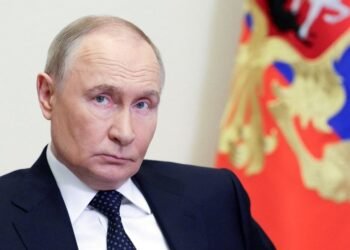 Putin Meets US Envoy Amid Key Ukraine Peace Talks
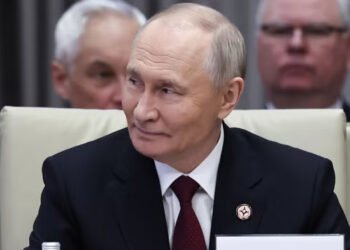 Kremlin Talks With US Yield No Ukraine Peace Breakthrough
 Justice Deferred, Not Denied: Government Orders Full Statutory Inquiry into Orgreave Clash Four Decades On
 UK Must Act with Courage and Clarity on Israel-Palestine Conflict, Says Foreign Affairs Committee Report
 Northern Ireland Family of Three Shot Dead in Maguiresbridge Home Incident
 Trump Threatens 100% Tariff on Nations Importing Russian Oil Amid India Standoff Over Ukraine War
 Radioactive Leak at UK’s Nuclear Warhead Base Sparks Outcry Over Safety and Secrecy
 Mutual Inconvenience: Why Alaska Was Chosen for the Trump-Putin Summit on Ukraine
 Hong Kong Summons UK and Australian Envoys Following Asylum Grants to Democracy Activists
 Is the UK Ready to Put Boots on the Ground in Ukraine? Assessing Military Capacity and Challenges
 Costa Blanca Holiday Horror as Food Poisoning Outbreak Hits Four-Star Hotel
 Conservative Influencer Charlie Kirk Fatally Shot During University Debate
 Channel Crossings Surge: Over 1,000 People Arrive in the UK in Small Boats in a Single Day
 Widow of Charlie Kirk Forgives Killer at Emotional Memorial Service
 Public Executions in Gaza City Captured on Video Amid Ongoing Conflict
 Macron Phones Trump Over Traffic Jam in New York
 UK Fighter Jet Purchase Could Breach Nuclear Treaty, Warns CND
 A Third of EU Citizens in UK Report Discrimination by Public Bodies Post-Brexit
 Arsenal Showcase Depth and Flexibility as Arteta Eyes Title Challenge
 Public Trust in SNP Hits Historic Low Amid NHS Concerns
 Johnson Suggests Mandelson Linked to China Spy Controversy
 Zelensky to Urge Missile Aid as Trump and Putin Plan Summit
 Rachel Reeves signals welfare reform ahead of key budget
 Ireland Votes as Two Women Compete for Presidency
 Experts Warn Russia’s Burevestnik Missile Could Destabilise Arms Control
 Johnson Approved China’s London ‘Super-Embassy’ in 2018
 Tragedy on Lizard Island: Cruise Passenger Dies
 Zarah Sultana Launches Party to Change Politics
 US Senate Passes Funding Bill to End Historic Shutdown
 Pressure Mounts on Starmer to Sack Chief of Staff Over Briefing Row
 Trump Deploys DHS to Charlotte in Major Arrest Operation
 Orban Says Ukraine Has ‘No Chance’ as EU Support Continues
 Israeli Strike Kills 13 Near Palestinian Camp in Lebanon
 Haiti Qualifies for World Cup Despite Coach Never Visiting Country
 Vietnam Battles Deadly Floods as Rains Continue
 Millions Face Higher Taxes Under Reeves New Budget
 Two National Guard Soldiers Critically Injured Near White House
 Sri Lanka Floods Leave 56 Dead, Dozens Missing
 Jordan Bardella: France’s Young Presidential Contender