Published: 26 September ‘2025. The English Chronicle Desk
Patricia Crowther, widely regarded as the UK’s oldest witch and one of the most influential figures in the modern revival of Wicca, has died at the age of 97. Her passing marks the end of an era for Britain’s pagan community, where she was celebrated as a high priestess, teacher, and author who dedicated her life to keeping the traditions of witchcraft alive in contemporary society.
Crowther devoted decades to promoting Wicca, a modern pagan religion developed by Gerald Gardner in the mid-20th century. Gardner, who opened a witchcraft museum on the Isle of Man in the 1940s, is credited with rescuing the practice from obscurity, and Crowther became one of his most devoted followers. Through her work, she sought to ensure that witchcraft would be not only preserved but also better understood in a country that had long associated it with fear and persecution.

In the 1970s, Patricia Crowther and her husband, Arnold Crowther, co-created A Spell of Witchcraft, a series broadcast on BBC Radio Sheffield. The programme is often remembered as a turning point in the public perception of witchcraft, helping to introduce modern Wiccan practices and beliefs to a much wider audience. The show combined historical insights, folklore, and discussions about the role of witchcraft in everyday community life, with glimpses into the rituals and activities of local covens.
Before becoming a leading figure in the occult world, Crowther had pursued a career in the entertainment industry. She worked as a dancer and theatre performer and was known for staging puppet and magic shows for children, a background that perhaps influenced the theatrical elements she later incorporated into her rituals and public outreach.
In an interview with The Guardian in the late 1990s, she recalled her husband’s involvement in “operation cone of power,” a ritual conducted in the New Forest during the Second World War. According to Crowther, witches gathered to raise energy to prevent Adolf Hitler’s invasion of Britain. “Hitler was expected on our shores at any time,” she said. “They did not throw white powder but worked in the New Forest, chanting: ‘You cannot cross the sea / Not able to come,’ repeated over and over and raising the power through the dance.” She added that historians had often speculated about the reasons for Hitler’s change of plans, but within the pagan community, the ritual remained part of its folklore.
Throughout her life, Crowther published several books on witchcraft, spirituality, and ritual practice, becoming a respected voice both in the UK and internationally. Her writing often blended historical research with personal insight, aiming to demystify the practice while preserving its sacred traditions.

Her death was first reported by the pagan news publisher The Wild Hunt, which paid tribute to her lasting impact on modern paganism. “As high priestess, author, and teacher, Patricia Crowther leaves a profound legacy,” the statement read. “Her work ensured that witchcraft remained vibrant, accessible, and present in modern times. Her memory will be a blessing to all who have been touched by her work in Wicca, and her spirit continues to live on in the covens and communities she inspired.”
For many, Crowther’s contribution to Wicca went beyond the practice itself; she was instrumental in reframing witchcraft as a legitimate spiritual path rather than a subject of fear or ridicule. To the generations she inspired, she leaves behind not only her writings and teachings but also a resilient spiritual movement that continues to grow worldwide.
Related News:
 Drag Queens Forced to Stop Reading ‘Dear Zoo’ to Children Amid Protests at Belfast Library
 Prince Charles Cinema Eyes Expansion to East London Amid Leicester Square Uncertainty
 Russell T Davies Warns of Declining UK Gay Rights Amid Rise of Reform UK and Trump Influence
 Millie Bobby Brown and Jake Bongiovi Begin Parenthood Through Adoption
 Labi Siffre Demands Tommy Robinson Stop Using Iconic Anti-Apartheid Anthem
 George and Amal Clooney Celebrate Global Human Rights Champions at Star-Studded Albies
 Jilly Cooper: The Bonkbuster Queen Who Redefined Romantic Fiction
 Celebrity Traitors First Look: A Star-Studded Highland Adventure That Hooks from the Start
 Academy Award-Winning Actress Diane Keaton Dies at 79
 British Airways suspends podcast sponsorship after controversial interview
 Prunella Scales: From Fawlty Towers Icon to Beloved Canal Explorer
 Hollywood Is an Industry of Looney Tunes Pretending to Be Normal
 Oprah enjoys Meghan’s jam on English muffins
 Amber Davies Shines on Strictly – Time to Drop the West End Debate
 Princess of Wales Hosts Festive Christmas Service at Abbey
 TikTok Star Jessie Yendle Mocked by KFC
 Chef Skye Gyngell, Slow Food Pioneer, Dies Aged 62
 The Ketamine Crisis in the UK is a Silent Epidemic Leaving Users with Lifelong Pain
 Wethersfield Controversy Deepens as Asylum Seeker Numbers Set to Surge by 50%
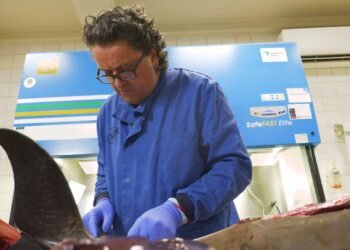 Unseen Killers of the Deep Inside the UK Lab Uncovering the Silent Deaths of Sea Creatures
 Prince Harry Cleared of Bullying Allegations Amid Charity Dispute Fallout
 My Husband Won’t Stop Playing with Lego and It’s Driving Me Nuts
 Heartbreak in the New Forest as Shetland Ponies Vanish, Community on Edge
 Alarming rise in abusive teen relationships in the UK sparks urgent warnings
 Terence Stamp, ’60s British Film Legend and Star of Superman, Dies at 87
 Human Remains Discovered in Lancashire May Be Those of Children, Police Say
 Why E-Bikes and E-Scooters Are Making Streets a ‘Nightmare’ for Blind People
 London to Regulate Pedicabs: Music Turned Down, Fares Set by the Minute
 UK Retail Sales Rise in August, but Tax Concerns Loom Over Festive Period
 Birmingham Bin Strike Enters Sixth Month as Negotiations Stall
 Over 40% of Private Renters Forced to Ration Energy to Afford Bills, Study Reveals
 One in Three GPs in England Do Not Work in NHS, Raising Concerns Over Access to Care
 Persistent Offenders Owe Over £700m in Ulez Fines as TfL Cracks Down on Evasion
 UK Doctors Guilty of Sexual Misconduct Continue Practising Amid Weak Sanctions, Research Finds
 Northern Ireland Faces Fears of Prolonged Race Riot “Permacrisis”
 Zarah Sultana Seeks Legal Action After Bitter Clash with Jeremy Corbyn Over Party Membership Funds
 Watchdog, Cornflakes and Courage: Remembering John Stapleton, a Broadcaster Who Did It All
 Scottish Teenager’s Petition on Single-Use Plastics Gains Parliamentary Support
 White Low-Income Pupils in England Show Lowest Levels of School Engagement, Study Finds
 Starmer Unveils Plan for NHS “Online Hospital” to Tackle Waiting Lists
 A Third of EU Citizens in UK Report Discrimination by Public Bodies Post-Brexit
 Marks & Spencer Staff to Work on Boxing Day for First Time in Five Years Amid Cost-Cutting Measures
 Beloved Actress Dame Patricia Routledge Dies Aged 96
 UK households brace for October benefit payments and rising energy costs amid cost-of-living pressures
 Strictly Celebs Starstruck as Cynthia Erivo Shines
 Women Challenge Meta Over Targeted Ads After Miscarriage
 £18 Prostate Cancer Test Could Save Thousands of Lives
 Pregnant Women in England Face Rising Risk of Severe Birth Injury
 One in 12 Secondary Pupils Sent to Isolation Weekly
 Fabio Wardley stuns Joseph Parker to earn Usyk title shot
 UK Health Leaders Push for Urgent Tobacco & Vape Bill
 Hospice Cuts Raise Alarm Across England Amid Funding Crisis
 UK Woman Loses Child Benefit After Booking Flight She Never Took
 Mass Stabbing on Doncaster to London Train Leaves Ten Injured
 Children to Learn Local History in Major Curriculum Overhaul
 The Lowry Hotel: Manchester’s Iconic Five-Star Retreat
 Prince William Plants Trees with Brazil’s Nature Heroes
 Top Christmas Books Reads: Classics to Cozy Romcoms
 Greta Thunberg Backs Student Facing UK Visa Revocation
 Pauline Collins, Beloved ‘Shirley Valentine’ Star, Dies at 85
 Jailed UK climate protesters face extremist-style restrictions
 How to get help when a child goes missing – call 999 urgently
 ‘Reckless’ cuts to victims’ services will cost more than they save
 VAR Must Rein Its Neck In to Save Football’s Spirit
 Politics latest: Starmer ‘will fight any leadership coup’ as Streeting denies attempt to oust Labour PM
 Pop Stars Call on UK Government to Cap Resale Prices for Fans
 Son Reveals UK Couple in Iran Resort to Hunger Strike for Help
 New weather warning issued with risk of flooding
 Mum Calls for New Licence Rules After Teen Road Death
 £1 Breakfast Club Brings Parents Together in Sheffield
 Mother Watches in Horror as Teen Daughter Dies on Tracks
 ‘Traumatic Wait’: Northern Ireland Women Face Breast Cancer Delays
 Commuters warned as yellow snow and ice alert hits Northern Ireland
 Coffins Now Too Large to Cremate Amid Rising Obesity Crisis
 Labour MP claims devolution bill is ‘blatant discrimination’ against Cornwall
 Fibromyalgia Patients Struggle as NHS Fails to Provide Care
 Search underway for British man overboard off Tenerife
 “Enough is Enough”: Local MP Vows to Fight Rainham Quarry Plans
 Virgin Media Fined £23.8m Over Telecare Safety Failures
 Pavarotti statue frozen in Italian ice rink sparks backlash