Published: 07 October 2025. The English Chronicle Desk.
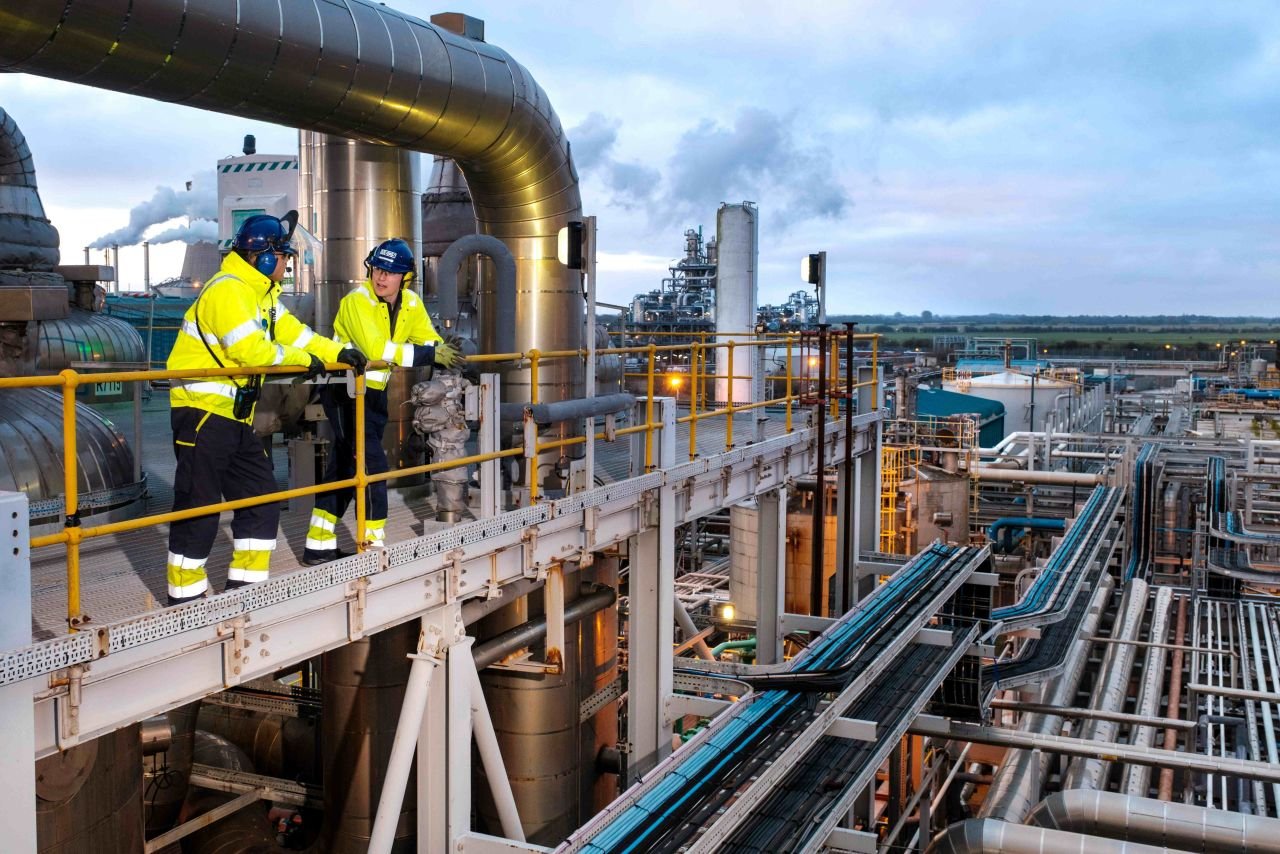
Ineos, the multinational chemicals company controlled by billionaire Sir Jim Ratcliffe, has announced that it will cut a fifth of its workforce at its East Yorkshire plant, citing “sky-high” energy costs and an influx of “dirt-cheap” imports from China. The job reductions, which will see 60 roles eliminated at the Ineos Acetyls site in Hull, have raised concerns about the sustainability of Britain’s chemicals sector and the wider implications for industrial employment across the country.
The Hull facility, which produces petrochemical products including acetic acid, is considered one of the most technologically advanced sites in the UK. Despite the plant’s efficiency and high level of investment, Ineos said that external market pressures and regulatory disadvantages left it with no viable alternative but to reduce staffing levels. More broadly, the company has warned that similar cuts could be replicated across the UK chemicals sector unless government intervention is forthcoming.

David Brooks, chief executive of Ineos Acetyls, emphasised the difficulty of the decision. “This is a very difficult time for everyone at the Hull facility. We have a leading-edge, efficient and well-invested site, and the team here is highly skilled, professional, and dedicated. Making the decision to cut 60 roles was not taken lightly,” Brooks said. He continued, highlighting the combination of factors affecting the industry: “In the face of sustained pressure from energy costs, combined with unfairly low-cost imports into the UK and Europe, we’ve been left with no other choice.”
The company has particularly criticised the market for being flooded with Chinese imports produced using carbon-intensive methods, often at prices that undercut British production. Ineos argued that many Chinese competitor products, manufactured using coal-heavy processes, emit up to eight times more carbon dioxide than products made at UK sites. According to the company, this imbalance not only undermines British competitiveness but also raises questions about global carbon standards and environmental responsibility.
Ineos has called on the UK government and the European Commission to impose border levies or tariffs on carbon-heavy imports, arguing that such measures are necessary to protect domestic industry. The company warned that without these interventions, “more sites will close and thousands more jobs will be lost” across the chemicals sector. The Hull announcement follows the company’s earlier closure of its Grangemouth plant in Scotland in June, which resulted in the loss of 400 jobs and marked the shuttering of Britain’s oldest oil refinery.
The current job cuts in Hull are compounded by Ineos’s wider European struggles. Just a day prior, the company shut two plants in Rheinberg, Germany, eliminating 175 positions. Stephen Dossett, chief executive of Ineos Inovyn, described the situation as indicative of broader structural challenges facing European industry. “Europe is committing industrial suicide,” Dossett said. “While competitors in the US and China benefit from cheap energy, European producers are being priced out by our own policies and absence of tariff protection.”
Ineos’s remarks highlight the complex interplay of global energy markets, trade policies, and environmental regulations. British and European manufacturers face significantly higher energy costs than counterparts in the US and Asia, in part due to energy transition policies, carbon pricing mechanisms, and infrastructure limitations. These structural factors have made European chemical production comparatively expensive, giving international competitors a price advantage that Ineos contends is unsustainable.
The company’s warnings about the environmental and economic impact of Chinese imports also underscore the ongoing debate over “carbon leakage,” where industries relocate production to countries with lower environmental standards, ultimately leading to higher global emissions. Ineos has argued that domestic sites, despite producing in line with strict environmental regulations, are penalised by international competition that does not adhere to the same carbon limits.
Trade analysts note that the challenges faced by Ineos are reflective of a wider European industrial crisis. European chemical manufacturers, many of which rely on energy-intensive processes, are navigating unprecedented costs due to rising electricity and gas prices. Combined with aggressive pricing by overseas producers, many firms have been forced to rationalise operations, consider closures, or relocate production to regions with more favourable economic conditions.
Local unions and political representatives in Hull have expressed concern over the job losses, emphasising the human impact of the decisions. Hull’s economy has historically been shaped by industrial employment, and Ineos Acetyls is considered a cornerstone of the local labour market. Reductions in staffing not only affect the employees directly impacted but also ripple through the community via supply chains, service industries, and family households dependent on stable incomes.
Some economists have warned that the situation could set a precedent for other industrial sectors in the UK, particularly those reliant on energy-intensive production processes such as steel, cement, and aluminium. Without protective measures, including tariffs or subsidies to offset energy costs, these industries may face similar pressures, potentially accelerating job losses and reducing domestic manufacturing capacity.
Ineos has attempted to emphasise that its Hull site remains competitive and technologically advanced. The company has invested heavily in modernising production facilities, increasing efficiency, and implementing sustainable practices. Despite these efforts, global market forces and uneven trade regulations have created a scenario where even highly efficient operations cannot remain viable without governmental support.
The UK government has been under pressure to address the concerns raised by Ineos and other manufacturers regarding energy prices and international competition. Industry representatives argue that failing to implement tariffs or other protective measures risks further erosion of domestic manufacturing and threatens the UK’s ability to maintain a strong industrial base. Government officials have acknowledged the challenges but have indicated that any policy interventions must balance competitiveness with adherence to international trade commitments and climate change obligations.
Environmental campaigners, meanwhile, have emphasised the need to consider sustainability alongside industrial competitiveness. While acknowledging the impact of high energy costs on UK producers, they have cautioned against measures that might encourage increased fossil fuel use or carbon-intensive production overseas. The debate illustrates the tension between protecting domestic jobs and ensuring alignment with environmental targets.
Ineos’s announcement has also reignited broader discussions about the UK’s energy policy. Critics argue that long-term energy security and cost reduction must be prioritised if the country wishes to maintain its industrial base. Supporters of the government’s policies, however, highlight the importance of transitioning to greener energy and reducing reliance on fossil fuels, even if it entails short-term challenges for energy-intensive sectors.

The company has stated that it will continue to engage with government officials, trade associations, and European regulators to seek solutions that maintain both competitiveness and compliance with environmental standards. Ineos executives have also indicated that the company is exploring strategic adjustments in production, supply chain management, and export strategies to mitigate the impact of low-cost imports and high operational costs.
In summary, Ineos’s announcement of job cuts at its Hull plant reflects a convergence of global trade dynamics, domestic energy policy, and industrial competitiveness challenges. With 60 roles immediately affected, and potential for further reductions in the wider UK chemicals sector, the situation underscores the vulnerability of energy-intensive industries in Europe. The company’s call for protective tariffs and government intervention signals an urgent need for policymakers to reconcile economic, social, and environmental priorities in order to safeguard Britain’s industrial future.
The repercussions of these decisions extend beyond the immediate workforce, touching communities, supply chains, and regional economies, highlighting the delicate balance between industrial viability, environmental responsibility, and employment security. As Ineos navigates these pressures, the broader debate about the sustainability of Europe’s chemical industry and the role of government in supporting strategic sectors is likely to intensify in the months ahead.
Related News:
 How to Exit Your Broadband Contract Without Paying Exit Fees
 HSBC Chief Warns Bank Tax Hike Could Undermine UK Growth Prospects
 Heathrow Unveils £21 Billion Third Runway Plan to Boost UK Connectivity Amid Environmental Concerns
 UK House Prices Rebound in July as Market Recovers Following June Dip
 Supreme Court Ruling on Car Finance Scandal Poised to Impact Millions of Motorists and Banks
 ICG Set to Acquire Three Major UK Regional Airports in Landmark £200 Million Deal
 Stunning Welsh Island with Historic Fort and Modern Luxuries Hits Market for £3 Million
 UK Jobs Market Faces Strain as Employers Cut Bonuses and Hiring Amid Economic Slowdown
 David Lammy Faces Possible Legal Challenge Over Foreign Office Secondment Scheme
 Wage Rises Slow as Retail and Hospitality Jobs Continue to Fall
 Grant Shapps Cleared to Join Defence Startup Despite Ethical Concerns
 Chancellor Rachel Reeves Pushes for Sweeping Changes to Environmental Protections to Accelerate Development
 Inflation Latest: Cost of Living Expected to Rise Again in Key Figures Released Today
 Ed Davey Urges Government to Block Elon Musk’s Tesla from Supplying UK Home Energy
 Rachel Reeves to Deliver Autumn Budget on 26 November Amid Economic Challenges
 UK Court Freezes £150m of Assets Belonging to Owner of Collapsed Prax Lindsey Refinery
 Retail Sales See Uptick Amid Errors and Delays as ONS Faces Scrutiny
 UK House Prices Hit Record £299,331 as Market Shows Steady Growth
Shein UK Faces Allegations of Shifting Majority of Profits to Singapore to Reduce UK Tax
UK House Prices Hit Record £299,331 as Market Shows Steady Growth
Shein UK Faces Allegations of Shifting Majority of Profits to Singapore to Reduce UK Tax
 UK Mobile Retailers Lock Doors Amid Surge in Organised Phone Thefts
 Londoners Buying Lowest Share of Property Outside Capital Since 2013
 UK Retail Sales Rise in August, but Tax Concerns Loom Over Festive Period
 UK Economy Flatlines in July, Raising Pressure on Rachel Reeves Ahead of Autumn Budget
 Starmer Urged to Champion Workers’ Rights Amid Low Public Awareness
 UK Could Generate Nearly £2bn Annually by Taxing SUVs, New Study Reveals
 Rachel Reeves Hosts Top UK and US Financial Executives as Trump’s State Visit Begins
 Jaguar Land Rover Extends Production Halt Following Cyber-Attack
 UK Labour Market Shows Signs of Cooling as Wage Growth Slows and Redundancies Rise
 UK Wage Growth Remains High, But Cost of Living Pressures Bite
 Next Shares Slide Amid Warning on Weak UK Growth and Jobs
 British AI Startup Outshines Human Forecasters in Global Prediction Contest
 Dagenham Left in Limbo After Smithfield and Billingsgate Market Relocation Cancelled
 King Charles Earns Over £1 Million from Duchy Land Linked to Scrapped HS2 Project
 Vodafone Franchisees Sound Alarm: Mental Health Toll of Commission Cuts Revealed Years Before £120m Court Battle
 Great Britain’s Energy Operator Commits to Strengthening Grid to Prevent Blackouts
 UK Government Backs Return of International Rail Travel to Kent Stations
 AstraZeneca to List on New York Stock Exchange While Retaining London Ties
 Retailers Warn Tax Rises Could Prolong Inflation as Shop Prices Climb
 Royal Mail Owner Acquires Stake in Collect+ and Launches High Street Rebrand
 Marks & Spencer Staff to Work on Boxing Day for First Time in Five Years Amid Cost-Cutting Measures
UK Housing Market Returns to Growth Amid Signs of Stability and Regional Variation
Marks & Spencer Staff to Work on Boxing Day for First Time in Five Years Amid Cost-Cutting Measures
UK Housing Market Returns to Growth Amid Signs of Stability and Regional Variation
 Senior Tories Condemn Badenoch’s Vow to Repeal Climate Change Act as Catastrophic
 Wetherspoon vows to keep prices low amid soaring energy and tax costs
 Millions of households in England face looming water bill hikes amid regulatory scrutiny
 He-Man Set for Big Comeback as UK Toy Industry Rides ‘Newstalgia’ Wave
 Delivery Apps Could Double the Cost of Your Groceries, Warns Consumer Watchdog
 Gold Hits Historic $4,000 Amid Global Uncertainty
 NHS May Pay 25% More for Medicines Amid US Drug Talks
 New EU Border System Could Cause 4-Hour Delays
 Massive Vodafone Outage Disrupts Internet and Mobile Services Across the UK
 UK Vets May Be Forced to Publish Prices After CMA Probe
 Royal Mail Fined £21m for Delivery Failures
 Parents spending £5,000 on special school assessments in England
 China warns UK over delayed London mega embassy decision
 Pizza Hut to shut 68 sites after collapsing into administration
 Lucy Powell urged ministers to reconsider costly legal case for Labour donor’s firm
 Miliband Promises New Nuclear Stations if SNP Ousted
 Lotto result jackpot draw halted due to technical glitch
 Rachel Reeves to lead UK trade push in Saudi Arabia amid rights debate
 UK Small Business Owner to Challenge L’Oréal in Tribunal
 150-Year-Old Arctic Beer to Be Reborn in Scotland
 Court Hears Challenge Over Water Bills Funding Sewage Fixes
 ABF May Split Primark from Food Division Amid Tough Market
 Rachel Reeves Set to Break Labour Pledge and Raise Income Tax
 UPS Cargo Plane Crash in Kentucky Kills Seven
 Tony Blair think tank warns Rachel Reeves must cut taxes if manifesto broken
 Oprah enjoys Meghan’s jam on English muffins
 MPs Press Rachel Reeves to Hike Gambling Taxes
 North Sea oil workers must lose weight or face job loss
 Warning as Britons prepare to spend £4 billion this Black Friday
 Borough Market Clash Sparks Influencer Backlash
 UK toy market enjoys bumper year as ‘kidults’ fuel demand
 Global markets drop amid tech sell-off and China slowdown
 PM Highlights UK Business at G20 in South Africa
 Mossmorran Plant Closure Hits Cowdenbeath Hard
 UK Taskforce Unveils Plan to Streamline Nuclear Reactor Rules
 Steel billionaire Lakshmi Mittal reportedly leaves UK
 English Mayors Set to Introduce Tourist Taxes
 Virgin Media Fined £23.8m Over Telecare Safety Failures
 Rising Water Bills Lift Troubled Thames Back to Profit