Published: 07 November 2025. The English Chronicle Desk. The English Chronicle Online.
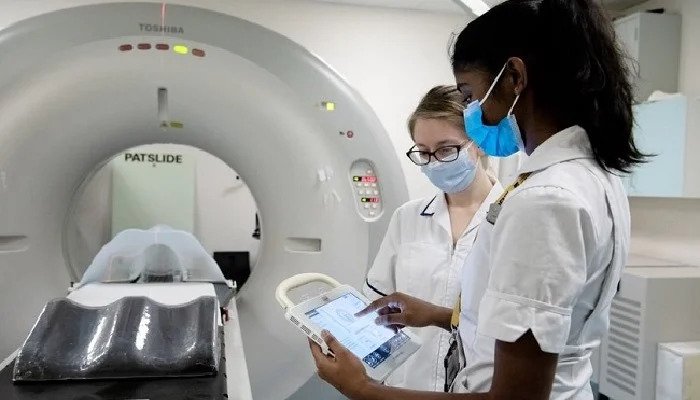
Leading international health experts have called for a legal guarantee that cancer patients in the UK receive treatment within two months of an urgent GP referral — even if this means the NHS must fund care privately or abroad. The proposal, outlined in The Lancet Oncology, seeks to transform the way cancer care is delivered in Britain by giving patients enforceable rights similar to those already established in Denmark.
The call comes amid growing concern over the NHS’s prolonged failure to meet its own cancer treatment targets. Since December 2015, the health service has missed its goal of ensuring that 85% of cancer patients begin treatment within 62 days of referral. Experts warn that continued delays are costing lives and deepening inequalities across the system.

According to the research cited in the paper, every four weeks of delay in starting cancer treatment increases the risk of death by up to 10%. Despite numerous government pledges to improve cancer care, the UK still ranks near the bottom of international survival league tables. The authors of the report argue that the absence of a legal right to timely care leaves patients vulnerable and the system unaccountable.
They propose that the government’s forthcoming national cancer plan should not simply outline broad goals or aspirational targets but must enshrine legally enforceable entitlements. Without such rights, they argue, the plan risks being a “paper exercise” that offers little real progress. “The concern is that the [cancer plan] will be a consensus plan to appease multiple stakeholders, rather than to provide radical, accountable, independent leadership,” the paper concludes.
Eduardo Pisani, chief executive of the international nonprofit All.Can and one of the paper’s co-authors, said that creating statutory rights would deliver transformative results. “International evidence shows that strong cancer plans, supported by legal rights, ensure patients have guaranteed access to timely, high-quality care,” he explained. “This protection promotes early treatment, reduces inequalities and ultimately improves health outcomes.”
The model for such a system already exists in Denmark, where since 1999 patients have been entitled by law to start cancer treatment within 28 days of referral and within 14 days of consenting to a treatment plan. Denmark’s five-year survival rates for several major cancers rank among the best in Europe, and waiting lists are minimal — outcomes that UK campaigners now want to replicate.
Mark Lawler, professor of digital health at Queen’s University Belfast and chair of the International Cancer Benchmarking Partnership, said the UK must adopt a similarly bold approach. As a joint lead author of the paper, he explained that a legal framework would compel hospitals to act quickly. “If UK cancer patients cannot be treated at their own hospital within 62 days, the NHS would have to pay to treat them at another NHS hospital, privately, or even in another country,” he said. “This fundamental contract between patients and the NHS must be explicit, with patients able to seek legal redress for any breaches.”
The authors also call for patients to have additional legal entitlements, including the right to a designated cancer professional to oversee their care from diagnosis through recovery. This would ensure continuity and accountability in treatment plans, reducing the confusion and distress many patients experience when navigating the system.
Another proposed reform involves adopting the “right to be forgotten” law already in place in nine European countries. This provision would allow cancer survivors to move on from their diagnosis without fear of discrimination. Five years after successful treatment, patients would no longer be required to disclose their medical history to insurers, mortgage lenders, or employers. Such legal protection would prevent survivors from facing higher premiums or financial barriers because of their past illness.
Cary Adams, chief executive of the Union for International Cancer Control, emphasised the global importance of legally guaranteed cancer rights. “Cancer plans recognising the rights of all people living with cancer to receive the treatment they need when they need it are essential in every country,” he said. “Time and time again, we see governments struggle to respond to cancer in their country without a robust, well-funded plan, resulting in the unnecessary loss of people’s lives and trauma to their families.”
The Department of Health and Social Care (DHSC) has responded to the recommendations, reaffirming the government’s commitment to reforming cancer services. A spokesperson said: “This government is committed to transforming cancer care following years of neglect. We are determined to ensure patients get timely diagnoses – that is why we have introduced Jess’s rule, requiring GPs to reconsider cases where symptoms escalate or no diagnosis emerges after three appointments.”

The DHSC also highlighted ongoing investment in diagnostic capacity and technology. “We are cutting waiting times for cancer care by diagnosing or ruling out 135,000 more cancer cases this year,” the spokesperson added. “We are building more community diagnostic centres, offering evening and weekend appointments, and investing £70m in new radiotherapy machines to get patients faster access to the tests, checks and scans they require.”
While campaigners have welcomed the government’s stated commitments, they caution that without legal guarantees, improvements may remain inconsistent and dependent on regional capacity. The experts behind the Lancet paper argue that only by granting patients statutory rights — enforceable through the courts — can the NHS achieve the consistency, fairness, and speed that modern cancer care demands.
Their message is clear: the time for voluntary targets and unfulfilled promises is over. If the UK wants to close the gap with Europe’s best-performing health systems, it must ensure that every patient has the right to timely, high-quality treatment — not as a privilege, but as a matter of law.
Related News:
 North Sea oil workers must lose weight or face job loss
 No link found between paracetamol in pregnancy and autism
 Coffins Now Too Large to Cremate Amid Rising Obesity Crisis
 Breakthrough Clinical Trial Lets 12-Year-Old Boy with Rare Skin Disorder Play Football
 Expanded Access to Health Diagnostics in England Now Available Beyond Standard Hours
 Shocking Rise in Children’s Exposure to Violent Online Pornography Raises Alarm
 Majority of UK Men Would Opt for Prostate Cancer Screening, Survey Finds
 UK Woman Becomes Longest Survivor of Heart-Lung Transplant
 Mother dies after black market weight loss injection
 Young Woman Missed 13 Times by GPs Before Bowel Cancer Diagnosis
 Hospice Cuts Raise Alarm Across England Amid Funding Crisis
 How Bringing Forests Into Preschools Boosts Children’s Health
 Critically Endangered Spider Rediscovered in UK After 40 Years
 Experts Warn on Home Birth Risks, Call for Skilled Midwives
 Patients to Test Health at Home to Ease NHS Winter Pressure
 NHS Takes Over Nuffield Hospital in ‘Windfall’ for London Care
 Crisis charity to become landlord amid UK housing emergency
 NHS frontline staff forced to cover gaps as managers remain scarce
 UK Disability Pay Gap Means Millions Work for Free From Today
 Shouting Works Best to Deter Gulls, UK Study Finds
 Reeves rejects £1bn plea for NHS redundancy payouts
 NHS trust fined after woman takes life in mental health unit
 Leading doctors issue warning amid ‘bad’ flu season
 New Research Explains Severe Diabetes in Children
Working-Class Men with Prostate Cancer Left Behind by NHS
New Research Explains Severe Diabetes in Children
Working-Class Men with Prostate Cancer Left Behind by NHS
 New Campaign Trains Vets to Spot Farmers’ Health Risks
 ‘Traumatic Wait’: Northern Ireland Women Face Breast Cancer Delays
 Healthy Habits in Your 30s That Boost Life in Your 70s
 Thinktank Urges Smaller Hospitals to End NHS ‘Permacrisis’
 David Cameron Reveals Prostate Cancer Diagnosis, Advocates Screening
 NHS paediatric leave parents waiting months for answers
 Five-Year-Old Dies After Rare Tonsil Surgery Complication
 Fibromyalgia Patients Struggle as NHS Fails to Provide Care
 More Patients Now Contacting GPs Online, Data Shows
 The Ketamine Crisis in the UK is a Silent Epidemic Leaving Users with Lifelong Pain
 Alarming rise in abusive teen relationships in the UK sparks urgent warnings
 Why E-Bikes and E-Scooters Are Making Streets a ‘Nightmare’ for Blind People
 One in Three GPs in England Do Not Work in NHS, Raising Concerns Over Access to Care
 Persistent Offenders Owe Over £700m in Ulez Fines as TfL Cracks Down on Evasion
 UK Doctors Guilty of Sexual Misconduct Continue Practising Amid Weak Sanctions, Research Finds
 Starmer Unveils Plan for NHS “Online Hospital” to Tackle Waiting Lists
 Women Challenge Meta Over Targeted Ads After Miscarriage
£18 Prostate Cancer Test Could Save Thousands of Lives
Women Challenge Meta Over Targeted Ads After Miscarriage
£18 Prostate Cancer Test Could Save Thousands of Lives
 One in 12 Secondary Pupils Sent to Isolation Weekly
 M&S and Morrisons Lead Christmas Supermarket Taste Test
 UK Health Leaders Push for Urgent Tobacco & Vape Bill
 Peterborough Mosques Tighten Security After Attack
 UK Woman Loses Child Benefit After Booking Flight She Never Took
 Celebrities and Charities Demand UK Government Act on Child Poverty
 Children to Learn Local History in Major Curriculum Overhaul
 The Lowry Hotel: Manchester’s Iconic Five-Star Retreat
 UK Bans Fake Numbers: Scammers Lose Their Trick
 Prince William Plants Trees with Brazil’s Nature Heroes
 Greta Thunberg Backs Student Facing UK Visa Revocation
 Kent village told to remove flags before Christmas lights go up
 London’s Childlessness Crisis: Schools Closing as Families Shrink
 Newcastle United Lifts Ban on Fan Over Gender-Critical Views
 Jailed UK climate protesters face extremist-style restrictions
 How to get help when a child goes missing – call 999 urgently
 ‘Reckless’ cuts to victims’ services will cost more than they save
 Government urges schools to ban phones to curb classroom disruption
 Seven Conditions That Automatically Qualify You for a Free Bus Pass
 UK toy market enjoys bumper year as ‘kidults’ fuel demand
 Politics latest: Starmer ‘will fight any leadership coup’ as Streeting denies attempt to oust Labour PM
 Son Reveals UK Couple in Iran Resort to Hunger Strike for Help
 UK Asylum Overhaul Sparks Debate Over Human Rights and Deportations
 Mum Calls for New Licence Rules After Teen Road Death
 From Baby Teeth to Bioengineering: The Future of Self-Healing Teeth
 Mother Watches in Horror as Teen Daughter Dies on Tracks
 UK launches major AI drive to fight deadly superbugs
 Commuters warned as yellow snow and ice alert hits Northern Ireland
 Woman Meets Boy Whose Life She Saved with Kidney
 Kate Forbes: Motherhood Harder Than Politics
 Labour MP claims devolution bill is ‘blatant discrimination’ against Cornwall
 Vicki Fears Losing Motability Car
 Delhi’s Toxic Air Crisis Leaves Children Sick and Vulnerable
 Machynlleth High Street Left Without Christmas Lights
 Search underway for British man overboard off Tenerife
 “Enough is Enough”: Local MP Vows to Fight Rainham Quarry Plans
 Virgin Media Fined £23.8m Over Telecare Safety Failures