Published: 17 November 2025 Monday
The English Chronicle Desk
The English Chronicle Online
In a groundbreaking new initiative described as the first of its kind in the United Kingdom, veterinary professionals are being trained to support human health by encouraging conversations about medical concerns with farmers on their daily rounds. Designed specifically to address the alarmingly late diagnoses common among farming communities, the “Nip It In The Bud” campaign aims to harness the trust farmers place in vets to help shift attitudes around seeking timely medical advice.
The project, launched through a partnership between the Farming Community Network (FCN) and Macmillan Cancer Support, reflects a growing worry among healthcare providers that many farmers delay seeking medical care until their symptoms have advanced to dangerous stages. With long working hours, emotional resilience born from isolation, and a culture of prioritising livestock and land, many farmers fail to notice — or choose to ignore — the early warning signs of serious illness.

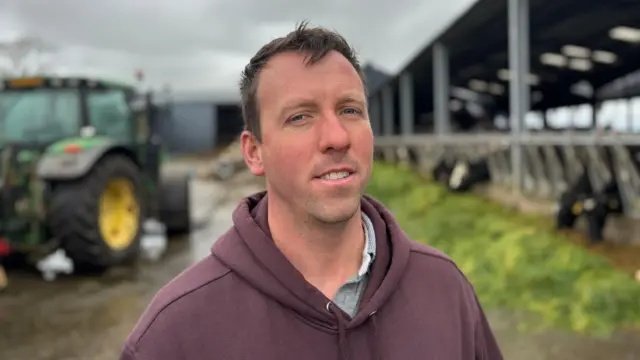
For dairy farmer Barry O’Boyle, from County Antrim, the initiative resonates deeply. His father died shortly after a late cancer diagnosis, and while he acknowledges the illness was aggressive, he wonders whether earlier intervention may have helped even slightly. He also sees clearly how other farmers behave when it comes to health, noting that many simply “don’t want to take up doctors’ time.”
According to O’Boyle, farmers often dismiss their own symptoms as unimportant and may even view medical appointments as impractical or burdensome. “We’re happier to talk about our animals’ health than our own,” he said, highlighting a mentality the campaign seeks to change. He hopes the initiative will empower those in the farming community to take their health more seriously before it is too late.
Veterinary surgeon Dr Melanie Spahn-Holmes, who has worked in the profession for nearly 25 years, agrees that vets occupy a unique space in the lives of farming families. She often finds herself being asked questions about aches, pains, or unexplained symptoms — not because farmers believe she can offer medical diagnoses, but because she is someone they trust and see regularly. “Vets often become part of the family,” she says, explaining that health conversations arise naturally during farm visits. Although she always reminds farmers that she is not a doctor, she believes that simply directing someone to medical help at the right moment could prove life-saving.
Healthcare professionals, including radiographers and consultants, increasingly express concerns about the late stage at which farmers present with symptoms. Katrina Crawford, a radiographer who works with the Farming Community Network, explained that although formal data is still being compiled, the anecdotal evidence is overwhelming. She has seen patients delay essential treatments — even radiotherapy — because they cannot step away from the farm during critical periods, such as lambing season. “For farming patients, their number one priority is their farm,” she said, adding that the pressures and realities of rural life present unique health challenges.

The FCN’s long-term goal is to normalise early health checks among farmers by embedding awareness within their everyday routines. Gathering early diagnosis statistics only underscores the urgency. For example, the five-year survival rate for bowel cancer is around 90% when detected at stage one, but this falls drastically to only 10% if the disease is identified at stage four. Such stark contrasts demonstrate how devastating the impacts of delay can be and are being emphasised at the heart of the new campaign.
Sarah Christie, nation lead at Macmillan Cancer Support, believes traditional forms of health communication have simply not reached the farming community effectively. Posters, leaflets, and public health messages often fail to resonate with farmers who are time-poor, heavily occupied, and less likely to engage with general health campaigns. “Will it land? Will farmers actually have time to engage with it?” she asked. Bringing vets into the process, she says, brings a trusted and familiar voice into the conversation — someone who understands farm life intimately and can break through barriers of reluctance or self-neglect.

The initiative has also earned strong political support. In a video message shared at the Association of Veterinary Surgeons of Northern Ireland conference in Enniskillen, Health Minister Mike Nesbitt praised the campaign as a vital innovation with the potential to “save lives.” He pointed out that too many cancers in rural areas are identified only when they have reached advanced stages, reducing the chances of successful treatment. The minister emphasised that the programme is not solely about sharing information but about fostering relationships built on “empathy, trust, and support” — essential elements when addressing deeply ingrained habits in rural communities.
As part of the programme, vets will incorporate human health awareness into their mandatory 35 hours of annual continuing education. This will include training in how to initiate and manage health-related conversations, ways to recognise when farmers should be encouraged to seek medical advice, and the distribution of educational materials designed to promote earlier diagnosis. While vets will not be diagnosing farmers or providing treatment, they will play a key role in directing individuals to the proper medical channels and reinforcing the message that seeking help is not a burden but a necessity.
Ultimately, the initiative recognises that farming communities operate in environments with their own rhythms, pressures, and priorities. By working with the people who already hold trusted relationships in those environments, campaign organisers hope to shift deep-rooted behaviours and improve survival outcomes for conditions like cancer that rely so heavily on early intervention. The project marks an innovative step forward in bridging the healthcare gap for rural populations, and campaign leaders believe it could shape future public health strategies nationwide.
Related News:
 Mother dies after black market weight loss injection
 Young Woman Missed 13 Times by GPs Before Bowel Cancer Diagnosis
 Hospice Cuts Raise Alarm Across England Amid Funding Crisis
 Experts Warn on Home Birth Risks, Call for Skilled Midwives
 Experts Urge Legal Right to Timely Cancer Care
 NHS Takes Over Nuffield Hospital in ‘Windfall’ for London Care
 North Sea oil workers must lose weight or face job loss
 Crisis charity to become landlord amid UK housing emergency
 No link found between paracetamol in pregnancy and autism
 UK Disability Pay Gap Means Millions Work for Free From Today
 Shouting Works Best to Deter Gulls, UK Study Finds
 Reeves rejects £1bn plea for NHS redundancy payouts
 NHS trust fined after woman takes life in mental health unit
 Leading doctors issue warning amid ‘bad’ flu season
 ‘Traumatic Wait’: Northern Ireland Women Face Breast Cancer Delays
 Coffins Now Too Large to Cremate Amid Rising Obesity Crisis
 David Cameron Reveals Prostate Cancer Diagnosis, Advocates Screening
 Five-Year-Old Dies After Rare Tonsil Surgery Complication
 Fibromyalgia Patients Struggle as NHS Fails to Provide Care
 More Patients Now Contacting GPs Online, Data Shows
 The Ketamine Crisis in the UK is a Silent Epidemic Leaving Users with Lifelong Pain
 Woman Warned She Might Need Leg Amputation to Survive After Liquid Brazilian Butt Lift
 Alarming rise in abusive teen relationships in the UK sparks urgent warnings
 Inquest Finds Agency Worker Failings Led to Unlawful Death of Vulnerable 14-Year-Old
 Shocking Rise in Children’s Exposure to Violent Online Pornography Raises Alarm
 Why E-Bikes and E-Scooters Are Making Streets a ‘Nightmare’ for Blind People
 Norfolk Hospital Ranked Worst in England as NHS League Tables Return
 More Than Half of UK Births Now Involve Medical Intervention
 One in Three GPs in England Do Not Work in NHS, Raising Concerns Over Access to Care
 UK Doctors Guilty of Sexual Misconduct Continue Practising Amid Weak Sanctions, Research Finds
 Heavy Drinkers Lead Growth in Non-Alcoholic and Low-Alcohol Market
 Starmer Unveils Plan for NHS “Online Hospital” to Tackle Waiting Lists
 Majority of UK Men Would Opt for Prostate Cancer Screening, Survey Finds
 Ambulance Worker Fired After Flinging Amputee from Wheelchair and Offering Bribe
 Women Challenge Meta Over Targeted Ads After Miscarriage
 Mum’s Final Wish: Donating Her Body to Science
 UK Woman Becomes Longest Survivor of Heart-Lung Transplant
£18 Prostate Cancer Test Could Save Thousands of Lives
Pregnant Women in England Face Rising Risk of Severe Birth Injury
UK Woman Becomes Longest Survivor of Heart-Lung Transplant
£18 Prostate Cancer Test Could Save Thousands of Lives
Pregnant Women in England Face Rising Risk of Severe Birth Injury
 One in 12 Secondary Pupils Sent to Isolation Weekly
 M&S and Morrisons Lead Christmas Supermarket Taste Test
 UK Health Leaders Push for Urgent Tobacco & Vape Bill
 Peterborough Mosques Tighten Security After Attack
 UK Woman Loses Child Benefit After Booking Flight She Never Took
 Celebrities and Charities Demand UK Government Act on Child Poverty
 UK launches search for first-ever ‘town of culture’ to highlight overlooked areas
 Children to Learn Local History in Major Curriculum Overhaul
 The Lowry Hotel: Manchester’s Iconic Five-Star Retreat
 Prince William Plants Trees with Brazil’s Nature Heroes
 Greta Thunberg Backs Student Facing UK Visa Revocation
 Kent village told to remove flags before Christmas lights go up
 Patients to Test Health at Home to Ease NHS Winter Pressure
 London’s Childlessness Crisis: Schools Closing as Families Shrink
 Newcastle United Lifts Ban on Fan Over Gender-Critical Views
 Jailed UK climate protesters face extremist-style restrictions
 How to get help when a child goes missing – call 999 urgently
 ‘Reckless’ cuts to victims’ services will cost more than they save
 Seven Conditions That Automatically Qualify You for a Free Bus Pass
 UK toy market enjoys bumper year as ‘kidults’ fuel demand
 Politics latest: Starmer ‘will fight any leadership coup’ as Streeting denies attempt to oust Labour PM
 PM Condemns Leaks, Vows Loyalty to Ministers and Stability
 Son Reveals UK Couple in Iran Resort to Hunger Strike for Help
 Working-Class Men with Prostate Cancer Left Behind by NHS
 Senator John Fetterman Hospitalized After Fall from Heart Flare-Up, Keeps Sense of Humor
 Mum Calls for New Licence Rules After Teen Road Death
 Mother Watches in Horror as Teen Daughter Dies on Tracks
 Commuters warned as yellow snow and ice alert hits Northern Ireland
 Healthy Habits in Your 30s That Boost Life in Your 70s
 Woman Meets Boy Whose Life She Saved with Kidney
 Kate Forbes: Motherhood Harder Than Politics
 Welsh Government Christmas 2020 Lockdown Criticised
 NHS paediatric leave parents waiting months for answers
 Labour MP claims devolution bill is ‘blatant discrimination’ against Cornwall
 Vicki Fears Losing Motability Car
 Planned Palestinian Flag Raising at Belfast City Hall Faces Delay Amid Legal Concerns
 Delhi’s Toxic Air Crisis Leaves Children Sick and Vulnerable
 Machynlleth High Street Left Without Christmas Lights
 Search underway for British man overboard off Tenerife
 “Enough is Enough”: Local MP Vows to Fight Rainham Quarry Plans
 Virgin Media Fined £23.8m Over Telecare Safety Failures