Published: 18 November 2025 Tuesday. The English Chronicle Desk. The English Chronicle Online
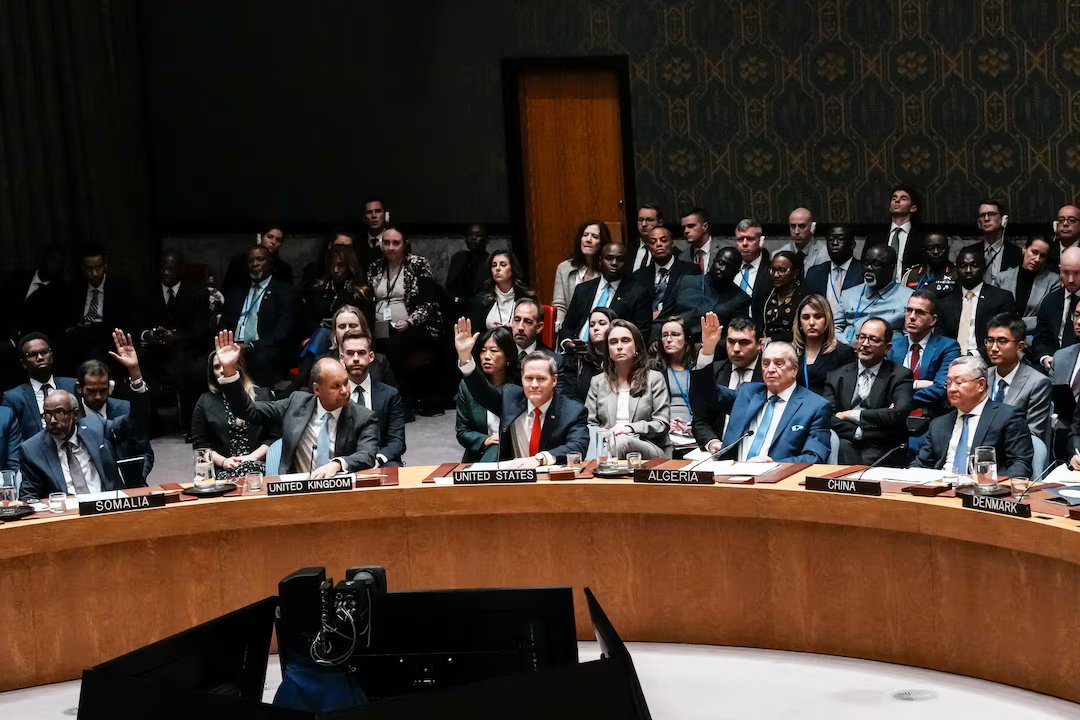
The UN Security Council has voted in favour of a US-drafted resolution endorsing former President Donald Trump’s 20-point plan for Gaza. The resolution, backed by 13 countries including the UK, France, and Somalia, paves the way for the establishment of an International Stabilisation Force (ISF) and a transitional governance body in the Palestinian territory. Russia and China abstained from the vote, while no nation opposed it outright.
The plan proposes the deployment of the ISF to work alongside Israel, Egypt, and a newly trained Palestinian police force to secure border areas, dismantle non-state armed groups, and maintain the safety of Palestinian civilians. Hamas has strongly rejected the resolution, describing it as an “international guardianship mechanism” that undermines the neutrality of Gaza and strips Palestinians of their rights.

The resolution also calls for the creation of a Board of Peace (BoP) to supervise the administration of a technocratic Palestinian committee and oversee reconstruction and humanitarian aid delivery. Financing for Gaza’s rebuilding is expected to come from a trust fund supported by the World Bank.
US Ambassador to the UN, Mike Waltz, described the ISF’s role as central to demilitarisation efforts, including removing weapons and dismantling terrorist infrastructure. Trump hailed the Security Council’s backing as “historic,” highlighting the recognition and endorsement of the BoP.
The resolution, unlike earlier drafts, references a pathway toward Palestinian self-determination and statehood, a point pushed by several council members and Arab nations. Israel, however, continues to oppose the establishment of a Palestinian state.
While the Palestinian Authority and several Arab and Muslim-majority countries have urged rapid implementation of the resolution, Russia and China criticised the plan for its lack of clarity on the mechanisms’ composition and insufficient guarantees for UN participation.

The agreement follows a ceasefire initiated on 10 October, after months of conflict sparked by Hamas-led attacks on Israel. The clashes resulted in thousands of deaths and injuries on both sides, with more than 69,000 Palestinians killed according to the Hamas-run health ministry.
The UN Secretary-General’s office emphasised that the resolution must translate into concrete steps on the ground, advancing a political process toward a two-state solution. Observers note that the resolution represents a delicate and controversial step in an already complex peace process, with the implementation of its mechanisms being critical to its success.
Related News:
 UK University Faces Counter-Terror Probe Over China Pressure
 Second world war veterans honoured as King leads Remembrance Sunday
 Ukraine-Russia war latest: Putin’s troops exploit bad weather to force Kyiv withdrawal from multiple towns
 New Epstein Files Spark Political Clash in Washington
 Ukraine Energy Corruption Scandal Hits Zelensky’s Inner Circle
 Greene Pushes Epstein Files Amid Trump Fallout
 WhatsApp Messages Expose Nathan Gill’s Bribery
 Venezuela Threatens Nobel Winner Machado with Fugitive Status
 Trump Envoy to Discuss Ukraine Peace at Kremlin
 Video shows Israeli troops kill Palestinians after surrender
 Guinea-Bissau President Flees After Military Coup
 Channel Crossings Surge: Over 1,000 People Arrive in the UK in Small Boats in a Single Day
 Jailed Georgian Opposition Leaders Warn UK of Iranian Links to Ruling Party
 Kosovo agrees to host Britain’s refused asylum seekers
 British Woman in Iran ‘Losing Hope’ Amid Ongoing Detention
 BBC Journalist Held and Interrogated in Vietnam
 FBI Director Kash Patel Defends Girlfriend Amid Government Jet Claims
 UK University Suspends Human Rights Research Following Pressure from China
 Trump Speaks on Prince Andrew’s Royal Scandal Fallout
 French Taxi Driver Cleared in David Lammy Theft Case After Fare Dispute
 Abigail Spanberger Elected Virginia’s First Female Governor
 Mikie Sherrill Elected New Jersey’s Governor in Key Win
 Just Stop Oil Protesters Convicted Amid Climate Defence Row
China-critical UK academics face ‘extremely heavy’ pressure from Beijing
Just Stop Oil Protesters Convicted Amid Climate Defence Row
China-critical UK academics face ‘extremely heavy’ pressure from Beijing
 British military receives first Ajax armoured vehicles – eight years late
 Met Police Culture Makes Racial Harm ‘Inevitable’
 British Grandmother to Return Home After Death Sentence in Bali
 Eleven Arrested After Pro-Palestine Protest at Villa Match
 Boris Johnson accused of undermining BBC leadership
 Remaining rebel Labour MPs have whip restored
 BBC to Apologise Over Edited Trump Speech Amid Backlash
 Britain deploys RAF specialists to assist Belgium with drone threats
 ‘Reckless’ cuts to victims’ services will cost more than they save
 BBC director-general and news chief resign amid bias row
 BBC’s Tim Davie to Address Staff Amid Trump $1bn Threat
 BBC Faces Backlash as Reform UK Withdraws from Film
 Trump Claims Victory as Longest Shutdown Ends
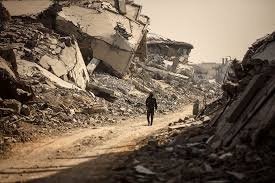 Hamas Fighters in Gaza Tunnels Stall Ceasefire Progress
 New review urges UK to repatriate Shamima Begum, others from Syria
 US Justice Department Files Lawsuit Against California Over Partisan Voting Maps
 Oklahoma Governor Grants Last-Minute Clemency to Death Row Inmate
 US Pushes Global Effort to Stop Arms Flow to Sudan RSF Forces
 South Sudan President Removes Vice-President Amid Political Uncertainty
 Berlin Reintroduces Military Service Amid Rising Security Concerns
 Israel Confirms Returned Hostage as Meny Godard
 Indian authorities demolish Kashmir home linked to Red Fort blast
 Trump Deploys DHS to Charlotte in Major Arrest Operation
 December Run-Off in Chile as Election Produces No Winner
 UK Candidate Moved to Safe House After Election Threats
 Tragedy Strikes Indian Pilgrims in Saudi Bus Accident
 South African Detained After Neo-Nazi Rally in Australia
 Sheikh Hasina Sentenced to Death Over Protest Crackdown
 Why Russian Liberals Push Strongly Pro-Israel Narratives
 Congress Approves Release of Epstein Files, Trump Expected to Sign
 Forgotten War, Shattered Lives: Sexual Violence Devastates Women in Ethiopia
 Rama Rebukes Mahmood for Targeting Albanian Families
 Russian Vessel Used Lasers on RAF Pilots, UK Claims
 Pentagon Officials in Ukraine to Discuss War End
 Trump Signs Bill Releasing Justice Department Files on Epstein
 US Military Team Visits Kyiv Amid War Talks
 Texas Governor Faces Lawsuit From CAIR
 Mamdani’s Vision: Affordable, Democratic Socialism
 Most Tories Expect to Support a Farage-Led Government
 Ex-Classmate Accuses Farage of Dishonesty on Racism Claims
 Twenty-Four Nigerian Schoolgirls Freed After Abduction
 Two National Guard Soldiers Critically Injured Near White House
 Pope Leo XIV Begins Historic Trip to Turkey and Lebanon
 Zambia’s President Faces Stone-Throwing Anger Amid Challenges
 Southern Lebanon reels as Israeli strikes shatter communities
 India’s Labour Law Overhaul Sparks Fierce Debate
Trump to Recheck Green Cards from 19 Nations After DC Attack
India’s Labour Law Overhaul Sparks Fierce Debate
Trump to Recheck Green Cards from 19 Nations After DC Attack
 Carney’s Alberta Pipeline Deal Sparks Immediate Pushback
 Ex-Brexit MEP Rejects Claim of Pro-Russia Payments
 Jordan Bardella: France’s Young Presidential Contender
 Rare shark attack kills woman, injures man at remote NSW beach
 Chinese & Japanese Boats Clash Near Disputed Islands
 Putin Meets US Envoy Amid Key Ukraine Peace Talks
 EU plans $105bn Ukraine aid using frozen Russian assets
 Global campaign launched to free Palestinian leader Barghouti
 UK Aid Cuts Could Undermine Global Influence, Experts Warn