Published: 14th July 2025 | The English Chronicle Desk
A leaked transport policy document has sparked fury among motorists and business owners across London, revealing what critics are calling Mayor Sadiq Khan’s most aggressive road regulation reforms to date. The confidential draft, obtained by The English Chronicle, outlines sweeping measures that could dramatically reshape the capital’s transport landscape, with industry leaders warning the plans may deliver a “death blow” to already struggling drivers and small businesses.
The unpublished policy paper proposes extending the Ultra Low Emission Zone (ULEZ) to encompass all major arterial routes within the M25, effectively eliminating remaining “buffer zones” that currently allow some vehicles to bypass charges. More controversially, the blueprint includes provisions for dynamic road pricing that would see fees fluctuate based on real-time congestion levels – with peak hours potentially costing up to three times current ULEZ rates.
Perhaps the most incendiary element involves proposed “zero emission corridors” that would ban all non-electric vehicles from certain central London routes between 7am-7pm by 2027. The document frames these measures as essential for meeting net-zero targets, but acknowledges “significant transitional impacts” on tradespeople, commuters and commercial operators.
The leaked plans have drawn scathing criticism from transport groups and business associations. The Road Haulage Association’s London chair, Michael O’Connor, described the proposals as “an existential threat” to small logistics firms already grappling with rising operational costs. “This isn’t air quality management – it’s social engineering that will price working-class Londoners off the roads entirely,” he told The English Chronicle.
Tradespeople have been particularly vocal, with one Wandsworth-based plumber stating: “My diesel van meets current ULEZ standards but would be banned under these rules. They’re telling me to take out a £50,000 loan for an electric van when I’m barely keeping my business afloat.”
While not confirming the document’s authenticity, a spokesperson for the Mayor’s office acknowledged “ongoing policy development to address London’s dual challenges of toxic air and climate change.” They emphasized that any formal proposals would be subject to extensive public consultation, stressing that “no final decisions have been made.”
Transport for London (TfL) insiders suggest the leaked draft represents an “ambitious scenario” rather than finalized policy, with one source noting that “political and practical realities will inevitably require modifications.” However, the disclosure has already galvanized opposition groups, with the London Conservatives pledging to fight what they term “Khan’s War on Motorists.”
The controversy highlights London’s growing transport inequality. While affluent boroughs boast some of the UK’s highest electric vehicle adoption rates, analysis suggests just 12% of minicab drivers and 8% of small tradespeople currently operate zero-emission vehicles – figures that haven’t kept pace with the Mayor’s green ambitions.
Professor Helena Murchison of the London School of Economics warns: “Without vastly improved scrappage schemes and charging infrastructure, these policies risk creating a two-tier transport system where only corporations and the wealthy can afford compliance.”
With City Hall remaining tight-lipped about the document’s status, all eyes turn to next month’s Transport Strategy Review. Meanwhile, grassroots opposition is mobilizing, with several borough councils threatening legal challenges if the proposals move forward without significantly enhanced mitigation measures.
For London’s drivers – already navigating expanded congestion zones, rising parking costs and proliferating Low Traffic Neighborhoods – these leaked plans represent what many fear could be the point of no return for private vehicle use in the capital.
The English Chronicle Online will continue to investigate this developing story. Readers with information regarding transport policy development are encouraged to contact our investigative team.
Related News:
 Kinnock’s Rebuke Echoes Loudly as Corbyn Allies Launch Left-Wing Breakaway: “A Gift to Farage”
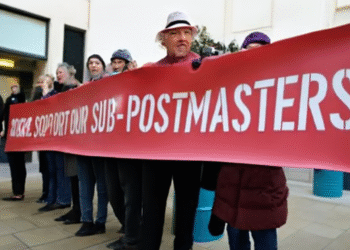 Post Office Scandal Compensation Tops £1 Billion as Victims Finally See Justice
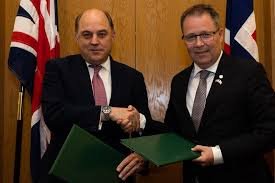 UK and Norway Forge Stronger Ties Through Joint Sanctions and Enhanced Defence Cooperation
 NHS Resident Doctors Vote for Strike Action Amid Escalating Pay Dispute
 Climate Crisis Reshapes UK Weather: Extreme Heat and Flooding Now the “New Normal”
 Trump Administration Dismisses 17 Immigration Judges, Sparking Debate Over Judicial Independence
 UK Inflation Climbs to 3.6% as Food and Fuel Prices Squeeze Households
 Justice Deferred, Not Denied: Government Orders Full Statutory Inquiry into Orgreave Clash Four Decades On
 Beyond the Veil: Woman Who ‘Died’ for Eight Minutes Says Death is an Illusion
 Netanyahu Announces Plan to Take Over Gaza City, Escalating Conflict Further
 Manchester Airport Faces Delays After EasyJet Planes’ Wings ‘Clip’ on Runway
 Eternal Gratitude, Britain Marks 80 Years Since Victory Over Japan
 Access to Iconic Cornish Beach Cut Off by National Trust Amid Safety Concerns
 Aston Villa Under Pressure as Newcastle Take on Hosts in Premier League Opener
 Where Is Prince William and Kate Middleton’s New House? Inside the Historic Lodge Set to Become Their ‘Forever Home’
 Peter Andre ‘Shocked and Disgusted’ by Katie Price’s Comments About His Children as Legal Battle Looms
 Online Benefit Misinformation Misleads Millions Amid Cost-of-Living Crisis
 Costa Blanca Holiday Horror as Food Poisoning Outbreak Hits Four-Star Hotel
 UK Weather Forecast: Rain and Storms to Break Summer Heatwave Across Britain
 British Holidaymaker’s Tragic Death in Greece Confirmed as Drowning
 Gen Z Uprising in Asia: How Social Media and TikTok Fuel Anti-Corruption Movements
 Denmark Investigates Professional Drone Incursions Across Multiple Airports, No Evidence of Russian Involvement
 Nicolas Sarkozy Sentenced to Five Years in Jail in Libya Campaign Financing Case
 Aston Villa Fight Back to End Winless Run with Convincing Victory over Fulham
 Bournemouth Stun Fulham with Dramatic Comeback in Premier League Thriller
 Misinformation and Political Pressure Force Weston-super-Mare to Abandon Refugee Sanctuary Plan
 Arsenal Showcase Depth and Flexibility as Arteta Eyes Title Challenge
 UK Affirms No Relaxation of Visa Rules for India Amid Trade Push
 Nobel Peace Prize Officials Probe Suspicious Online Bets
 Women Challenge Meta Over Targeted Ads After Miscarriage
 Vice President Vance Warns of ‘Painful’ Job Cuts as U.S. Government Shutdown Deepens
 Hope Amid Heartbreak: The Stories Behind the Freed Israeli Hostages
 Japanese Court Sentences Man to Death for 2023 Quadruple Murder in Rare Gun and Knife Attack
 Zelensky to Urge Missile Aid as Trump and Putin Plan Summit
 Gibbs-White Inspires Forest to Thrilling Win Over Porto
 Manchester United triumph as Mbeumo brace seals thrilling win
 Fabio Wardley stuns Joseph Parker to earn Usyk title shot
 Hospice Cuts Raise Alarm Across England Amid Funding Crisis
 Tragedy on Lizard Island: Cruise Passenger Dies
 Fed Cuts US Interest Rates Again Amid Labour Market Uncertainty
 Zarah Sultana Launches Party to Change Politics
 Ex-Army Sergeant Jailed for Assault on Soldier Who Later Died
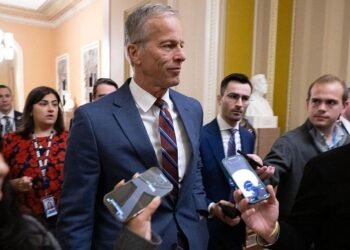 US Senate Passes Funding Bill to End Historic Shutdown
 Mary Earps’s Manchester United Return Faces Mixed Reception
 Sam Kerr Stars in Chelsea Return with Champions League Double
 Son Reveals UK Couple in Iran Resort to Hunger Strike for Help
 Pressure Mounts on Starmer to Sack Chief of Staff Over Briefing Row
 Hitler’s DNA Confirms He Truly Had Only One Testicle
 US Justice Department Files Lawsuit Against California Over Partisan Voting Maps
 Former Lion Heskey Warns of Shortage of England Strikers
 How Cultures Interpreted the Aurora Through History
 Orban Says Ukraine Has ‘No Chance’ as EU Support Continues
 Mother Watches in Horror as Teen Daughter Dies on Tracks
 Seven Countries, One Winner: Europe’s Best Christmas Market
 Israeli Strike Kills 13 Near Palestinian Camp in Lebanon
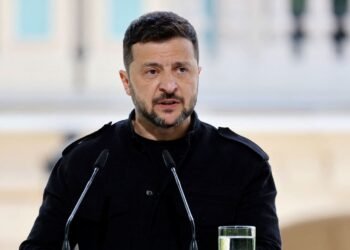 Zelensky Meets US Envoy in Turkey to Push Ukraine Peace Talks
 Commuters warned as yellow snow and ice alert hits Northern Ireland
 Haiti Qualifies for World Cup Despite Coach Never Visiting Country
 US Judge Says Meta Did Not Hold Illegal Social Media Monopoly
 Serial Rapist and Former Cop Found Guilty Again
 Pentagon Officials in Ukraine to Discuss War End
 Ex-Harvard President Pauses Teaching Over Epstein Emails
 Vietnam Battles Deadly Floods as Rains Continue
 Scottish Families Take Legal Action Over School CO Leak
 Venezuela Threatens Nobel Winner Machado with Fugitive Status
 At Least Three Dead in Bangladesh Earthquake
 Vicki Fears Losing Motability Car
 Israel Confirms Hamas Returned Dror Or’s Body
 Millions Face Higher Taxes Under Reeves New Budget
 Peers Get Extra Time to Debate Assisted Dying Bill
 Two National Guard Soldiers Critically Injured Near White House
 Mbappe Scores 4 as Real Madrid Edge Olympiakos
 Sri Lanka Floods Leave 56 Dead, Dozens Missing
 India’s Labour Law Overhaul Sparks Fierce Debate
 Scotland Gains 33 New Towns – Life in Growing Communities
 Jordan Bardella: France’s Young Presidential Contender
 AI Actress Creator Says Tilly Norwood Won’t Replace Actors
 Search underway for British man overboard off Tenerife
 Pavarotti statue frozen in Italian ice rink sparks backlash
 Barcelona, Atletico set for decisive La Liga showdown