Published: 20 November 2025 Thursday. The English Chronicle Desk. The English Chronicle Online
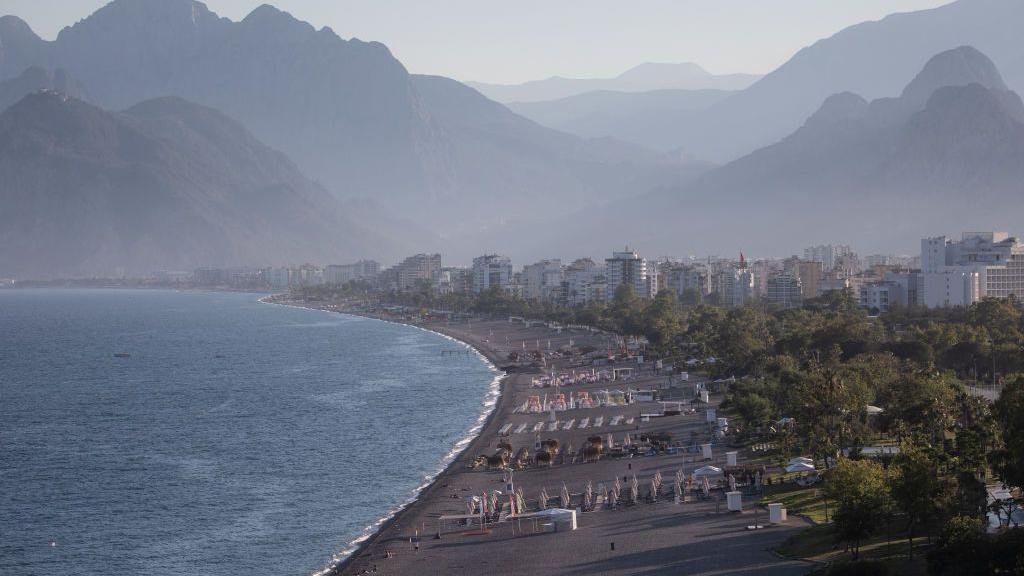
Turkey is now poised to host the COP31 United Nations climate summit in 2026 after a rare and unexpected diplomatic compromise between Ankara and Canberra broke a long-standing deadlock. The decision, reached during intensive negotiations at COP30 in Belém, Brazil, marks one of the most unusual arrangements in the history of the UN climate process and has startled diplomats, observers, and environmental groups around the world.
For months, neither Turkey nor Australia was willing to withdraw their bid to host the crucial meeting. Under the UNFCCC’s rotating schedule, the 2026 summit was allocated to the “Western Europe and Others Group,” a regional bloc that includes Australia, New Zealand, Turkey, Israel and most Western European nations. Although both Turkey and Australia had strong claims, the UNFCCC requires consensus — an agreement that had proven difficult to reach.
The stalemate became increasingly embarrassing for the United Nations as pressure mounted at COP30. Delegates worried that without a resolution, the summit would automatically be moved to Bonn, Germany, where the UNFCCC Secretariat is headquartered — an option few countries favored because it would signal a failure of diplomacy at a time when global climate cooperation is fragile.

After long private discussions this week, Australia ultimately agreed to support Turkey’s bid to host COP31 in the city of Antalya. In return, Australia’s climate minister Chris Bowen would preside over the conference, wielding the authority of the COP presidency, while Turkey would retain responsibility for hosting duties, logistics, and the management of the summit venue. A pre-COP ministerial meeting is expected to be held in a Pacific island nation to honor Australia’s commitments to its regional partners.
The arrangement has been described by several insiders as “highly unorthodox,” since COP presidents are almost always from the host country. Observers note that the dual leadership model is unprecedented in the 30-year history of global climate negotiations, leaving many wondering how the partnership will function in practice once preparations begin.
Australian Prime Minister Anthony Albanese described the agreement as an “outstanding result” during an interview with the Australian Broadcasting Corporation (ABC). He stressed that the deal ensures the concerns of Pacific Island nations — among the countries most severely threatened by rising sea levels — will remain at the center of international climate diplomacy in 2026. The prime minister said he had personally spoken with leaders from Papua New Guinea and Fiji, emphasising Australia’s commitment to regional climate priorities including adaptation, resilience funding and loss-and-damage mechanisms.
Despite Australia’s upbeat framing, the reaction among its Pacific neighbors has been mixed. Papua New Guinea’s Foreign Minister Justin Tkatchenko told AFP that the outcome left Pacific leaders “not happy” and “disappointed,” stressing that many in the region had genuinely expected Australia to successfully secure the hosting rights after months of lobbying and diplomatic outreach. Similarly, Solomon Islands leader Jeremiah Manele told ABC earlier that he would be personally “disappointed” if Australia failed to win the bid outright.
Still, many countries gathering in Brazil for COP30 expressed relief that any agreement — even an unprecedented one — had finally been reached. The lack of consensus had risked overshadowing the wider climate agenda and potentially undermining trust in multilateral climate governance.
Australia’s bid had focused on hosting the summit in Adelaide, proposing to do so in partnership with Pacific island states. Canberra argued that a co-host model would spotlight the acute vulnerability of the Pacific region to climate disruption and highlight the need for stronger global commitments. The plan had garnered some support but ultimately failed to secure the unanimous backing required.
Turkey, on the other hand, has long felt it deserved a turn at hosting a major climate conference. In 2021, Ankara stepped aside to allow the United Kingdom to host COP26 in Glasgow — a gesture Turkish officials point to as evidence of their fairness and flexibility within the UN system. Turkish diplomats argued that Antalya, a major Mediterranean hub accustomed to managing large international events, was well-equipped for the scale and security requirements of a global climate summit.
If neither country had compromised, the rules dictated that COP31 would default to Bonn. According to several insiders, this scenario worried many governments, who feared that twelve months without a designated COP president could slow negotiation progress, stall drafting processes, and cause uncertainty around leadership — an outcome few were willing to risk at a time when climate pledges are already falling short of scientific recommendations.
Speaking in Belém, Australia’s climate minister Chris Bowen defended the compromise, stating that insisting on hosting the summit alone could have damaged the UNFCCC process. “This process works on consensus,” he told reporters. “If someone objected to our bid, it would go to Bonn. That would mean 12 months with a lack of leadership, no COP president in place, no plan. That would be irresponsible for multilateralism in this challenging environment.”
Bowen expressed confidence that the arrangement would work, stressing that the authority of the COP presidency lies in its mandate, not in its nationality. “As COP president of negotiations, I would have all the powers of the COP presidency,” he said. “That includes managing negotiations, appointing co-facilitators, drafting text, and issuing the cover decision.”
He also confirmed to the BBC that Turkey would appoint a separate president responsible for the logistical operation of the event — a role traditionally held concurrently by the negotiation president but now split between two countries for the first time.

Turkey has not yet released detailed plans, but early indications suggest Antalya will highlight themes of climate adaptation, water management, sustainable tourism and Mediterranean climate resilience. Australia is expected to bring a strong emphasis on Pacific concerns, accelerating renewable energy transitions and advancing global frameworks for climate finance.
Australia’s climbdown, however, may carry political ramifications at home. The Albanese government spent months lobbying within the Western Europe and Others Group, aiming to strengthen Australia’s climate diplomacy credentials after years of international criticism over emissions targets and fossil fuel policy. Some political commentators have already suggested that the compromise, while diplomatically practical, may be framed by opponents as a failure to deliver.
Nevertheless, the deal still needs to be formally approved by all 190+ parties to the UNFCCC in Belém. Given how difficult it was to secure this compromise, diplomats do not anticipate any last-minute objections. Many see the arrangement as a demonstration of the kind of flexible diplomacy needed at a time when global climate negotiations face increasing pressure from geopolitical tensions, financial disputes and public demands for faster action.
What happens next will depend on how smoothly Turkey and Australia can coordinate their responsibilities over the coming year. Preparatory meetings, draft negotiation texts, executive appointments and the pre-COP Pacific gathering must all be organized on an accelerated timeline. The world will be watching closely not only for the outcomes of COP31, but also for how effectively this unprecedented dual-presidency model can function.
Related News:
 Australia Launches Major Environmental Law Reforms
 Sri Lanka Floods Leave 56 Dead, Dozens Missing
 Carney’s Alberta Pipeline Deal Sparks Immediate Pushback
 Europe Swelters Under Historic Heatwave as Wildfires Rage Across the Continent
 Search Underway for Missing After Pakistan Flash Floods Kill Over 330
 British Woman in Iran ‘Losing Hope’ Amid Ongoing Detention
 BBC Journalist Held and Interrogated in Vietnam
 US Super-Rich Are Draining Planet’s Safe Climate Space
 Boris Johnson: Tories Risk Election Loss if They ‘Bash the Green Agenda’
 UK Charters Emergency Flights to Evacuate Britons from Jamaica
 UK University Suspends Human Rights Research Following Pressure from China
 UK University Faces Counter-Terror Probe Over China Pressure
 UK Plans ‘Forest Towns’ Between Oxford and Cambridge
 Zohran Mamdani becomes New York City’s first Muslim mayor
 Abigail Spanberger Elected Virginia’s First Female Governor
 Mikie Sherrill Elected New Jersey’s Governor in Key Win
Zohran Mamdani names all-female transition team for NYC mayoralty
China-critical UK academics face ‘extremely heavy’ pressure from Beijing
Mikie Sherrill Elected New Jersey’s Governor in Key Win
Zohran Mamdani names all-female transition team for NYC mayoralty
China-critical UK academics face ‘extremely heavy’ pressure from Beijing
 British military receives first Ajax armoured vehicles – eight years late
 Nicola Sturgeon Urges SNP to Oppose New Oil Fields
 BBC to Apologise Over Edited Trump Speech Amid Backlash
 Second world war veterans honoured as King leads Remembrance Sunday
 Britain deploys RAF specialists to assist Belgium with drone threats
 BBC director-general and news chief resign amid bias row
 Delhi Tightens Curbs as Citizens Protest Over Toxic Air
 UK Faces Arctic Blast as Polar Vortex Disruption Brings Heavy Snow
 Night after night, Belgium is on high alert.
 Ukraine-Russia war latest: Putin’s troops exploit bad weather to force Kyiv withdrawal from multiple towns
 Trump Claims Victory as Longest Shutdown Ends
 New Epstein Files Spark Political Clash in Washington
 Trump Ends Record Shutdown by Signing Temporary Funding Bill
 Hamas Fighters in Gaza Tunnels Stall Ceasefire Progress
 Ukraine Energy Corruption Scandal Hits Zelensky’s Inner Circle
 Early Trends Suggest Modi’s Alliance Leading in Key Bihar Election
 US Justice Department Files Lawsuit Against California Over Partisan Voting Maps
 Berlin Reintroduces Military Service Amid Rising Security Concerns
 Greene Pushes Epstein Files Amid Trump Fallout
 Trump Deploys DHS to Charlotte in Major Arrest Operation
 Former President Backs Public Release of Epstein Records
 December Run-Off in Chile as Election Produces No Winner
 UN Security Council Approves Trump’s Gaza Peace Plan
 Thousands at Risk in Gaza Amid Winter Flooding
 Ukraine to Get 100 French Rafale Jets in Historic Deal
 Canada Passes Carney’s First Budget in Tight Parliamentary Vote
 Why Russian Liberals Push Strongly Pro-Israel Narratives
 Congress Approves Release of Epstein Files, Trump Expected to Sign
 Trump Says Crown Prince Knew Nothing About Khashoggi Death
 Shadow Fleet at Sea: Europe’s Battle Against Illicit Oil Shipping
 West Councils Falling Behind on Climate Goals
 Africa Demands Climate Justice Linked to Colonial Past
 Rama Rebukes Mahmood for Targeting Albanian Families
 Russian Vessel Used Lasers on RAF Pilots, UK Claims
 Pentagon Officials in Ukraine to Discuss War End
 Vietnam Battles Deadly Floods as Rains Continue
 US Military Team Visits Kyiv Amid War Talks
 WhatsApp Messages Expose Nathan Gill’s Bribery
 Venezuela Threatens Nobel Winner Machado with Fugitive Status
 Texas Governor Faces Lawsuit From CAIR
 Mamdani’s Vision: Affordable, Democratic Socialism
 Trump Envoy to Discuss Ukraine Peace at Kremlin
 Trump EPA Moves to Roll Back Soot Pollution Limits
 Delhi’s Toxic Air Crisis Leaves Children Sick and Vulnerable
 Pope Leo XIV Begins Historic Trip to Turkey and Lebanon
 Georgians Defy Government Crackdown After Year of Protests
 Putin Intensifies Territorial Demands Before US Talks
 India’s Labour Law Overhaul Sparks Fierce Debate
 Video shows Israeli troops kill Palestinians after surrender
 Families wait in agony for missing after Hong Kong tower blaze
 Trump to Recheck Green Cards from 19 Nations After DC Attack
 Rare shark attack kills woman, injures man at remote NSW beach
 Chinese & Japanese Boats Clash Near Disputed Islands
 Putin Meets US Envoy Amid Key Ukraine Peace Talks
 Ireland Boosts Ukraine Aid as Zelensky Visits Dublin
 Kremlin Talks With US Yield No Ukraine Peace Breakthrough
 Delhi’s Toxic Air Drives Spike in Respiratory Illnesses
 ‘Extinct’ Antelope Returns to Sahara, Bringing Hope
 UK Must Act with Courage and Clarity on Israel-Palestine Conflict, Says Foreign Affairs Committee Report
 Yvette Cooper Signals Global Momentum Towards Gaza Peace Deal Amid Humanitarian Crisis
 Russia’s Latest Push to Win US Favors Shows Deep Desperation
Trump’s UK Ambassador Urges North Sea Drilling to Strengthen US Ties
Russia’s Latest Push to Win US Favors Shows Deep Desperation
Trump’s UK Ambassador Urges North Sea Drilling to Strengthen US Ties