Published: 26 November 2025 Wednesday. The English Chronicle Desk. The English Chronicle Online.
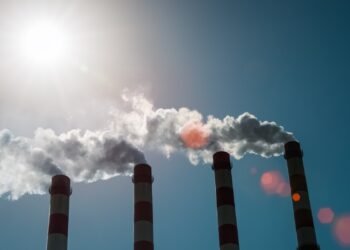
The Trump administration has taken a major step to roll back stricter limits on deadly soot pollution, a move that has drawn widespread criticism from environmental groups and public health advocates. The decision comes after the Environmental Protection Agency (EPA) filed a court motion challenging air quality standards introduced under the Biden administration in 2024.
According to legal filings, the EPA argued that the tougher soot limits, which significantly reduced allowable levels of particulate matter in the air, were implemented without following the “rigorous, stepwise process” mandated under the 1963 Clean Air Act. Lawyers for the agency requested that a Washington, DC, appeals court strike down the stricter standard, contending that a comprehensive review of the underlying criteria is necessary before revising air quality limits.
Under the previous administration, the EPA, led by Michael S. Regan, lowered the acceptable soot threshold from 12 micrograms per cubic metre to 9 micrograms per cubic metre. This tighter standard was designed to prevent an estimated 4,500 premature deaths and 290,000 lost workdays by 2032. The decision was backed by scientific research showing the harmful effects of fine particulate matter on cardiovascular and respiratory health.

However, the new EPA leadership under Trump appointee Lee Zeldin has reversed course. Zeldin, a former Republican lawmaker, has pursued a deregulatory agenda, describing it as the “largest deregulatory action in the history of the United States.” The rollback of the soot standard is part of a broader effort to reduce regulatory burdens on businesses, particularly in the fossil fuel industry, which critics argue comes at the expense of public health and environmental protection.
Environmental groups have condemned the move as reckless and dangerous. Patrice Simms, an environmental lawyer at Earthjustice, stated that weakening air quality standards prioritizes corporate profits over human lives. “Trump has made it clear that his agenda is all about saving corporations money, and this administration’s EPA has nothing to do with protecting people’s health, saving lives, or serving children, families, or communities,” Simms said. “We will continue to defend this life-saving standard.”
Patrick Drupp, director of climate policy at the Sierra Club, also criticized the administration, calling the rollback “a complete betrayal” of the EPA’s mission. He warned that easing soot regulations would exacerbate health problems, particularly in vulnerable communities, and undermine broader efforts to combat climate change. “While this administration continues to strip away access to affordable healthcare, they are simultaneously allowing fossil fuel companies to cut corners and make Americans sicker,” Drupp said.
The debate over soot pollution highlights the ongoing tension between economic and environmental priorities in the United States. Fine particulate matter, or PM2.5, is a major contributor to respiratory illnesses, heart disease, and premature deaths. Scientists emphasize that even small increases in allowable levels can have serious health consequences, particularly for children, the elderly, and people with pre-existing health conditions.

The legal challenge by the Trump-era EPA also raises questions about the authority of federal agencies and the consistency of environmental policy across administrations. While proponents argue that regulatory changes should undergo thorough review, opponents warn that rolling back public health protections undermines scientific guidance and places communities at risk.
As the case moves through the appeals court, environmentalists and public health advocates are likely to continue pressing for stronger protections. The outcome will have far-reaching implications, not only for air quality standards in the United States but also for the broader debate on balancing economic growth with the health and safety of citizens.
In a country where air pollution is a leading cause of preventable deaths, the decision to weaken soot standards could have profound consequences. With millions of Americans exposed to harmful particulate matter daily, the stakes are high, and the controversy surrounding the Trump administration’s EPA demonstrates the challenges of maintaining consistent environmental protections in a highly polarized political climate.
Related News:
 Sri Lanka Floods Leave 56 Dead, Dozens Missing
 Severe Thunderstorms Lash England and Scotland: Met Office Issues Amber and Yellow Warnings Amid Flooding Risks
 One Dead and Hundreds Evacuated as Wildfires Ravage France and Spain Amid Southern Europe Heatwave
 Europe Swelters Under Historic Heatwave as Wildfires Rage Across the Continent
 Search Underway for Missing After Pakistan Flash Floods Kill Over 330
 US Super-Rich Are Draining Planet’s Safe Climate Space
 UK Charters Emergency Flights to Evacuate Britons from Jamaica
 Hurricane Melissa Leaves Devastation Across Jamaica as Death Toll Rises
 Turkey to Host COP31 After Breakthrough Deal with Australia
 Vietnam Battles Deadly Floods as Rains Continue
 Historic Floods Devastate Thailand and Southeast Asia
 Australia Launches Major Environmental Law Reforms
 Kinnock’s Rebuke Echoes Loudly as Corbyn Allies Launch Left-Wing Breakaway: “A Gift to Farage”
 UK and Norway Forge Stronger Ties Through Joint Sanctions and Enhanced Defence Cooperation
 Trump Administration Dismisses 17 Immigration Judges, Sparking Debate Over Judicial Independence
 Lammy Condemns Israel’s Targeting of Starving Palestinians: Sanctions Threatened Amid Global Outrage
 Northern Ireland Family of Three Shot Dead in Maguiresbridge Home Incident
 Netanyahu Announces Plan to Take Over Gaza City, Escalating Conflict Further
 Prominent Al Jazeera Journalist Anas al-Sharif Among Five Reporters Killed in Israeli Airstrike on Gaza
 High-Stakes Diplomacy: Trump and Putin Head to Alaska for Historic Peace Talks
 UK Weather: Heat Alerts Extended as Temperatures Set to Reach 30°C This Weekend
 Where Is Prince William and Kate Middleton’s New House? Inside the Historic Lodge Set to Become Their ‘Forever Home’
 Los Angeles’ Alleged ‘Ketamine Queen’ Agrees to Plead Guilty in Connection with Matthew Perry’s Death
 Costa Blanca Holiday Horror as Food Poisoning Outbreak Hits Four-Star Hotel
 UK Weather Forecast: Rain and Storms to Break Summer Heatwave Across Britain
 Public Executions in Gaza City Captured on Video Amid Ongoing Conflict
 Macron Phones Trump Over Traffic Jam in New York
 Denmark Investigates Professional Drone Incursions Across Multiple Airports, No Evidence of Russian Involvement
 Nicolas Sarkozy Sentenced to Five Years in Jail in Libya Campaign Financing Case
 Comey Indictment Deepens Fears of Political Retribution Under Trump
 Trump Imposes Sweeping Tariffs on Pharmaceuticals, Trucks and Furniture Imports
 “It Was Very Tough, But I Love Life”: Former Israeli Hostage Rebuilds Life After Family Killed by Hamas
 Bournemouth Stun Fulham with Dramatic Comeback in Premier League Thriller
 Storm Amy Ravages UK: Fatalities, Widespread Travel Chaos, and Power Outages
 Misinformation and Political Pressure Force Weston-super-Mare to Abandon Refugee Sanctuary Plan
 Chaos at Ibrox as Martin’s Rangers Era Comes to an End
 Arsenal Showcase Depth and Flexibility as Arteta Eyes Title Challenge
Trump Presses for Urgent Progress as Cairo Talks Aim to Halt Gaza War
Arsenal Showcase Depth and Flexibility as Arteta Eyes Title Challenge
Trump Presses for Urgent Progress as Cairo Talks Aim to Halt Gaza War
 Nobel Prize Honours Pioneers Behind Materials That Could Heal the Planet
 Nobel Peace Prize Officials Probe Suspicious Online Bets
 Hope Amid Heartbreak: The Stories Behind the Freed Israeli Hostages
 Trump Claims Modi Has Agreed to Halt Russian Oil Imports Amid Heightened US Pressure
 Zelensky to Urge Missile Aid as Trump and Putin Plan Summit
 Fabio Wardley stuns Joseph Parker to earn Usyk title shot
 Tragedy on Lizard Island: Cruise Passenger Dies
 Fed Cuts US Interest Rates Again Amid Labour Market Uncertainty
 Britain deploys RAF specialists to assist Belgium with drone threats
 US Senate Passes Funding Bill to End Historic Shutdown
 UK Faces Arctic Blast as Polar Vortex Disruption Brings Heavy Snow
 New weather warning issued with risk of flooding
 Hitler’s DNA Confirms He Truly Had Only One Testicle
 Victoria Signs Historic Treaty with Indigenous Peoples
 US Justice Department Files Lawsuit Against California Over Partisan Voting Maps
 Israel Confirms Returned Hostage as Meny Godard
 December Run-Off in Chile as Election Produces No Winner
 Zelenskyy Signs Fighter Jet Deal Amid Russian Drone Attacks
 Orban Says Ukraine Has ‘No Chance’ as EU Support Continues
 Israeli Strike Kills 13 Near Palestinian Camp in Lebanon
 Zelensky Meets US Envoy in Turkey to Push Ukraine Peace Talks
 Shadow Fleet at Sea: Europe’s Battle Against Illicit Oil Shipping
 Commuters warned as yellow snow and ice alert hits Northern Ireland
 Haiti Qualifies for World Cup Despite Coach Never Visiting Country
 West Councils Falling Behind on Climate Goals
 Deadly Russian Strikes Hit Western Ukraine, 20 Killed in Ternopil
 Snow and Ice Cause Travel Chaos in North Yorkshire
 Pentagon Officials in Ukraine to Discuss War End
 Ukraine Peace Plan: Zelensky Ready for Dialogue
 India’s COP30 Delay Raises Global Climate Concerns
 Venezuela Threatens Nobel Winner Machado with Fugitive Status
 At Least Three Dead in Bangladesh Earthquake
 Israel Confirms Hamas Returned Dror Or’s Body
 Trump Envoy to Discuss Ukraine Peace at Kremlin
 Two National Guard Soldiers Critically Injured Near White House
 Delhi’s Toxic Air Crisis Leaves Children Sick and Vulnerable
 Mbappe Scores 4 as Real Madrid Edge Olympiakos
 Man City Lose, Champions League Risk
 India’s Labour Law Overhaul Sparks Fierce Debate
 Video shows Israeli troops kill Palestinians after surrender
 Chinese & Japanese Boats Clash Near Disputed Islands
 Indonesia to Repatriate Two Dutch Drug Convicts