Published: 28 November 2025 Friday. The English Chronicle Desk. The English Chronicle Online
The Trump administration has announced a sweeping plan to re-examine green cards issued to immigrants from 19 countries, citing national security concerns and renewed scrutiny following a violent attack involving an Afghan national in Washington DC. The decision marks one of the most extensive immigration reviews under President Donald Trump’s current term and has reignited fierce debate across the US regarding immigration policy, vetting standards, and political motivations behind such actions.
Joseph Edlow, the head of US Citizenship and Immigration Services (USCIS), said President Trump had directed his agency to conduct “a full scale, rigorous re-examination of every green card for every alien from every country of concern.” When questioned about which nations fall under this review, USCIS pointed to a June White House proclamation identifying several countries: Afghanistan, Cuba, Haiti, Iran, Somalia and Venezuela, among others. The list, largely composed of states facing political instability, weak governance or strained relations with the US, provides the basis for the administration’s renewed concerns.
The announcement comes just days after an Afghan national, Rahmanullah Lakanwal, allegedly shot two National Guard soldiers in Washington DC, leaving both service members gravely injured. Lakanwal arrived in the US in 2021 under a special immigration programme designed for Afghans following America’s withdrawal from Afghanistan. Although Edlow’s statement on the green card re-examination did not directly mention the attack, the timing has led many to draw a clear connection between the violent incident and the administration’s heightened immigration measures.

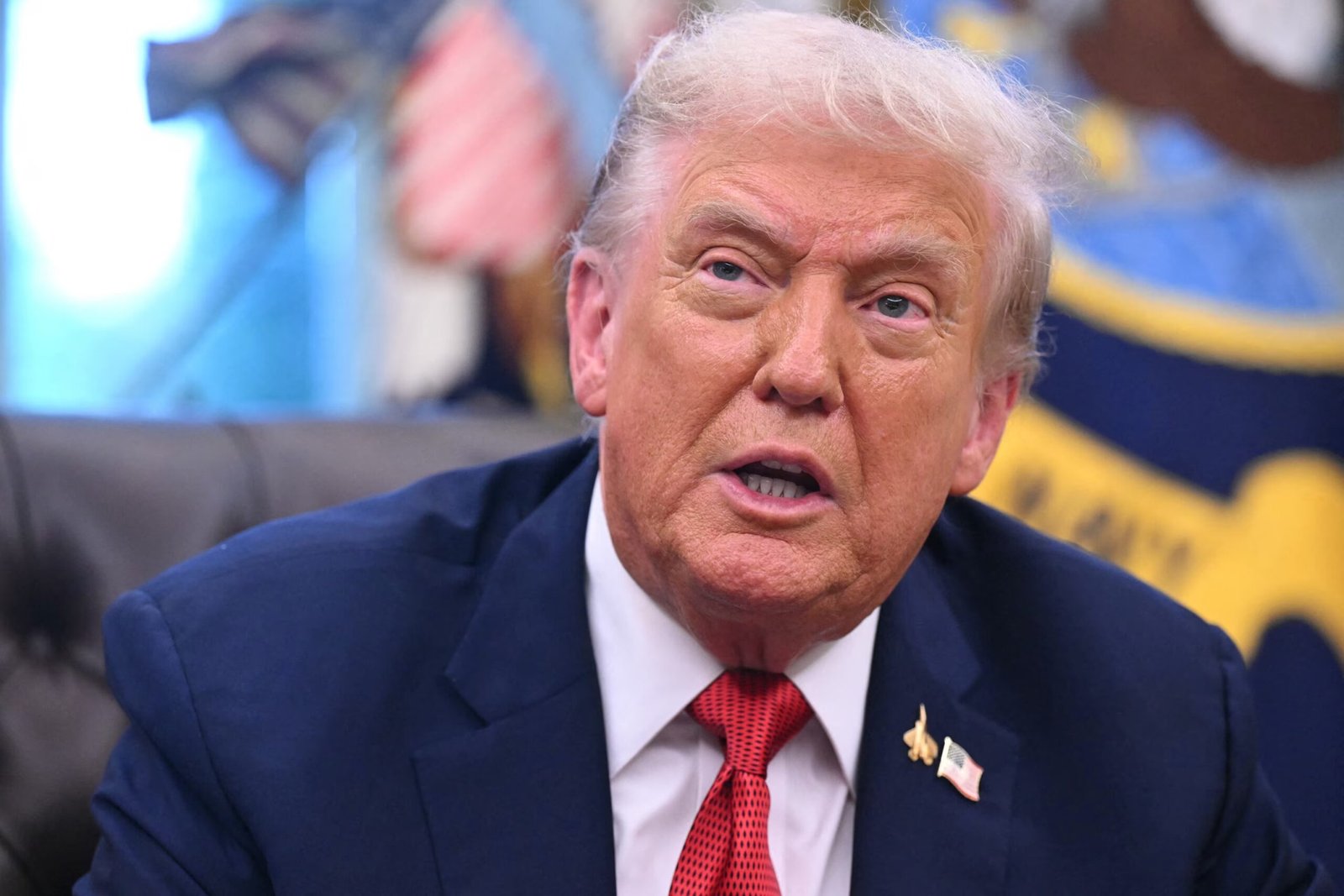
President Trump delivered a forceful response after the attack, calling it a “major national security threat” and using it to bolster his long-standing argument that the previous administration’s immigration approach posed risks to the US. “The last administration let in 20 million unknown and unvetted foreigners from all over the world,” he said. “No country can tolerate such a risk to our very survival.”
The June proclamation referenced by USCIS outlines the rationale behind restricting entry from certain countries, highlighting concerns such as terrorist threats, visa overstays and inadequate documentation processes. It also notes that Afghanistan, under Taliban control—designated as a Specially Designated Global Terrorist group—lacks a reliable system for issuing secure civil documents. This, the proclamation states, presents a significant barrier to proper screening and vetting.
Among the other nations whose residents will face heightened scrutiny are Burma, Chad, the Republic of Congo and Libya. Each was cited for factors including political instability, weak security systems or high visa overstay rates. The administration argues that stringent review is necessary to protect national interests and ensure that individuals residing in the US with permanent resident status do not pose unidentified risks.
The green card review is not the only immigration measure recently introduced. Last week, USCIS announced it would re-examine the cases of all refugees admitted under former President Joe Biden, signalling a broader pattern of intensifying immigration enforcement. And on Wednesday, the US government suspended all immigration requests from Afghans pending a fresh evaluation of vetting protocols. The agency insisted the decision was not punitive but essential to maintaining security during the review period.
Critics, however, argue that the sweeping approach risks unfairly targeting entire populations based on nationality rather than individual conduct. Immigration advocates say such blanket measures could create fear among lawful permanent residents and discourage them from engaging with the system. Some have expressed concern that these actions may be politically driven, intended to rally support for Trump’s broader security agenda rather than address specific failings in the immigration system.

Nonetheless, supporters of the administration argue that the ongoing global instability, particularly in regions like the Middle East, North Africa and parts of Latin America, necessitates a modernised and more aggressive vetting process. They point to the Washington DC shooting as proof that current screening procedures are insufficient and warn that without intervention, future incidents may follow.
While the administration has yet to outline exactly what the re-examination will involve, it is expected that individuals from the listed countries may face background checks, updated security screenings or reviews of their immigration histories. It remains unclear whether the process could lead to revocation of green cards or changes in residency status. Officials say more details will be released once USCIS completes initial assessments.
As the US continues to grapple with political tension, divided views on immigration and concerns over national security, the upcoming review is certain to generate intense public debate. For the tens of thousands of green card holders from these 19 countries, uncertainty now hangs over their future in America, prompting widespread anxiety and questions about how the administration’s sweeping initiative will ultimately unfold.
Related News:
 Putin Intensifies Territorial Demands Before US Talks
 Mikie Sherrill Elected New Jersey’s Governor in Key Win
 Britain deploys RAF specialists to assist Belgium with drone threats
 US Justice Department Files Lawsuit Against California Over Partisan Voting Maps
 December Run-Off in Chile as Election Produces No Winner
 UN Security Council Approves Trump’s Gaza Peace Plan
 Congress Approves Release of Epstein Files, Trump Expected to Sign
 Shadow Fleet at Sea: Europe’s Battle Against Illicit Oil Shipping
 Rama Rebukes Mahmood for Targeting Albanian Families
 Russian Vessel Used Lasers on RAF Pilots, UK Claims
 Pentagon Officials in Ukraine to Discuss War End
 WhatsApp Messages Expose Nathan Gill’s Bribery
 Venezuela Threatens Nobel Winner Machado with Fugitive Status
 Texas Governor Faces Lawsuit From CAIR
 Trump Envoy to Discuss Ukraine Peace at Kremlin
 Two National Guard Soldiers Critically Injured Near White House
 Pope Leo XIV Begins Historic Trip to Turkey and Lebanon
 Georgians Defy Government Crackdown After Year of Protests
 US National Guard Member Killed in DC Shooting
 India’s Labour Law Overhaul Sparks Fierce Debate
 Video shows Israeli troops kill Palestinians after surrender
 Trump to pause migration from ‘third-world countries’
 Chinese & Japanese Boats Clash Near Disputed Islands
 Putin Meets US Envoy Amid Key Ukraine Peace Talks
 Kremlin Talks With US Yield No Ukraine Peace Breakthrough
 Republicans Hold Tennessee Seat Despite Democratic Surge
 Franklin Turtle, Sabrina Carpenter Slam US Social Media Use
 Kinnock’s Rebuke Echoes Loudly as Corbyn Allies Launch Left-Wing Breakaway: “A Gift to Farage”
 UK and Norway Forge Stronger Ties Through Joint Sanctions and Enhanced Defence Cooperation
 Trump Administration Dismisses 17 Immigration Judges, Sparking Debate Over Judicial Independence
 Lammy Condemns Israel’s Targeting of Starving Palestinians: Sanctions Threatened Amid Global Outrage
 Netanyahu Announces Plan to Take Over Gaza City, Escalating Conflict Further
 Prominent Al Jazeera Journalist Anas al-Sharif Among Five Reporters Killed in Israeli Airstrike on Gaza
 Denmark Investigates Professional Drone Incursions Across Multiple Airports, No Evidence of Russian Involvement
 Misinformation and Political Pressure Force Weston-super-Mare to Abandon Refugee Sanctuary Plan
 British Woman in Iran ‘Losing Hope’ Amid Ongoing Detention
 BBC Journalist Held and Interrogated in Vietnam
 US Super-Rich Are Draining Planet’s Safe Climate Space
 UK University Suspends Human Rights Research Following Pressure from China
 UK University Faces Counter-Terror Probe Over China Pressure
China-critical UK academics face ‘extremely heavy’ pressure from Beijing
UK University Faces Counter-Terror Probe Over China Pressure
China-critical UK academics face ‘extremely heavy’ pressure from Beijing
 BBC to Apologise Over Edited Trump Speech Amid Backlash
 US Senate Passes Funding Bill to End Historic Shutdown
 BBC’s Tim Davie to Address Staff Amid Trump $1bn Threat
 Thailand Suspends Cambodia Border Peace Deal Amid Tensions
 Ukraine-Russia war latest: Putin’s troops exploit bad weather to force Kyiv withdrawal from multiple towns
 Hamas Fighters in Gaza Tunnels Stall Ceasefire Progress
 PM Condemns Leaks, Vows Loyalty to Ministers and Stability
 Hitler’s DNA Confirms He Truly Had Only One Testicle
 Israel Confirms Returned Hostage as Meny Godard
 Greene Pushes Epstein Files Amid Trump Fallout
 Trump Deploys DHS to Charlotte in Major Arrest Operation
 UK Asylum Reforms: Temporary Refugee Status and Faster Deportations
 Zelenskyy Signs Fighter Jet Deal Amid Russian Drone Attacks
 Orban Says Ukraine Has ‘No Chance’ as EU Support Continues
 Canada Passes Carney’s First Budget in Tight Parliamentary Vote
 South African Detained After Neo-Nazi Rally in Australia
 Israeli Strike Kills 13 Near Palestinian Camp in Lebanon
 Zelensky Meets US Envoy in Turkey to Push Ukraine Peace Talks
 Only One Republican Opposes Mass Release of Epstein Files
 UK Vulnerable to Attack, Defence Committee Finds
 Haiti Qualifies for World Cup Despite Coach Never Visiting Country
 Bangladesh Families Call for Hasina’s Return and Execution
 Deadly Russian Strikes Hit Western Ukraine, 20 Killed in Ternopil
 Ukraine Peace Plan: Zelensky Ready for Dialogue
 Vietnam Battles Deadly Floods as Rains Continue
 India’s COP30 Delay Raises Global Climate Concerns
 At Least Three Dead in Bangladesh Earthquake
 Israel Confirms Hamas Returned Dror Or’s Body
 Twenty-Four Nigerian Schoolgirls Freed After Abduction
 Millions Face Higher Taxes Under Reeves New Budget
 Peers Get Extra Time to Debate Assisted Dying Bill
 Planned Palestinian Flag Raising at Belfast City Hall Faces Delay Amid Legal Concerns
 US Suspends Afghan Immigration After White House Shooting
 Mbappe Scores 4 as Real Madrid Edge Olympiakos
 Man City Lose, Champions League Risk
 Sri Lanka Floods Leave 56 Dead, Dozens Missing
 Government righting decades-old injustice for miners
 Jordan Bardella: France’s Young Presidential Contender
 Indonesia to Repatriate Two Dutch Drug Convicts