Published: 28 November 2025 Friday. The English Chronicle Desk. The English Chronicle Online
Guinea-Bissau’s deposed President Umaro Sissoco Embaló has arrived in neighbouring Senegal following his release by military forces that toppled his government this week, Senegal’s authorities have announced. His transfer came after negotiations by the regional West African bloc Ecowas, which worked to secure his safety amid rising tensions in Guinea-Bissau. Senegal’s foreign ministry confirmed that Embaló landed on a chartered military flight late on Thursday, arriving “safe and sound.”
The military in Guinea-Bissau has already sworn in a new transitional leader, General Horta N’Tam, who is set to govern the coup-prone nation for a year. Wednesday’s coup occurred just a day before authorities were due to release provisional results of the presidential and parliamentary elections. The military has suspended the electoral process and blocked the publication of the results, claiming it acted to thwart a plot by unnamed politicians allegedly supported by a well-known drug baron. The coup also led to the closure of borders and the imposition of a night-time curfew.

Guinea-Bissau, sandwiched between Senegal and Guinea, has long been a notorious hub for drug trafficking, with the military historically playing a strong political role since independence from Portugal in 1974. Both Embaló and his closest rival, Fernando Dias, had claimed victory in Sunday’s presidential poll. Dias was backed by former Prime Minister Domingos Pereira, who had been disqualified from running. Government sources earlier reported that Dias, Pereira, and Interior Minister Botché Candé had been detained.

The military junta has banned public protests and “all disturbing actions of peace and stability in the country.” Tension remained high in the capital, Bissau, with most shops and markets closed as soldiers patrolled the streets, AFP reported. Earlier, General N’Tam, the army’s chief of staff, had been designated the country’s new leader for a one-year term. In his speech, he asserted that the military acted “to block operations that aimed to threaten our democracy.” Shortly after his swearing-in, the military reopened land, air, and sea borders that had been closed during the coup.
The African Union (AU) and Ecowas condemned the coup, calling for respect for constitutional order. UN Secretary-General Antonio Guterres expressed being “deeply concerned” over the situation in Guinea-Bissau and urged for an “immediate and unconditional restoration of constitutional order.” Over the past five decades, Guinea-Bissau has witnessed at least nine coups or attempted coups, reflecting a longstanding pattern of political instability in the nation.
Related News:
 UK University Faces Counter-Terror Probe Over China Pressure
 Second world war veterans honoured as King leads Remembrance Sunday
 Ukraine-Russia war latest: Putin’s troops exploit bad weather to force Kyiv withdrawal from multiple towns
 New Epstein Files Spark Political Clash in Washington
 Ukraine Energy Corruption Scandal Hits Zelensky’s Inner Circle
 Greene Pushes Epstein Files Amid Trump Fallout
 UN Security Council Approves Trump’s Gaza Peace Plan
 WhatsApp Messages Expose Nathan Gill’s Bribery
 Venezuela Threatens Nobel Winner Machado with Fugitive Status
 Trump Envoy to Discuss Ukraine Peace at Kremlin
 Video shows Israeli troops kill Palestinians after surrender
 Channel Crossings Surge: Over 1,000 People Arrive in the UK in Small Boats in a Single Day
 Jailed Georgian Opposition Leaders Warn UK of Iranian Links to Ruling Party
 Kosovo agrees to host Britain’s refused asylum seekers
 British Woman in Iran ‘Losing Hope’ Amid Ongoing Detention
 BBC Journalist Held and Interrogated in Vietnam
 FBI Director Kash Patel Defends Girlfriend Amid Government Jet Claims
 UK University Suspends Human Rights Research Following Pressure from China
 Trump Speaks on Prince Andrew’s Royal Scandal Fallout
 French Taxi Driver Cleared in David Lammy Theft Case After Fare Dispute
 Abigail Spanberger Elected Virginia’s First Female Governor
 Mikie Sherrill Elected New Jersey’s Governor in Key Win
 Just Stop Oil Protesters Convicted Amid Climate Defence Row
China-critical UK academics face ‘extremely heavy’ pressure from Beijing
Just Stop Oil Protesters Convicted Amid Climate Defence Row
China-critical UK academics face ‘extremely heavy’ pressure from Beijing
 British military receives first Ajax armoured vehicles – eight years late
 Met Police Culture Makes Racial Harm ‘Inevitable’
 British Grandmother to Return Home After Death Sentence in Bali
 Eleven Arrested After Pro-Palestine Protest at Villa Match
 Boris Johnson accused of undermining BBC leadership
 Remaining rebel Labour MPs have whip restored
 BBC to Apologise Over Edited Trump Speech Amid Backlash
 Britain deploys RAF specialists to assist Belgium with drone threats
 ‘Reckless’ cuts to victims’ services will cost more than they save
 BBC director-general and news chief resign amid bias row
 BBC’s Tim Davie to Address Staff Amid Trump $1bn Threat
 BBC Faces Backlash as Reform UK Withdraws from Film
 Trump Claims Victory as Longest Shutdown Ends
 Hamas Fighters in Gaza Tunnels Stall Ceasefire Progress
 New review urges UK to repatriate Shamima Begum, others from Syria
 US Justice Department Files Lawsuit Against California Over Partisan Voting Maps
 Oklahoma Governor Grants Last-Minute Clemency to Death Row Inmate
 US Pushes Global Effort to Stop Arms Flow to Sudan RSF Forces
 South Sudan President Removes Vice-President Amid Political Uncertainty
 Berlin Reintroduces Military Service Amid Rising Security Concerns
 Israel Confirms Returned Hostage as Meny Godard
 Indian authorities demolish Kashmir home linked to Red Fort blast
 Trump Deploys DHS to Charlotte in Major Arrest Operation
 December Run-Off in Chile as Election Produces No Winner
 UK Candidate Moved to Safe House After Election Threats
 Tragedy Strikes Indian Pilgrims in Saudi Bus Accident
 Canada Passes Carney’s First Budget in Tight Parliamentary Vote
 South African Detained After Neo-Nazi Rally in Australia
 Why Russian Liberals Push Strongly Pro-Israel Narratives
 Congress Approves Release of Epstein Files, Trump Expected to Sign
 Shadow Fleet at Sea: Europe’s Battle Against Illicit Oil Shipping
 Deadly Russian Strikes Hit Western Ukraine, 20 Killed in Ternopil
 Rama Rebukes Mahmood for Targeting Albanian Families
 Russian Vessel Used Lasers on RAF Pilots, UK Claims
 Pentagon Officials in Ukraine to Discuss War End
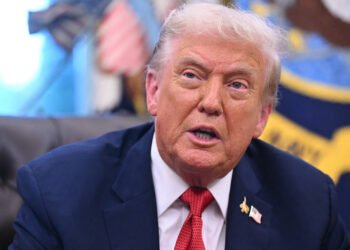 Trump Signs Bill Releasing Justice Department Files on Epstein
 US Military Team Visits Kyiv Amid War Talks
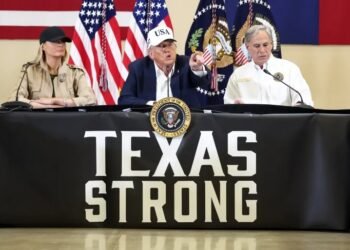 Texas Governor Faces Lawsuit From CAIR
 Most Tories Expect to Support a Farage-Led Government
 Ex-Classmate Accuses Farage of Dishonesty on Racism Claims
 Twenty-Four Nigerian Schoolgirls Freed After Abduction
 Two National Guard Soldiers Critically Injured Near White House
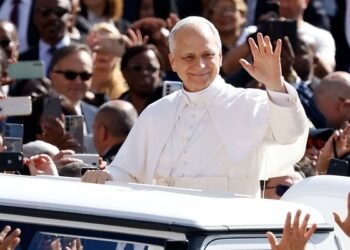 Pope Leo XIV Begins Historic Trip to Turkey and Lebanon
 Zambia’s President Faces Stone-Throwing Anger Amid Challenges
 Georgians Defy Government Crackdown After Year of Protests
 Southern Lebanon reels as Israeli strikes shatter communities
 India’s Labour Law Overhaul Sparks Fierce Debate
Trump to Recheck Green Cards from 19 Nations After DC Attack
India’s Labour Law Overhaul Sparks Fierce Debate
Trump to Recheck Green Cards from 19 Nations After DC Attack
 Carney’s Alberta Pipeline Deal Sparks Immediate Pushback
 Jordan Bardella: France’s Young Presidential Contender
 Rare shark attack kills woman, injures man at remote NSW beach
 Chinese & Japanese Boats Clash Near Disputed Islands
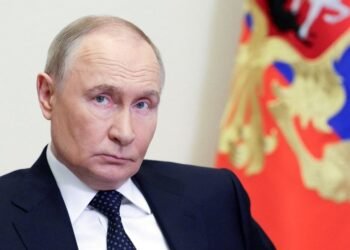 Putin Meets US Envoy Amid Key Ukraine Peace Talks
 EU plans $105bn Ukraine aid using frozen Russian assets
 Global campaign launched to free Palestinian leader Barghouti
 UK Aid Cuts Could Undermine Global Influence, Experts Warn