Published: 12 December 2025. The English Chronicle Desk. The English Chronicle Online.
The NHS is preparing for its most severe winter crisis in decades as rising flu cases put hospitals under extraordinary pressure. Medical services across the country face unprecedented demand, with emergency departments, GP surgeries, and ambulance services already struggling to cope with record patient numbers. Health leaders warn that conditions are set to worsen in the coming fortnight, urging the public to get vaccinated to reduce serious illness and protect vulnerable family members during the Christmas period.

Recent data from NHS England shows that an average of 2,660 people were admitted to hospital daily last week with flu-related symptoms, marking a 55 percent increase from the previous week and filling the capacity of multiple NHS trusts. One hundred and six patients required intensive care, most experiencing severe breathing difficulties. The surge comes alongside rising cases of respiratory syncytial virus and Covid-19, as well as a highly virulent H3N2 flu strain, which experts say is exacerbating pressure on already stretched healthcare services.
Prof Meghana Pandit, NHS England’s joint medical director, stated that hospitals are facing an “extremely challenging few weeks ahead” and warned that the flu peak remains uncertain. Authorities have highlighted that early circulation of the mutated flu strain and reduced natural immunity contribute to rising hospitalisations and heightened risk for older adults. To reduce strain, officials emphasise that vaccinations remain highly effective in preventing severe disease, despite low uptake in several at-risk populations.
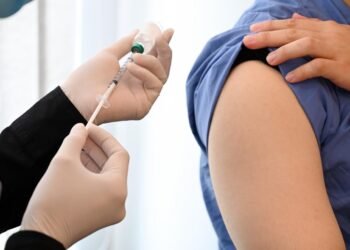
The UK Health Security Agency (UKHSA) has urged people to get vaccinated promptly, stressing that time is running out to ensure protection ahead of the festive season. Dr Conall Watson, a consultant epidemiologist at UKHSA, reassured the public that vaccines are available and highly effective at preventing serious illness. However, uptake among certain groups remains worryingly low, with under-65s with long-term health conditions showing only 37.4 percent coverage, pregnant women 35.6 percent, and young children between 41 and 42 percent. Conversely, vaccination among over-65s remains comparatively high at 71.7 percent.
Medical experts stress that vaccination should be combined with practical measures to limit virus spread. Ed Hutchinson, a professor of molecular and cellular virology at Glasgow University, advised using masks, practising social distancing, and working remotely when possible to reduce transmission. Shereen Hussein, a professor of health policy, urged the public to prioritise safe visits to older relatives, ensuring good ventilation, wearing masks when unwell, and opting for video calls if needed. These precautions aim to minimise exposure while maintaining important social connections during the holiday season.
The NHS also faces additional challenges due to staffing issues and industrial action threats. Keir Starmer and Health Secretary Wes Streeting have criticised the British Medical Association’s planned strikes by resident doctors next week, describing the action as irresponsible amid rising healthcare demand. Sir Jim Mackey, NHS England chief executive, called the strike “cruel” and “calculated” to disrupt services at a time of extreme pressure. Officials hope that resident doctors will accept the latest offer to avoid further disruptions and protect patient care.
NHS hospitals have begun declaring critical incidents in response to soaring demand, signalling that resources are under significant stress and external assistance may be required. Meanwhile, NHS England data also revealed that planned hospital care waiting lists have reached 7.4 million, slightly up from 7.39 million in September, indicating that systemic pressures extend beyond seasonal flu surges. Dr Vicky Price, president of the Society for Acute Medicine, warned that the flu crisis only exacerbates a “longstanding and predictable breakdown” in NHS capacity and workforce shortages, underscoring persistent structural challenges.

Health authorities continue to emphasise vaccination as the first line of defence, combined with practical safety measures. Public messaging stresses that immunisation not only protects the individual but also shields vulnerable community members from severe illness. While flu vaccination coverage remains uneven, officials hope that renewed awareness campaigns and clear guidance will increase uptake in critical populations. Pharmacies report minor local shortages, though overall vaccine supply remains sufficient to meet demand nationwide.
The NHS is now entering a period that could define the resilience of the healthcare system amid concurrent respiratory infections and workforce pressures. Flu, Covid, and RSV collectively risk overwhelming hospitals unless public cooperation increases through vaccination and careful preventive measures. Leaders continue to highlight that timely vaccination, combined with responsible behaviour, is essential to reduce serious illness and help the NHS maintain patient care standards during the festive season.
Related News:
 Concerns Mount Over Accuracy of At-Home Health Tests as Study Calls for Stricter Regulation
 NHS Under Pressure: Waiting Times Soar as Staffing Crisis Deepens
 The Ketamine Crisis in the UK is a Silent Epidemic Leaving Users with Lifelong Pain
 UK Launches World-First Gonorrhoea Vaccine Amid Record Infection Surge
 Woman Warned She Might Need Leg Amputation to Survive After Liquid Brazilian Butt Lift
 AI Tools Used by English Councils Found to Downplay Women’s Health Issues, Raising Concerns Over Gender Bias in Care
 Cats Develop Dementia Similarly to Humans, Study Finds
 Appalling Rise in Pharmacy Crimes: Staff Face Increasing Theft and Aggression
 Alarming rise in abusive teen relationships in the UK sparks urgent warnings
 Learner Drivers to Face CPR and Defibrillator Questions in New Theory Tests
 Inquest Finds Agency Worker Failings Led to Unlawful Death of Vulnerable 14-Year-Old
 UK Patients Face Steep Price Rise for Weight-Loss Drug Mounjaro
 Shocking Rise in Children’s Exposure to Violent Online Pornography Raises Alarm
 Baby Food Manufacturers Given 18 Months to Improve Nutrition and Labelling
 Why E-Bikes and E-Scooters Are Making Streets a ‘Nightmare’ for Blind People
 Millions in the UK at Higher Risk of Heart Failure and Stroke Due to Air Pollution, Study Warns
 Norfolk Hospital Ranked Worst in England as NHS League Tables Return
 NHS Trials £100 Blood Test That Could Revolutionise Alzheimer’s Diagnosis
 More Than Half of UK Births Now Involve Medical Intervention
 UK Graduates in Healthcare Report Highest Satisfaction with Degree Choices
 NHS ‘Toxic Culture’ Risks Harm to Mothers and Babies, Health Leader Warns
 Systemic Racism in Maternity Care Continues to Endanger Black Women in England, MPs Warn
 One in Three GPs in England Do Not Work in NHS, Raising Concerns Over Access to Care
UK Doctors Guilty of Sexual Misconduct Continue Practising Amid Weak Sanctions, Research Finds
One in Three GPs in England Do Not Work in NHS, Raising Concerns Over Access to Care
UK Doctors Guilty of Sexual Misconduct Continue Practising Amid Weak Sanctions, Research Finds
 Private Psychology Costs Surge in UK as Practitioners Turn Away Clients Amid Record Demand
 Heavy Drinkers Lead Growth in Non-Alcoholic and Low-Alcohol Market
 Omeprazole Alert: NHS Issues Guidance on Safe Use for Heartburn and Indigestion
 Starmer Unveils Plan for NHS “Online Hospital” to Tackle Waiting Lists
 Tragic Death Strikes Half-Marathon in Stoke-on-Trent: Runner Dies Shortly After Crossing Finish Line
 Call to Allow ‘Safe and Effective’ At-Home Abortions Up to 12 Weeks in the UK
 Questions Remain as Rugby Legend Lewis Moody Faces Motor Neurone Disease Diagnosis
 Eligibility Confusion Over COVID Vaccination Leaves Pharmacies Struggling Across the UK
 Majority of UK Men Would Opt for Prostate Cancer Screening, Survey Finds
 Scientists Announce First Potentially Accurate Blood Test for Chronic Fatigue Syndrome
 NHS Facilities Staff Vote to Strike Over Pay Discrimination
 Survey Shows Most GPs Rushing Appointments
 NHS Staff Strike Over £30m Pay Discrimination Claim
 Ambulance Worker Fired After Flinging Amputee from Wheelchair and Offering Bribe
 Women Challenge Meta Over Targeted Ads After Miscarriage
 Mum’s Final Wish: Donating Her Body to Science
 Genetic Tests May Predict Return of Blood Cancer
 UK Woman Becomes Longest Survivor of Heart-Lung Transplant
£18 Prostate Cancer Test Could Save Thousands of Lives
UK Woman Becomes Longest Survivor of Heart-Lung Transplant
£18 Prostate Cancer Test Could Save Thousands of Lives
 Thousands in the UK sue Johnson & Johnson over alleged talcum powder, linked to cancer
 Pregnant Women in England Face Rising Risk of Severe Birth Injury
 ‘Game-Changing’ HIV Prevention Jab Set for NHS Approval
 One in 12 Secondary Pupils Sent to Isolation Weekly
 M&S and Morrisons Lead Christmas Supermarket Taste Test
New Prostate Cancer Drug Set to Halve Death Risk in England
M&S and Morrisons Lead Christmas Supermarket Taste Test
New Prostate Cancer Drug Set to Halve Death Risk in England
 UK Health Leaders Push for Urgent Tobacco & Vape Bill
 Man Trapped in Quicksand Rescued in Dramatic Coastal Rescue
 Hospice Cuts Raise Alarm Across England Amid Funding Crisis
 Celebrities and Charities Demand UK Government Act on Child Poverty
 Experts Warn on Home Birth Risks, Call for Skilled Midwives
 Experts Urge Legal Right to Timely Cancer Care
 Patients to Test Health at Home to Ease NHS Winter Pressure
 London’s Childlessness Crisis: Schools Closing as Families Shrink
 North Sea oil workers must lose weight or face job loss
 Crisis charity to become landlord amid UK housing emergency
 Shouting Works Best to Deter Gulls, UK Study Finds
 Reeves rejects £1bn plea for NHS redundancy payouts
 Leading doctors issue warning amid ‘bad’ flu season
 Stroke Patient Mistaken for Drunk, Care Delayed
 UK launches major AI drive to fight deadly superbugs
 ‘Traumatic Wait’: Northern Ireland Women Face Breast Cancer Delays
 Welsh Government Christmas 2020 Lockdown Criticised
 Coffins Now Too Large to Cremate Amid Rising Obesity Crisis
 NHS paediatric leave parents waiting months for answers
 Catherine urges end to stigma around addiction
 Five-Year-Old Dies After Rare Tonsil Surgery Complication
 Fibromyalgia Patients Struggle as NHS Fails to Provide Care
 “Enough is Enough”: Local MP Vows to Fight Rainham Quarry Plans
 More Patients Now Contacting GPs Online, Data Shows
 GPs Failing Frail Elderly: Only 1 in 6 Assessed – NAO
 Trans Lives at Risk: Charities Slam Single-Sex Space Rules
 NHS Maternity Failings Leave Families Traumatized, Investigation Finds
 Inquiry Launched into North-East NHS Trust Patient Deaths
 People Resorting to Pulling Teeth Amid NHS Dental Crisis
 Ministers to back regulation of England’s funeral industry
 Teen Nicotine Pouch Use Sparks Growing Health Alarm