Published: 15 December 2025. The English Chronicle Desk. The English Chronicle Online.
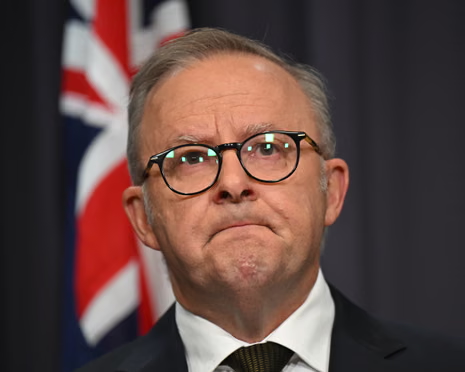
Australia faces its deadliest terror attack in decades, with the Bondi Beach shooting leaving at least fifteen people dead. The attack occurred during the Chanukah by the Sea celebration, shocking the nation and prompting an urgent response from state leaders. Prime Minister Anthony Albanese convened a national cabinet meeting on Monday, agreeing to introduce stricter gun laws nationwide to prevent similar tragedies in the future.
The father and son accused of carrying out the attack, Sajid Akram, 50, and Naveed Akram, 24, are reported to have targeted the Jewish community deliberately, marking a departure from random mass shootings seen in previous incidents. Albanese described the atrocity as ideologically motivated, driven by “an extreme perversion of Islam,” distinguishing it from the Port Arthur massacre in 1996, which led to Australia’s historically strict gun control measures.
 Authorities confirmed the weapons used in the attack were registered to the father, who owned six firearms, four of which were seized at the scene. The elder Akram died at the site after being shot by police, while his son sustained critical injuries and was taken to hospital under police guard. The revelation that the father was not an Australian citizen has intensified calls for tighter gun restrictions, with proposed reforms including the requirement that only citizens may hold firearm licenses.
Under the planned changes, there will be limits on the number of firearms individuals can own, as well as tighter regulations on open-ended licenses and weapon modifications. A national firearms register, previously scheduled for 2028, will now be fast-tracked to help enforce these reforms. NSW Premier Chris Minns confirmed state parliament would be recalled urgently to implement stronger laws, including mandatory license renewals for firearm owners.
The tragedy also raised concerns over intelligence oversight. Naveed Akram had previously been investigated by the Australian Security Intelligence Organisation (ASIO) in 2019 due to associations with individuals later jailed for extremist activities. His father was interviewed during the same investigation, but ASIO concluded no threat was posed. Prime Minister Albanese defended the agency, noting that no evidence of planning or promoting violent acts had been found at the time.
Political leaders and Jewish community representatives have demanded stronger action against antisemitism in Australia. Albanese pledged to dedicate all necessary resources to eliminate hate, violence, and terrorism. Opposition figures, including Sussan Ley, and the Jewish envoy Jillian Segal, have criticized the government for leaving antisemitism to “fester” and urged implementation of Segal’s recommendations, which include stricter legislation, enhanced visa screening, and monitoring of public institutions and media outlets to prevent distorted narratives.
The attack prompted international attention as well. Israeli Prime Minister Benjamin Netanyahu commented on potential links between Australia’s foreign policy and domestic antisemitism, although Albanese refuted any connection, emphasizing the broader support for a two-state solution in the Middle East. In the aftermath, dignitaries, including the Governor-General Sam Mostyn and former treasurer Josh Frydenberg, visited Bondi to pay tribute to victims, highlighting the national sense of grief and solidarity.
Experts have noted that targeted ideological attacks differ significantly from previous mass shootings in Australia. While the Port Arthur massacre involved indiscriminate violence, the Bondi Beach shooting demonstrates the lethal potential of extremist motivations combined with access to firearms. This has reinforced the urgency for legislative reform and strengthened security measures to protect vulnerable communities across the nation.
Segal stressed that condemning antisemitism alone is insufficient, advocating for a holistic societal approach that engages schools, universities, community leaders, and social media platforms to address hate comprehensively. Meanwhile, government ministers, state officials, and law enforcement agencies continue to coordinate efforts to enhance public safety and prevent future attacks.

As Australia processes the shock of the Bondi Beach attack, the emphasis on reforming gun legislation, monitoring extremist behavior, and combating antisemitism reflects a broader commitment to public safety and social cohesion. These measures are expected to redefine the national approach to firearms regulation and extremist threat prevention, aiming to prevent further tragedies while upholding the country’s legal and civic standards.
The Bondi Beach shooting underscores the necessity of proactive governance, coordinated intelligence, and community engagement in combating violent extremism. With the proposed reforms, Australia aims to strengthen its protective frameworks, balancing civil liberties with public security, and fostering resilience against hate-driven acts of terror.
Related News:
 Tasers Introduced in UK Prisons to Combat Rising Violence and Protect Staff
 UK Government Unveils Tough Crackdown on Social Media Ads Promoting Illegal Channel Crossings
 Police Prepare for Potential Disorder as Far-Right Groups Promote Anti-Migrant Protests Across England
 Mass Arrests in London as Protest Defies Ban on Palestine Action
 Police Advised to Disclose Ethnicity of Suspects in High-Profile Cases
UK police plans to reveal suspects’ ethnicity spark fears of “dog-whistle politics”
Police Advised to Disclose Ethnicity of Suspects in High-Profile Cases
UK police plans to reveal suspects’ ethnicity spark fears of “dog-whistle politics”
 UK Police Face ‘Chronic Pressure’ Amid Surge in Protests Over Asylum and Gaza
 Graffiti Targeting Angela Rayner Removed After Resident Foots the Bill
 Peter Mandelson Referred to Jeffrey Epstein as ‘My Best Pal’ in 50th Birthday Letter
 Peter Mandelson’s Letter to Jeffrey Epstein Sparks Renewed Scrutiny
 Father’s Tip Leads to Arrest in Charlie Kirk Murder Case
 Charlie Kirk Killing Used to Mobilise UK’s Largest Far-Right Rally in Decades
 Far-Right Facebook Groups Fuel Radicalisation in the UK, Investigation Reveals
 Metropolitan Police Considers Requiring Officers to Declare Freemasonry Membership
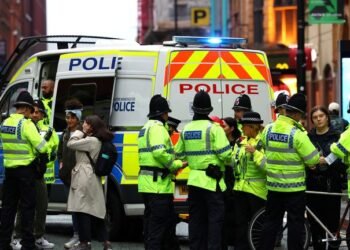 UK Police to Gain New Powers to Manage Repeated Protests, Home Office Announces
 Stephen Lawrence’s Father Demands Justice Before Killer’s Parole
 Starmer Condemns 7 October Student Protests as ‘Un-British’
 Teen and Man Arrested Over Nursery Cyber Attack Exposing 8,000 Children
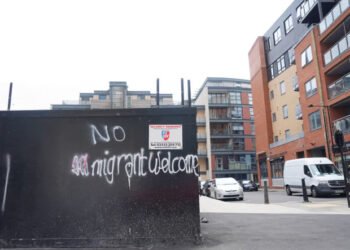 UK Charities Warn Rising Hate Threatens Staff Safety
 Agnes Wanjiru’s niece urges Labour to expedite ex-soldier’s extradition
 Southport rioter dies in cell after prison disciplinary charge
 Starmer’s grooming gang inquiry in turmoil after two survivors quit
 Reform Councillor Defects to Tories Over ‘Uncomfortable’ Policies
 FBI Director Kash Patel Defends Girlfriend Amid Government Jet Claims
 French Taxi Driver Cleared in David Lammy Theft Case After Fare Dispute
 Company linked to Michelle Mone owes £39m in tax
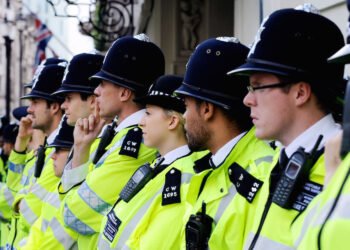 Met Police Culture Makes Racial Harm ‘Inevitable’
 Eleven Arrested After Pro-Palestine Protest at Villa Match
 ‘Reckless’ cuts to victims’ services will cost more than they save
 British state supplied victims to ‘worst sex offender in history’
 New Epstein Files Spark Political Clash in Washington
 Ukraine Energy Corruption Scandal Hits Zelensky’s Inner Circle
 New review urges UK to repatriate Shamima Begum, others from Syria
 Victims’ commissioner Baroness Newlove dies aged 63
 Indian authorities demolish Kashmir home linked to Red Fort blast
 UK Candidate Moved to Safe House After Election Threats
 Ex-PM Hasina Gets Death Penalty for Crimes Against Humanity
 South African Detained After Neo-Nazi Rally in Australia
 Philippines Flood Fund Scandal: Top Ministers Step Down
 Hasina Sentenced: Will Bangladesh Repeat Past Mistakes?
 Trump Slams Democrats With ‘Seditious’ Death Claim
 WhatsApp Messages Expose Nathan Gill’s Bribery
 Venezuela Threatens Nobel Winner Machado with Fugitive Status
 Ex-Classmate Accuses Farage of Dishonesty on Racism Claims
 Trump Envoy to Discuss Ukraine Peace at Kremlin
 Video shows Israeli troops kill Palestinians after surrender
 Ex-Brexit MEP Rejects Claim of Pro-Russia Payments
 Guinea-Bissau President Flees After Military Coup
 UK Must Act with Courage and Clarity on Israel-Palestine Conflict, Says Foreign Affairs Committee Report
 West End Exposed as London’s Knife Crime Epicentre Amid Alarming Surge in Violence
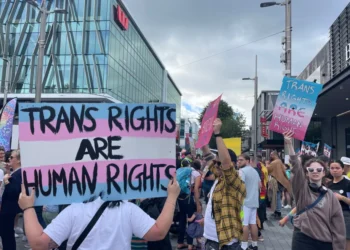 The Fight for Trans Safety Is a Fight for Everyone’s Safety — MPs Must Debate This Crucial Issue
 Targeted Attack in Bury Sparks Murder Investigation as Community Awaits Justice
 Radioactive Leak at UK’s Nuclear Warhead Base Sparks Outcry Over Safety and Secrecy
 Hong Kong Summons UK and Australian Envoys Following Asylum Grants to Democracy Activists
 Merseyside Police Helicopter Crew Cleared After Low-Altitude Pursuit of Suspect
 Is the UK Ready to Put Boots on the Ground in Ukraine? Assessing Military Capacity and Challenges
 Police Scotland Spends £500,000 Compensating Officers Over Trump Visit
 Rylan Clark Criticizes UK Immigration Policies on This Morning, Sparking Public Debate
 Urgent Action Needed on Windrush Compensation as Survivors Speak of “Waiting to Die”
 Tanni Grey-Thompson Faces Abuse Over Opposition to Assisted Dying Bill
 TfL Invites RMT to Resume Talks as London Tube Strikes End
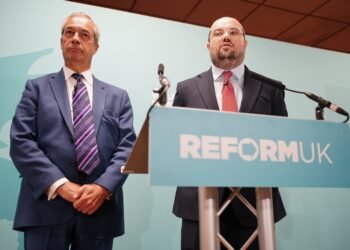
 Nigel Farage Unveils Controversial Immigration and Welfare Plans at Reform UK Press Conference
 Yvette Cooper Signals Global Momentum Towards Gaza Peace Deal Amid Humanitarian Crisis
 No Evidence Found to Substantiate Alleged Rape in Oxfordshire Churchyard, Police Confirm
 Massive London Poundland Fire Engulfs High Street
 Paedophile Singer Ian Watkins Dies After Prison Attack
 UK border officers deployed to Balkans to tackle migrant smuggling
 UK MPs warn of repeat riots over online misinformation
 Russia’s Latest Push to Win US Favors Shows Deep Desperation
 Trump’s UK Ambassador Urges North Sea Drilling to Strengthen US Ties
 UK Bans Fake Numbers: Scammers Lose Their Trick
BBC to Apologise Over Edited Trump Speech Amid Backlash
UK Bans Fake Numbers: Scammers Lose Their Trick
BBC to Apologise Over Edited Trump Speech Amid Backlash
 Millionaires group urge Reeves to introduce wealth tax to ‘lift kids out of poverty’
 Reeves rejects £1bn plea for NHS redundancy payouts
 PM Condemns Leaks, Vows Loyalty to Ministers and Stability
 Greene Pushes Epstein Files Amid Trump Fallout
 Shadow Fleet at Sea: Europe’s Battle Against Illicit Oil Shipping
 Starmer Says Labour’s Economic Plan Needs Years to Deliver
 England delays four mayoral elections amid criticism
 Tory Free Schools Waste £325m on Failed Projects