Published: 22 July ‘2025. The English Chronicle Desk. The English Chronicle Online
British Foreign Secretary David Lammy has delivered one of the strongest rebukes yet by a Western government official against Israel’s ongoing military operations in Gaza, describing the targeting of starving Palestinians as “grotesque” and “sickening.” His statements, which came during a series of media interviews on Monday, reflect mounting international condemnation following the Israeli military’s deadly operations in Deir al-Balah, a critical hub for humanitarian relief.

The latest offensive, which included a wave of air raids and ground incursions over the weekend, led to the highest single-day Palestinian death toll in nearly two years. According to Gaza’s civil defence agency, at least 93 people were killed while queueing for food. Eyewitness reports and humanitarian agencies confirm that those seeking aid were targeted in densely populated zones with little access to safe shelter or medical help.
Lammy, speaking to BBC Radio 4’s Today programme, expressed deep frustration that the United Kingdom could not unilaterally stop the war. While acknowledging the UK’s limited leverage, he made clear that the government would not turn a blind eye to what he called a catastrophic and morally indefensible situation. He insisted that all UK-issued arms export licences that could be used in Gaza had been suspended and strongly denied allegations that British surveillance flights provided intelligence support to Israeli forces.
The foreign secretary’s remarks come amid growing pressure from rights groups and international partners. The UK has now joined 27 other nations—including Australia, Canada, and France—in formally condemning Israel’s blockade of aid and the systematic deprivation of Palestinians’ basic human needs. The joint statement accused the Israeli government of stripping civilians of their “human dignity” and urged the immediate removal of restrictions on humanitarian access.
Despite this unified stance, major humanitarian organisations, including Amnesty International, have denounced the governments’ statements as insufficient and performative. Amnesty called on the UK and others to halt all arms sales, whether direct or indirect, and specifically cited the need to suspend shipments of components for the F-35 fighter jets used by Israel in Gaza strikes.
Confronted with criticism over the continued existence of over 300 UK arms export licences related to Israel, Lammy reiterated that none of them were active for use in Gaza and defended his record. “We have suspended arms sales that can be used in Gaza,” he said. “I’m satisfied that we are not in any way complicit in a breach of international humanitarian law. That’s the sober undertaking that I take as foreign secretary.”
Pressed further on whether the UK could influence the outcome of the conflict, Lammy admitted the limitations of Britain’s unilateral actions. He stressed the importance of working in concert with allies and indicated that more punitive measures could be implemented if Israel’s military campaign continued. “If we do not see this war come to an end, there will be more action,” he said. “We have obviously failed until it succeeds. That is the truth.”
Lammy’s remarks were especially pointed when describing the horror of watching children being shot while reaching for food. “I’m appalled. I’m sickened,” he said in a visibly emotional appearance on BBC Breakfast. “These are not words that are usually used by a foreign secretary attempting to be diplomatic, but when you see innocent children holding out their hand for food, and you see them shot and killed in the way that we have seen in the last few days, of course Britain must call it out.”
He added that Britain would continue its diplomatic pressure on the Israeli government, noting that an overwhelming majority of Israeli citizens—reportedly 83%—now support a ceasefire to secure the release of remaining hostages and to end the bloodshed.
Asked by ITV’s Good Morning Britain what more his government was prepared to do if Israel did not change its course, Lammy responded unequivocally. “We’ve announced a raft of sanctions over the last few months. There will be more, clearly. And we keep all of those options under consideration if we do not see a change in behaviour and the suffering that we are seeing come to an end.”
 Lammy’s statements signal a shift in tone from the British government, which has until now walked a cautious line between supporting Israel’s security concerns and addressing the humanitarian crisis in Gaza. The gravity of recent events, particularly the targeted killing of civilians in line for aid, appears to have tilted the balance, prompting not just condemnation but also the threat of concrete diplomatic and economic consequences.
As the conflict grinds on with no end in sight and civilian casualties continue to mount, global attention is now sharply focused on how the UK and its allies will act—beyond words—to stem the bloodshed and restore the barest measure of human dignity in one of the most war-ravaged regions on earth.
Related News:
 Kinnock’s Rebuke Echoes Loudly as Corbyn Allies Launch Left-Wing Breakaway: “A Gift to Farage”
 Tories in Turmoil as Sir Jake Berry’s Defection to Reform Sparks Fears of Further Exodus
 Starmer Seeks to Regain Momentum with Summer ‘Refresh’ Amid Political Pressures and Party Fractures
 “I Feel English”: Young Migrant’s Dream of Britain Amid Political Pressure Over Channel Crossings
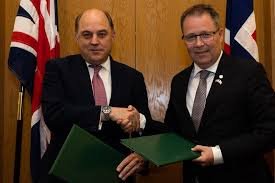 UK and Norway Forge Stronger Ties Through Joint Sanctions and Enhanced Defence Cooperation
 Nation Mourns as Former Nigerian President Muhammadu Buhari Passes Away in London
 Trump Administration Dismisses 17 Immigration Judges, Sparking Debate Over Judicial Independence
 WHO Condemns Israeli Attacks on Gaza Facilities as Humanitarian Crisis Deepens
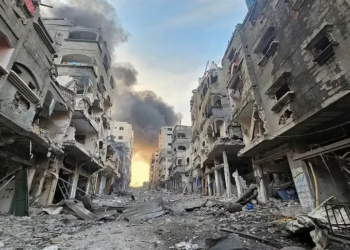 Netanyahu Announces Plan to Take Over Gaza City, Escalating Conflict Further
 Prominent Al Jazeera Journalist Anas al-Sharif Among Five Reporters Killed in Israeli Airstrike on Gaza
 Denmark Investigates Professional Drone Incursions Across Multiple Airports, No Evidence of Russian Involvement
 Sir Sadiq Khan Accuses Trump of Racism and Islamophobia Following UN Remarks
 Tony Blair Considered for Leadership Role in Transitional Gaza Authority
 Trump Seeks Breakthrough in Israel-Gaza Peace Talks
 Japan’s First Female Governing-Party Leader Emerges Amid Ultra-Conservative Politics
 Misinformation and Political Pressure Force Weston-super-Mare to Abandon Refugee Sanctuary Plan
 Trump Hails Gaza War’s End, Pushes for Middle East Peace
 Mikie Sherrill Elected New Jersey’s Governor in Key Win
 Britain deploys RAF specialists to assist Belgium with drone threats
 Hannibal Gaddafi Freed After Nearly a Decade in Lebanon
 US Justice Department Files Lawsuit Against California Over Partisan Voting Maps
 December Run-Off in Chile as Election Produces No Winner
 UN Security Council Approves Trump’s Gaza Peace Plan
 Congress Approves Release of Epstein Files, Trump Expected to Sign
 Shadow Fleet at Sea: Europe’s Battle Against Illicit Oil Shipping
 Rapper Nicki Minaj Highlights Threats to Christians in Nigeria
 Rama Rebukes Mahmood for Targeting Albanian Families
 Russian Vessel Used Lasers on RAF Pilots, UK Claims
 Pentagon Officials in Ukraine to Discuss War End
 WhatsApp Messages Expose Nathan Gill’s Bribery
 India’s COP30 Delay Raises Global Climate Concerns
 Venezuela Threatens Nobel Winner Machado with Fugitive Status
 Texas Governor Faces Lawsuit From CAIR
 Trump Envoy to Discuss Ukraine Peace at Kremlin
 Pope Leo XIV Begins Historic Trip to Turkey and Lebanon
 Georgians Defy Government Crackdown After Year of Protests
 Putin Intensifies Territorial Demands Before US Talks
 India’s Labour Law Overhaul Sparks Fierce Debate
 Video shows Israeli troops kill Palestinians after surrender
 Trump to Recheck Green Cards from 19 Nations After DC Attack
 Chinese & Japanese Boats Clash Near Disputed Islands
 Putin Meets US Envoy Amid Key Ukraine Peace Talks
 Kremlin Talks With US Yield No Ukraine Peace Breakthrough
 Justice Deferred, Not Denied: Government Orders Full Statutory Inquiry into Orgreave Clash Four Decades On
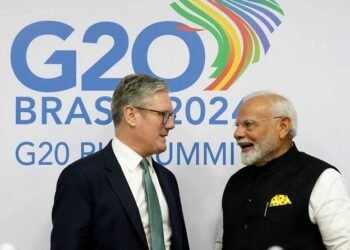 Modi’s London Visit Seals Historic UK-India Trade Pact Amid Global Tensions
 Trump Threatens 100% Tariff on Nations Importing Russian Oil Amid India Standoff Over Ukraine War
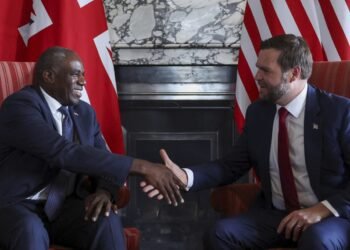 Lammy and Vance Meet in Britain to Advance US-Brokered Ukraine Peace Talks
 Where Is Prince William and Kate Middleton’s New House? Inside the Historic Lodge Set to Become Their ‘Forever Home’
 Costa Blanca Holiday Horror as Food Poisoning Outbreak Hits Four-Star Hotel
 Protests Expected as Israeli Arms Firms Join Global Defence Trade Fair in London
 Trump Appears Sidelined as Israel’s Unprecedented Strikes Hit Qatar
 Conservative Influencer Charlie Kirk Fatally Shot During University Debate
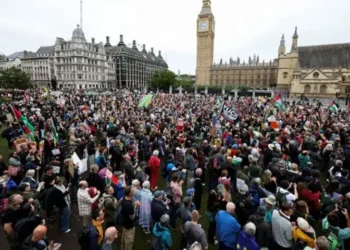 Thousands Gather in London to Protest Donald Trump’s Second UK State Visit
 UK Fighter Jet Purchase Could Breach Nuclear Treaty, Warns CND
 A Third of EU Citizens in UK Report Discrimination by Public Bodies Post-Brexit
 Bournemouth Stun Fulham with Dramatic Comeback in Premier League Thriller
 Arsenal Showcase Depth and Flexibility as Arteta Eyes Title Challenge
 Public Trust in SNP Hits Historic Low Amid NHS Concerns
 Johnson Suggests Mandelson Linked to China Spy Controversy
 Zelensky to Urge Missile Aid as Trump and Putin Plan Summit
 Rachel Reeves signals welfare reform ahead of key budget
 Ireland Votes as Two Women Compete for Presidency
 Experts Warn Russia’s Burevestnik Missile Could Destabilise Arms Control
 Johnson Approved China’s London ‘Super-Embassy’ in 2018
 Tragedy on Lizard Island: Cruise Passenger Dies
 Zarah Sultana Launches Party to Change Politics
 US Senate Passes Funding Bill to End Historic Shutdown
 Pressure Mounts on Starmer to Sack Chief of Staff Over Briefing Row
 Trump Deploys DHS to Charlotte in Major Arrest Operation
 Orban Says Ukraine Has ‘No Chance’ as EU Support Continues
 Israeli Strike Kills 13 Near Palestinian Camp in Lebanon
 Haiti Qualifies for World Cup Despite Coach Never Visiting Country
 Vietnam Battles Deadly Floods as Rains Continue
 At Least Three Dead in Bangladesh Earthquake
 Israel Confirms Hamas Returned Dror Or’s Body
 Millions Face Higher Taxes Under Reeves New Budget
 Two National Guard Soldiers Critically Injured Near White House
 Mbappe Scores 4 as Real Madrid Edge Olympiakos
 Sri Lanka Floods Leave 56 Dead, Dozens Missing
 Jordan Bardella: France’s Young Presidential Contender