Published: 21 December 2025. The English Chronicle Desk. The English Chronicle Online.
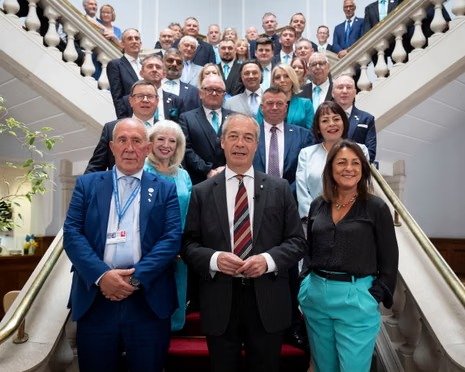
Kent County Council, a flagship authority under Reform UK, is facing widespread criticism for approving plans to spend tens of thousands of pounds on hiring political assistants, sparking debate over financial priorities and governance transparency. The controversy has reignited concerns about hypocrisy within the party, following similar allegations earlier this year in Warwickshire, where Reform councillors voted to spend £150,000 on advisers, some parachuted in by the national party to manage local council operations.
The decision in Kent emerged amid growing scrutiny of local government spending, as councils across the UK grapple with budget crises and rising demands for essential services. Reform UK councillors, who were elected on promises to cut waste and save money, faced public backlash after approving the appointment of political aides at a considerable cost.

A recently leaked recording of a Kent council meeting revealed councillors wearing turquoise Santa elf hats, as party leader Maxwell Harrison informed members that a former Reform director of campaigning and training at the national party headquarters had been appointed as a “political assistant.” The individual in question, Michael Hadwen, has previously attracted controversy for remarks on social media regarding sensitive topics, including immigration and international relations.
Hadwen’s past statements have drawn particular attention. In a 2018 tweet responding to Conservative politician Daniel Hannan, he supported Enoch Powell’s views on immigration, stating: “Enoch was right, he was just before the times.” In the same year, following the attempted assassination of Sergei and Yulia Skripal in Salisbury, Hadwen remarked, “Russia is not my enemy. We should be working with them, and not throwing around threats like a spoilt child,” highlighting his contentious public positions.
Despite these controversies, the council voted 45 in favour and 26 against to ratify the appointment. Reform UK maintains a majority in Kent County Council, although recent internal purges have removed dissenting members amid bitter factional disputes. Leaked footage shared with media outlets previously revealed heated arguments among councillors, with party leader Linden Kemkaran instructing members to “fucking suck it up,” reflecting ongoing tensions within the local authority.
Critics argue that the timing and nature of the appointments reflect poorly on Reform UK’s commitment to fiscal responsibility and local governance. Councillors in Kent face increasing pressure from opposition parties and constituents alike, who question the ethics of hiring political aides while public services and council budgets remain under strain. Local activists and residents have expressed concern that such expenditures undermine the party’s electoral promises and erode public trust.
Defenders within Reform UK argue that political assistants are necessary to support councillors in executing complex policy agendas and managing administrative workloads, particularly as councils navigate unprecedented financial pressures and public expectations. Supporters claim that the appointees bring expertise and organizational capacity, though opponents maintain that these roles serve partisan interests rather than the public good.
The Kent appointment also raises broader questions about national oversight and the influence of party headquarters on local governance. Critics note that the involvement of party-appointed aides from national offices blurs the line between independent local decision-making and top-down party control, a concern echoed in previous controversies involving Reform UK councils.
Political analysts have highlighted that the situation reflects challenges inherent in new political movements transitioning from campaign-focused organizations to governing bodies. The tension between maintaining party cohesion and responding to constituent needs can create conflicts over budget allocation, staff appointments, and transparency.
The episode in Kent comes at a time when the UK government is under pressure to scrutinize local authority spending amid rising inflation, cost-of-living pressures, and increased demand for public services. Local elections, internal party stability, and voter perception may all be influenced by the handling of these controversies.
Observers note that public reaction to the Kent council decision may affect Reform UK’s broader national standing, as voters scrutinize the alignment between campaign rhetoric and actual governance practices. The interplay between political loyalty, administrative necessity, and ethical responsibility continues to shape debates around the legitimacy of council expenditures on politically-affiliated staff.

As local media coverage intensifies, Kent councillors and Reform UK leaders are under mounting pressure to justify spending decisions, clarify roles and responsibilities of political assistants, and demonstrate commitment to transparency and accountability. The unfolding situation underscores the challenges faced by emergent political parties in balancing ideological commitments with pragmatic governance, while navigating the heightened scrutiny of a politically engaged electorate.
The controversy is likely to remain a focal point for local politics in Kent, shaping discussions around governance priorities, fiscal accountability, and the proper role of party-affiliated staff within publicly funded councils. How Reform UK addresses constituent concerns and reconciles internal party dynamics will play a critical role in determining the public’s confidence in its ability to govern responsibly.
Related News:
 It’s time to come clean on the China spy case
 Reform Councillor Defects to Tories Over ‘Uncomfortable’ Policies
 FBI Director Kash Patel Defends Girlfriend Amid Government Jet Claims
 French Taxi Driver Cleared in David Lammy Theft Case After Fare Dispute
 Company linked to Michelle Mone owes £39m in tax
 Met Police Culture Makes Racial Harm ‘Inevitable’
 Eleven Arrested After Pro-Palestine Protest at Villa Match
 Boris Johnson accused of undermining BBC leadership
 Remaining rebel Labour MPs have whip restored
 Second world war veterans honoured as King leads Remembrance Sunday
 ‘Reckless’ cuts to victims’ services will cost more than they save
 BBC Faces Backlash as Reform UK Withdraws from Film
 Wes Streeting Denies Leadership Plot Against Starmer
 British state supplied victims to ‘worst sex offender in history’
 UK Candidate Moved to Safe House After Election Threats
 Most Tories Expect to Support a Farage-Led Government
 BBC Chairman Faces Scrutiny Over Bias Claims
 Ex-Classmate Accuses Farage of Dishonesty on Racism Claims
 Ex-Brexit MEP Rejects Claim of Pro-Russia Payments
 Tasers Introduced in UK Prisons to Combat Rising Violence and Protect Staff
 MPs Warn Thousands Still Face Poverty Despite Labour’s Welfare Reform Retreat
 Mass Arrests in London as Protest Defies Ban on Palestine Action
 Police Advised to Disclose Ethnicity of Suspects in High-Profile Cases
 Urgent Action Needed on Windrush Compensation as Survivors Speak of “Waiting to Die”
 Zarah Sultana Seeks Legal Action After Bitter Clash with Jeremy Corbyn Over Party Membership Funds
 Jailed Georgian Opposition Leaders Warn UK of Iranian Links to Ruling Party
 Stephen Lawrence’s Father Demands Justice Before Killer’s Parole
 Human Rights Groups Challenge UK-France “One in, One Out” Deal
 Kosovo agrees to host Britain’s refused asylum seekers
 Sex offenders to lose parental rights for children born of rape
 Peterborough Mosques Tighten Security After Attack
 British Woman in Iran ‘Losing Hope’ Amid Ongoing Detention
 BBC Journalist Held and Interrogated in Vietnam
 Green Party Surges Past Labour in Latest UK Poll
 Celebrities and Charities Demand UK Government Act on Child Poverty
 Afghan man charged with murder after west London knife attack
 Trump’s UK Ambassador Urges North Sea Drilling to Strengthen US Ties
 Experts Warn on Home Birth Risks, Call for Skilled Midwives
 UK University Faces Counter-Terror Probe Over China Pressure
 UK Bans Fake Numbers: Scammers Lose Their Trick
 Just Stop Oil Protesters Convicted Amid Climate Defence Row
 MPs Press Rachel Reeves to Hike Gambling Taxes
 Jailed UK climate protesters face extremist-style restrictions
 How to get help when a child goes missing – call 999 urgently
 Millionaires group urge Reeves to introduce wealth tax to ‘lift kids out of poverty’
 Starmer Faces Growing Dissent as Labour MPs Weigh Leadership Challenge
 Reeves rejects £1bn plea for NHS redundancy payouts
 Farage appointee to lead Reform youth accused of anti-British views
 Politics latest: Starmer ‘will fight any leadership coup’ as Streeting denies attempt to oust Labour PM
 Ukraine-Russia war latest: Putin’s troops exploit bad weather to force Kyiv withdrawal from multiple towns
 PM Condemns Leaks, Vows Loyalty to Ministers and Stability
 Major Rent Reform Ends No-Fault Evictions in England
 Peers Flood Assisted Dying Bill with 942 Amendments
 England’s Special Needs Support Faces Breaking Point
 Met Police Clarifies Scale of Grooming Gang Cases
 MoD warned over Excel risks before Afghan data breach
 Navy cuts scrap key landing upgrade for UK F-35B jets
 Greene Pushes Epstein Files Amid Trump Fallout
 UK Asylum Overhaul Sparks Debate Over Human Rights and Deportations
 Criminal Gangs Pose as Truckers to Hijack UK Supply Chains
 Mum Calls for New Licence Rules After Teen Road Death
 Mother Watches in Horror as Teen Daughter Dies on Tracks
 South African Detained After Neo-Nazi Rally in Australia
 UK Warns China After MI5 Issues Espionage Alert
 Labour Faces Historic Decline in Wales
 Rama Rebukes Mahmood for Targeting Albanian Families
 Serial Rapist and Former Cop Found Guilty Again
 PM Highlights UK Business at G20 in South Africa
 Kate Forbes: Motherhood Harder Than Politics
 Venezuela Threatens Nobel Winner Machado with Fugitive Status
 Inside the Helpline Protecting Missing Children in the UK
 Labour MP claims devolution bill is ‘blatant discrimination’ against Cornwall
 Trump Envoy to Discuss Ukraine Peace at Kremlin
 Millions Face Higher Taxes Under Reeves New Budget
 Peers Get Extra Time to Debate Assisted Dying Bill
 Planned Palestinian Flag Raising at Belfast City Hall Faces Delay Amid Legal Concerns
 Video shows Israeli troops kill Palestinians after surrender
 Jordan Bardella: France’s Young Presidential Contender
 Starmer Says Labour’s Economic Plan Needs Years to Deliver
 Culture secretary to review Telegraph takeover by Daily Mail owner