
Published: 13 January 2026. The English Chronicle Desk. The English Chronicle Online.
The UK government is at serious risk of missing crucial wildlife targets in England and Northern Ireland, according to the Office for Environmental Protection (OEP). The watchdog’s report, released this week, warns that the government is failing on almost all measures designed to protect biodiversity, clean air, and environmental hazards. Wildlife, the report stresses, remains under unprecedented threat, and the 2030 legally binding targets under the Environment Act 2021 are unlikely to be achieved without urgent intervention. This includes protecting iconic species like hedgehogs and red squirrels, which continue to decline rapidly.
Seven out of the ten legally binding targets set in the 2021 Environment Act show little chance of being met by 2030. While clean air improvements, environmental hazard reduction, and enhancing the beauty of nature are somewhat on track, the overall outlook remains alarming. The report states that the opportunity to reverse species decline before 2030 “has now largely passed,” emphasizing the urgent need for government action to prevent further loss. Wildlife conservation, it adds, is being jeopardized by some legislative proposals that could allow construction on currently protected nature sites, particularly through upcoming planning and infrastructure bills.

Robbie McDonald, OEP chief scientist, said that new policies could result in further habitat destruction. He noted, “We are concerned this approach could lead to loss of valuable habitats. The proof will be in the pudding, and we will be closely monitoring the outcomes.” Meanwhile, some ministers have previously suggested that wildlife, including snails, bats, and spiders, hinders economic growth. OEP chair Glenys Stacey countered this, stating that nature is essential to supporting and driving economic development, not obstructing it.

Mary Creagh, the UK’s nature minister, has outlined a clear plan for achieving legally binding targets. She stressed that urgent action is underway to restore ecosystems and enhance the natural environment. However, the OEP’s report underscores that without immediate, sustained effort, wildlife protection in England and Northern Ireland will remain at serious risk, and key biodiversity objectives will be missed.
The report serves as a stark reminder that legislative ambition must be matched by practical, on-the-ground environmental measures. As the 2030 deadline approaches, the government faces increasing scrutiny over its commitment to wildlife and habitat preservation, while the public confronts rising threats from floods, wildfires, and declining air quality. With only a few years left, the next steps taken by ministers will determine whether Britain meets its legally mandated wildlife and environmental obligations.
Wildlife experts emphasize that coordinated action across farming, urban planning, and protected site management is essential to prevent further ecological collapse. Failure to meet these targets could have long-term consequences for species survival, public health, and economic sustainability. The OEP report concludes that while some progress exists, urgent government leadership is essential to avoid irreversible environmental decline. Wildlife conservation remains a critical test of the UK’s ability to balance economic growth with ecological stewardship.
Related News:
 ‘Extinct’ Antelope Returns to Sahara, Bringing Hope
 Eden Project Founder Celebrates 25 Years of Nature’s Hope
 Dog Food Emissions: 1% of UK Greenhouse Gas Revealed
 Dutch Nationwide Fireworks Ban Expected to Transform New Year Traditions
 Dubai Chocolate Craze Inspires South Korea’s Latest Dessert Obsession
 Traces of Glyphosate Found in UK Playground Tests
 Polycrisis Anxiety Leaves Many Feeling Trapped in the Present
 Japan Prepares for Kashiwazaki Restart After Fukushima Legacy
 Kent Residents Continue Facing Water Supply Disruptions
 Water firms may avoid fines under UK water reform plan
 Antarctic Penguins Shift Breeding Season Amid Climate Change
 No Gas Boiler Ban as UK Warm Homes Plan Backs Heat Pumps
 The Sound of Mayhem’: Terror and Loss at Mount Maunganui
 Reindeer Deaths Rise as Finnish Herders Blame Border Wolves
 Devon hosts first high-density hydro power system
 US-Style Pickup Trucks Surge on UK Roads
 How Sandhill Ashes Rebuilt a Bushfire-Hit Rural Community
 Storm Chandra flooding leaves England on high alert
 Gentoo Penguins First Birds on Australian Territory Hit by Bird Flu
 Chikungunya Spread in Europe Climbs as Climate Warms
 Scotland’s Emissions Plans Face Criticism for Over-Reliance on Technology
 Germany Faces Backlash Over Scrapped Renewable Heating Mandate
 Save the Caterpillars to Help UK Moth Populations Grow
 Wood burner legal threats spark council row
 South East Water Fined £22.5m for Repeated Supply Failures
 Yorkshire Water Funding Sparks Debate Amid Fines and Pay Row
 Net Zero Cheaper Than One Fossil Fuel Crisis, UK Told
 Musk’s xAI Permit Sparks Fury Over Power Plant Expansion
 Welsh Water Faces £44.7m Enforcement Over Sewage Breaches
 The Truth Behind Rising Energy Costs and Fossil Fuel Myths
 New £10bn rescue plan offered for Thames Water
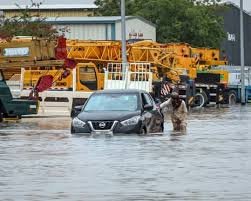 Middle East Deluge: Freak Storms Bangle Desert Nations
 Trump to Deploy “God Squad” Over Gulf Wildlife Protections
 RNLI Beach Rescues Surge as Coastal Popularity Hits New High
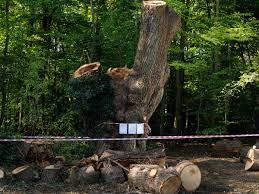 The Secret Identity Behind the Enfield Oak Felling
 Evacuations Ordered as California Wildfires Spread Fast
 US Waste Crisis: Mexico Branded a Toxic Garbage Sink
 Cyclone Maila Intensifies to Category Five Strength
 Miles Jupp: How the Magic of the Ashes Sparked a Bold Blag
 RSPB Urges Summer Bird Feeder Removal to Curb Disease
 Britain Facing Sharp Decline in Rare Butterfly Species
 15 Million Oysters Set to Revive UK Marine Ecosystems
 Fuel Prices Drop Despite Geelong Refinery Blaze
 Medellín’s Green Revolution: A Global Climate Blueprint
 Ancient Cattle Breed Faces Urgent Risk of Extinction
 Nature Watchdog Accused of Halting Vital Site Protections
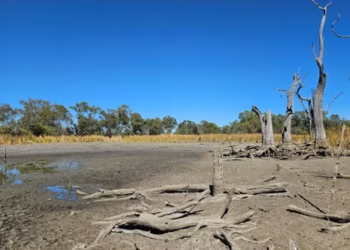 Broken Promises: Murray-Darling River Crisis Deepens
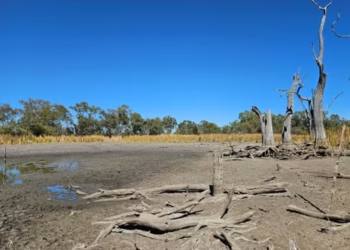 Governments Fail Murray-Darling River Projects
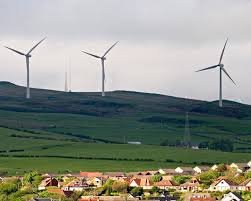 Renewable Energy as a Strategic Shield for UK Security
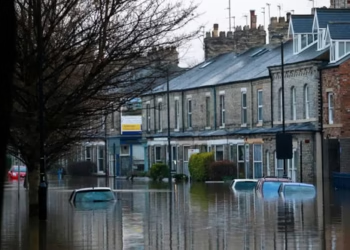 Urban Flood Crisis: A Growing Threat to English Homes
 Escobar’s Hippos May Be Moved to India Zoo
 Capitalism ‘Suicidal’, Warns Petro at Climate Summit
 UK Firm Faces Backlash Over US Oil Advertising Deals
 The Lion Guard: How One Woman Heals the Zambezi Valley
 Ukraine strikes Tuapse as oil disaster worsens
 Stolen Hives: The Great Australian Bee Heist
 Charities Demand Labour Deliver Urgent New Clean Air Act
 UN Faces Crucial Vote on Landmark ICJ Climate Ruling
 Man killed in shark attack on Great Barrier Reef
 Hope for mountain bongos returns to Kenya
 Saving Our Lost Rainforests: The Battle for Dartmoor
 Outcry Over Kushner’s Albanian Resort
 Whitehall Steps In: The Battle Over Thames Water Deepens
 Australia Investigates Suspected Mainland H5N1 Case
 Green Lawsuits Surge as AI Expansion Strains Planet
 UK Launches Massive Campaign To Save Precious Water Supply
 US Courts Back Trump on Park Signage Removals
 Deadly H5 Bird Flu Reaches Australia’s East Coast
 Lanarkshire AI Hub Fails Energy Promises
 UK Heatwaves Ignite Crisis of Sleep and Public Safety
 Britain’s Mini Fan Craze Sparks Major Waste Crisis
 Global Climate Progress: Europe Leads as US Lags Behind
 The Carbon Capture Con: Wasted Billions for Taxpayers
 US Chemical Accidents Rise as Protections Are Rolled Back
 Concerns Rise Over New Zealand’s AI Datacentre Plans
 Swift Nesting Crisis Sparks Outrage in South Tyneside
 New Debt Limits Proposed for England’s Water Sector
 Japan Bear Hunt: Serial Fridge Raider Sparks Panic
 Thames Water Future Remains Uncertain Amid Funding Crunch
 Three-Quarters of England’s Riverbanks Still Off Limits