Published: 24 July ‘2025. The English Chronicle Online.
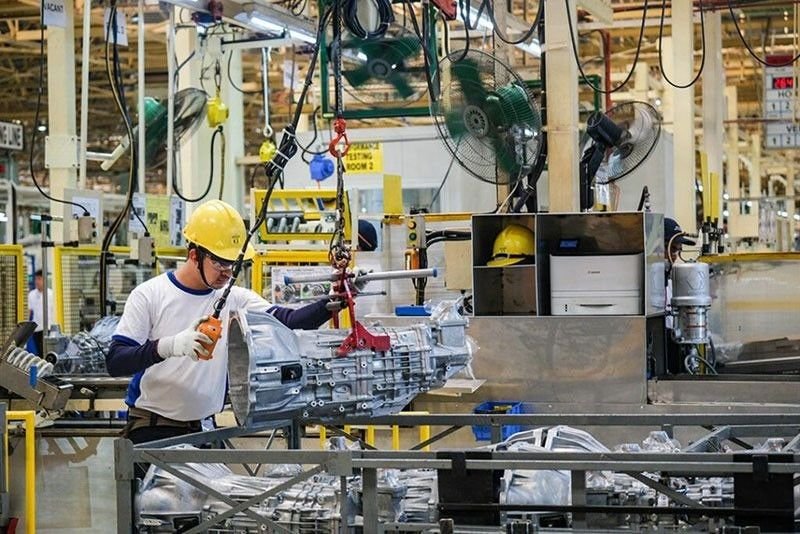
In a sobering reflection of the mounting challenges facing Britain’s once-thriving automotive sector, the UK has recorded its lowest levels of car and van production for the first half of a year since 1953—excluding the pandemic-era shutdown. The figures, released by the Society of Motor Manufacturers and Traders (SMMT), reveal a 7.3% fall in car output between January and June 2025, with van production suffering a drastic 45% decline, largely due to the closure of the Vauxhall plant in Luton.

The alarming data has reignited concern about the future of UK automotive manufacturing, as uncertainty around international trade, shifting regulations, and fierce global competition continue to put pressure on British producers. Of particular concern was the delay and ambiguity over tariffs in the United States—the UK’s second-largest export market—which caused some manufacturers to halt or reduce output earlier in the year.
A glimmer of hope came with the announcement and implementation of a new US-UK trade deal, which came into effect on 30 June. The agreement slashed vehicle tariffs from 27.5% to 10%, and there has already been a modest rise in production during the month of June. However, the SMMT warned that while this may lift short-term confidence, a long-term recovery is far from certain.
Mike Hawes, Chief Executive of the SMMT, did not shy away from the starkness of the situation. He described the half-year results as “depressing” and said he hoped they represented the “nadir” of the sector’s downturn. He was, however, cautious about the UK government’s ambition to raise production to 1.3 million vehicles per year by 2035, calling it “quite some ambition from where we are,” and noted that reaching such a target would likely require at least one, if not two, major new manufacturing entrants into the UK market.
The shift towards electric vehicles (EVs) offered a modest silver lining. Production of electrified vehicles rose 1.8%, with battery-electric, hybrid, and plug-in hybrid models now accounting for over two in five vehicles produced in the UK. To accelerate this trend, the government recently announced the reintroduction of EV grants, offering up to £3,750 for eligible electric vehicles priced under £37,000.
While the return of these grants was welcomed by many in the industry, the rollout has been marred by confusion. The eligibility criteria, based on the carbon footprint of vehicle production and battery sourcing, remain vague. Manufacturers are required to have science-based carbon reduction targets, yet the exact thresholds and qualifying benchmarks have not been clearly defined by the government.
This ambiguity has led to widespread uncertainty among manufacturers and consumers alike. Dealers are currently unable to confirm to prospective buyers whether the vehicles they’re considering will qualify for the subsidy. The SMMT has called for immediate clarity, particularly with September—one of the UK’s busiest months for car registrations—fast approaching.
Business Secretary Jonathan Reynolds echoed the concerns, describing the automotive industry as the “jewel in the crown” of British manufacturing. Speaking to BBC Breakfast, he acknowledged the serious pressures stemming from both the evolving US trade landscape and the rapid growth in Chinese automotive capacity, saying, “It’s why as a government we’ve adopted so many measures specifically around the automotive sector.”
The Department for Transport has sought to reassure stakeholders, stating that it expects dozens of models to qualify for the newly revived grant programme. A spokesperson said the £650 million allocated for EV grants would be distributed on a first-come, first-served basis and added that comprehensive guidance had been published to help manufacturers navigate the application process.

Nonetheless, the automotive sector remains at a crossroads. The combination of trade friction, regulatory uncertainty, competitive pressure from abroad, and the growing pains of electrification have all converged to test the resilience of an industry that has long been a symbol of British industrial prowess.
Whether these recent policy interventions will be sufficient to reverse the decline and restore growth remains to be seen. But one thing is clear: without urgent and coordinated action, the UK’s road to recovery in automotive manufacturing will be slow and uphill.
Related News:
 How to Exit Your Broadband Contract Without Paying Exit Fees
 HSBC Chief Warns Bank Tax Hike Could Undermine UK Growth Prospects
 Heathrow Unveils £21 Billion Third Runway Plan to Boost UK Connectivity Amid Environmental Concerns
 UK House Prices Rebound in July as Market Recovers Following June Dip
 Supreme Court Ruling on Car Finance Scandal Poised to Impact Millions of Motorists and Banks
 ICG Set to Acquire Three Major UK Regional Airports in Landmark £200 Million Deal
 Non-Dom Tax Crackdown Risks Backfiring as Exodus Threatens UK Revenue and Investment
 Stunning Welsh Island with Historic Fort and Modern Luxuries Hits Market for £3 Million
 UK Jobs Market Faces Strain as Employers Cut Bonuses and Hiring Amid Economic Slowdown
 David Lammy Faces Possible Legal Challenge Over Foreign Office Secondment Scheme
 Wage Rises Slow as Retail and Hospitality Jobs Continue to Fall
 Grant Shapps Cleared to Join Defence Startup Despite Ethical Concerns
 How Home Sizes Are Changing in the UK: Are They Getting Bigger or Smaller?
 Ed Davey Urges Government to Block Elon Musk’s Tesla from Supplying UK Home Energy
 Rachel Reeves to Deliver Autumn Budget on 26 November Amid Economic Challenges
 Tesco Trials In-Store Avocado Scanners to Help Shoppers Choose Perfectly Ripe Fruit
 UK Court Freezes £150m of Assets Belonging to Owner of Collapsed Prax Lindsey Refinery
 Retail Sales See Uptick Amid Errors and Delays as ONS Faces Scrutiny
 UK House Prices Hit Record £299,331 as Market Shows Steady Growth
 UK Mobile Retailers Lock Doors Amid Surge in Organised Phone Thefts
 Londoners Buying Lowest Share of Property Outside Capital Since 2013
 UK Retail Sales Rise in August, but Tax Concerns Loom Over Festive Period
 Vodafone Faces Fourth Probe into Franchising Division Amid £120m Legal Battle
 UK Economy Flatlines in July, Raising Pressure on Rachel Reeves Ahead of Autumn Budget
Business Rates Hike Could Threaten Hundreds of UK Retailers, Putting 100,000 Jobs at Risk
UK Economy Flatlines in July, Raising Pressure on Rachel Reeves Ahead of Autumn Budget
Business Rates Hike Could Threaten Hundreds of UK Retailers, Putting 100,000 Jobs at Risk
 Starmer Urged to Champion Workers’ Rights Amid Low Public Awareness
 UK Could Generate Nearly £2bn Annually by Taxing SUVs, New Study Reveals
 Rachel Reeves Hosts Top UK and US Financial Executives as Trump’s State Visit Begins
 UK Labour Market Shows Signs of Cooling as Wage Growth Slows and Redundancies Rise
 UK Wage Growth Remains High, But Cost of Living Pressures Bite
 Next Shares Slide Amid Warning on Weak UK Growth and Jobs
 British AI Startup Outshines Human Forecasters in Global Prediction Contest
 Dagenham Left in Limbo After Smithfield and Billingsgate Market Relocation Cancelled
 King Charles Earns Over £1 Million from Duchy Land Linked to Scrapped HS2 Project
 Vodafone Franchisees Sound Alarm: Mental Health Toll of Commission Cuts Revealed Years Before £120m Court Battle
 Gatwick Secures Approval for £2.2bn Second Runway Expansion
 UK Government Backs Return of International Rail Travel to Kent Stations
 AstraZeneca to List on New York Stock Exchange While Retaining London Ties
 Retailers Warn Tax Rises Could Prolong Inflation as Shop Prices Climb
 Royal Mail Owner Acquires Stake in Collect+ and Launches High Street Rebrand
 Marks & Spencer Staff to Work on Boxing Day for First Time in Five Years Amid Cost-Cutting Measures
UK Housing Market Returns to Growth Amid Signs of Stability and Regional Variation
Marks & Spencer Staff to Work on Boxing Day for First Time in Five Years Amid Cost-Cutting Measures
UK Housing Market Returns to Growth Amid Signs of Stability and Regional Variation
 Senior Tories Condemn Badenoch’s Vow to Repeal Climate Change Act as Catastrophic
 Wetherspoon vows to keep prices low amid soaring energy and tax costs
 Millions of households in England face looming water bill hikes amid regulatory scrutiny
 He-Man Set for Big Comeback as UK Toy Industry Rides ‘Newstalgia’ Wave
 Delivery Apps Could Double the Cost of Your Groceries, Warns Consumer Watchdog
 NHS May Pay 25% More for Medicines Amid US Drug Talks
 New EU Border System Could Cause 4-Hour Delays
 Massive Vodafone Outage Disrupts Internet and Mobile Services Across the UK
 Royal Mail Fined £21m for Delivery Failures
 Parents spending £5,000 on special school assessments in England
 China warns UK over delayed London mega embassy decision
 Pizza Hut to shut 68 sites after collapsing into administration
 Lucy Powell urged ministers to reconsider costly legal case for Labour donor’s firm
 Miliband Promises New Nuclear Stations if SNP Ousted
 Lotto result jackpot draw halted due to technical glitch
 Rachel Reeves to lead UK trade push in Saudi Arabia amid rights debate
 UK Small Business Owner to Challenge L’Oréal in Tribunal
 150-Year-Old Arctic Beer to Be Reborn in Scotland
 Court Hears Challenge Over Water Bills Funding Sewage Fixes
 ABF May Split Primark from Food Division Amid Tough Market
 Rachel Reeves Set to Break Labour Pledge and Raise Income Tax
 UPS Cargo Plane Crash in Kentucky Kills Seven
 Tony Blair think tank warns Rachel Reeves must cut taxes if manifesto broken
 Oprah enjoys Meghan’s jam on English muffins
 MPs Press Rachel Reeves to Hike Gambling Taxes
 North Sea oil workers must lose weight or face job loss
 Warning as Britons prepare to spend £4 billion this Black Friday
 Borough Market Clash Sparks Influencer Backlash
 UK toy market enjoys bumper year as ‘kidults’ fuel demand
 Reeves’s Tax U-Turn Triggers Fresh Jitters in UK Markets
 Global markets drop amid tech sell-off and China slowdown
 PM Highlights UK Business at G20 in South Africa
 Mossmorran Plant Closure Hits Cowdenbeath Hard
 UK Taskforce Unveils Plan to Streamline Nuclear Reactor Rules
 Steel billionaire Lakshmi Mittal reportedly leaves UK
 English Mayors Set to Introduce Tourist Taxes
 Virgin Media Fined £23.8m Over Telecare Safety Failures
 Rising Water Bills Lift Troubled Thames Back to Profit