Published: 9 March 2026
The English Chronicle Desk
The English Chronicle Online — World News
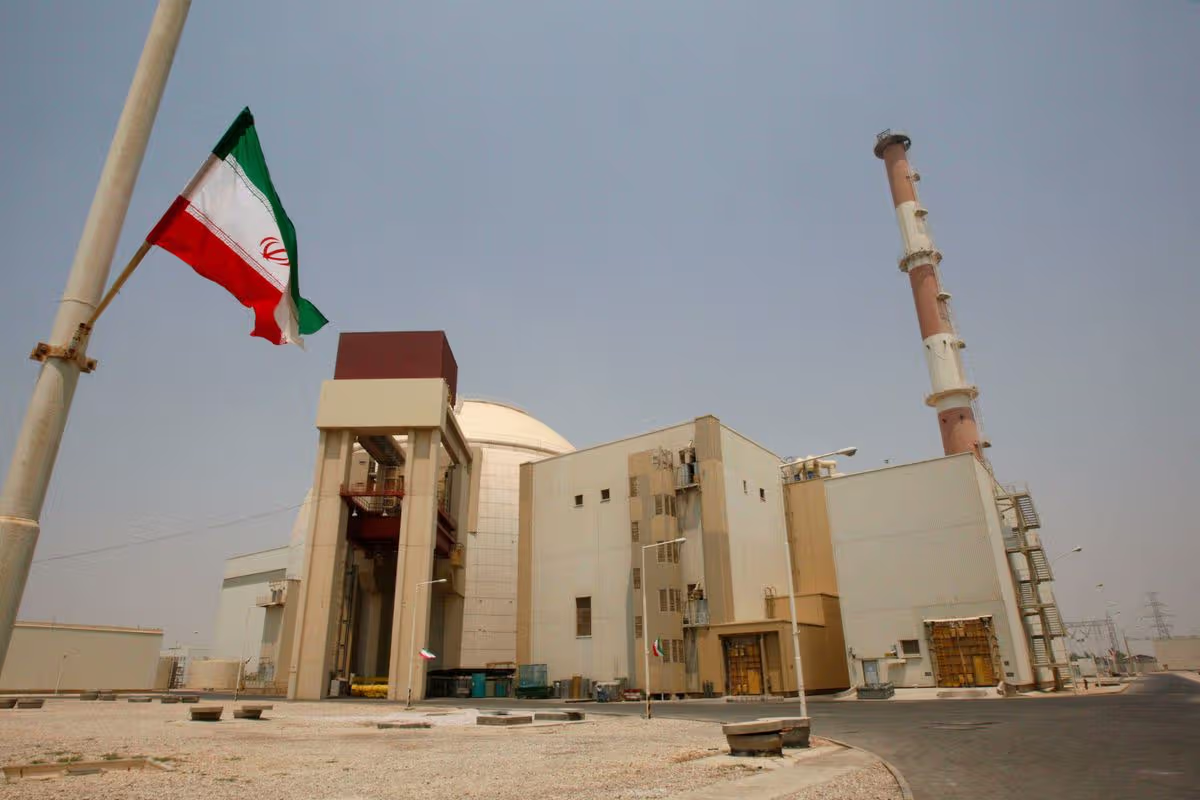
Russia has begun withdrawing workers from Iran’s Bushehr nuclear power plant after a series of explosions near the facility triggered mounting fears of a potential nuclear “catastrophe.” The evacuation order, issued directly by President Vladimir Putin, follows escalating military strikes across Iran involving the United States, Israel, and Iranian forces — a conflict that has increasingly threatened critical infrastructure across the region.
The Bushehr plant, located roughly 745 miles south of Tehran, is Iran’s only operational commercial nuclear power station and a long‑standing symbol of cooperation between Moscow and Tehran. Hundreds of Russian engineers and construction specialists have been stationed there to build two new reactors, but operations have now been partially suspended as the security situation deteriorates.

Alexei Likhachev, director general of Rosatom — Russia’s state nuclear energy corporation — confirmed that the first wave of evacuations had already taken place, with a second withdrawal planned “soon.” He said the company was preparing to remove family members and selected staff while keeping essential personnel on site to maintain critical systems. According to Likhachev, approximately 639 Russian nationals remain at the plant, though children and dependents have already been transported out of the region.
Speaking to Russian media, Likhachev described the situation as “tense” and “unsafe,” noting that explosions had been heard only miles from the plant’s security perimeter. Although no direct strikes have hit the facility, he warned that the presence of 72 tons of active nuclear fuel and 210 tons of spent fuel inside the existing reactor represents “a huge mass of fissile material” that could trigger a regional disaster if the site were compromised.
“A strike would certainly be a regional catastrophe,” he said. “This is something all parties to the conflict must understand, regardless of their political affiliation.”
The explosions reported near Bushehr are believed to be linked to ongoing US and Israeli strikes targeting Iranian military infrastructure. Iran has responded with its own attacks across the Gulf region, intensifying fears that the conflict could spill over into civilian and nuclear sites. While Rosatom insists that the plant itself has not been hit, the proximity of the blasts has raised alarm among nuclear experts, who warn that even indirect damage could have severe consequences.
Putin is said to be “personally involved” in coordinating the evacuation and ensuring the safety of Russian personnel. The Kremlin views the Bushehr project as strategically significant, both economically and geopolitically, and has invested heavily in its development. The sudden need to withdraw workers underscores the seriousness of the current conflict and the risks posed to Russian interests in the region.
Despite the evacuation, Rosatom has confirmed that some staff will remain on site to “service equipment and complete work that cannot be stopped.” The existing reactor continues to operate at full capacity, making the presence of trained specialists essential to maintaining safety protocols. Nuclear engineers warn that an abrupt shutdown or abandonment of the facility could itself create dangerous instability.
The conflict surrounding Bushehr is part of a broader escalation that has swept across the Middle East in recent weeks. US and Israeli forces have intensified strikes on Iranian military targets following Tehran’s involvement in regional hostilities, prompting retaliatory attacks on Gulf states and heightening fears of a wider war. The situation has already disrupted global oil markets, triggered mass evacuations, and drawn international concern over the potential for miscalculation.
For Russia, the crisis presents a complex challenge. Moscow has long positioned itself as a key ally of Iran, particularly in the nuclear sector, but it now finds its own citizens at risk as the conflict intensifies. The evacuation order reflects both the immediate danger and the geopolitical stakes involved. Analysts say the Kremlin is unlikely to abandon the Bushehr project entirely, but the withdrawal signals a recognition that the situation may worsen before it improves.
Iran, for its part, has sought to reassure the public that the plant remains secure. Officials have emphasised that Bushehr is separate from the country’s uranium‑enrichment facilities, which have been the focus of international scrutiny for years. However, the presence of large quantities of nuclear material at the site means that any strike — accidental or deliberate — could have catastrophic consequences.
The explosions near Bushehr have also raised concerns among neighbouring Gulf states, many of which lie within range of potential fallout should the plant be damaged. Regional governments have reportedly increased monitoring of radiation levels and emergency preparedness, though no abnormalities have been detected so far.
International nuclear watchdogs are closely tracking developments. While no formal alerts have been issued, experts warn that the combination of active conflict and nuclear infrastructure creates a volatile and unpredictable situation. The International Atomic Energy Agency (IAEA) has not yet commented publicly, but diplomatic sources say the organisation is seeking additional information from both Russia and Iran.
The evacuation has also sparked debate within Russia, where critics question the wisdom of maintaining personnel in a conflict zone. Families of workers have expressed relief that dependents are being removed but remain anxious about those still on site. Rosatom has insisted that all necessary precautions are being taken and that the remaining staff are essential to ensuring the plant’s safe operation.

As the conflict continues, the future of the Bushehr project remains uncertain. Construction of the new reactors has been halted, and it is unclear when — or if — work will resume. The plant has long been a point of pride for Iran, representing its entry into the global nuclear‑energy sector, but the current crisis threatens to undermine years of progress.
For now, the focus remains on preventing a nuclear disaster. With explosions echoing near the facility and tensions rising across the region, the evacuation of Russian workers underscores the fragility of the situation. Whether the conflict will escalate further — and whether Bushehr will remain untouched — is a question that looms large over a region already on the brink.
Related News:
 Ukraine remembers its dead as war enters a fifth year
 Israel and Hezbollah Exchange Fire as Conflict Worsens
 Iran’s Regime Still Intact — Coming Days Will Test Its Survival
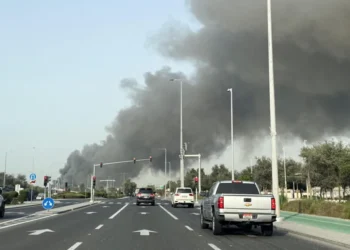 Allies of US in the Gulf Bear Brunt of Iran Attacks
 Hopes and Fears as US Iranians Take to Streets After Toppling of Supreme Leader
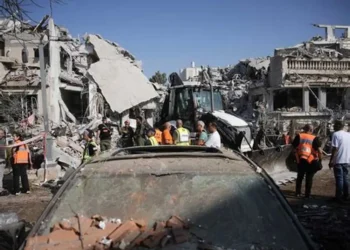 Retaliations Continue on Day Two of US-Israel Attacks on Iran
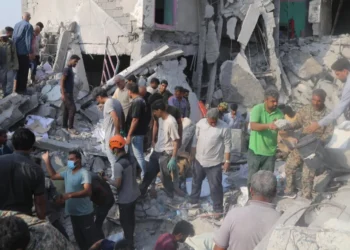 At Least 153 Dead After Reported Strike on School, Iran Says
 At Least 153 Dead After Reported Strike on School, Iran Says
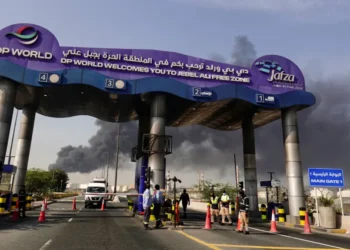 ‘It’s Eerie’ – Dubai on Edge as City Comes Under Attack
 BBC Reports from Beit Shemesh After Deadly Iranian Missile Strike
 Iran, the US, and a World Cup That Starts in Three Months
 Cooper: Joining US Strikes on Iran ‘Not in Britain’s Interest’
 Trump’s Iran Endgame Unclear After Mixed Messaging on War Aims
 Rubio Responds to Reported Strike on Iranian School
 Scots Caught Up in Middle East Crisis ‘Just Waiting for the Next Explosion’
 Why the US and Israel attacked Iran
 Israel Launches Fresh Strikes on Tehran & Beirut; US Warns “Hardest Hits” Ahead
 Three Days In, This War’s End Is Still Unclear
 US Has ‘Enough Weapons for Forever War,’ Trump Says
 Israel Strikes Lebanon After Hezbollah Rocket Fire as Iran Conflict Widens
 Israel’s New Airstrikes on Tehran & Beirut After US Embassy in Riyadh Is Hit
 Israel Launches Ground Invasion of Lebanon Amid Widening Middle East War
 Iranian Rockets Are Testing the Resolve of Dubai’s Instagram Stars
 US Embassy in Riyadh Hit by Iranian Drones as Israeli Troops Enter Southern Lebanon
 US Senate Backs Trump War Powers Amid Iran Missile Barrage
 Macron Finds ‘Freedom Fries’ Redemption in Iran Crisis
 UK Prepares Aircraft Carrier for Middle East Crisis
 Nine Days of Strikes Reshape the Middle East
 EU weighs response amid Greenland tariff crisis with Trump
 EU Says US Ties Have Suffered ‘Big Blow’ After Greenland Crisis
 Macron Rebuked in Franco-German Defence Row
 US Urges Iran to Make Deal as Military Presence Rises
 Trump’s Foreign Policy Dilemma Laid Bare by Iran Tensions
 Hamas Holds Vote to Choose New Interim Leader, Source Tells BBC
 Zelensky Says Putin Has Started WW3, Must Be Stopped
 New Russia Sanctions on Hold as Hungary Blocks EU Package Ahead of Fourth Ukraine War Anniversary
 Ukraine Negotiator Reveals What It Feels Like Facing Russia
 Mandelson Arrested Amid Political Turmoil as Ukraine Marks Four Years of Conflict
 US Partially Evacuates Beirut Embassy Amid Rising Iran Tensions
 Rob Jetten becomes Netherlands’ youngest ever prime minister
 ‘Anyone who runs is shot’: Russian soldiers describe killings of troops who refuse orders
 Orbán Accuses Ukraine of Disrupting Oil Supplies to Hungary
 Spain Declassifies Files on 1981 Attempted Coup in Effort to Dispel Conspiracy Theories
 Middle East Flights Halted After Iran Strikes
 Allies of US in the Gulf Bear Brunt of Iran Attacks
 Israeli Attacks Kill 31 in Lebanon, Iran Strikes Across Region, US Warplanes Crash in Kuwait
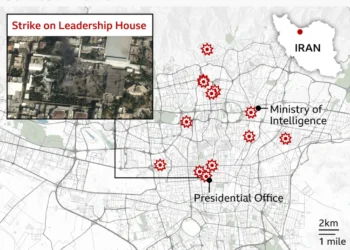 In Maps: Strikes Across Iran and the Middle East
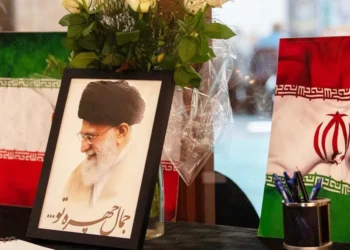 Months of Planning Behind US‑Israeli Mission to Target Iran’s Supreme Leader
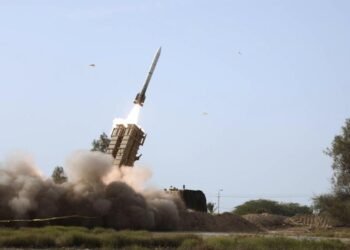 UK Will Allow US to Use Bases to Strike Iranian Missile Sites, PM Says
 What Khamenei’s Death Means for Russia and China
 Tehran Makes New Threat to Gulf Shipping as US Says ‘Hardest Hits’ on Iran ‘Yet to Come’
 Did Trump Declare War and Did Congress Approve Iran Attacks? What to Know
 Melania Trump Chairs UN Security Council Meeting on Children in Conflict Amid Iran Strikes
 The Third Day of the US‑Israeli War With Iran
 Latest on Middle East Conflict — In Maps: Strikes Across Iran and the Region
 ‘I saw missiles being intercepted’: Influencers recount shock as Iran hits Dubai landmarks
 Amazon Says Drones Damaged Three Facilities in UAE and Bahrain
 Man Recalls ‘Terrifying’ Dubai Missile Ordeal During Iran Strikes
 Airline Pilots Feared Iranian Missile Had Been Fired at Them
 US Strikes on Iran Triggered by Israel’s Plan to Launch Attack, Rubio Says
 First Wave of Europeans Stranded by Iran Conflict Return Home, With Hundreds of Thousands Still Left in Region
 Sixth American Service Member Killed in Iran Operation as Conflict Intensifies
 Trump Rebukes Starmer Over UK Refusal to Back Strikes on Iran
 Civilian Deaths in Iran Pass 700 Amid Fear of Bombs and Regime Clampdown
 Russia Blames Ukrainian Naval Drones as Tanker Sinks
 US Submarine Sinks Iranian Warship in Indian Ocean, Hegseth Says
 Iran Postpones Khamenei Funeral as US‑Israeli Bombardment Continues
 The Devastating Conflict Where Both Sides Have Reasons to Keep Fighting
 How Depleted Weapons Stockpiles Could Affect the Iran Conflict
 Iran Drones Hit Azerbaijan Airport as War Widens
 Ukraine Accuses Hungary of Taking Seven Bank Workers Hostage in Budapest
 Finland Plans to Lift Decades‑Old Ban on Hosting Nuclear Weapons
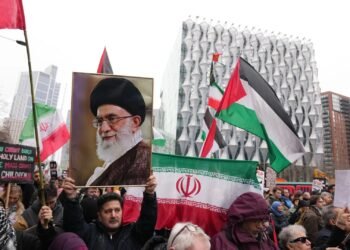 Thousands Protest Iran Strikes Outside US Embassy London
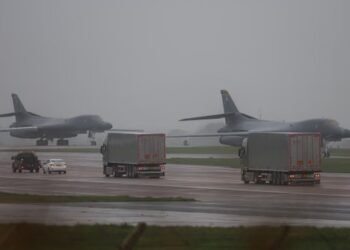 US Bombers Arrive at RAF Base Amid Rising Iran Tensions
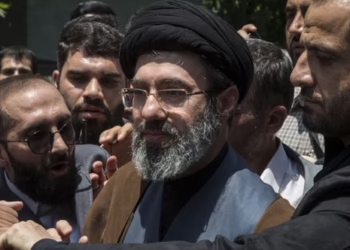 Mojtaba Khamenei Chosen as Iran’s New Supreme Leader
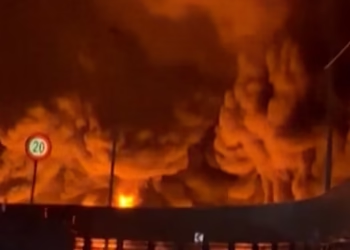 Tehran Oil Depot Strikes Darken City With Toxic Smoke
 Who Is Mojtaba Khamenei, Iran’s New Supreme Leader?
 Russia’s Latest Push to Win US Favors Shows Deep Desperation
 American Citizen Killed in Cuba Boat Shooting, U.S. Officials Say
 ‘Every Day Feels Like a Month’: Iranians Describe Life Under ‘Constant’ US‑Israeli Strikes