Published: 10 March 2026
The English Chronicle Desk
The English Chronicle Online — World News
The trial of Istanbul’s mayor Ekrem İmamoğlu has opened in dramatic fashion, with prosecutors accusing the opposition leader of running a vast corruption network and seeking a sentence of more than 2,400 years in prison. Rights groups and his party, the Republican People’s Party (CHP), insist the charges are politically motivated, designed to silence one of the few figures seen as capable of challenging President Recep Tayyip Erdoğan.

İmamoğlu, 55, appeared in court at the Marmara prison on Monday, facing over 140 charges including corruption, espionage, and forging his university degree. He was greeted by supporters with cheers and whistles, but proceedings quickly descended into chaos when he protested the judge’s decision to hear other defendants’ testimony before his own. The judge called his actions “disrespectful” and adjourned the hearing after just 15 minutes.
İmamoğlu’s rise has been meteoric. First elected mayor of Istanbul in 2019, he stunned Erdoğan’s ruling AK Party by winning Turkey’s largest city — a defeat many commentators described as the president’s “worst ever.” He was re‑elected in 2024, defeating the government’s candidate by nearly a million votes. His popularity made him a leading contender to challenge Erdoğan in future presidential elections.
But in March 2025, on the very day he was named CHP’s candidate for the 2028 presidency, İmamoğlu was arrested. His detention sparked the largest street protests in Turkey in more than a decade, followed by a police crackdown and hundreds of arrests. Critics say the timing was no coincidence, and that the trial is part of a broader effort to remove him from politics.
Prosecutors allege İmamoğlu is the “founder and leader” of a criminal organisation involving more than 400 supporters, who are also on trial. They accuse him of orchestrating a corruption network, misusing public funds, and engaging in espionage.
One of the most striking charges is that he forged his university degree — a qualification required to run for president. Authorities annulled the degree last year, further undermining his eligibility.
If convicted on all counts, İmamoğlu could face a sentence of 2,430 years.
Human Rights Watch and Amnesty International have strongly criticised the proceedings. HRW’s Benjamin Ward said: “The trial of Mayor Ekrem İmamoğlu follows more than a year of weaponising the criminal justice system against his party and other CHP elected officials while he sits in jail. Looking at these cases as a whole, it’s hard to avoid the conclusion that prosecutors are trying to remove İmamoğlu from politics and discredit his party in ways that undermine democracy.”
Amnesty’s Dinushika Dissanayake called the charges “absurd,” noting that they rely heavily on secret witness testimony. “This politically motivated prosecution is riddled with serious international fair trial and rule of law issues,” she said.
The Turkish government insists the judiciary operates independently. Justice Minister Akin Gürlek, who previously led the investigation into İmamoğlu, defended his actions: “I simply did my duty as a public prosecutor. My conscience is clear.”
Officials deny that the trial is politically motivated, arguing that corruption must be tackled regardless of political affiliation.
Despite his imprisonment, İmamoğlu remains a symbol of resistance for Turkey’s opposition. His wife Dilek İmamoğlu and CHP leader Özgür Özel attended the trial, underscoring the party’s support. Outside the courtroom, demonstrators gathered to demand his release, chanting slogans against Erdoğan’s government.
The CHP has accused the ruling party of using the judiciary as a weapon, pointing to a pattern of prosecutions against opposition figures. Analysts say the trial could galvanise opposition support, but also risks intimidating voters ahead of future elections.
The case has drawn global attention, with Western governments and rights organisations monitoring closely. Turkey’s democratic credentials have long been questioned, and the trial of a popular opposition leader is likely to deepen concerns.
Observers warn that silencing İmamoğlu could destabilise Turkey’s political landscape, especially in Istanbul, a city of 16 million people and a key economic hub.

For many Turks, the trial is not just about corruption but about the future of democracy. İmamoğlu’s victories in 2019 and 2024 were seen as proof that Erdoğan’s dominance could be challenged through the ballot box. His imprisonment, critics argue, shows that the government is unwilling to risk losing power.
Whether the charges are proven or dismissed, the trial will shape Turkey’s political trajectory for years to come.
Related News:
 Emails Show Epstein Funded Mandelson’s Husband After Jail
 UK Home Office to Launch French Beach Signage to Warn Asylum Seekers of Risks
 Father’s Tip Leads to Arrest in Charlie Kirk Murder Case
 Charlie Kirk Killing Used to Mobilise UK’s Largest Far-Right Rally in Decades
 UK and Ireland Set to Unveil New Proposals to Address Northern Ireland’s Troubles Legacy
Channel Crossings Surge: Over 1,000 People Arrive in the UK in Small Boats in a Single Day
UK and Ireland Set to Unveil New Proposals to Address Northern Ireland’s Troubles Legacy
Channel Crossings Surge: Over 1,000 People Arrive in the UK in Small Boats in a Single Day
 UK Recognises State of Palestine in Push to Preserve Hope for Peace
 Jailed Georgian Opposition Leaders Warn UK of Iranian Links to Ruling Party
 China’s Mega Embassy in London Faces Further Delay
 Prince Andrew met alleged Chinese spies during Pitch@Palace China trips
 Kosovo agrees to host Britain’s refused asylum seekers
 UK University Faces Counter-Terror Probe Over China Pressure
 Second world war veterans honoured as King leads Remembrance Sunday
 Ukraine-Russia war latest: Putin’s troops exploit bad weather to force Kyiv withdrawal from multiple towns
 New Epstein Files Spark Political Clash in Washington
 Ukraine Energy Corruption Scandal Hits Zelensky’s Inner Circle
 New review urges UK to repatriate Shamima Begum, others from Syria
 Hasina Rejects Allegations Ahead of Bangladesh Tribunal Verdict
 Indian authorities demolish Kashmir home linked to Red Fort blast
 Greene Pushes Epstein Files Amid Trump Fallout
 UN Security Council Approves Trump’s Gaza Peace Plan
 WhatsApp Messages Expose Nathan Gill’s Bribery
 Venezuela Threatens Nobel Winner Machado with Fugitive Status
 Trump Envoy to Discuss Ukraine Peace at Kremlin
 Video shows Israeli troops kill Palestinians after surrender
 Guinea-Bissau President Flees After Military Coup
 Britain Demands Israel Reverse Ban on Aid Groups
 Iran Leader Blames Protesters, Says They Serve Trump
 EU weighs response amid Greenland tariff crisis with Trump
 EU Says US Ties Have Suffered ‘Big Blow’ After Greenland Crisis
 Files Link Andrew to Epstein Dinner After Prison Release
 Thousands Protest ICE in New York Against Trump Deportation Campaign
 Saif al-Islam Gaddafi Reportedly Killed in Libya Shooting
 UK Wants Action on Russia After Navalny Frog Poisoning, Cooper Says
 Macron Rebuked in Franco-German Defence Row
 Five Young People Die in Spain Apartment Block Fire
 The Martin Luther King Protégé Who Helped Reshape America
 Nine Arrested in France Over Death of Far‑Right Student
 South Korea’s Ex-President Faces Death Penalty in Insurrection Trial
 How Much Could Andrew’s Arrest Hurt the Royal Family?
 New Mexico Reopens Criminal Inquiry into Jeffrey Epstein’s Zorro Ranch
 Zelensky Says Putin Has Started WW3, Must Be Stopped
 New Russia Sanctions on Hold as Hungary Blocks EU Package Ahead of Fourth Ukraine War Anniversary
 Mandelson Arrested Amid Political Turmoil as Ukraine Marks Four Years of Conflict
 Rob Jetten becomes Netherlands’ youngest ever prime minister
 ‘Anyone who runs is shot’: Russian soldiers describe killings of troops who refuse orders
 Ukraine remembers its dead as war enters a fifth year
 Two Arrested After Death of ‘British Lip King’
 Louvre Museum Director Resigns Months After High‑Profile Heist
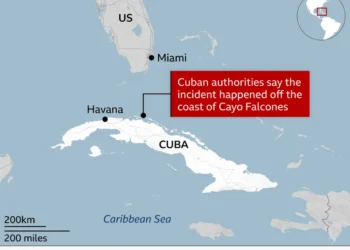 American Citizen Killed in Cuba Boat Shooting, U.S. Officials Say
 Spain Declassifies Files on 1981 Attempted Coup in Effort to Dispel Conspiracy Theories
 Hillary Clinton Tells House Panel She ‘Had No Idea’ of Epstein’s Crimes
 Macron Finds ‘Freedom Fries’ Redemption in Iran Crisis
 Ukraine Accuses Hungary of Taking Seven Bank Workers Hostage in Budapest
 Finland Plans to Lift Decades‑Old Ban on Hosting Nuclear Weapons
 Belgium Narco-State Warning Raises Alarm Over Crime Surge
 Putin Orders Evacuation at Iran Nuclear Plant Amid ‘Catastrophe’ Fears
 China Moves to Enshrine ‘Ethnic Unity’ Law
 UK Must Act with Courage and Clarity on Israel-Palestine Conflict, Says Foreign Affairs Committee Report
 Yvette Cooper Signals Global Momentum Towards Gaza Peace Deal Amid Humanitarian Crisis
 Russia’s Latest Push to Win US Favors Shows Deep Desperation
 BBC to Apologise Over Edited Trump Speech Amid Backlash
 Britain deploys RAF specialists to assist Belgium with drone threats
 Trump Urges Herzog to Grant Netanyahu Full Pardon
 December Run-Off in Chile as Election Produces No Winner
 Shadow Fleet at Sea: Europe’s Battle Against Illicit Oil Shipping
 Police response times face strict new national limits
 Portugal Election Delivers Socialist Win as Far Right Surges
 Australian Families Leave Syrian Camp for Home
 Austrian Man Charged Over Foiled Taylor Swift Concert Attack Plot
 ‘I Would Scream in My Sleep’: Alawite Women from Syria Tell of Kidnap and Rape
 Epstein Eyed Record Label Investment to Access Women, Files Suggest
 Ukraine Negotiator Reveals What It Feels Like Facing Russia
 Iran’s Regime Still Intact — Coming Days Will Test Its Survival
 Herzog Asio meeting sparks security storm
 Police Scotland Pays £8m Compensation to Staff
 Minister Meets Crews Who Will ‘Take Out’ Iranian Drones
 Nine Days of Strikes Reshape the Middle East
 Trump Pressures Congress Over Save America Act
 Real Estate Brothers Convicted in Sex Trafficking Trial