Published: 10 March 2026
The English Chronicle Desk
The English Chronicle Online — World News
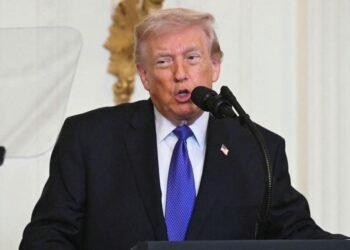
The US‑Israeli military campaign against Iran has entered its second week, rattling global markets and exposing President Donald Trump to mounting political risks. While the White House insists the operation is a “tremendous success,” mixed messages from Trump and his administration have left allies, investors, and voters uncertain about its goals and duration.

On Monday, Trump told reporters the war was “very complete, pretty much” and claimed the US was “far ahead of schedule.” Hours later, however, he walked back those remarks, saying the US might “go further” if Iran continued to threaten oil tankers. He vowed to hit Iran “so hard” that recovery would be impossible, while also suggesting the campaign was close to wrapping up.
This contradictory messaging has left observers questioning whether the administration seeks regime change, a limited military victory, or simply a show of force. Defence Secretary Pete Hegseth added to the confusion by outlining plans for heavier bombing campaigns, contradicting Trump’s earlier suggestion that the war was nearly complete.
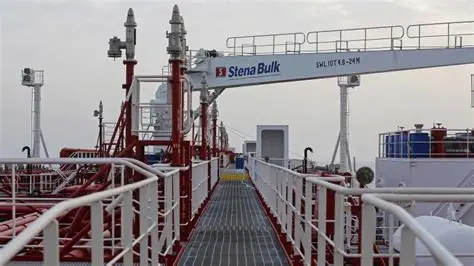
Markets have swung wildly in response. Oil prices surged to $120 per barrel before falling back below $90 after Trump’s reassurances. Yet petrol prices in the US remain elevated, averaging $3.48 per gallon, up nearly 50 cents in a week. Economists warn that higher energy costs could fuel inflation and tip the economy into recession.
The Bureau of Labor Statistics reported the US lost 92,000 jobs in February, with unemployment rising to 4.4%. For voters already anxious about affordability, the war’s impact on household budgets is becoming a central concern.
Polls show sizeable opposition to the Iran campaign, with many Americans prioritising cost‑of‑living issues over foreign policy. In Georgia, voters in a special congressional election voiced frustration that rising gas prices were linked directly to Trump’s war. Some lifelong conservatives said they were considering switching support to Democrats as a result.
Trump has promised that prices will stabilise before November’s midterm elections, but critics argue he risks being seen as more focused on foreign interventions than domestic affordability. His “affordability tour” launched last year has stalled, overshadowed by military operations in Venezuela and Iran.

The Iran war has given Trump a chance to showcase military strength, but its economic consequences are already hitting American households. With contradictory messaging from the White House and rising costs at the pump, the president faces a dangerous mix of political risk and public discontent. Whether voters will accept his assurances that relief is coming remains uncertain.
Related News:
 Putin Intensifies Territorial Demands Before US Talks
 Trump to Recheck Green Cards from 19 Nations After DC Attack
 Russia losses Ukraine war peace talks intensify amid rising deaths
 Trump Escalates Minnesota Immigration Surge Amid Rising Tensions
 Trump: US Stands Ready to Help Iran Find Freedom Amid Widespread Unrest
 US Conducts Large-Scale Strikes Against ISIS Targets Across Syria
 Trump Says US Will Act on Greenland ‘Whether They Like It or Not’
 Trump Administration Probe of Fed’s Powell Draws Pushback
 Greenland Faces Pivotal Summit Over Arctic Power Struggle
 Trump Threatens Strong Action If Iran Executes Protesters
 Trump Receives Machado’s Nobel Medal in White House Meeting
 Greenland Crisis Forces Europe to Draw a Line With Trump
 Iran Cannot Be Bombed Into Democracy, Only Helped There
 Historic Abu Dhabi Talks Bring US, Ukraine and Russia Together
 Trump Pulls Canada from His Controversial ‘Board of Peace’ Plan
 EU Says US Ties Have Suffered ‘Big Blow’ After Greenland Crisis
 Thousands Protest ICE Operations in Nationwide US Day of Action
 Epstein Files Reveal Trump Officials’ Emails with Financier
 Thousands Protest ICE in New York Against Trump Deportation Campaign
 Trump Praises ‘Terrific’ Petro After White House Talks
 US Must Be Prudent When Supplying Arms to Taiwan, Xi Tells Trump
 Fears of New Arms Race as US-Russia Nuclear Weapons Treaty Expires
 New Nuclear Talks Between US and Iran Begin in Geneva
 ‘He Did It for Us’: US Soldier Recalls Jesse Jackson’s Efforts to Free Him and Two Other POWs
 Under Pressure From Trump, Venezuela’s New President Has Aces Up Her Sleeve
 Stephen Colbert Says CBS Spiked Interview With Democrat Over FCC Fears
 US to Withdraw Troops from Syria
 US Urges Iran to Make Deal as Military Presence Rises
 Trump’s Foreign Policy Dilemma Laid Bare by Iran Tensions
 US Trade Deficit Hits Fresh High Despite Trump’s Tariffs
 Billionaire Les Wexner Tells US Lawmakers He Was ‘Naive’ and ‘Conned’ by Epstein
 Inside Kyiv’s resolve as conflict nears five‑year mark
 What to Watch for During Trump’s State of the Union Address
 US Partially Evacuates Beirut Embassy Amid Rising Iran Tensions
 Clinton Testimony Erupts in Fiery Exchange
 American Citizen Killed in Cuba Boat Shooting, U.S. Officials Say
 Hillary Clinton Tells House Panel She ‘Had No Idea’ of Epstein’s Crimes
 Hopes and Fears as US Iranians Take to Streets After Toppling of Supreme Leader
 Iran, the US, and a World Cup That Starts in Three Months
 Britain’s Position and Trump Vows to Press On in Iran Conflict
 Trump Faces Questions Over Iran Conflict Plan
 Trump’s Iran Endgame Unclear After Mixed Messaging on War Aims
 Rubio Responds to Reported Strike on Iranian School
 US Senate Backs Trump War Powers Amid Iran Missile Barrage
 Six US Soldiers Killed in Iran-Linked Kuwait Strike
 US Senate Vote Fails to Rein in Trump War Powers on Iran
 Trump Removes Kristi Noem From Homeland Security Role
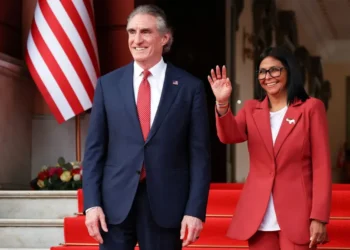 US and Venezuela Agree to Resume Diplomatic Ties After Maduro Capture
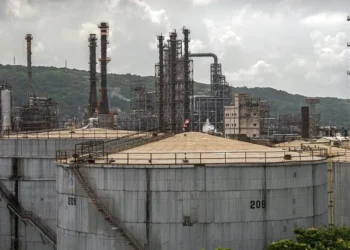 US Eases Sanctions on Russian Oil Sales to India During Iran Conflict
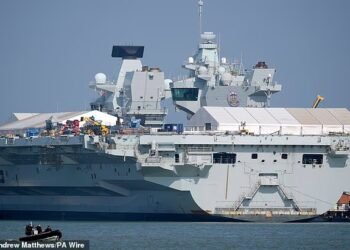 UK Prepares Aircraft Carrier for Middle East Crisis
 Pete Hegseth Iran War Remarks Spark Alarm
 UK Must Act with Courage and Clarity on Israel-Palestine Conflict, Says Foreign Affairs Committee Report
 Radioactive Leak at UK’s Nuclear Warhead Base Sparks Outcry Over Safety and Secrecy
 Hong Kong Summons UK and Australian Envoys Following Asylum Grants to Democracy Activists
 Is the UK Ready to Put Boots on the Ground in Ukraine? Assessing Military Capacity and Challenges
 Channel Crossings Surge: Over 1,000 People Arrive in the UK in Small Boats in a Single Day
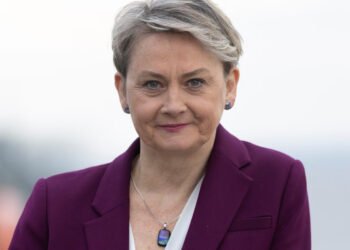 Yvette Cooper Signals Global Momentum Towards Gaza Peace Deal Amid Humanitarian Crisis
 Russia’s Latest Push to Win US Favors Shows Deep Desperation
 BBC to Apologise Over Edited Trump Speech Amid Backlash
 Britain deploys RAF specialists to assist Belgium with drone threats
 Greene Pushes Epstein Files Amid Trump Fallout
 Shadow Fleet at Sea: Europe’s Battle Against Illicit Oil Shipping
 Trump Weighs Response to Iran Crackdown as Tehran Says Communication Open With US
 US Clears Nvidia AI Chip Sales to China in Policy Shift
 ‘Trump Will Be Gone in Three Years,’ Top Democrats Tell Europe
 Australian Families Leave Syrian Camp for Home
 Starmer Weighs Fast-Tracking Defence Boost
 Nine Arrested in France Over Death of Far‑Right Student
 Australian PM Says Former Prince Andrew Has Suffered ‘Extraordinary Fall’ but That Won’t Prompt Republic Referendum
 Farage Chagos Islands Row Sparks Fury
 Ukraine Negotiator Reveals What It Feels Like Facing Russia
 Chad Shuts Border With Sudan in Bid to Stop Conflict Spreading
 Iran’s Regime Still Intact — Coming Days Will Test Its Survival
 Herzog Asio meeting sparks security storm
 Petrol Prices Soar as Retailers Accused of Gouging Amid Global Tension
 Finland Plans to Lift Decades‑Old Ban on Hosting Nuclear Weapons
 Minister Meets Crews Who Will ‘Take Out’ Iranian Drones
 Thousands Protest Iran Strikes Outside US Embassy London
 Nine Days of Strikes Reshape the Middle East
 Trump Pressures Congress Over Save America Act