Published: 26 March 2026. The English Chronicle Desk. The English Chronicle Online.
The recent Bondi terror attack has sent shockwaves through the international community as new details emerge regarding its origins. Researchers have now linked this tragic event to a significant global spike in foiled plots inspired by extremist ideologies. This rise in activity appears to be part of a broader trend of anti-western sentiment that intensified late last year. Experts from the West Point Combating Terrorism Center have released a detailed report examining these disturbing patterns. Their findings suggest that the Bondi terror attack was not an isolated incident of domestic violence. Instead, it mirrors a series of attempted strikes across Europe and the United States during the holiday season. These plots frequently targeted high-profile public gatherings and festive markets where large crowds typically congregate. The researchers highlight a strategic shift in how global terror networks influence individuals to act.
In their analysis published in the Sentinel journal, Australian counterterrorism experts Andrew Zammit and Levi West provided deep insights. They investigated the specific jihadi tactics used in Australia before the horrific shooting took place at Bondi. Their research indicates that the Bondi terror attack occurred during a busy period for international security services. In December 2025 alone, several major plots were successfully disrupted in Germany, Poland, and the Netherlands. Similar interventions were also reported by authorities in Turkey and the United States during that same month. While investigators are still assessing direct central coordination, the timing of these events is highly significant. The experts believe these actions follow a consistent pattern of messaging from extremist groups over recent years. Supporters are often encouraged to act on their own initiative while following a specific methodology.

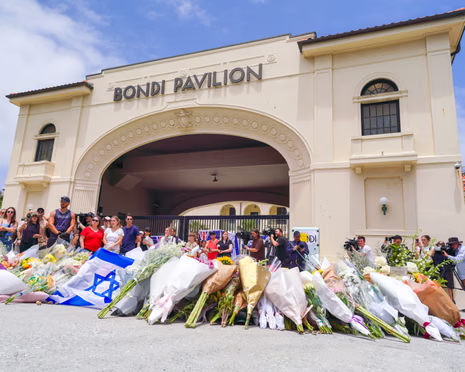
The details of the incident itself remain a focal point for the ongoing judicial proceedings. Naveed Akram and his father Sajid Akram allegedly opened fire at a Hanukah festival on 14 December. This violent act resulted in the deaths of fifteen innocent people who were celebrating at the beach. Sajid Akram was killed by police at the scene during the initial response to the gunfire. His son, Naveed Akram, survived the encounter and currently faces fifty-nine serious criminal charges in court. These charges include fifteen counts of murder and a specific count for committing a terrorist act. Investigators allege that his actions were heavily influenced or inspired by the Islamic State group. The legal case is still active as the defendant has not yet entered a formal plea. This tragedy has forced a re-evaluation of how radicalisation occurs within modern society today.
According to the research, there was a noticeable decline in western-targeted plots during 2022 and 2023. However, this period of relative calm appears to have ended with a renewed surge in activity. The experts noted that extremist messaging has recently sought to exploit ongoing conflicts in the Middle East. By leveraging regional tensions, these groups aim to mobilise individuals toward committing acts of local violence. A greater proportion of these modern plots now specifically target Jewish communities in various countries. The report suggests that the Bondi terror attack fits perfectly within this specific targeting profile. Whether this momentum can be sustained remains a question for international intelligence agencies to monitor. Much will depend on the future trajectory of broader geopolitical conflicts in the Middle Eastern region. The experts warn that the rhetoric used by these groups is becoming increasingly sophisticated.
A key turning point identified in the study was a specific speech released in early 2024. This address by a prominent spokesperson attempted to use the war in Gaza as a tool. The goal was clearly to inspire sympathisers to undertake violent attacks within their own home countries. The speech notably denounced various regional actors while calling for direct action against western and Arab allies. This rhetoric quickly translated into real-world threats that security services had to manage with great care. One significant plot foiled in 2024 involved two supporters in the United Kingdom planning a shooting. They intended to target a public march against antisemitism before moving to specific residential suburbs. This shows a clear intent to cause maximum fear within specific parts of the community. Such plans highlight the evolving nature of the threats faced by the British public.
Further evidence of this trend was seen in an editorial published in September 2025. That document called for direct strikes on both Jewish and Christian gatherings during their respective holidays. Shortly after this publication, a supporter in the UK murdered two people at a synagogue. These events occurred around the same time the Bondi attackers were reportedly training for their mission. The researchers found that the perpetrators were practicing with firearms in remote areas of New South Wales. They even recorded a video outlining their plans for the massacre at the beach festival. This preparation demonstrates a high level of commitment to the violent cause they had adopted. When analyzed in this context, the Bondi terror attack aligns closely with global mobilisation themes. The use of both explosives and firearms was a direct reflection of recent extremist advice.
The consistency between the tactics used in Bondi and the strategic logic of IS is striking. Experts believe this alignment is one of the most distinctive features of this particular tragedy. It marks a shift from earlier jihadi attacks seen in Australia which often lacked such clear methodology. In the past, many incidents appeared more spontaneous or less aligned with central strategic goals. The Bondi terror attack suggests a deeper level of ideological absorption by the individuals involved in it. Despite this alignment, the Australian Federal Police have found no evidence of a broader cell. There is currently nothing to suggest the Akrams were being directly managed by external handlers. They appear to have acted as self-radicalised individuals who followed a set of provided instructions. This makes the task of preventing future incidents much more difficult for local law enforcement.

The impact of the Bondi terror attack continues to resonate through the streets of Sydney and beyond. Community leaders have called for increased vigilance and better support for deradicalisation programmes across the country. The government is also considering new measures to monitor extremist content that circulates on social media. These platforms often serve as the primary source of inspiration for those seeking violent paths. By understanding the global context of these events, authorities hope to better protect the public. The work of researchers like Zammit and West is crucial for developing these protective strategies. Their report highlights that the threat is constantly evolving and requires a dynamic response from everyone. It serves as a somber reminder of the challenges posed by modern extremist ideologies in 2026. Security agencies remain on high alert as they navigate this complex and changing landscape.
As the legal proceedings against Naveed Akram continue, the families of the victims seek justice. The memory of those lost at Bondi beach serves as a catalyst for stronger community ties. People from all backgrounds have come together to reject the hatred that fueled the attack. This unity is seen as the strongest defense against the divisive goals of terror groups. While the report paints a challenging picture of global security, it also clarifies the threat. Knowing how these groups operate allows for more effective intervention before tragedies occur in the future. The Bondi terror attack will likely be studied for years as a definitive example of this era. It underscores the need for international cooperation in tracking and stopping the spread of radicalisation. Only through shared intelligence and community resilience can such violent trends be eventually halted and reversed.
Related News:
 Trump Speaks on Prince Andrew’s Royal Scandal Fallout
 Pregnant UK Teen to Be Freed from Georgian Jail
 UK University Faces Counter-Terror Probe Over China Pressure
 Just Stop Oil Protesters Convicted Amid Climate Defence Row
 British Grandmother to Return Home After Death Sentence in Bali
 Second world war veterans honoured as King leads Remembrance Sunday
 BBC’s Tim Davie to Address Staff Amid Trump $1bn Threat
 Shook the ground under my feet: Panic as car blast hits near Delhi’s Red Fort
 Ukraine-Russia war latest: Putin’s troops exploit bad weather to force Kyiv withdrawal from multiple towns
 New Epstein Files Spark Political Clash in Washington
 Sydney Pair Accused of Running Multimillion-Dollar Scam
 Ukraine Energy Corruption Scandal Hits Zelensky’s Inner Circle
 Oklahoma Governor Grants Last-Minute Clemency to Death Row Inmate
 US Pushes Global Effort to Stop Arms Flow to Sudan RSF Forces
 Israel Confirms Returned Hostage as Meny Godard
 Greene Pushes Epstein Files Amid Trump Fallout
 Tragedy Strikes Indian Pilgrims in Saudi Bus Accident
 UN Security Council Approves Trump’s Gaza Peace Plan
 Thousands at Risk in Gaza Amid Winter Flooding
 Forgotten War, Shattered Lives: Sexual Violence Devastates Women in Ethiopia
 Deadly Russian Strikes Hit Western Ukraine, 20 Killed in Ternopil
 Teens ‘Ran Amok’ at Ex-MP’s Covid Testing Firm
 WhatsApp Messages Expose Nathan Gill’s Bribery
 South African Women Call Purple Protest Over Gender Violence
 Venezuela Threatens Nobel Winner Machado with Fugitive Status
 Trump Envoy to Discuss Ukraine Peace at Kremlin
 Twenty-Four Nigerian Schoolgirls Freed After Abduction
 Two National Guard Soldiers Critically Injured Near White House
 Southern Lebanon reels as Israeli strikes shatter communities
 Video shows Israeli troops kill Palestinians after surrender
 Guinea-Bissau President Flees After Military Coup
 Kidnap Gangs, Jihadists and Separatists Plague Nigeria
 Rare shark attack kills woman, injures man at remote NSW beach
 American Mother Extradited From UK to U.S. on Murder Charges
 Tragic Death of British Teen in Portugal Shocks Families and Raises Concerns
 Melbourne Rabbi’s Car Firebombed Amid Hanukah Celebrations
 Thousands Flee Cambodia Scam Centres Amid Global Pressure
 Saif al-Islam Gaddafi Reportedly Killed in Libya Shooting
 Suspect Named in Canada School Mass Shooting
 SA Police Intensify Search in Gus Lamont Case
 Taylor Swift concert attack plot shocks Austria
 NSW kidnapping mistake sparks urgent appeal
 El Mencho Killed as Mexico Faces Violence
 Suitcase Murder US Man Freed and Deported After 11 Years
 Potts Point Shooting Sparks Urgent Review
 Kelly Wilkinson Inquest Reveals Bail Failure
 Belgium Narco-State Warning Raises Alarm Over Crime Surge
 Islamic State-inspired attack shocks New York protest scene
 Michigan Synagogue Attack Leaves Suspect Dead in Tragic Incident
 Teen Girl Charged After Alleged Melbourne Hate Crime Spree
 California fireworks blast: murder charges filed in case
 Ben Roberts-Smith Denies War Crime Allegations in First Statement
 Learner Driver Charged After Expo Tragedy
 OpenAI CEO Apologizes After Canada Shooting Case
 Two Dead in Adelaide Airport Plane Crash Fire
 Cartel crackdown raises fears of fresh violence
 China Fireworks Factory Blast Kills 21 in Hunan
 US ‘Narco Boat’ Strikes Draw Global Outcry
 Search Intensifies for Missing Hiker on WA Bibbulmun Track
 China mine blast death toll rises to 90
 Ebola outbreak in DRC overwhelms health system as cases surge
 Gunman Killed After White House Security Shootout
 Irish Gangland Figure Fails in Dublin Election Bid
 New Footage Revives Peter Falconio Mystery
 Ukraine Creates Long-Range Strike Command
 Dreyfus Statue Finally Gets Permanent Paris Home
 Teen Charged After Layla Jeffery Found Dead
 UK’s Largest Muslim Convention Scales Up Security Amid Rising Bigotry
 Israeli Strike in Southern Lebanon Kills Seven
 UK Bans Fake Numbers: Scammers Lose Their Trick
 BBC to Apologise Over Edited Trump Speech Amid Backlash
 Zelenskyy Signs Fighter Jet Deal Amid Russian Drone Attacks
 Shadow Fleet at Sea: Europe’s Battle Against Illicit Oil Shipping
 Inside the Helpline Protecting Missing Children in the UK
 US Suspends Afghan Immigration After White House Shooting
 ‘Extinct’ Antelope Returns to Sahara, Bringing Hope
 Trump and Tehran Find Common Ground in Landmark Ceasefire
 Scepticism and tight security as Beijing braces for Trump
 Tensions Flare as Israeli Nationalists March in Jerusalem
 Pope Meets Families in Italy Toxic Waste Zone