Published: 06th August ‘2025.The English Chronicle Online
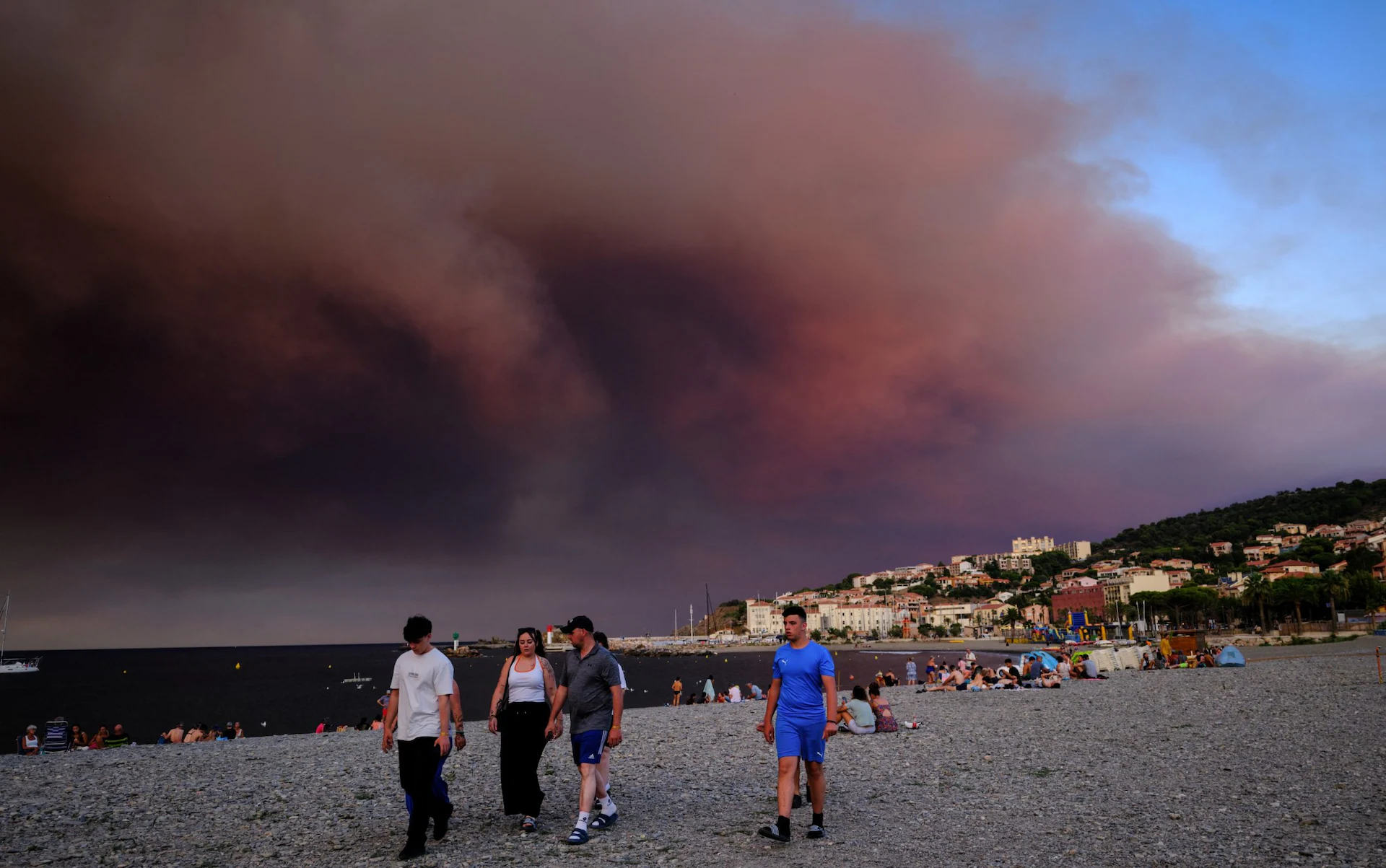
A massive wildfire has swept through the Aude prefecture in southern France, claiming at least one life, leaving another individual critically injured, and prompting the deployment of every available national resource as the country grapples with yet another climate-related catastrophe. French President Emmanuel Macron has declared full mobilisation of state forces in an effort to bring the blaze under control, as firefighters battle relentless flames that continue to consume thousands of hectares of land.
The fire, which erupted on Tuesday afternoon, has already scorched approximately 11,000 hectares and destroyed at least 25 homes. The situation turned fatal when a woman was found dead inside a residence engulfed by fire. Another victim, trapped in the same home, is currently fighting for their life in critical condition. Seven firefighters have also sustained injuries during the ongoing operations, while one person remains unaccounted for, prompting grave concern among emergency responders and local residents.
The Aude prefecture, located inland from the Mediterranean coast, has been at the epicentre of this environmental disaster. As flames spread rapidly across dry and vulnerable terrain, over 1,800 firefighters were dispatched to the area. The scale and intensity of the inferno has left approximately 2,500 households without electricity and forced partial evacuations of local villages and camping grounds. Several regional roads have been closed as a precautionary measure to safeguard civilians and facilitate emergency access.

President Macron, addressing the nation via social media platform X (formerly Twitter), stated that every arm of the government has been mobilised to combat the fire and mitigate its impact. He extended support to the firefighters and emergency forces on the front lines and appealed to the public to remain vigilant and adhere strictly to official safety guidelines. Macron’s message was clear and urgent: “Everyone must exercise the utmost caution and respect the instructions of the authorities.”
Local officials have confirmed that conditions in the region remain extremely conducive to the spread of fire. Lucie Roesch, secretary general of the Aude prefecture, reported on Wednesday morning that although the blaze had somewhat slowed overnight due to increased humidity, it remains active and highly dangerous. She warned that the operation is expected to extend over several days and could potentially evolve further depending on weather conditions.
Roesch emphasized that while fire crews have been focusing on containing the front lines of the blaze, their efforts are equally concentrated on monitoring its periphery to prevent new flare-ups. The terrain, characterized by dry undergrowth and exacerbated by climatic shifts, poses significant challenges to containment efforts.
Environmental experts and local authorities point to long-term changes in land use and rainfall patterns as contributing factors to the region’s growing vulnerability to wildfires. The decline of vineyards, which once served as natural firebreaks, has removed a key buffer in many rural areas. Combined with an enduring lack of rainfall, the prefecture has witnessed a sharp rise in burned areas over recent years.
France, like many southern European nations, is confronting the increasing frequency and severity of wildfires as global temperatures rise. With the summer heatwaves pushing ecosystems to their limits, fire incidents have become both more common and more destructive. This latest tragedy in Aude starkly illustrates the high cost of environmental instability and the urgent need for long-term adaptive strategies.

For now, the nation watches and hopes as the battle continues against the fierce and unforgiving flames consuming southern France. The toll in lives, homes, and natural landscapes is already devastating. As the firefighting efforts intensify, the country remains united in grief, resolve, and gratitude for those risking everything to protect their fellow citizens.
Related News:
 Tsunami Panic Grips Pacific Rim After One of Century’s Strongest Quakes Shakes Russia, Sparks Global Evacuations
 Massive Earthquake Off Russia’s Kamchatka Coast Sparks Widespread Tsunami Alerts and Volcanic Eruption
 Europe Swelters Under Historic Heatwave as Wildfires Rage Across the Continent
 Search Underway for Missing After Pakistan Flash Floods Kill Over 330
 Everest Blizzard Chaos: Hundreds Stranded as Rescuers Battle Deadly Snowstorm
 Thousands at Risk in Gaza Amid Winter Flooding
 Turkey to Host COP31 After Breakthrough Deal with Australia
 Trump EPA Moves to Roll Back Soot Pollution Limits
 Australia Launches Major Environmental Law Reforms
 Sri Lanka Floods Leave 56 Dead, Dozens Missing
 Families wait in agony for missing after Hong Kong tower blaze
 Rare shark attack kills woman, injures man at remote NSW beach
 Kinnock’s Rebuke Echoes Loudly as Corbyn Allies Launch Left-Wing Breakaway: “A Gift to Farage”
 UK and Norway Forge Stronger Ties Through Joint Sanctions and Enhanced Defence Cooperation
 Trump Administration Dismisses 17 Immigration Judges, Sparking Debate Over Judicial Independence
 England’s Euro Odyssey: A Tale of Grit, Glory and the Lionesses’ Miraculous March to the Final
 Scorching Skies: England Gripped by Record-Breaking Heatwave Amid National Alerts
 UK Must Act with Courage and Clarity on Israel-Palestine Conflict, Says Foreign Affairs Committee Report
 Northern Ireland Family of Three Shot Dead in Maguiresbridge Home Incident
 Seventeen Dead as Russia Targets Ukrainian Prison in Devastating Airstrike
 Tottenham Takes On Newcastle
 Gen Z Embraces the Big, Bold ‘Fake’ Indian Wedding Party Trend
 Trump Threatens 100% Tariff on Nations Importing Russian Oil Amid India Standoff Over Ukraine War
 Netanyahu Announces Plan to Take Over Gaza City, Escalating Conflict Further
 UK Heatwave Continues with Temperatures Soaring, Thunderstorms Forecast Across the Country
 Where Is Prince William and Kate Middleton’s New House? Inside the Historic Lodge Set to Become Their ‘Forever Home’
 FIFA Eyes Biennial Club World Cup from 2029, Plans Possible Expansion
 Costa Blanca Holiday Horror as Food Poisoning Outbreak Hits Four-Star Hotel
 UK Rocked by Two Earthquakes in Three Hours as Tremors Strike Cumbria and Iconic Welsh Landmark
 UK Weather Forecast: Rain and Storms to Break Summer Heatwave Across Britain
 British Couple Among 16 Killed in Lisbon Funicular Tragedy
 Protests Expected as Israeli Arms Firms Join Global Defence Trade Fair in London
 Trump Appears Sidelined as Israel’s Unprecedented Strikes Hit Qatar
 Conservative Influencer Charlie Kirk Fatally Shot During University Debate
 Charlie Kirk’s Death Sparks Fierce Debate Over Free Speech, Gun Rights and Political Decency
 Thousands Gather in London to Protest Donald Trump’s Second UK State Visit
 British AI Startup Outshines Human Forecasters in Global Prediction Contest
 Las Vegas Faces Decline as Rising Costs Drive Tourists Away
 Dembélé and Bonmatí Shine as Ballon d’Or Winners in Glittering Paris Ceremony
 Liverpool Vs outhampton Set for Carabao Cup Clash at Anfield
 Denmark Investigates Professional Drone Incursions Across Multiple Airports, No Evidence of Russian Involvement
 UK Fighter Jet Purchase Could Breach Nuclear Treaty, Warns CND
 ICC Women’s World Cup 2025: India to Host as Pakistan Fixtures Moved to Neutral Venues
 A Third of EU Citizens in UK Report Discrimination by Public Bodies Post-Brexit
 Bournemouth Stun Fulham with Dramatic Comeback in Premier League Thriller
 Arsenal Showcase Depth and Flexibility as Arteta Eyes Title Challenge
 Public Trust in SNP Hits Historic Low Amid NHS Concerns
 Cooper Unveils £4m Cyber Plan Against Russian Hackers
 Johnson Suggests Mandelson Linked to China Spy Controversy
 Zelensky to Urge Missile Aid as Trump and Putin Plan Summit
 Rachel Reeves signals welfare reform ahead of key budget
 Kosovo agrees to host Britain’s refused asylum seekers
 Ireland Votes as Two Women Compete for Presidency
 WW2 Pilot’s Long-Lost Crash Site Unearthed in Essex
 Experts Warn Russia’s Burevestnik Missile Could Destabilise Arms Control
 Johnson Approved China’s London ‘Super-Embassy’ in 2018
 Tragedy on Lizard Island: Cruise Passenger Dies
 Fed Cuts US Interest Rates Again Amid Labour Market Uncertainty
 Top Christmas Books Reads: Classics to Cozy Romcoms
 Just Stop Oil Protesters Convicted Amid Climate Defence Row
 US Senate Passes Funding Bill to End Historic Shutdown
 UK Faces Arctic Blast as Polar Vortex Disruption Brings Heavy Snow
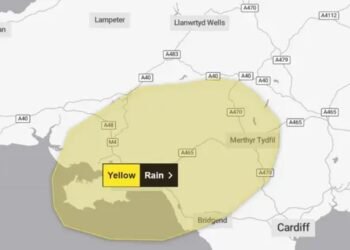 New weather warning issued with risk of flooding
 Japan Deploys Police to Curb Deadly Bear Attacks
 US Justice Department Files Lawsuit Against California Over Partisan Voting Maps
 Pokémon to open world’s first theme park in Japan next year
 Trump Deploys DHS to Charlotte in Major Arrest Operation
 Orban Says Ukraine Has ‘No Chance’ as EU Support Continues
 Israeli Strike Kills 13 Near Palestinian Camp in Lebanon
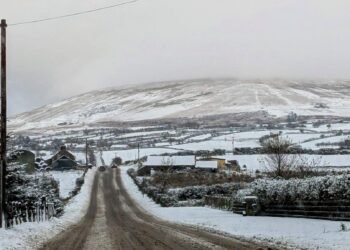 Commuters warned as yellow snow and ice alert hits Northern Ireland
 Haiti Qualifies for World Cup Despite Coach Never Visiting Country
 Pentagon Officials in Ukraine to Discuss War End
 Vietnam Battles Deadly Floods as Rains Continue
 Venezuela Threatens Nobel Winner Machado with Fugitive Status
 At Least Three Dead in Bangladesh Earthquake
 Israel Confirms Hamas Returned Dror Or’s Body
 Two National Guard Soldiers Critically Injured Near White House
 Delhi’s Toxic Air Crisis Leaves Children Sick and Vulnerable
 Southern Lebanon reels as Israeli strikes shatter communities
 Mbappe Scores 4 as Real Madrid Edge Olympiakos