Published: 11 August 2025. The English Chronicle Desk
In Cannock Chase, a community once reflecting the middle-class aspirations of Britain, a growing number of full-time workers are struggling to make ends meet, forced to rely on food handouts despite holding steady jobs. This unsettling reality casts a stark light on the profound effects of the ongoing cost of living crisis, upending expectations that hard work and dedication would secure financial stability and a comfortable life.
Rebecca, an office manager for a day service supporting people with learning difficulties, exemplifies this struggle. Despite juggling a second job selling cosmetics and homeware door-to-door during evenings and weekends, she finds herself caught in an unrelenting cycle of financial hardship. “There’s nothing more I can do. Unless I win the lottery or get another job,” she reflects, voicing a plea for local authorities to understand the realities faced by working families. “It’s 2025. It shouldn’t be like this.”

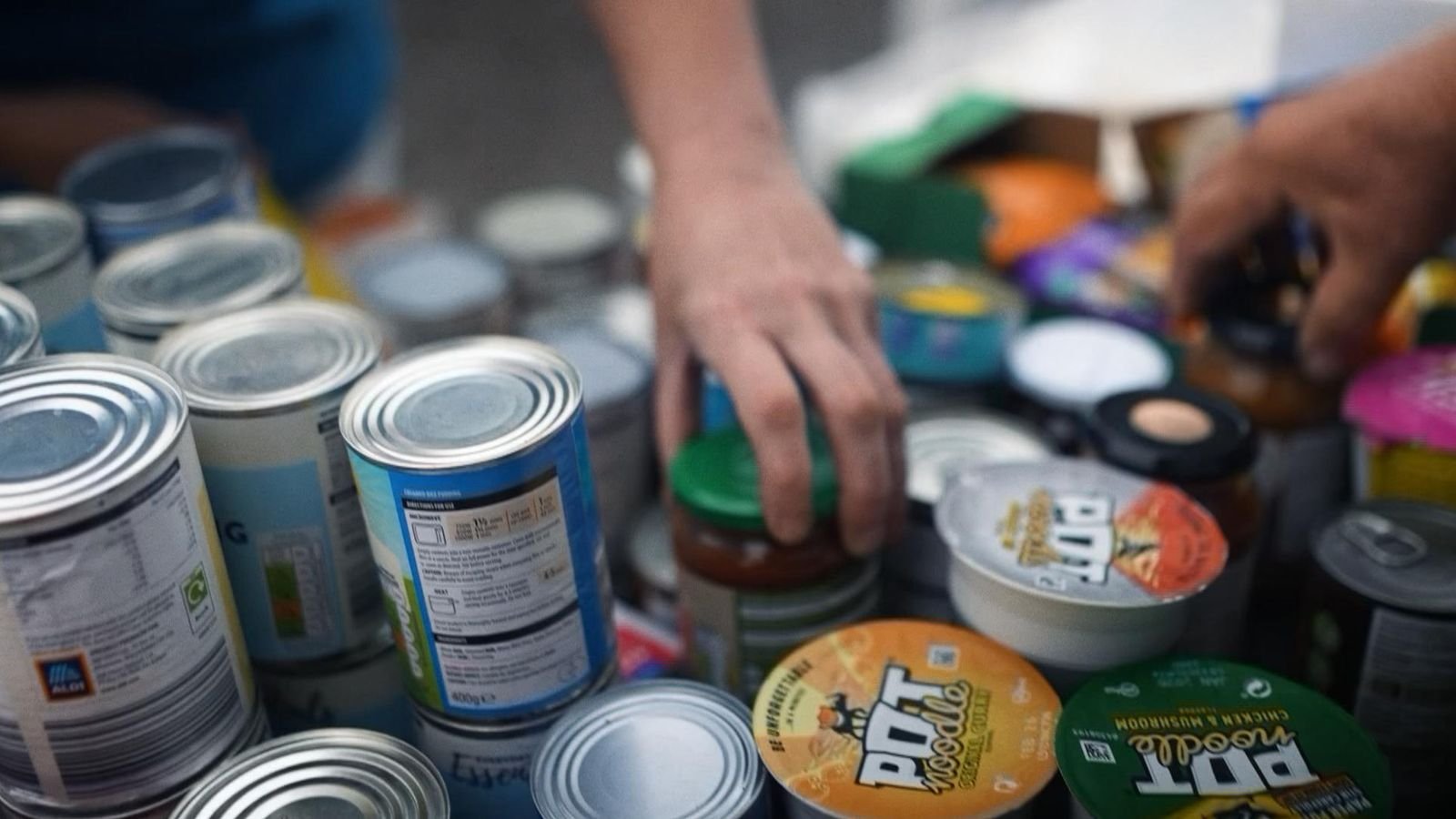
Rebecca’s experience is far from isolated. Alex Chapman, co-founder of the Norton Canes Community Food Table, reveals that approximately one-third of those seeking assistance are full-time workers. He highlights the paradox of professionals, nurses, and other employees in recognizable work attire relying on charitable food provision. “It’s mad that you’re working a good job and you think you’d be able to afford everything… but in reality, they’re struggling to put food on the table,” Chapman explains. This trend, he notes, is growing across the board, blurring traditional assumptions about who faces economic vulnerability.
Data from the Office for National Statistics (ONS) corroborates this lived reality. While in 2021 Cannock Chase’s average annual salary mirrored the national UK average of nearly £26,000, the gap has since widened significantly. National wages have increased by over 21% to keep pace with inflation, yet local salaries have risen by just 8.4%, leaving workers in Cannock Chase roughly £300 worse off per month compared to their counterparts elsewhere in the UK.
Louise Schwartz, a mother of two and self-described middle-class professional, embodies the tensions wrought by this shift. After two decades as a teacher, she now balances three jobs—including private music lessons and work at a software firm—while her husband works as an estate agent. Earning around £80,000 combined annually, they maintain a mortgage and own three cars, yet have had to sacrifice luxuries such as family holidays and costly hobbies. “It makes me feel sad for my kids… we can’t give them a week away,” she admits, underscoring how even relatively comfortable incomes no longer guarantee a lifestyle once taken for granted.
Louise’s family has also cut back on everyday expenses, opting for discounted brands and limiting energy consumption despite owning a hot tub that now rarely sees use. “I think people might not be surprised by that because I think people are probably in a similar position but maybe we just don’t talk about it,” she reflects, touching on the quiet endurance many endure in the face of financial strain.
The erosion of “pleasure money,” or discretionary income, is a recurring theme. Heidi Boot, a full-time small business owner running an aesthetics salon, observes a pattern of clients stretching appointments and tightening budgets. “People are working so hard for their money and they’ve got nothing to show for it,” she says, lamenting that what once seemed exceptional hardship is now becoming normalized.

The situation in Cannock Chase offers a window into a broader national struggle. As inflation continues to rise and wage growth falters in certain areas, the expectation that full-time work secures financial comfort is being challenged. For many, like Rebecca, Louise, and Heidi, the promise of prosperity remains elusive, demanding urgent attention from policymakers and communities alike.
As the cost of living crisis deepens, stories like these underscore the urgent need for solutions that restore security, dignity, and hope to those striving to build a better life through honest work.
Related News:
 MPs Warn Thousands Still Face Poverty Despite Labour’s Welfare Reform Retreat
 UK Retail Sales Rise in August, but Tax Concerns Loom Over Festive Period
 UK Wage Growth Remains High, But Cost of Living Pressures Bite
 Dagenham Left in Limbo After Smithfield and Billingsgate Market Relocation Cancelled
 Marks & Spencer Staff to Work on Boxing Day for First Time in Five Years Amid Cost-Cutting Measures
 UK Government Secures £122m Win Against Michelle Mone-Linked Firm Over Defective PPE
 UK households brace for October benefit payments and rising energy costs amid cost-of-living pressures
 Millions Face Higher Water Bills After Regulator Approves Hikes
 Real living wage set to rise nearly 7% for UK workers in 2026
 Lotto result jackpot draw halted due to technical glitch
 Court Hears Challenge Over Water Bills Funding Sewage Fixes
 Crisis charity to become landlord amid UK housing emergency
 Reeves to Crack Down on Benefit Fraud While Lifting Two-Child Limit
 The Ketamine Crisis in the UK is a Silent Epidemic Leaving Users with Lifelong Pain
 UK Economy Defies Expectations with Stronger-than-Predicted Growth in Second Quarter
 Wethersfield Controversy Deepens as Asylum Seeker Numbers Set to Surge by 50%
 Chancellor Faces Mounting Pressure Amid “Impossible Trilemma” Over Tax Rises
 Prince Harry Cleared of Bullying Allegations Amid Charity Dispute Fallout
 Heartbreak in the New Forest as Shetland Ponies Vanish, Community on Edge
 Alarming rise in abusive teen relationships in the UK sparks urgent warnings
 Inquest Finds Agency Worker Failings Led to Unlawful Death of Vulnerable 14-Year-Old
 Larger Families Could Gain Thousands if Labour Ends Two-Child Benefit Cap
 Shocking Rise in Children’s Exposure to Violent Online Pornography Raises Alarm
 EuroMillions Record-Breaking £210m Jackpot Won by Lucky Lottery Ticket Holder
 Human Remains Discovered in Lancashire May Be Those of Children, Police Say
 Akinwale Arobieke Found Dead at Liverpool Home
 Why E-Bikes and E-Scooters Are Making Streets a ‘Nightmare’ for Blind People
 UK Warned It’s on Course to Fail in Efforts to Wipe Out Bovine TB
 Retail Sales See Uptick Amid Errors and Delays as ONS Faces Scrutiny
 UK House Prices Hit Record £299,331 as Market Shows Steady Growth
 Norfolk Hospital Ranked Worst in England as NHS League Tables Return
 More Than Half of UK Births Now Involve Medical Intervention
 UK Graduates in Healthcare Report Highest Satisfaction with Degree Choices
 UK Labour Market Shows Signs of Cooling as Wage Growth Slows and Redundancies Rise
 UK Doctors Guilty of Sexual Misconduct Continue Practising Amid Weak Sanctions, Research Finds
 Zarah Sultana Seeks Legal Action After Bitter Clash with Jeremy Corbyn Over Party Membership Funds
 Vodafone Franchisees Sound Alarm: Mental Health Toll of Commission Cuts Revealed Years Before £120m Court Battle
 UK Government Backs Return of International Rail Travel to Kent Stations
 Patricia Crowther, Known as UK’s Oldest Witch, Dies Aged 97
 Starmer Unveils Plan for NHS “Online Hospital” to Tackle Waiting Lists
 A Third of EU Citizens in UK Report Discrimination by Public Bodies Post-Brexit
 Jilly Cooper: The Bonkbuster Queen Who Redefined Romantic Fiction
 Delivery Apps Could Double the Cost of Your Groceries, Warns Consumer Watchdog
 Celebrity Traitors First Look: A Star-Studded Highland Adventure That Hooks from the Start
 Women Challenge Meta Over Targeted Ads After Miscarriage
 £18 Prostate Cancer Test Could Save Thousands of Lives
 Pregnant Women in England Face Rising Risk of Severe Birth Injury
 One in 12 Secondary Pupils Sent to Isolation Weekly
 UK Health Leaders Push for Urgent Tobacco & Vape Bill
 Hospice Cuts Raise Alarm Across England Amid Funding Crisis
 UK Woman Loses Child Benefit After Booking Flight She Never Took
 Green Party Surges Past Labour in Latest UK Poll
 Celebrities and Charities Demand UK Government Act on Child Poverty
 Mass Stabbing on Doncaster to London Train Leaves Ten Injured
 Children to Learn Local History in Major Curriculum Overhaul
 The Lowry Hotel: Manchester’s Iconic Five-Star Retreat
 Prince William Plants Trees with Brazil’s Nature Heroes
 Greta Thunberg Backs Student Facing UK Visa Revocation
 Tony Blair think tank warns Rachel Reeves must cut taxes if manifesto broken
 Jailed UK climate protesters face extremist-style restrictions
 How to get help when a child goes missing – call 999 urgently
 ‘Reckless’ cuts to victims’ services will cost more than they save
 Politics latest: Starmer ‘will fight any leadership coup’ as Streeting denies attempt to oust Labour PM
 Son Reveals UK Couple in Iran Resort to Hunger Strike for Help
 New weather warning issued with risk of flooding
 Global markets drop amid tech sell-off and China slowdown
 Mum Calls for New Licence Rules After Teen Road Death
 £1 Breakfast Club Brings Parents Together in Sheffield
 Mother Watches in Horror as Teen Daughter Dies on Tracks
 ‘Traumatic Wait’: Northern Ireland Women Face Breast Cancer Delays
 Commuters warned as yellow snow and ice alert hits Northern Ireland
 PM Highlights UK Business at G20 in South Africa
 Mossmorran Plant Closure Hits Cowdenbeath Hard
 Coffins Now Too Large to Cremate Amid Rising Obesity Crisis
 Labour MP claims devolution bill is ‘blatant discrimination’ against Cornwall
 Fibromyalgia Patients Struggle as NHS Fails to Provide Care
 Search underway for British man overboard off Tenerife
 “Enough is Enough”: Local MP Vows to Fight Rainham Quarry Plans
 Virgin Media Fined £23.8m Over Telecare Safety Failures
 Rising Water Bills Lift Troubled Thames Back to Profit