Published: 29 April 2026. The English Chronicle Desk. The English Chronicle Online
A deeply personal and emotional moment at a fundraising event has led a man in his 60s to confront, for the first time in his life, the long-suppressed feelings surrounding his cleft lip condition. Hugh Davies, who was born with a cleft lip, has described how a chance encounter with another person sharing the same condition became a turning point that reshaped his understanding of himself, his past and the emotional weight he had carried for decades.
The experience unfolded at a charity dinner where Davies noticed a woman standing alone in the crowd who also had a visible facial difference caused by a cleft. In that moment, he made a spontaneous decision to approach her. Although he had spoken about his condition with doctors, family members and friends over the years, he had never before discussed it openly with someone who had lived through the same experience.

What followed, he later described, was one of the most emotionally intense and transformative conversations of his life. The two strangers, brought together by shared experience, quickly moved beyond polite conversation and began speaking openly about their lives, their insecurities and the emotional impact of growing up with a visible facial difference. Davies said the discussion felt immediate and deeply honest, touching on subjects such as bullying, self-image, and the psychological burden of being perceived differently by others.
For Davies, the encounter marked a significant emotional breakthrough. He described how, after decades of avoiding the subject, he finally allowed himself to confront feelings he had long suppressed. The conversation continued throughout the evening, even interrupting the formal structure of the event, as both individuals found themselves unable to step away from the connection they had formed.
The emotional impact of the meeting continued beyond the event itself. Davies revealed that the following day he experienced a release of long-held emotion, describing it as the first time he had cried about his cleft lip. He explained that the experience allowed him to acknowledge sadness and vulnerability he had previously pushed aside in order to function in daily life.
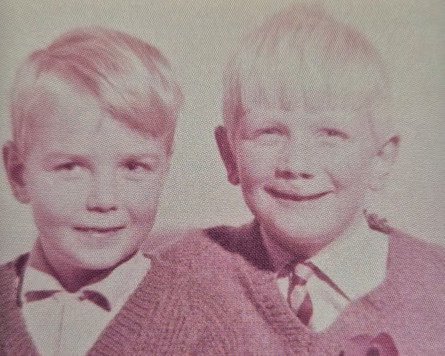
Born with a cleft lip, Davies underwent multiple surgeries during childhood and early adulthood. His first operation took place when he was five years old, followed by further procedures at the age of 19, which required extensive recovery and significant physical discomfort. Despite medical intervention improving his appearance over time, he said the psychological impact remained with him into adulthood, even as he attempted to move past it.
Throughout his life, Davies said he often chose not to speak about his condition. Although he encountered others with similar experiences, he admitted that he rarely acknowledged their shared connection. Instead, he focused on building a professional career in public relations, eventually becoming a company director, while maintaining a private emotional distance from his own history.
It was only later in life, during therapy, that he began to explore how his early experiences may have shaped his behaviour and confidence. He reflected on how growing up with a facial difference influenced his willingness to take risks, speak publicly or place himself in positions of visibility. He described a pattern of holding back in both personal and professional situations, driven by a fear of rejection and judgement.
Despite outward appearances of confidence and sociability, Davies said he often felt internally cautious in social environments, particularly in situations where he was meeting new people or entering crowded spaces. He acknowledged a long-standing desire for acceptance and approval, as well as an underlying fear of being bullied, something he experienced during his younger years.
His involvement with Smile Train, a charity focused on cleft care, became a turning point in his journey toward acceptance. Through his work with the organisation and participation in fundraising activities, he gradually began to re-engage with the broader cleft community. However, it was not until his encounter with the woman at the dinner event that he felt a true sense of shared understanding.
Following the emotional conversation, Davies said he maintained contact with her, and the experience encouraged him to speak more openly with those closest to him, including his family and friends. While many people have reassured him that his cleft does not define him, he explained that such responses, though well-meaning, do not always reflect the deeper emotional complexity of living with a visible difference.

Davies described the encounter as a bridge between his past and present, allowing him to reframe his experiences and acknowledge emotions he had long avoided. He said the conversation helped him recognise that he was not alone in his feelings and that others had navigated similar challenges.
His story highlights the often unseen emotional journey of individuals living with facial differences, and the lasting psychological impact such conditions can have, even when physical treatment has been successful. It also underscores the importance of shared experience and open conversation in healing long-standing emotional wounds.
For Davies, the moment did not just represent a conversation at a charity dinner, but a turning point that allowed him, in his own words, to finally begin reconnecting with a part of himself he had long ignored.
Related News:
 NHS Safety Fears as Nurses Cover Doctor Gaps
 Florida Surgeon ‘Devastated’ Over Fatal Surgery Error
 Barrister Criticises Trial After Suicide Case Verdict
 Pope Meets Families in Italy Toxic Waste Zone
 UK Schools Struggle as Classrooms Top 40C
 London Tube Heat Reaches Dangerous Levels
 Weight-Loss Drugs Offer Food Savings Mainly to High Earners
 Hospice Cuts Raise Alarm Across England Amid Funding Crisis
 Patients to Test Health at Home to Ease NHS Winter Pressure
 Shouting Works Best to Deter Gulls, UK Study Finds
 Reeves rejects £1bn plea for NHS redundancy payouts
 Senator John Fetterman Hospitalized After Fall from Heart Flare-Up, Keeps Sense of Humor
 New AI tool could cut wasted efforts in organ transplants
 Stroke Patient Mistaken for Drunk, Care Delayed
 ‘Traumatic Wait’: Northern Ireland Women Face Breast Cancer Delays
 Healthy Habits in Your 30s That Boost Life in Your 70s
 Scottish Families Take Legal Action Over School CO Leak
 Vicki Fears Losing Motability Car
 Five-Year-Old Dies After Rare Tonsil Surgery Complication
 Fibromyalgia Patients Struggle as NHS Fails to Provide Care
 More Patients Now Contacting GPs Online, Data Shows
 Kenya Signs $2.5bn Health Deal with US Amid Data Concerns
 Children to Receive Home Vaccines as England Acts
 UK Enforces Junk Food Ad Ban Before 9pm
 Patients Collapsing in NHS Corridors, Watchdog Warns
 Google Removes Some AI Health Summaries Over Safety Concerns
 Polycrisis Anxiety Leaves Many Feeling Trapped in the Present
 Small risk warning raised over weight-loss jabs in UK review
 Streeting moves on doctor pay to end strike dispute
 Autistic Girls Often Missed in Childhood Diagnoses, Study Finds
 UK reports baby formula toxin poisoning cases across the country
 Most Statin Side-Effects Are Not Caused by Drugs, Study Confirms
 Chikungunya Spread in Europe Climbs as Climate Warms
 Placenta Accreta Warning as Hunt Urges Action
 The rise of rejection sensitive dysphoria: How it shapes lives
 NHS Maternity Units Cover Up Harmful Childbirth Errors
 Weight-loss drugs may transform heart attack recovery
 Zorevunersen Breakthrough for Dravet Syndrome
 Cancer Death Rate in Britain Falls by Nearly a Third
 New Zealand Covid Response Praised Despite Lingering Scars
 Taking Multivitamins Daily Could Slightly Slow Ageing, Study Finds
 Canada Plasma Deaths Raise Safety Concerns After Two Donors Die
 ‘Drinking from a Fetid Pond’: Superbug Genes in Lough Neagh
 NHS Plans to Cut Overseas Workers Labeled Overambitious
 Rising Costs Force Families to Rethink Days Out
 Palantir Boss Defends NHS Deal Amid Government Break Clause
 M&S Demands Urgent Action on Rising Violent Retail Crime
 Unions Raise Concerns Over Doctors’ Pay Dispute
 Blue Badge Surge Prompts Calls for Urgent Fraud Crackdown
 Private Profits From NHS Contracts Spark Urgent National Debate
 Crisis in NHS Surgery Scheduling Hits Patients Hard
 Britain’s Health Decline: A Growing National Concern
 New Scan Offers Hope for Faster Endometriosis Diagnosis
 New AI Tool To Target Obesity Risk And Transform NHS Care
 WHO approves first malaria drug for babies
 Greens Face Internal Row Over Antisemitism Claims
 China Fireworks Factory Blast Kills 21 in Hunan
 The Hidden Danger Facing Mothers in British Hospitals
 Hantavirus Cruise: Britons Face 45-Day Isolation Order
 Immigration Judges Fear Pressure in Trump Era
 Crisis in the Canary Islands as Cruise Ship Evacuated
 UK Experts Urge Four-Day Week to Combat National Obesity
 French Patient Told Hantavirus Was Just Anxiety
 Heavy Caring Burden Linked to Faster Mental Decline
 NHS Drug Deal Faces Legal Threat Over US Trade Agreement
 Record Spending Highlights Growing Crisis In National Health Service
 Starmer Leadership Under Pressure After Setbacks
 Thailand Tightens Visa Rules to Curb Tourist Misbehavior
 NHS to Tell Minor A&E Patients to Return Later
 Clean Air Initiatives Spark Major Fall in London Hospital Admissions
 NHS Urges Investigation For Irregular Periods
 Deadly H5 Bird Flu Reaches Australia’s East Coast
 Trump’s Mount Rushmore Speech: A Divisive Anniversary
 UK Heatwaves Ignite Crisis of Sleep and Public Safety
 Arizona Toddler Found Alive in Hospital Cold Room
 Trump Immigration Cuts Threaten US Caregiver Stability
 Le Pen’s Popularity Holds Despite Conviction
 Westminster Council Threatens Charing Cross Soup Kitchen
 BBC Warned About Missing Clothes of Murder Victim
 Gen Z turns to BirdTok for a gentler digital escape