
Published: 05 May 2026. The English Chronicle Desk. The English Chronicle Online
Australia is moving closer to finalising a significant security and economic agreement with Fiji, as Canberra intensifies efforts to strengthen its strategic presence across the Pacific amid rising competition with China. The development comes as diplomatic pushback from Beijing has complicated a separate arrangement with Vanuatu, highlighting the growing geopolitical contest shaping the region.
The Australian foreign minister Penny Wong and Minister for Pacific Island Affairs Pat Conroy travelled to Suva this week for high-level talks aimed at advancing what is known as the Vuvale Union. The proposed agreement with Fiji is expected to deepen cooperation in areas including security, energy resilience, trade stability, and regional law enforcement coordination.
At the centre of Australia’s Pacific strategy is a broader effort by the Albanese government to reinforce long-term partnerships with island nations that have increasingly become focal points of geopolitical influence. Canberra’s concern has been shaped by China’s expanding diplomatic and infrastructure investments in the region, which Australian officials view as part of a broader attempt to reshape regional alignments.

Fiji’s leadership, under Prime Minister Sitiveni Rabuka, has taken a pragmatic approach, balancing relationships with traditional partners such as Australia while maintaining engagement with China. The current discussions in Suva are expected to build on that balancing act, with both sides aiming to formalise commitments that enhance cooperation without undermining Fiji’s policy of regional independence.
The Vuvale Union framework is designed to strengthen institutional ties between Australia and Fiji, building on existing defence cooperation, policing collaboration, and development assistance. Officials have indicated that energy security and supply chain resilience will be key priorities during discussions, particularly in light of global disruptions linked to instability in the Middle East and wider shipping vulnerabilities.
Australia has also emphasised the importance of maritime security in the Pacific, where vast ocean territories make monitoring and enforcement challenging. Rising concerns about transnational crime, including drug trafficking and illegal fishing, have added urgency to regional cooperation efforts. Both Canberra and Suva have acknowledged that these issues require coordinated responses across multiple island nations.
The visit by Wong and Conroy also includes discussions with regional diplomatic leadership, including the secretary-general of the Pacific Islands Forum, Baron Waqa. The Forum remains a central platform for Pacific diplomacy, providing a collective voice for island nations on issues ranging from climate change to security cooperation.
While Australia has made significant diplomatic progress in strengthening its Pacific partnerships in recent years, its efforts have not been without setbacks. A parallel agreement with Vanuatu has encountered resistance, largely due to concerns over sovereignty, funding dependencies, and competing offers of infrastructure investment from China.
The Vanuatu government, led by Prime Minister Jotham Napat, has delayed finalising a formal security pact with Australia, citing the need to preserve its policy of non-alignment and maintain flexibility in foreign partnerships. Officials in Port Vila have emphasised that while security cooperation with Australia remains important, it should not restrict Vanuatu’s ability to pursue development financing from multiple international partners.
China’s growing role in Vanuatu has been a key factor influencing regional dynamics. Beijing has funded major infrastructure projects, including government buildings and administrative facilities, and has also been involved in broader development cooperation agreements. While Chinese officials describe these initiatives as economic partnerships, Western governments have increasingly viewed them through a strategic lens.
The tensions surrounding Vanuatu’s agreement highlight the broader challenge facing Australia’s Pacific strategy. While Canberra has secured or upgraded security arrangements with countries such as Papua New Guinea, Nauru, and Tuvalu, its influence is being tested by China’s sustained diplomatic and financial engagement across the region.
Australia’s broader strategy has evolved significantly since the 2022 election of the Albanese government, which prioritised deeper engagement with Pacific Island nations. The approach was partly driven by concerns following China’s security agreement with the Solomon Islands, a deal that was concluded with limited regional consultation and caught several governments by surprise.
That agreement marked a turning point in regional diplomacy, prompting Australia and its allies to increase diplomatic outreach and expand development partnerships. Since then, Canberra has focused on what officials describe as “embedded regional presence,” combining security cooperation with infrastructure investment, climate resilience funding, and economic development support.
The current discussions in Fiji also come at a time of heightened global uncertainty. Supply chain disruptions, fuel security concerns, and geopolitical tensions have placed additional pressure on Pacific economies, many of which rely heavily on imported energy and goods. Australia has positioned itself as a stabilising partner, offering support in managing logistical vulnerabilities and improving resilience in critical infrastructure systems.
Foreign Minister Wong has repeatedly stressed that Australia’s engagement with the Pacific is grounded in long-term partnership rather than competition alone. She has emphasised that regional stability depends on cooperation, mutual respect, and sustained investment in shared priorities.
“Strengthening our ties with Fiji is a key part of Australia’s broader commitment to the Pacific,” Wong said during the visit, underscoring Canberra’s intention to remain a central partner in regional development and security architecture.

Conroy has echoed that position, highlighting transnational crime as one of the most pressing security threats facing Pacific nations after climate change. Illegal trafficking networks, maritime crime, and cross-border illicit trade continue to challenge regional law enforcement capacity, prompting calls for more coordinated responses.
Despite diplomatic progress, the Pacific remains an increasingly complex geopolitical environment. Small island nations are navigating competing offers of infrastructure financing, development aid, and security cooperation from major global powers. This has created both opportunities and challenges, allowing governments to diversify partnerships while also increasing diplomatic pressure.
Australia’s efforts to secure stronger institutional ties through agreements such as the Vuvale Union are therefore part of a wider strategic recalibration. Officials argue that deeper engagement is necessary not only to counter external influence but also to ensure long-term stability in a region that is disproportionately affected by climate change, economic vulnerability, and geographic isolation.
At the same time, Pacific leaders continue to assert their independence in foreign policy decision-making. Vanuatu’s cautious approach reflects a broader regional sentiment that partnerships should not come at the expense of sovereignty or policy autonomy.
As negotiations continue, the outcome of Australia’s engagements in Fiji and Vanuatu will likely serve as a key indicator of how Pacific geopolitics evolves in the coming years. Whether Canberra can secure durable, trust-based agreements while navigating Chinese influence will shape not only regional security frameworks but also the broader balance of power in the Indo-Pacific.
For now, Australia’s diplomatic momentum in Suva suggests progress, even as unresolved challenges in Port Vila highlight the limits of influence in a region defined by both strategic importance and political independence.
Related News:
 Discontent grows around Putin amid war strain
 Houthis Strike Saudi Arabia as Middle East Tensions Rise
 Taliban global ties grow as rights fears mount
 Seoul proposes historic peace talks to replace Korean War armistice
 Shock US Raid: Maduro Pleads Not Guilty in Manhattan Court
 Machado Trump medal gesture reshapes Venezuela power struggle
 Trump Receives Machado’s Nobel Medal in White House Meeting
 Iran unrest slows under brutal crackdown and global tensions
 US Considers Asylum for British Jews Amid Rising Antisemitism
 Russia Strikes Kyiv and Kharkiv as Peace Talks Enter Day Two
 Thousands Protest ICE Operations in Nationwide US Day of Action
 Epstein Files Reveal Trump Officials’ Emails with Financier
 Thousands Protest ICE in New York Against Trump Deportation Campaign
 Nine Killed in Karachi Consulate Protest
 Yvette Cooper: UK Must Follow Principles, Not US Pressure
 Southeast Asia Turns to Russia Amid Energy Crisis
 US Calls Australia Media Law “Foreign Extortion”
 Oil Prices Surge Above $120 Amid Iran Blockade Fears
 Trump orders US troop pullout from Germany
 Activists allege abuse after Gaza flotilla seizure
 Global order shifts amid Trump-era turmoil
 BJP Sweeps West Bengal in Historic Breakthrough
 Indiana Republicans Defy Trump in Key Vote Test
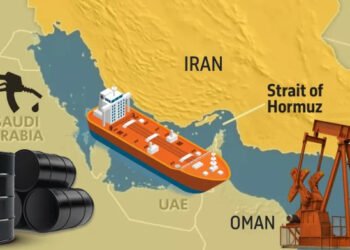 Middle East Crisis Escalates as Oil Routes Shake Markets
 Tensions Emerge in Netanyahu-Trump Alliance
 US Awaits Iran Reply on New Ceasefire Proposal
 One Nation Stuns Australia With Historic Farrer Win
 Putin Declares Russia Victory at Scaled Victory Day Parade
 Hormuz Talks Near Critical Stage
 Zelenskyy warns over Oreshnik threat as Kyiv hit
 Former ICC prosecutor condemns US sanctions
 Trump’s Iran Legacy Hangs on Tehran Deal
 Millions Gather for Khamenei’s Six-Day State Funeral
 Venezuela Quake Death Toll Surpasses 4,000
 Israeli Strike in Southern Lebanon Kills Seven
 Five Years of Taliban Rule Leave Afghanistan in Crisis
 BBC to Apologise Over Edited Trump Speech Amid Backlash
 Britain deploys RAF specialists to assist Belgium with drone threats
 Greene Pushes Epstein Files Amid Trump Fallout
 December Run-Off in Chile as Election Produces No Winner
 Canada Passes Carney’s First Budget in Tight Parliamentary Vote
 Shadow Fleet at Sea: Europe’s Battle Against Illicit Oil Shipping
 Georgians Defy Government Crackdown After Year of Protests
 Mandelson apologises over Epstein ties after public scrutiny
 Starmer Challenges US Over Controversial Greenland Deal
 Spoof “Make America Go Away” Caps Rally Denmark Over Greenland
 Pentagon Signals Reduced Role in Deterring North Korea
 UK and US Drop in Global Corruption Index Rankings
 Canberra Poster Seizure Sparks Free Speech Row
 Evo Morales Returns After Mysterious Absence
 Jacinda Ardern Moves To Australia Following Her US Fellowships
 Jacinda Ardern Move Sparks Kiwi Reflection
 Nick Greiner Warns Over Election Review Fallout
 New Zealand Covid Response Praised Despite Lingering Scars
 Injured Mojtaba Khamenei Elevated as Iran Leader
 Gordon Brown urges court for crimes against children
 Pakistan Targets Militant Hideouts in Afghanistan
 Air Canada CEO Faces Outcry Over Recent Language Misstep
 Relationship with Trump may be beyond repair, Starmer warned
 Reform UK Pledges To Halt Visas Over Reparations Demands
 Trump Signals Hope for New Iran Talks as Ceasefire Fades
 Trump Brokers Landmark Lebanon Ceasefire Amid Regional Hopes
 UK Stands Firm on Falklands Amid US Rift
 Investigation Into Anti-Trump Motives After Gala Shooting
 Japan Protests Erupt Over Plans to Revise Constitution
 US ‘Narco Boat’ Strikes Draw Global Outcry
 FIFA Confirms Global Ban for Benfica Star Prestianni
 One Nation Candidate’s Surprising Ties to Independents
 US and Mexico Face Heatwave as Floods Batter South Africa
 Putin Signals War End as Russian Momentum Stalls
 Scepticism and tight security as Beijing braces for Trump
 Philippine Senator Flees After Days Under Senate Siege
 Fragile Truce Shattered as Violence Escapes Diplomatic Control
 Tony Abbott Returns as New Liberal Party President
 Starmer Leadership Under Pressure After Setbacks
 Aukus Deal Facing Fierce Backing and Historic Criticism
 Thai Princess Bajrakitiyabha Passes Away at 47
 Trump’s Mount Rushmore Speech: A Divisive Anniversary
 Le Pen to Run for President Despite Embezzlement Conviction
 Trump Swaps Planes Amid Iran Tensions