Published: 5 May 2026. The English Chronicle Desk. The English Chronicle Online
The fragile ceasefire in the Persian Gulf has reached a “tipping point” following a series of high-stakes naval skirmishes in the Strait of Hormuz. After President Donald Trump launched “Project Freedom”—a U.S. Navy-led operation to escort stranded merchant vessels through the blockaded waterway—Iranian military commanders issued a chilling warning that their forces are “just getting started.”

The rhetoric follows a Monday of intense “asymmetric” activity, including reported missile strikes on a U.S. destroyer (denied by the Pentagon) and drone attacks on oil infrastructure in the United Arab Emirates (UAE). As Brent crude hovers at $126 a barrel, the “clinical silence” of the April truce has been replaced by the roar of F-16s and the splash of intercepted ballistic missiles.
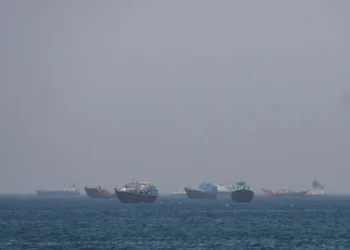
The escalation began early Monday when the U.S. Navy began guiding out some of the 1,000 commercial vessels that have been trapped in the Gulf since the conflict erupted in February.
The Escort: Guided-missile destroyers, including the USS Mason and USS Truxtun, successfully navigated two U.S.-flagged tankers through the Strait. They were supported by a “wall of steel” comprising AH-64 Apache helicopters and land-based fighter jets.
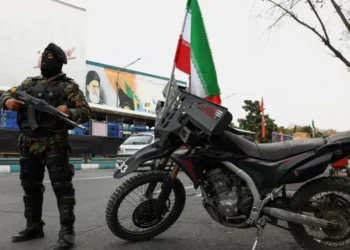
The Iranian Response: Major General Ali Abdollahi, commander of the Khatam al-Anbia Headquarters, declared the Strait “entirely under Iranian control.” He warned that any entry not coordinated with Tehran would be treated as an act of aggression. “Advance, and you will be targeted,” he stated via state-linked media.
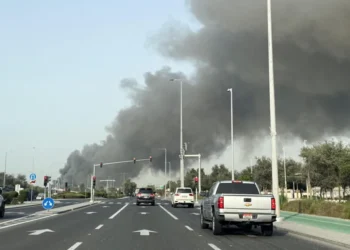
The UAE Strikes: In a significant expansion of the conflict, the UAE intercepted a barrage of missiles and drones targeting an oil port. Iranian media suggested the strikes were “enforcement” against regional partners aiding the U.S. “Project Freedom is Project Deadlock,” warned Iran’s Foreign Minister.
Tehran’s “just getting started” comment is being viewed by analysts as a pivot toward unconventional warfare designed to bypass U.S. technological superiority.
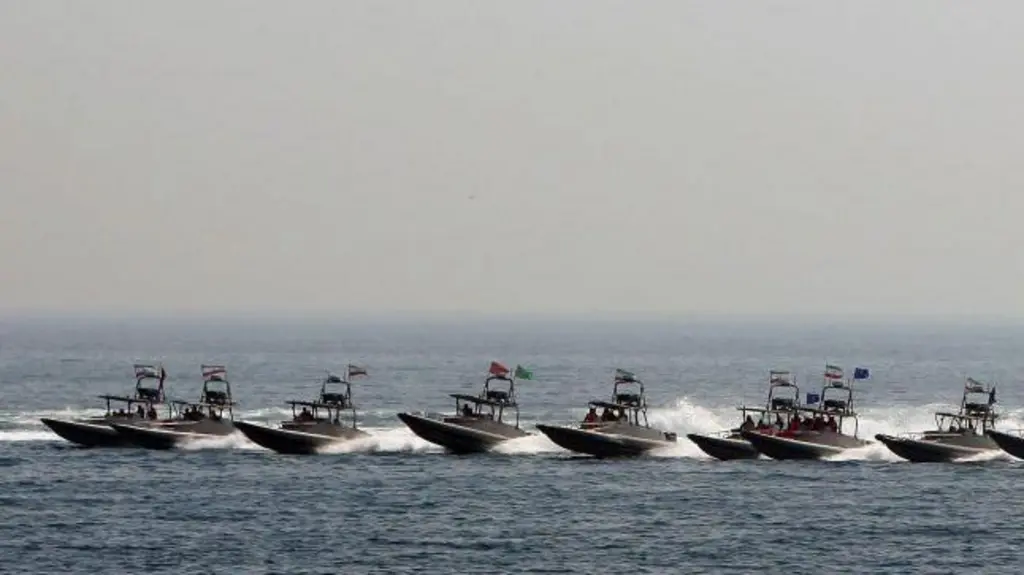
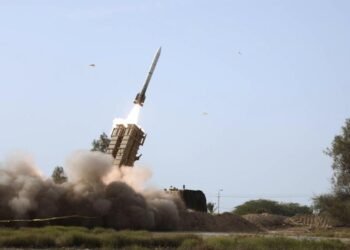
Small-Boat Swarms: CENTCOM reported destroying six Iranian small boats that attempted to harass the transit mission. These “mosquito” tactics aim to overwhelm destroyer defenses through sheer numbers.
Sea Mines: U.S. Naval Command has warned merchant ships to “consider routing via Oman” to avoid newly laid minefields, a “hidden Blitz” that makes even “safe” passages a gamble.
The “Toll” Scheme: Supreme Leader Mojtaba Khamenei recently hinted at a “new management” for the Strait that would include mandatory tolls—a move the U.S. has labeled “maritime piracy.”
As King Charles concludes his Washington visit, the “Hormuz Crisis” has become the primary test of the 2026 global order.
The “Dopamine Desert” of Diplomacy: Despite the violence, a 14-part “war-ending” proposal is reportedly being shuttled between Washington and Tehran via Pakistan. However, President Trump noted he is “unhappy” with the terms, describing them as demands he “can’t agree to.”
The Economic Ticking Clock: Traders warn that if the Strait remains a “hot zone,” the world is only a month away from an oil price surge that could collapse Western retail markets already struggling with the “postcode lottery” of inflation.
As the RHS Wisley wisteria blooms in the calm of the English countryside, the contrast with the “fire and steel” of the Gulf is a stark reminder of the world’s “resilience deficit.”

The “Golden Tone” of Defiance: Iran’s leadership appears to be betting that the U.S. will lack the “political stomach” for a prolonged naval war during an election cycle.
The Milestone: For the 20,000 seafarers still trapped in the “Strait of Fire,” the start of Project Freedom is a beacon of hope—but one that comes with the terrifying risk of being caught in the crossfire of a “just getting started” revenge.
“Justice has no expiry date,” the IRGC warned this morning. With the King’s Speech on May 13 expected to reaffirm the UK’s commitment to “maritime sovereignty,” the battle for the world’s most important waterway is entering its most dangerous chapter yet.
Related News:
 Cooper: Joining US Strikes on Iran ‘Not in Britain’s Interest’
 Trump’s Iran Endgame Unclear After Mixed Messaging on War Aims
 UK Prepares Aircraft Carrier for Middle East Crisis
 Aid Crisis Grows as Hormuz War Disrupts Supply
 Trump likens US Navy actions to ‘pirates’
 US Build-Up of Warships and Fighter Jets Tracked Near Iran
 Israel and Hezbollah Exchange Fire as Conflict Worsens
 Iran’s Regime Still Intact — Coming Days Will Test Its Survival
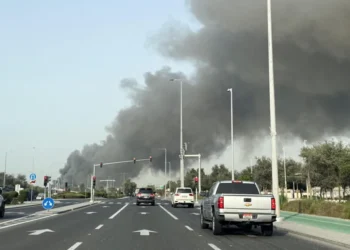 Allies of US in the Gulf Bear Brunt of Iran Attacks
 Hopes and Fears as US Iranians Take to Streets After Toppling of Supreme Leader
 Retaliations Continue on Day Two of US-Israel Attacks on Iran
 At Least 153 Dead After Reported Strike on School, Iran Says
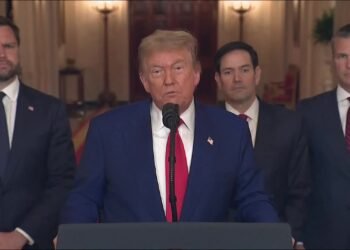 At Least 153 Dead After Reported Strike on School, Iran Says
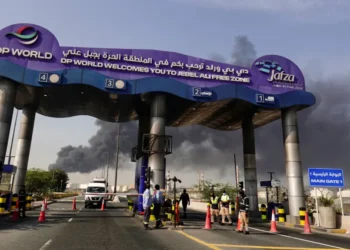 ‘It’s Eerie’ – Dubai on Edge as City Comes Under Attack
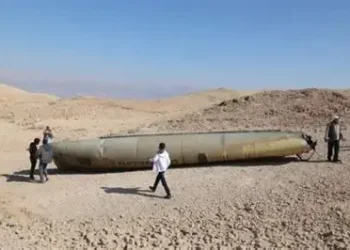 BBC Reports from Beit Shemesh After Deadly Iranian Missile Strike
 Iran, the US, and a World Cup That Starts in Three Months
 Allies of US in the Gulf Bear Brunt of Iran Attacks
 Israeli Attacks Kill 31 in Lebanon, Iran Strikes Across Region, US Warplanes Crash in Kuwait
 In Maps: Strikes Across Iran and the Middle East
 Months of Planning Behind US‑Israeli Mission to Target Iran’s Supreme Leader
 UK Will Allow US to Use Bases to Strike Iranian Missile Sites, PM Says
 What Khamenei’s Death Means for Russia and China
 Tehran Makes New Threat to Gulf Shipping as US Says ‘Hardest Hits’ on Iran ‘Yet to Come’
 Did Trump Declare War and Did Congress Approve Iran Attacks? What to Know
 Rubio Responds to Reported Strike on Iranian School
 Scots Caught Up in Middle East Crisis ‘Just Waiting for the Next Explosion’
 The Third Day of the US‑Israeli War With Iran
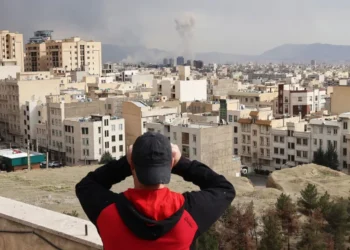 Why the US and Israel attacked Iran
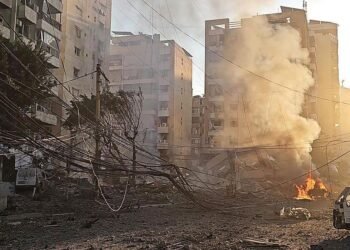 Israel Launches Fresh Strikes on Tehran & Beirut; US Warns “Hardest Hits” Ahead
 Three Days In, This War’s End Is Still Unclear
 US Has ‘Enough Weapons for Forever War,’ Trump Says
 Israel Strikes Lebanon After Hezbollah Rocket Fire as Iran Conflict Widens
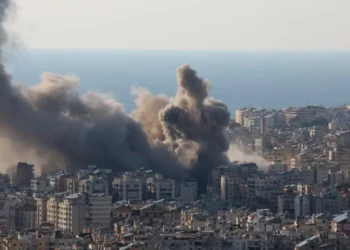 Latest on Middle East Conflict — In Maps: Strikes Across Iran and the Region
 ‘I saw missiles being intercepted’: Influencers recount shock as Iran hits Dubai landmarks
 Amazon Says Drones Damaged Three Facilities in UAE and Bahrain
 Man Recalls ‘Terrifying’ Dubai Missile Ordeal During Iran Strikes
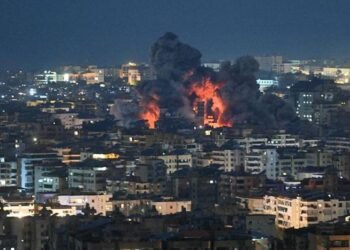 Israel’s New Airstrikes on Tehran & Beirut After US Embassy in Riyadh Is Hit
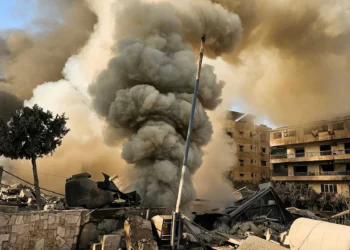 Israel Launches Ground Invasion of Lebanon Amid Widening Middle East War
 Iranian Rockets Are Testing the Resolve of Dubai’s Instagram Stars
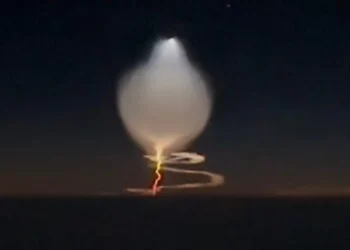 Airline Pilots Feared Iranian Missile Had Been Fired at Them
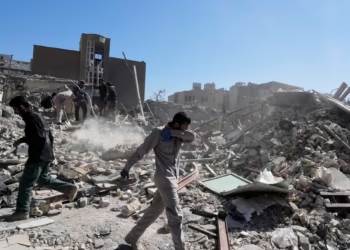 US Embassy in Riyadh Hit by Iranian Drones as Israeli Troops Enter Southern Lebanon
 US Strikes on Iran Triggered by Israel’s Plan to Launch Attack, Rubio Says
 First Wave of Europeans Stranded by Iran Conflict Return Home, With Hundreds of Thousands Still Left in Region
 Sixth American Service Member Killed in Iran Operation as Conflict Intensifies
 Trump Rebukes Starmer Over UK Refusal to Back Strikes on Iran
 Civilian Deaths in Iran Pass 700 Amid Fear of Bombs and Regime Clampdown
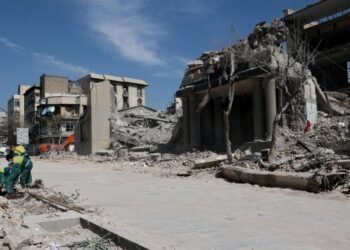 US Senate Backs Trump War Powers Amid Iran Missile Barrage
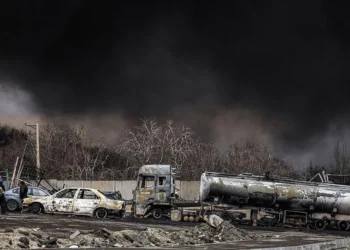 Nine Days of Strikes Reshape the Middle East
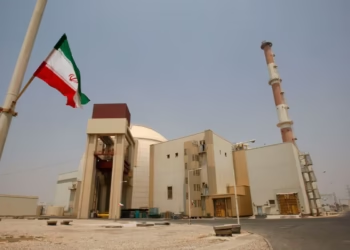 Putin Orders Evacuation at Iran Nuclear Plant Amid ‘Catastrophe’ Fears
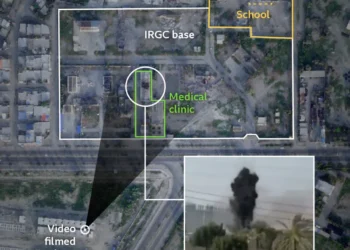 Video Analysis Suggests US Missile Hit Base Near Iran School
 ‘Even Under Missiles We Carry On Living’: Iran’s Youth in War
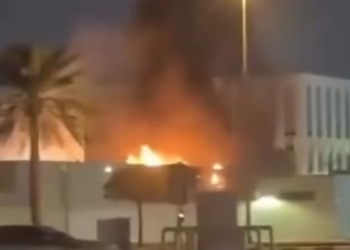 Busy International Airport Targeted by Iran in Latest Strikes
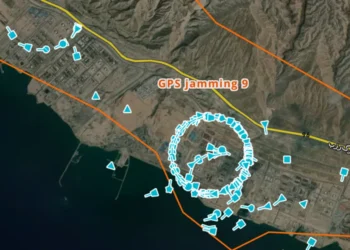 GPS Jamming: The Invisible Battle in the Middle East
 Death, displacement and military duties: children plunged into crisis
 ‘The frontline is like Terminator’: Ukraine’s fighting robots
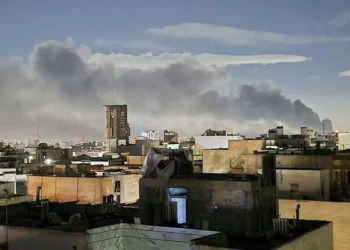 Iran Says Intelligence Chief Killed in US-Israeli Strike as Trump Threatens ‘Hell’ Without Deal
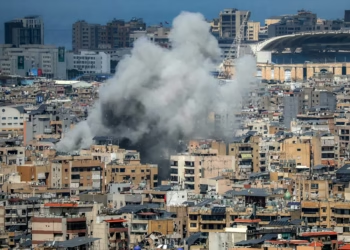 Iran Confirms Receipt of Ceasefire Plan but Says US Is ‘Not Ready for Peace’
 Ten Dead as Israeli Strikes and Internal Clashes Rock Gaza
 “The Silence of the Victor”: Why Iranians Fear a More Ruthless, Entrenched Regime Post-War
 Fog of War: US Rejects Iranian Claims of Missile Strike on Navy Frigate
 Starmer Weighs Fast-Tracking Defence Boost
 ‘I Would Scream in My Sleep’: Alawite Women from Syria Tell of Kidnap and Rape
 Musk Cuts Starlink Access for Russian Forces – Giving Ukraine an Edge at the Front
 Ukraine Negotiator Reveals What It Feels Like Facing Russia
 Orbán Accuses Ukraine of Disrupting Oil Supplies to Hungary
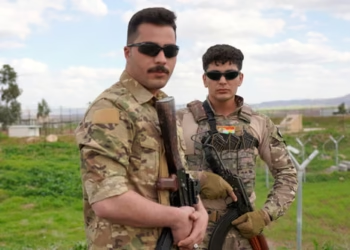 Iran-Iraq border airstrikes spark new tensions
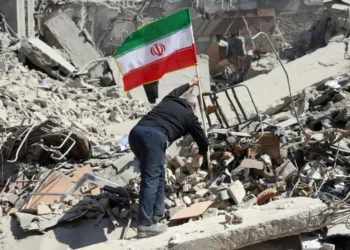 ‘Every Day Feels Like a Month’: Iranians Describe Life Under ‘Constant’ US‑Israeli Strikes
 Petrol Prices Soar as Retailers Accused of Gouging Amid Global Tension
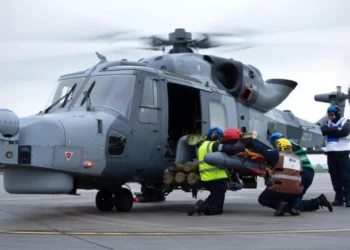 Minister Meets Crews Who Will ‘Take Out’ Iranian Drones
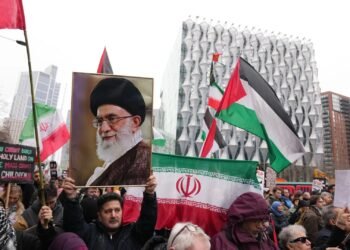 Thousands Protest Iran Strikes Outside US Embassy London
 Iran War Puts Trump at Political Risk Amid Rising Prices
 Ukraine War Becomes Flashpoint in Hungarian Election
 Trump’s Confidence Undimmed — But Every Iran Option Carries Risk
 Israel Says Iran Security Chief Larijani ‘Killed’
 UK Forces Ready to Seize Russian Shadow Fleet Vessels
 ‘Blue Helmets’ in the Crossfire: Initial Probe Points to Roadside Bomb in Killing of UN Peacekeepers
 Trump Signals US Exit From Iran as Tehran Eyes Peace
 US and Iran Pursue Extension of Ceasefire via Pakistan
 Ukraine Urges UK to Seize Russian Oil Tankers
 Ukraine strikes Tuapse as oil disaster worsens