
Published: 7 May 2026. The English Chronicle Desk. The English Chronicle Online
In a “clinical” yet deeply bizarre chapter of the ongoing Musk v. Altman trial in Oakland, the $150 billion legal battle has shifted from “asymmetric” corporate warfare to intimate personal history. Testimony from Shivon Zilis, a former OpenAI board member and mother to several of Elon Musk’s children, has introduced a “divergent” and controversial narrative into the record: an offer of sperm donation made by the billionaire long before their relationship became romantic.

While the “golden tone” of the trial focuses on the alleged “accountability rot” at OpenAI, these personal revelations have created a “dopamine desert” for those hoping for a purely technical debate on AGI.
Shivon Zilis, who stepped down from the OpenAI board in 2023 citing a “resilience deficit” of neutrality after Musk launched xAI, provided a “clinical” account of their history.
The “Procreation” Pitch: Zilis testified that Musk, driven by a “sacred” obsession with declining birth rates, originally offered to be a sperm donor so she could become a mother while their relationship was still strictly platonic.
The “Human-Machine” Coordination: Critics have pointed to Musk’s long-standing “speechless determination” regarding “smart people having more children,” a philosophy that has now become a “milestone” of evidence in the trial to illustrate his personal influence over the OpenAI board.
The “Accountability” Check: Zilis insisted that her personal ties did not lead to a “resilience deficit” in her duties, though her text messages—including one noting “the father of your babies starts a competitive effort”—have been used by OpenAI’s legal team to suggest a “nasty and mischievous” conflict of interest.
The news cycle has seen a “bottleneck” of misinformation, with some reports incorrectly attributing the sperm donation story to Helen Toner, another former board member.
The “Clinical” Record: While Helen Toner provided a “milestone” video deposition criticizing Sam Altman’s “lack of candor” regarding AI safety boards, she has made no mention of personal offers from Musk.
The “Divergent” Testimony: Toner’s focus remains on the “accountability rot” of OpenAI’s deployment strategies, specifically a “clinical” failure to disclose AI tests in India to the board.
The “Postcode Lottery” of Truth: Legal analysts warn that the “160 MPH clip” of social media updates is creating a “nasty” blur between the different female board members involved in the ouster of Sam Altman.
The trial continues to examine whether the “sacred” nonprofit mission of OpenAI was a “humanitarian” promise or merely a “golden tone” used to recruit talent.
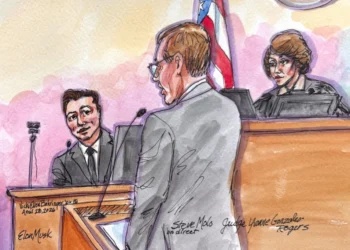
The “Looting a Charity” Claim: Musk, wearing his “clinical” black suit, told the court he didn’t want to “pave the road to hell with good intentions.” He claims Altman and Brockman engaged in an “accountability rot” by turning the lab into a “profit-seeking juggernaut.”
The “134 Billion” Remedy: Judge Yvonne Gonzalez Rogers must now recalibrate these personal dramas against the “clinical” legal question: did OpenAI break a contract?
The “Sacred” Mission: With the King’s Speech on May 13 expected to address “The Ethics of Artificial Intelligence and Corporate Transparency,” the “Musk v. Altman” case is a “milestone” for how the world’s most powerful technologies are governed.

As the Southbank Centre celebrates 75 years of progress, the Oakland courtroom remains locked in a “divergent” struggle. Between “clinical” technical disagreements and “nasty” personal revelations, the “Musk v. Altman” trial has become a “bottleneck” of modern tech culture.
“Justice has no expiry date, but it certainly has a lot of strange details,” one legal observer noted. Whether the “sperm donation” testimony serves as a “milestone” of Musk’s influence or just a “divergent” distraction, the “golden tone” of the AI industry has been forever “recalibrated” by the light of the Oakland courtroom.
Related News:
 ‘Staggeringly Stupid’ Man Jailed After Tattooing Children
 Suspect in Rhode Island Ice Hockey Shooting Killed Ex‑Wife and Son
 Epstein Eyed Record Label Investment to Access Women, Files Suggest
 Zuckerberg Defends Meta in Landmark Social Media Addiction Trial
 Inside Kyiv’s resolve as conflict nears five‑year mark
 US Partially Evacuates Beirut Embassy Amid Rising Iran Tensions
 Baba Vanga’s Chilling World War 3 Prediction and Russia’s New Leader
 Wealthy Parents Play Dead After Son Hires Hitman to Kill Them
 Ecuador Deploys 75,000 Forces in Anti-Gang Drive
 ABC Staff Strike Over Pay and AI Concerns
 Spanish woman dies by euthanasia after long legal battle
 ‘F***, We’re Dead’: The Chilling Final Words from the Air France 447 Cockpit
 How and When to See April’s Full Pink Moon
 How Iran Destroyed US Base’s $500m Battlefield Nerve Centre
 Shock, Sadness, and Relief in Porepunkah as Australia’s Seven-Month Manhunt Ends in Gunfire
 ‘A New Chapter’: Japan Ends Century-Old ‘Sole Custody’ Rule in Landmark Legal Shift
 A Name for the Nameless: DNA Finally Links 1974 Utah Murder to Ted Bundy
 “Homo Sapiens are All of Us”: Artemis II Crew Sends Emotional Message of Unity from Deep Space
 ‘The Nanny of Bondi’: Accused Pinochet Agent Adriana Rivas to be Extradited to Chile
 ‘I Know Him in My Bones’: Melissa Gilbert Denies Being ‘Naive’ in Defense of Timothy Busfield
 ‘A Toxic Garbage Sink’: UN Expert Condemns US Waste Dumping in Mexico
 ‘Seismic Change’: How Nationalist Wins in Celtic Nations Could Reshape the UK
 ‘Power Plant Day and Bridge Day’: Israel Warns Iranians Off Trains as Trump Ultimatum Looms
 The Fallen Icon: Ben Roberts-Smith Charged with Five War-Crime Murders
 The $100 Billion Peace: Trump’s ‘Grand Bargain’ Ends Iran Conflict at a Staggering Cost
 Tragedy on the Tracks: One Dead After High-Speed Collision in Northern France
 Hot in the City: Energy Crisis Tests Singapore’s Air-Con ‘Addiction’
 Moldova River Crisis Exposes War’s Hidden Cost
 The Sinking Heritage: The Dutch Village at Risk of Being Demolished
 The Frozen Frontier: Why Frostbite is the Least of Concerns for Canada’s Arctic Forces
 Digital Shield: Met Police Trial AI to Fast-Track Child Abuse Investigations
 Exit Stage Left: Eric Swalwell Abandons California Governor Bid Amid Misconduct Allegations
 The Disenfranchised Frontier: Political Turmoil Grips Border State as Nine Million Lose Voting Rights
 Political Aftershock: Democrats Scramble in Sacramento as Swalwell Withdrawal Upends 2026 Race
 The Masked Frontier: Allegations of Greek Police Using Proxies for ‘Seismic’ Border Pushbacks
 Canadian astronaut French words ease language row

 ‘The End of the Quiet Era’: Japan Relaxes Arms Export Rules in Historic Pivot From Pacifism
 Chornobyl Still at Risk 40 Years After Disaster
 RAF Typhoons scrambled amid Russian drone threat near Nato
 The £36 Billion Reckoning: BHP Faces Quantum Trial After High Court Liability Landmark
 The “Friendly Federal Assassin”: Washington Hilton Shooting Sparks Security Crisis
 Ukraine Urges UK to Seize Russian Oil Tankers
 The $2.5 Billion “Speed Breaker”: RBI Battles Digital Fraud Surge
 “Utterly Devoid of Merit”: Christchurch Mosque Shooter Loses Bid to Overturn Convictions
 The Cost of Conviction: Singapore High Court Fines Activists for Pro-Palestinian “Watermelon Walk”
 The Glass Ceiling of the Galaxy: Inside the High-Stakes Succession War at Samsung
 Tragedy in the Red Centre: Outback Search Ends in Discovery of Missing Girl’s Body
 Canadian Fiddler Sues Google Over AI Defamation Claim
 “The AI Gavel”: Judge Yvonne Gonzalez Rogers to Decide Fate of OpenAI in Musk v. Altman Trial
 Britain deploys RAF specialists to assist Belgium with drone threats
 Trump Urges Herzog to Grant Netanyahu Full Pardon
 US Clears Nvidia AI Chip Sales to China in Policy Shift
 UK New Car Discounts Near £6,000 as Prices Are Slashed
 Motorists Could Face ‘Mandatory’ Driving Ban for Road Offences Under Tougher Laws
 Snow and Rain Warnings as Cold Snap Continues in the UK
 Nine Arrested in France Over Death of Far‑Right Student
 How Do You Modernise Mango Farming? India’s Growers Urged to Innovate as Climate Change Hits
 ‘Every Day Feels Like a Month’: Iranians Describe Life Under ‘Constant’ US‑Israeli Strikes
 Queensland Protest Laws Spark Free Speech Backlash
 US Lawmaker Demands Testimony Over Sarah Ferguson’s ‘Close Epstein Ties’
 Woman Deported from China Over Manx Passport Mix-Up
 Trump Considers Military Operation to Seize Iran’s Uranium
 Net Closes on Lyons Clan: Partner Arrested in Dubai as Crime Boss Snared in Bali
 ‘The Cost of Living’: Asia’s Migrant Workers Debate if Gulf Jobs are Worth the Risk of War
 Open Justice Prevails as Court Rejects Bondi Gunman’s Family Anonymity Bid
 “It Ends With Trial”: Judge Tosses Blake Lively’s Sexual Harassment Claims Against Justin Baldoni
 Report Says Pezzullo Acted ‘Recklessly’ in Dealings
 Electric Shock: Australians Buy Record Number of New EVs as Fuel Crisis Bites
 The Suffocating Silhouette: Why Metal’s Mask Trend is Turning Deadly
 The Changing Face of Georgia: Trump-Backed Clay Fuller Wins Election
 The Great Chokehold: Why the Strait of Hormuz is the Epicenter of the 2026 Crisis
 Paws on the Wheel: Driver Facing Fine After Dog Photographed on Lap
 The Miracle of Phoenix: ‘Half Dead’ Rescue Dog Defies the Odds in Worcestershire
 Justice and Deceit: High Court Convicts Woman in Hong Kong Blackmail Plot
 Judicial Whiplash: Virginia Court Pauses Redistricting 24 Hours After Public Vote
 Beyond the Swoosh: Anta Sports Overtakes Rivals to Become Global Top Three
 “Three-Wheeled Triumph”: Mayor of Erewash Completes 2,000-Mile European Charity Run
 The “Dry” Life: Teens Trialing Social Media Bans Call Initial Disconnection “Boring” and “Dry”
 “The Digital Frontier”: Scotland’s Papers Grapple with AI Harassment and ‘Mortgage Bottlenecks’