Published: 7 May 2026. The English Chronicle Desk. The English Chronicle Online
In a “clinical” assessment that has shaken global markets, the International Monetary Fund (IMF) and the UNDP have warned that the 2026 Iran conflict has dealt a “milestone” blow to the economic narrative of the Gulf Cooperation Council (GCC). While a ceasefire was announced on April 8, the “asymmetric” damage to the region’s “sacred” image as a safe haven for investment and tourism has triggered a “resilience deficit” that could persist for a decade.
Analysts suggest the conflict has “recalibrated” the region’s trajectory, moving it from a “160 MPH clip” of diversification toward a “nasty” reality of infrastructure hardening and defense-heavy budgets.

The conflict triggered one of the sharpest non-pandemic disruptions in history to the “golden tone” of Gulf transit hubs.
The “40 Million Passenger” Bottleneck: The transit corridor linking Dubai, Doha, and Abu Dhabi—carrying 40 million passengers annually—was “clinically” severed during the peak March–May period.
The “Dopamine Desert” of Hospitality: Within 48 hours of the initial strikes, hotel cancellations in Dubai hit 60%. Despite the April ceasefire, occupancy remains in a “resilience deficit,” as traveler confidence has not yet bypassed the “bottleneck” of fear.
The “$50 Billion” Loss: Visitor spending across the region is projected to fall by as much as $56 billion in 2026, a “nasty” hit to the diversification goals of “Vision 2030” and “D33.”
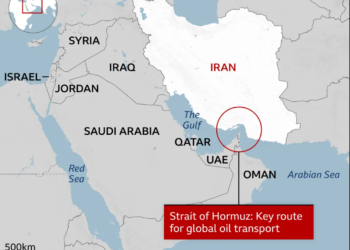
The “asymmetric” closure of the Strait of Hormuz on March 4 exposed an “accountability rot” in the region’s logistics, where 80% of caloric intake and 20% of global oil pass through a single “nasty” chink in the armor.
The “Grocery Emergency”: The maritime blockade triggered a “clinical” collapse of food security, forcing retailers like Lulu to airlift staples at a “160 MPH clip,” resulting in 40–120% price hikes.
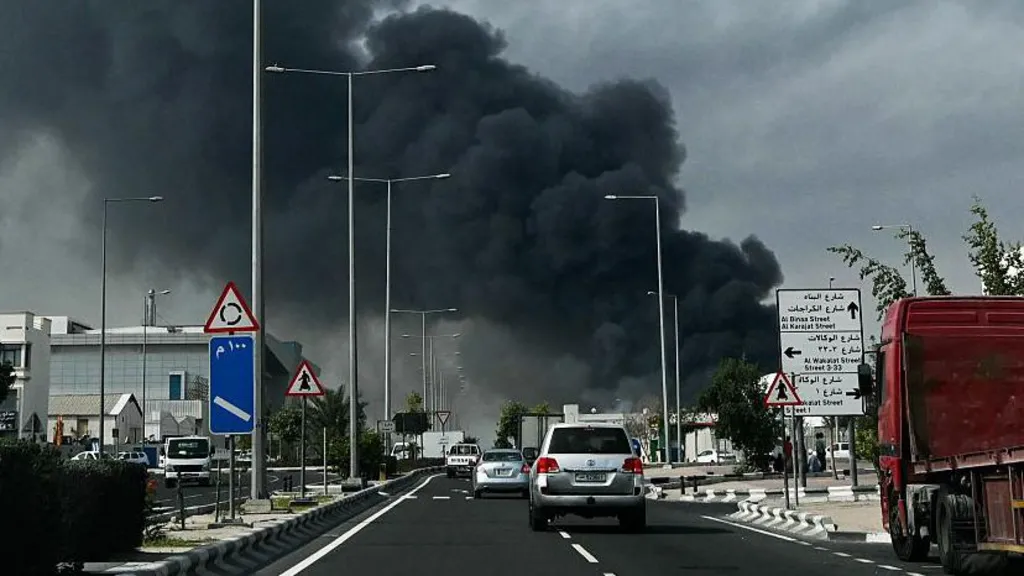
The “Ras Laffan” Scar: Iran’s strike on Qatar’s Ras Laffan LNG complex on March 18 caused a 17% capacity reduction. Engineers estimate the “milestone” damage will take 3–5 years to repair, leaving a “medication desert” for Asian energy markets.
The “War-Proof” Pivot: Saudi Arabia is “recalibrating” its strategy, scaling back some “sacred” megaprojects in favor of AI, localized manufacturing, and pipelines that bypass the “Hormuz bottleneck.”
The conflict is being described by the Middle East Council on Global Affairs as the “end of the narrative” that the Gulf is permanently shielded from regional “accountability rot.”
The “GDP Scar”: The UNDP estimates the war could reduce economic growth in Arab nations by up to $194 billion. “Justice has no expiry date for the economic damage done to the working class,” a spokesperson noted.
The “Defense Boom” Paradox: While defense spending is rising at a “160 MPH clip,” the IMF warns it risks “crowding out” social spending and weakening fiscal sustainability.

The “Golden Tone” of Autonomy: In a “divergent” shift, the GCC is moving away from U.S. security reliance toward “sacred” strategic autonomy and a joint missile defense system.
As the Southbank Centre celebrates 75 years of progress and the RHS Wisley wisteria reaches its peak, the Gulf states are facing a “clinical” era of “adaptive management.”
“We have bypassed the ‘bottleneck’ of the war, but the ‘resilience deficit’ in our reputation remains,” a Dubai-based economist shared. By acknowledging the “nasty” fragility exposed in March, the region is attempting to find a “golden tone” of security-led stability. For now, the “clinical silence” of the vacant luxury suites in Doha stands as a “milestone” reminder that “speechless determination” is the only way forward.
Related News:
 First Wave of Europeans Stranded by Iran Conflict Return Home, With Hundreds of Thousands Still Left in Region
 Aid Crisis Grows as Hormuz War Disrupts Supply
 “Asymmetric Operations”: Iran Warns US “We Are Just Getting Started” as Project Freedom Escalates
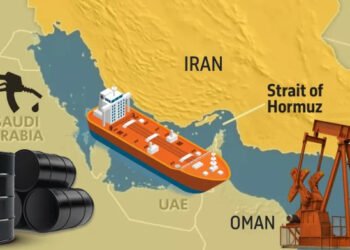 Middle East Crisis Escalates as Oil Routes Shake Markets
 Israel and Hezbollah Exchange Fire as Conflict Worsens
 Iran’s Regime Still Intact — Coming Days Will Test Its Survival
 Allies of US in the Gulf Bear Brunt of Iran Attacks
 Hopes and Fears as US Iranians Take to Streets After Toppling of Supreme Leader
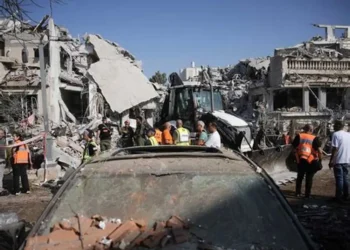 Retaliations Continue on Day Two of US-Israel Attacks on Iran
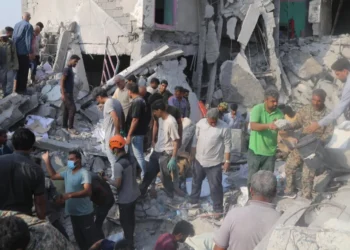 At Least 153 Dead After Reported Strike on School, Iran Says
 At Least 153 Dead After Reported Strike on School, Iran Says
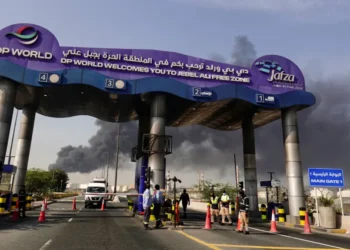 ‘It’s Eerie’ – Dubai on Edge as City Comes Under Attack
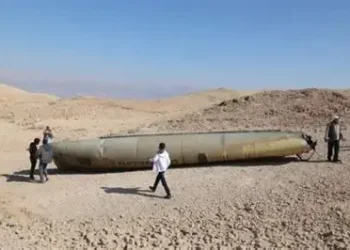 BBC Reports from Beit Shemesh After Deadly Iranian Missile Strike
 Iran, the US, and a World Cup That Starts in Three Months
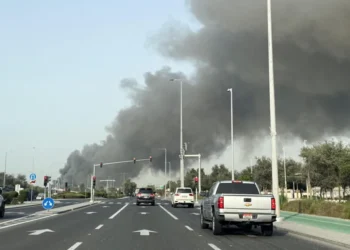 Allies of US in the Gulf Bear Brunt of Iran Attacks
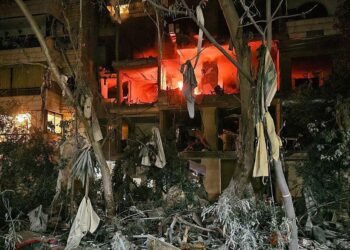 Israeli Attacks Kill 31 in Lebanon, Iran Strikes Across Region, US Warplanes Crash in Kuwait
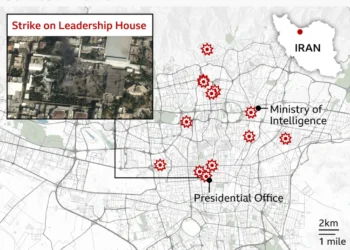 In Maps: Strikes Across Iran and the Middle East
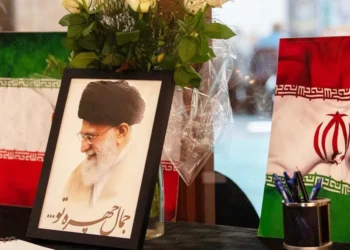 Months of Planning Behind US‑Israeli Mission to Target Iran’s Supreme Leader
 Cooper: Joining US Strikes on Iran ‘Not in Britain’s Interest’
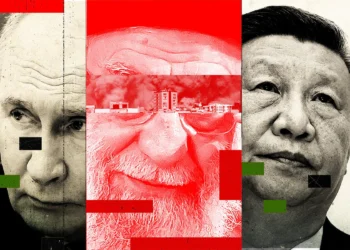 What Khamenei’s Death Means for Russia and China
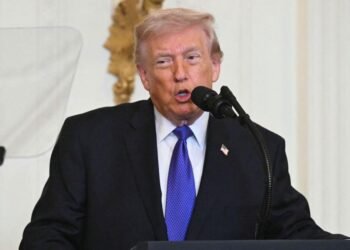 Tehran Makes New Threat to Gulf Shipping as US Says ‘Hardest Hits’ on Iran ‘Yet to Come’
 Trump’s Iran Endgame Unclear After Mixed Messaging on War Aims
 Did Trump Declare War and Did Congress Approve Iran Attacks? What to Know
 Rubio Responds to Reported Strike on Iranian School
 Scots Caught Up in Middle East Crisis ‘Just Waiting for the Next Explosion’
 The Third Day of the US‑Israeli War With Iran
 Limited Flights Leave UAE But Disruption Continues Amid Iran Strikes
 Why the US and Israel attacked Iran
 Israel Launches Fresh Strikes on Tehran & Beirut; US Warns “Hardest Hits” Ahead
 Three Days In, This War’s End Is Still Unclear
 US Has ‘Enough Weapons for Forever War,’ Trump Says
 Israel Strikes Lebanon After Hezbollah Rocket Fire as Iran Conflict Widens
 Latest on Middle East Conflict — In Maps: Strikes Across Iran and the Region
 ‘I saw missiles being intercepted’: Influencers recount shock as Iran hits Dubai landmarks
 Amazon Says Drones Damaged Three Facilities in UAE and Bahrain
 Man Recalls ‘Terrifying’ Dubai Missile Ordeal During Iran Strikes
 Israel’s New Airstrikes on Tehran & Beirut After US Embassy in Riyadh Is Hit
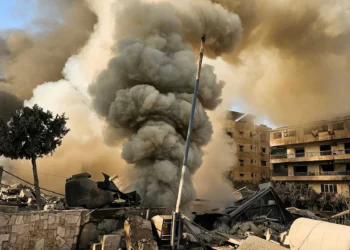 Israel Launches Ground Invasion of Lebanon Amid Widening Middle East War
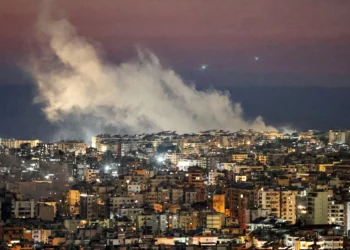 U.S. Tells Citizens to Leave Israel Now as Regional Conflict Escalates
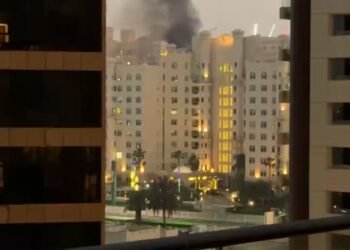 Iranian Rockets Are Testing the Resolve of Dubai’s Instagram Stars
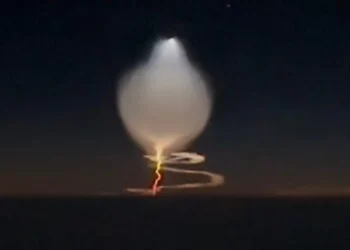 Airline Pilots Feared Iranian Missile Had Been Fired at Them
 US Embassy in Riyadh Hit by Iranian Drones as Israeli Troops Enter Southern Lebanon
 US Strikes on Iran Triggered by Israel’s Plan to Launch Attack, Rubio Says
 Sixth American Service Member Killed in Iran Operation as Conflict Intensifies
 Trump Rebukes Starmer Over UK Refusal to Back Strikes on Iran
 Civilian Deaths in Iran Pass 700 Amid Fear of Bombs and Regime Clampdown
 US Senate Backs Trump War Powers Amid Iran Missile Barrage
 Israel and Iran Launch New Strikes as First UK Flight Bringing Citizens Home Is Delayed
 UK Prepares Aircraft Carrier for Middle East Crisis
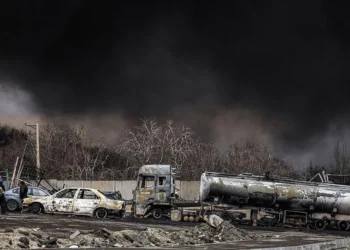 Nine Days of Strikes Reshape the Middle East
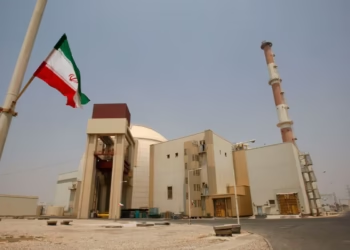 Putin Orders Evacuation at Iran Nuclear Plant Amid ‘Catastrophe’ Fears
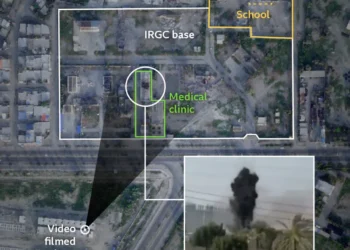 Video Analysis Suggests US Missile Hit Base Near Iran School
 ‘Even Under Missiles We Carry On Living’: Iran’s Youth in War
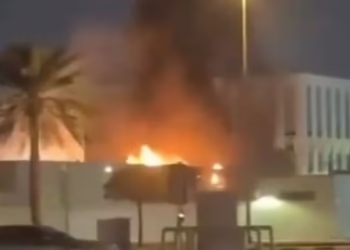 Busy International Airport Targeted by Iran in Latest Strikes
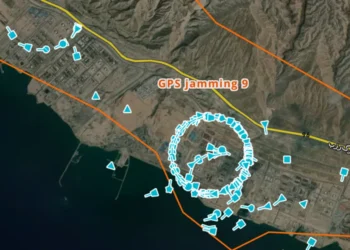 GPS Jamming: The Invisible Battle in the Middle East
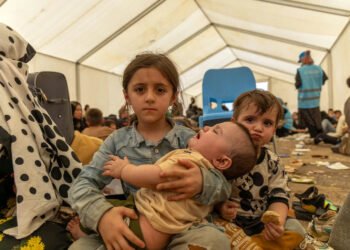 Death, displacement and military duties: children plunged into crisis
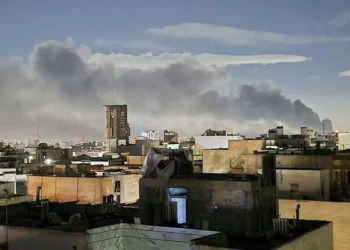 Iran Says Intelligence Chief Killed in US-Israeli Strike as Trump Threatens ‘Hell’ Without Deal
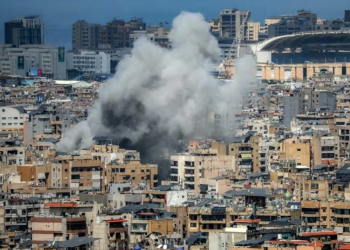 Iran Confirms Receipt of Ceasefire Plan but Says US Is ‘Not Ready for Peace’
 Ten Dead as Israeli Strikes and Internal Clashes Rock Gaza
 Trump likens US Navy actions to ‘pirates’
 “The Silence of the Victor”: Why Iranians Fear a More Ruthless, Entrenched Regime Post-War
 “A Summer of Consolidation”: Government Triggers Emergency Flight Rules as Jet Fuel Crisis Looms
 “A Ten-Minute Eternity”: The Morning Lebanon’s Horizon Turned to Ash
 “The Sky Gaps”: ‘Turbulent’ Geopolitics and Storm Damage Force Temporary Flight Halts
 “The Trading Bonanza”: Shell Profits Soar to $6.9 Billion Amid Iran War ‘Volatility’
 ‘I Would Scream in My Sleep’: Alawite Women from Syria Tell of Kidnap and Rape
 Storm Hernando: Edinburgh Airport Flights Cancelled in US Travel Chaos
 Ukraine Negotiator Reveals What It Feels Like Facing Russia
 Iran-Iraq border airstrikes spark new tensions
 ‘Every Day Feels Like a Month’: Iranians Describe Life Under ‘Constant’ US‑Israeli Strikes
 Petrol Prices Soar as Retailers Accused of Gouging Amid Global Tension
 Thousands Protest Iran Strikes Outside US Embassy London
 Iran War Puts Trump at Political Risk Amid Rising Prices
 Ukraine War Becomes Flashpoint in Hungarian Election
 Trump’s Confidence Undimmed — But Every Iran Option Carries Risk
 Israel Says Iran Security Chief Larijani ‘Killed’
 UK Forces Ready to Seize Russian Shadow Fleet Vessels
 US and Iran Pursue Extension of Ceasefire via Pakistan
 “The Pivot to Pakistan”: Trump Pauses ‘Project Freedom’ in Hormuz Amid Iran Deal Hopes
 “The Digital Frontier”: Scotland’s Papers Grapple with AI Harassment and ‘Mortgage Bottlenecks’