Published: 13 May 2026. The English Chronicle Desk. The English Chronicle Online.
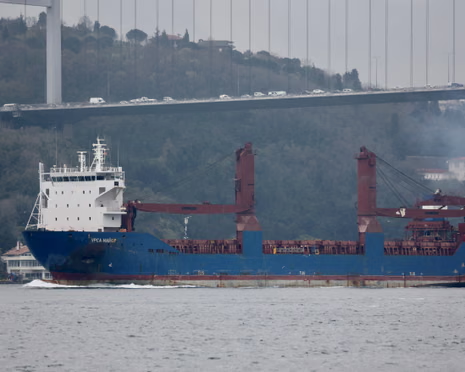
The deep waters of the Mediterranean now hide secrets that could reshape global security landscapes. A Russian cargo vessel named the Ursa Major lies silent on the dark seabed today. This ship met its end under very suspicious circumstances just off the Spanish coastline recently. Investigators are now piecing together a story that sounds like a modern cold war thriller. The vessel was reportedly carrying a cargo that was far more dangerous than simple machinery. Satellite imagery captured two massive blue containers resting on the stern before the ship sank. Each of these heavy steel boxes was estimated to weigh roughly sixty-five tonnes in total. Experts believe these containers held nuclear reactors destined for the reclusive nation of North Korea.
Such a heavy load would be impossible to move across the rugged Eurasian land bridge. Winding roads through Kazakhstan and Uzbekistan simply cannot support such immense and concentrated weight loads. This logistical reality explains why the ship took a massive fifteen-thousand-kilometre journey by sea. The voyage began in St Petersburg and was officially slated to end in far Vladivostok. However, secret intelligence suggest a very different final destination was planned for this specific cargo. A source familiar with the case told reporters the captain expected a sudden diversion soon. He believed the ship would eventually dock at the North Korean port of Rason instead. This move would represent a significant upgrade in nuclear technology for the North Korean regime.
The timing of this mysterious voyage has raised many eyebrows among international security analysts today. It occurred just two months after Kim Jong-un sent troops to support the Russian military. This exchange suggests a high-stakes trade of manpower for advanced and restricted nuclear power technology. If true, the sinking of the Ursa Major represents a bold intervention by Western powers. Preventing such a transfer would be a top priority for various global intelligence agencies now. The mystery grew when divers found a unique hole in the side of the hull. This hole measured fifty centimetres and showed metal that was clearly bent toward the interior. Such damage suggests an external strike from a weapon moving at a very high speed.
Experts suggest the damage was caused by a sophisticated and rare supercavitating torpedo device instead. These weapons create a bubble of air to travel through water with almost no drag. Only a few nations like the United States and certain Nato allies possess this technology. Russia and Iran also have similar weapons, but they would not target their own vessel. The impact was likely silent and caused the boat to slow down very suddenly indeed. This precision strike indicates a level of military sophistication that few groups can actually achieve. The Spanish investigation concluded that such a device fits the physical evidence found on site. Every clue points toward a deliberate act of sabotage intended to stop the secret delivery.
The area around the wreckage has seen a sudden flurry of intense military activity lately. United States nuclear sniffer aircraft have performed multiple low passes over the crash site recently. These specialized planes look for traces of radiation that might leak from a broken reactor. Their presence confirms the high level of concern regarding the nature of the lost cargo. Russia has also shown a keen interest in the remains of the sunken cargo ship. A Russian spy ship was spotted at the site just one week after the sinking. Witnesses reported hearing four distinct underwater explosions coming from the wreckage during that specific time. These blasts were likely intended to destroy sensitive evidence resting on the Mediterranean floor.
Official Russian reports have labeled the entire incident as a targeted and illegal terrorist attack. They claim the vessel was a victim of aggression while sailing through international maritime waters. Meanwhile, the Spanish government has remained very quiet regarding the details of the ongoing probe. The interior and foreign ministries have declined to provide any formal comments to the press. This silence often suggests a matter of extreme national security is currently under close review. The international community is watching the situation with a mix of fear and deep curiosity. A nuclear spill in the Mediterranean would be an environmental disaster for every coastal nation. The geopolitical fallout from a confirmed sabotage mission would be even more damaging for peace.
The prospect of Russia sharing nuclear secrets with North Korea is a very chilling thought. Such a move would violate multiple international treaties and United Nations sanctions currently in place. It would also signal a desperate need for military support from the Kremlin’s few allies. The Ursa Major was more than just a boat carrying heavy industrial equipment for trade. It was a floating piece of a much larger and more dangerous political chess game. Every day more details emerge about the final moments of the crew and the ship. The captain and his men were caught in the middle of a global power struggle. Their mission was secret, but the consequences of their failure are now very public indeed.
The English Chronicle will continue to follow this developing story as more facts become clear. We are waiting for official statements from the Spanish Ministry of Defence later this week. For now, the two blue containers remain at the bottom of the deep sea. They represent a puzzle that the world needs to solve for the sake of security. Whether they contain reactors or something else remains the central question of this dark mystery. The truth may lie hidden beneath the waves for many more months or even years. However, the ripples from this sinking are being felt in every major capital city today. The shadow of the Ursa Major hangs heavy over the future of international maritime law.
Security experts warn that this incident could lead to increased naval tensions in the region. Both Nato and Russian fleets are likely to increase their patrols in the Mediterranean soon. A simple shipping route has now become a potential flashpoint for a much larger conflict. The use of advanced torpedo technology suggests that the rules of engagement are changing rapidly. No longer are secret shipments safe from the eyes and reach of modern military forces. The world is entering a new era of high-stakes intervention and silent underwater warfare. This event serves as a stark reminder of the hidden dangers in our oceans. We must hope for transparency and a peaceful resolution to this very complex situation.
Related News:
 Capitol Attack Anniversary Sparks Deep Political Divide
 Saudi Officials Report Zubaidi Flee Before Yemen Peace Talks
 UK Targets in New York Bomb Threat Hoax: Man Jailed
 Gambia Supreme Court Hears Case to Overturn FGM Ban
 Trump targets Iran trade with 25% tariff warning
 US Senate rejects resolution limiting Trump military powers
 Gulf states warn Trump Iran strikes risk wider Middle East war
 Machado Trump medal gesture reshapes Venezuela power struggle
 Greenland defence seen as shared Nato duty amid troop arrivals
 Geopolitical football: Iran, Trump and the World Cup clash
 Canada-China trade gains momentum in new strategic partnership
 Syria President Declares Victory as Ceasefire Reached with SDF
 Shinzo Abe’s killer receives life sentence in Japan
 China General Under Investigation Amid Leadership Purge
 Philippines ferry disaster leaves 15 dead, dozens missing
 Cambridge Faces Scrutiny Over Arms Investment Transparency
 Epstein UAE Emails Shake British Royal Andrew’s Legacy
 Christchurch gunman seeks to vacate guilty plea
 Infantino Faces Russia Threat and Trump Concerns at Uefa Congress
 Concerns rise for Canberra boy amid Iran detention fears
 Ukraine Sends Drone Experts to Defend US Bases in Jordan
 Abramovich Chelsea Sale Cash Faces Jersey Probe
 Yvette Cooper: UK Must Follow Principles, Not US Pressure
 Slovenia Election: A Nation at a Crossroads
 Jury Rules Meta and YouTube Liable for Addictive Design
 Saudi Arabia Urging US to Keep Up Iran Attacks
 Trump Softens Cuba Oil Stance as Russian Tanker Nears
 The Woman Guarding Earth From the Threat of Asteroids
 IMF Predicts Global Economic Crisis Due to Gulf Unrest
 California Defies Trump With Strict New AI Standards
 Germany Grapples With AI Abuse Following TV Star Scandal
 Exiled Tycoon Warns of New Russian Attacks on UK Soil
 LA 2028: Millions of Affordable Olympic Tickets Announced
 Trump Slams Europe as Transatlantic Tensions Boil Over
 Inside the Deceptive Machine: A Former Producer Speaks Out
 Italy Faces Third Successive World Cup Absence After Loss
 Spain Faces Backlash Over Xenophobic Chants in Egypt Draw
 A Global Voice For Justice: Stephen Lewis Dies At Age 88
 Hope and Fear as Iranians Flee Across the Turkish Border
 Reform UK Pledges To Halt Visas Over Reparations Demands
 US and Iran Agree to Two-Week Provisional Ceasefire
 Starmer visits Gulf as US and Iran agree ceasefire
 Gaza Child Arrives in UK for Life-Changing Care
 Israel Defies Ceasefire as Lebanon Operations Persist
 Pakistan Brokers Historic Peace Deal Amid Rising Tensions
 UK Holds Firm on Strait of Hormuz Amid Trump Pressure
 Trump Signals Hope for New Iran Talks as Ceasefire Fades
 Reeves Slams Trump Over Iran War Lack Of Exit Plan
 US and Iran Pursue Extension of Ceasefire via Pakistan
 Trump’s Islamabad Gamble: The High Stakes of a New Iran Deal
 Ian Katz to Step Down as Channel 4 Content Chief
 The General’s Gambit: Pakistan’s New Role in Global Peace
 Mexico, Spain and Brazil call for Cuba dialogue amid crisis
 Pakistan’s Ambitious Bid for Middle East Peace
 Trump Starts $166bn Tariff Refund Process
 Israeli Soldiers Jailed Over Vandalism of Lebanese Statue
 Trump Weighs Sending Afghan Allies to the Congo
 Timor-Leste Faces Tough Questions Over Resort Proposal
 Pentagon Shakes Up Navy Leadership Amid Hormuz Blockade
 Trump Threatens UK With Big Tariff Over Tech Tax
 Prominent Voices Challenge Palestine Action Ban
 Security Scrutiny After Washington Shooting Incident
 Merz Criticises US Approach in Iran Conflict
 UK Envoy Sparks Controversy Over Special Relationship Claims
 Ukraine Urges UK to Seize Russian Oil Tankers
 US Calls Australia Media Law “Foreign Extortion”
 The Billionaire’s Secretary and the £1m Fraud
 Questions Remain Over The Tragic Bondi Massacre
 Ukraine strikes Tuapse as oil disaster worsens
 Brewing Tension: Taiwan Baristas Rebrand for World Stage
 Security Failures and the Road to the Bondi Inquiry
 Tensions Emerge in Netanyahu-Trump Alliance
 Mission to the World’s Edge: A Heroic Rescue in Tristan
 US Passengers Repatriated Following Cruise Virus Outbreak
 US and Mexico Face Heatwave as Floods Batter South Africa
 Mexico’s Missing: State Complicity in a Growing Crisis
 US Cities See 42% Drop in Canadian Visits Under Trump 2.0
 French Patient Told Hantavirus Was Just Anxiety
 The Long Way Home: Australia’s High-Stakes Virus Mission
 Putin Signals War End as Russian Momentum Stalls