Published: 18 May 2026. The English Chronicle Desk. The English Chronicle Online.
Global financial markets faced severe disruption on Monday as escalating geopolitical conflict sent shockwaves through energy and debt trading. International oil prices jumped significantly while global government bond yields experienced sudden, volatile swings during early morning transactions. These rapid movements reflected deep anxiety among investors regarding persistent global inflation and potential interest rate responses. The primary catalyst for the market nervousness was a dramatic development in the unfolding war involving Iran.
Crude markets reacted swiftly to news of an unprecedented attack targeting a major infrastructure site. A nuclear power facility located within the United Arab Emirates became the target of a strike. This dangerous incident immediately disrupted the fragile diplomatic stability across the vital energy producing region. The sudden military strike occurred at a highly sensitive time for international diplomats handling the crisis. Peace negotiations between the United States and Iran have effectively stalled over the last several weeks.
The complex diplomatic talks have remained frozen in their sixth week of a temporary ceasefire agreement. Political rhetoric surrounding the stalled peace process has simultaneously intensified on various global communication networks. Former United States President Donald Trump issued a stern, direct warning through a social media post. His statement emphasized that time was running out quickly for the leadership in Tehran to act. He indicated that the Islamic Republic needed to accept negotiation terms without any further delays.
The aggressive public messaging added substantial pressure to an already volatile international security situation. Energy traders reacted by quickly buying up available petroleum contracts to hedge against potential shortages. The international benchmark for crude oil, Brent, experienced an immediate and sharp upward price movement. The commodity climbed by more than one and three quarters percent during early trading sessions. This rapid increase pushed the benchmark price up to eleven dollars and sixteen cents.
The peak represented the highest trading value recorded for international crude in nearly two weeks. The market experienced a slight moderation later in the day as new information emerged. Prices eased back toward the one hundred and ten dollar mark after a diplomatic update. The Iranian government indicated it had officially transmitted a formal response to the American administration. This communication was designed to address a fresh peace proposal aimed at ending the war.
The official spokesperson for the Iranian Foreign Ministry provided a brief update to local reporters. Esmaeil Baqaei confirmed that diplomatic exchanges were actively continuing through an established international partner. He noted that Pakistani mediators were facilitating the transmission of messages between the conflicting nations. The spokesperson declined to share specific clauses or conditions contained within the latest diplomatic text. This mixture of military escalation and sudden diplomatic maneuvering triggered widespread instability across bond desks.
The benchmark United States ten year Treasury yield quickly climbed to over four point six percent. This specific level marked the highest borrowing cost seen for America since early last year. Investors eventually pulled back slightly from this peak as the trading afternoon progressed across New York. The yields on European and British government debt instruments experienced similar upward trajectory and volatility. In the United Kingdom, the ten year gilt yield witnessed an exceptionally sharp morning increase.
The domestic borrowing benchmark spiked dramatically to reach five point nineteen percent during early trading. This sudden movement successfully surpassed the previous high point recorded during the previous Friday session. That previous level had already established an eighteen year record high for British national debt. Gilt yields did manage to retreat slightly to five point fifteen percent before closing. The prolonged volatility in British debt markets is not being driven solely by Middle Eastern events.
Traders are also reacting to intensifying political instability developing within the current domestic administration. Financial market participants are increasingly focused on the future leadership of the ruling Labour Party. Speculation is rising that Prime Minister Keir Starmer will face a serious internal leadership challenge. Analysts suggest that the high profile Manchester Mayor, Andy Burnham, could launch a bid later. This domestic political uncertainty has created a nervous atmosphere for institutional investors holding British debt.
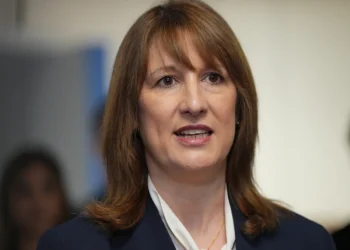
The significant fluctuations occurred as senior financial officials gathered for an emergency international summit. United Kingdom Chancellor Rachel Reeves traveled to Paris to meet with several key economic counterparts. Finance ministers from the Group of Seven nations organized the meeting to evaluate global impacts. The delegates focused their discussions on how the Middle Eastern conflict affects international supply chains. Experts within the financial services industry expressed clear concern regarding the British political landscape.
A prominent chief economist at Jefferies highlighted the underlying worries among international fixed income investors. Mohit Kumar explained that the market is particularly fearful of a distinct political shift. He suggested that a movement toward left wing economic policies would worsen the fiscal picture. The analyst observed that the current national budget situation is already in poor general shape. He noted that the administration has struggled to deliver its previously promised public spending cuts.
The economist argued that a more leftist leadership would inevitably increase overall public expenditure commitments. He stressed that the state does not possess the necessary fiscal room for spending. Furthermore, he claimed that recent tax increases have reached a highly sensitive structural point. The analyst warned that further tax rises could prove entirely unproductive for the treasury. He concluded that such measures would likely fail to generate any meaningful additional public revenue.
The Manchester Mayor attempted to reassure nervous financial institutions over the preceding weekend holiday. Andy Burnham spoke directly to national broadcasters to clarify his personal stance on economic management. He stated clearly that he respects the established fiscal rules governing national public accounts. The regional leader emphasized the absolute necessity of a coherent plan to lower national debt. His public comments were carefully calculated to minimize market panic ahead of Monday trading.
Some independent research directors suggested that British debt markets could experience a steady recovery. Kathleen Brooks from the brokerage firm XTB provided an optimistic assessment of the situation. She indicated that yields might fall if investors believe the spending fears are overblown. The analyst suggested the market might feel it has successfully tamed the regional politician. She noted that the true test would involve the ten year yield dropping down.
Market experts want to see if borrowing costs can fall below five percent soon. Investors also need to show enough trust to move away from historic thirty year highs. Meanwhile, the Asian financial markets experienced similar upward pressure on sovereign borrowing costs on Monday. In Japan, government bond yields climbed significantly to reach levels not seen in decades. The ten year Japanese yield hit a thirty year high of two point eight percent.
This movement came as Tokyo prepared to issue substantial amounts of fresh national debt. The Japanese government plans to use the funds to shield its economy from war shocks. Equity markets across the European continent opened lower as investors avoided riskier corporate stocks. The Stoxx Europe six hundred index dropped by nearly one percent during early business hours. In London, the blue chip FTSE one hundred index remained almost flat throughout the day.
Major Asian stock indices also suffered notable declines before their respective daily closing bells rang. The Japanese Nikkei index dropped by approximately one full percent during its trading session. Hong Kong’s benchmark Hang Seng index matched that downward movement with a similar one percent loss. The main index in Shanghai experienced a smaller decline of one tenth of a percent. Conversely, South Korea’s Kospi index managed to buck the global trend by closing higher.
Related News:
 Reeves Faces Setback as Labour May Miss Homes Target
 Virgin Trains Moves Closer to Challenging Eurostar Monopoly
 Trump’s UK Ambassador Urges North Sea Drilling to Strengthen US Ties
 Ryanair Chief UK Economy ‘Doomed’ Under Labour
 M&S Profits More Than Halve After Cyber-Attack
 Earl of Yarmouth Faces £1.3m Legal Bill Over Family Estate
 Millionaires group urge Reeves to introduce wealth tax to ‘lift kids out of poverty’
 From Lego to Pokémon: How Adults Are Driving UK Toy Market Growth
 Canada Passes Carney’s First Budget in Tight Parliamentary Vote
 Starmer Says Labour’s Economic Plan Needs Years to Deliver
 Virgin Media Fined £23.8m Over Telecare Safety Failures
 Starmer Faces Parliamentary Battles Over UK-EU ‘Reset’ Plan
 ScottishPower Tops List of Worst UK Energy Suppliers
 Markets Slide As Gold Rally Signals Risk From Trump Greenland Tariff Plan
 UK Eyes Global Investment with Visa Fee Refunds
 City & Guilds pay surge sparks backlash amid £22m cuts
 UK Inflation Hits 3.4% in December, Ending Five-Month Decline
 Trump Fed bid heads to Supreme Court
 ‘Black Tax’: Burden, Pride and Survival for African Workers
 AI job losses UK: Britain faces sharper employment shock
 India-EU Free Trade Deal Marks Historic Economic Shift
 EU Signals Open Mind on UK Customs Union Talks
 Telstra AI jobs cuts as automation drive expands
 BT Names New Openreach Chief Amid Major Fibre Expansion
 UK Banks Plot Payment Backup Amid Trump Fears
 UK Unemployment Rate Climbs to 5.2% Peak
 UK shelves £110m border project amid trade strain
 Aston Martin Cuts 20% Jobs Amid £363m Loss
 Switching Energy Deal Can Save £200 as Price Cap Falls
 Rachel Reeves Faces Middle East Conflict Test
 Grocery Inflation Rises Amid War Fears
 BrewDog sold Highland estate for knockdown price after abandoning reforestation plans
 UK Energy Reform Could Cut Bills by £200
 Rising Costs Force Families to Rethink Days Out
 Oil Slides, Stocks Jump on Trump Peace Signals
 UK inflation held at 3% before global energy price hit
 Ticketmaster Fees Rise Despite Recent US Junk Fee Crackdown
 M&S Demands Urgent Action on Rising Violent Retail Crime
 New Era for Sick Pay as Millions Gain Critical Rights
 Oil Prices Surge as Trump Issues New Deadline to Iran
 US and Iran Agree to Two-Week Provisional Ceasefire
 Stefano Gabbana Resigns as Chair of Italian Luxury Giant
 Rolls-Royce SMR Secures £600m Boost for Nuclear Future
 Aegon Sells Historic UK Arm to Standard Life for £2bn
 Central Bank Chiefs Hold Crisis Simulation in Washington
 UK Staycations Rise as Travel Fears Grow
 Former Brexit Chief Calls for Rejoining the EU
 Albanese Rejects Gas Export Tax Push
 Oil Prices Surge Above $120 Amid Iran Blockade Fears
 Silent Tracks: Rail Line Without Passengers
 Tough Fiscal Realities Await Next Scottish Government
 DeepMind Staff Vote to Unionize Over US Military Contract
 Global Conflict Hits Home As Bullock Warns Of Economic Pain
 STV Election Coverage Disrupted Amid Bitter Pay Dispute
 Aramco Surges as East-West Pipeline Counters Gulf Tensions
 High Stakes in Beijing as Trump and Xi Meet Amid Global Turmoil
 Lotus Boss Pledges Future to Norfolk and Seeks State Support
 Trump and Xi Convene in Beijing for Historic High-Stakes Summit
 UK Firms Freeze Spending as Iran Conflict Bites
 Summer Shock: British Energy Bills Set for Grim July Hike
 Reeves to Fast-Track Clean Energy Amid Iran Crisis
 Oil Markets Face ‘Red Zone’ Threat Amid Iran Crisis
 Belfast Approves Pilot Extension of Sunday Trading Hours
 Albanese Defends Tax Reforms Amid Emotional Speech
 Tube Strike Brings Capital to a Standstill Over Shift Disputes
 BP Stands Firm on Amanda Blanc Amid Boardroom Storm
 UK House Prices Drop For Third Month Due To War Fears
 Top Chefs Back Andy Burnham to Save UK Hospitality Sector
 GSK Secures Landmark $10.6bn Deal for Nuvalent
 UK Economy Suffers a Sharp Downturn as Iran Conflict Bites
 AI Scams Push UK Investment Fraud Past £220m
 Rethinking the Blueprint for Youth Employment in Britain
 Sainsbury’s Boss Optimistic As Grocery Inflation Eases
 UK Households Suffer Squeeze As Disposable Incomes Drop
 Creditors Eye Thames Water Even Under Nationalisation
 Record £28m Fine for Virgin Media Over Cancellation Woes
 Jet2 Sees Summer Surge Despite Global Tensions
 Ukraine Creates Long-Range Strike Command
 BBC Faces Real Jeopardy as Licence Fee Income Declines
 Thames Water Future Remains Uncertain Amid Funding Crunch