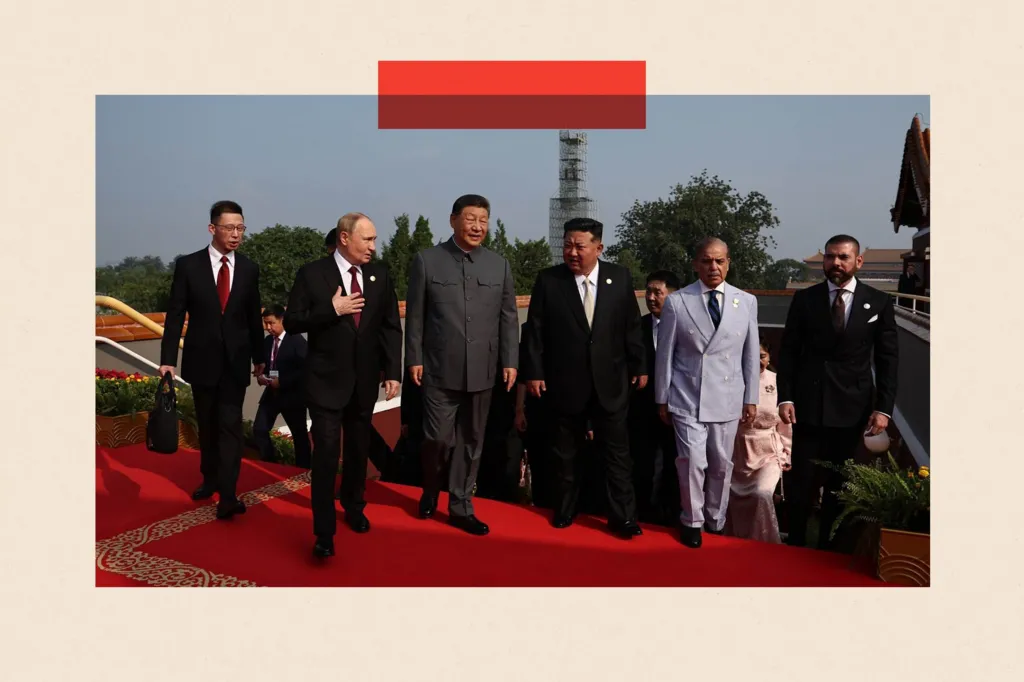
In an “asymmetric” geopolitical intervention that has sent shockwaves through Westminster, the Department for Culture, Media and Sport (DCMS) has broken its traditional domestic remit to issue a sweeping national security assessment regarding the “clinical” realities cementing the modern Sino-Russian alliance. The unprecedented memorandum, released today, Tuesday, May 19, 2026, to coincide with Russian President Vladimir Putin’s high-stakes state visit to Beijing, marks a “milestone” departure from the department’s standard focus on public media and cultural policy. Analysts suggest the DCMS was designated to deliver the address to counter the “160 MPH clip” of online narrative manipulation and information warfare currently targeting Western audiences, exposing what Whitehall labels a severe “resilience deficit” in public understanding of current global dynamics.

By addressing the “accountability rot” in popular western analysis, the DCMS statement bypasses the “bottleneck” of treating the Beijing-Moscow relationship as a mere marriage of convenience. The government’s evaluation argues with “speechless determination” that the bond between Chinese President Xi Jinping and Vladimir Putin has evolved into a “sacred” and resilient structural architecture that defies conventional diplomatic frameworks. Far from a transactional alignment prone to a “nasty” sudden fracture, the partnership is described as a “clinical” and permanent counterweight to Western hegemony, structurally reinforced by overlapping historical timelines, an insatiable energy ecosystem, and a shared ideological blueprint for a multipolar global order.
At the absolute core of this “asymmetric” alignment is a deliberate alignment of chronological milestones that the DCMS claims Western strategists have dangerously ignored. The year 2026 represents a critical chronological convergence, fusing the 30th anniversary of the Sino-Russian strategic partnership of coordination with the 25th anniversary of their formal Treaty of Good-Neighborliness and Friendly Cooperation. According to the government’s briefing, these historical trajectories have “recalibrated” the legal and political legacy of the post-Cold War era, transforming a cautious 1990s rapprochement into what Foreign Minister Wang Yi recently branded a “rock-solid” alliance against all odds. By anchoring their ties in a strict doctrine of non-alliance and non-confrontation that explicitly does not target any third party, both nations have “clinically” built an elastic diplomatic shield capable of defying external instigation or economic pressure.
The tangible manifestation of this “resilience deficit” reversal is found in the explosive, record-shattering surge in bilateral trade, which the DCMS characterizes as a major “national security” challenge to Western sanction regimes. For three consecutive years, cross-border commerce has comfortably bypassed the $200 billion threshold, reaching an unprecedented $227.9 billion. China has solidified its status as Russia’s largest trading partner for 16 consecutive years, buying up more than one-quarter of all Russian exports and supplying Moscow with hundreds of billions of dollars in critical revenue. The economic machinery operates at a “160 MPH clip,” shielded entirely from Western banking infrastructure through the systemic elimination of the US dollar in favor of local currencies, effectively resolving the “nasty” vulnerability of maritime trade chokepoints.
This economic symbiosis is most profoundly visible in the energy domain, where the proposed Power of Siberia 2 gas pipeline looms as the ultimate subtext of the current Beijing summit. The DCMS highlights that Beijing has purchased more than $367 billion in Russian fossil fuels since 2022, providing an absolute financial lifeline to Moscow while simultaneously solving China’s long-term energy security anxieties. Crucially, expanding land-based pipeline capacity directly into the Chinese heartland significantly enhances Beijing’s defensive posture in the event of a future conflict in the Taiwan Strait. By bypassing the vulnerable “bottleneck” of Western-controlled maritime shipping lanes like the Malacca Strait, Russia provides China with an un-blockadable, inland fountain of crude oil and natural gas, tying their sovereign survival strategies together in a manner that is completely immune to foreign naval power.
Beyond the hard metrics of energy and currency manipulation, the DCMS memorandum takes the highly unusual step of analyzing the “asymmetric” cultural and social engineering currently underway to bind the two populations together. The launch of the cross-years of education between China and Russia has triggered a state-sanctioned tourism and academic boom, supercharged by a comprehensive mutual visa-free regime. This psychological “recalibration” is designed to cultivate a generation of young professionals, scientists, and military tech innovators who view the bilateral relationship not through the lens of historical border disputes, but as a “golden tone” of civilizational alignment. By systematically erasing the “nasty” friction of the past, both leaderships are engineering an enduring psychological infrastructure to support their geopolitical ambitions for the next thirty years.
The true gravity of the Sino-Russian axis, however, lies in its shared, proactive campaign to dismantle the post-World War II international order. Operating with absolute consensus within multilateral frameworks like the United Nations Security Council, the Shanghai Cooperation Organisation, and the expanded BRICS bloc, Beijing and Moscow are acting back-to-back to promote what they term the “democratization of international relations.” The DCMS warns that this unified front is systematically eroding the legitimacy of Western-led institutions by offering developing nations an alternative, autocracy-tolerant model of development. By vetoing unilateral sanctions and “long-arm jurisdiction” at every turn, they have positioned themselves as the dual anchors of a turbulent world, providing ideological cover for states seeking to escape Western accountability.
The timing of this DCMS evaluation is particularly sharp, arriving just four days after Beijing concluded hosting a separate, high-stakes diplomatic visit from Donald Trump. State media outlets have been quick to broadcast that China is emerging as the undisputed “focal point of global diplomacy,” a reality that Western intelligence agencies are viewing with intense anxiety. The fact that Xi Jinping has met with Vladimir Putin on more than 40 occasions—far outstripping his face-to-face encounters with any Western leader—underscores the deep personal trust and strategic guidance dictating this partnership. The DCMS concludes that any Western foreign policy built on the assumption that China and Russia can be permanently wedged apart is suffering from a lethal “accountability rot.”

Ultimately, the DCMS’s extraordinary assessment paints a picture of a relationship that has bypassed the “bottleneck” of temporary alignment and entered a phase of permanent, structural coordination. The “sacred” pursuit of a multipolar world order has provided both nations with a level of strategic resilience that external economic warfare has failed to fracture. As the world navigates a profound period of transformation and turbulence, the message from the British government is clear: the cement holding China and Russia together is no longer temporary political glue—it is a deeply calculated, heavily fortified foundation designed to outlast Western dominance well into the mid-century.
Related News:
 EU Weakens as Trump Targets Venezuela and Greenland
 US Citizens Warned to Venezuela Flee Amid Paramilitary Threats
 Gulf states warn Trump Iran strikes risk wider Middle East war
 Machado Trump medal gesture reshapes Venezuela power struggle
 Greenland defence seen as shared Nato duty amid troop arrivals
 Trump Receives Machado’s Nobel Medal in White House Meeting
 Syria President Declares Victory as Ceasefire Reached with SDF
 US Considers Asylum for British Jews Amid Rising Antisemitism
 Russia Strikes Kyiv and Kharkiv as Peace Talks Enter Day Two
 Emails Show Epstein Funded Mandelson’s Husband After Jail
 Fears of New Arms Race as US-Russia Nuclear Weapons Treaty Expires
 US Military Says Two Killed in Strike on Alleged Drug Boat in Eastern Pacific
 Venezuela’s Opposition Says Party Leader Kidnapped Hours After Being Freed
 Christchurch Shooter Seeks to Overturn Guilty Plea in Appeals Court
 Iran Says ‘Guiding Principles’ Agreed With US at Nuclear Talks
 Ukraine Peace Talks End in Acrimony After Two Hours
 Indian University Kicked Out of AI Summit for Claiming Chinese Robot Dog as Its Own Invention
 India Sentences Three Men to Death for Attack on Israeli Tourist and Hosts
 UK Has Not Given US Permission to Use RAF Bases for Iran Strikes
 Drugs, Denial, Stigma: Fiji’s HIV Crisis Hits Children
 Four Killed on US-Registered Speedboat Were Cuban Nationals, Cuba Says
 US ‘Suitcase Murderer’ Deported From Bali After 11 Years in Jail
 Why Asian Firms Are Not Cheering Trump Tariff Ruling
 Why Asian Firms Are Not Cheering Trump Tariff Ruling
 Months of Planning Behind US‑Israeli Mission to Target Iran’s Supreme Leader
 UK Will Allow US to Use Bases to Strike Iranian Missile Sites, PM Says
 Cooper: Joining US Strikes on Iran ‘Not in Britain’s Interest’
 Israel Launches Fresh Strikes on Tehran & Beirut; US Warns “Hardest Hits” Ahead
 Carney to Push His Middle Power Strategy During Australia Visit
 Global Order Is ‘Breaking Down’, Carney Tells Australian Parliament
 Azerbaijan Promises Retaliation After Iranian Drone Hits Airport
 Yvette Cooper: UK Must Follow Principles, Not US Pressure
 Wary Allies Signal No Easy Path in Iran Crisis
 Trump Seeks to Delay Meeting With Xi
 Saudi Arabia Urging US to Keep Up Iran Attacks
 Washington Enlists Musk to Battle Global Hostility Online
 Beyond ‘Halfway’: Netanyahu Signals Progress as Iranian Drone Strikes Tanker in Dubai
 ‘United by Music’: Eurovision Song Contest Officially Launches First-Ever Asia Edition
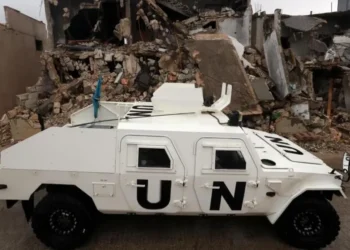 Tragedy in Lebanon: Two Indonesian UN Peacekeepers Killed in Border Explosion
 ‘Democracy Manifest’: Iconic ‘Succulent Chinese Meal’ Rant Added to National Film Archive
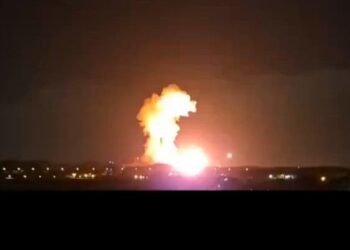 Chain of Fire: US Bunker Busters Strike Major Iranian Ammo Depot in Isfahan
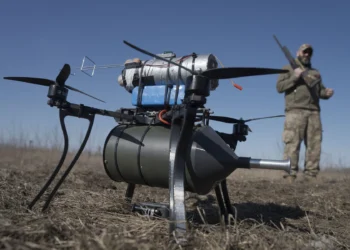 ‘Lego Drones’: Ukraine Hits Back at German Arms Giant Over ‘Housewife’ Slurs
 ‘Targeting the Truth’: US Journalist Shelly Kittleson Abducted in Central Baghdad
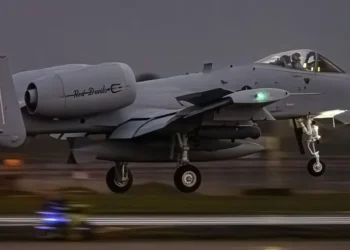 ‘The Warthog’s Stopover’: American Tank Busters Land at Lakenheath En Route to the Gulf
 ‘The Cost of Living’: Asia’s Migrant Workers Debate if Gulf Jobs are Worth the Risk of War
 ‘The 42-Day Rally’: Asian Markets Surge as Trump Signals ‘Rapid’ Iran Exit
 ‘You’re No Longer My Sister’: The Invisible Frontline Dividing Iranian Families
 ‘The Counting of a Nation’: India Launches World’s Largest Census Amid Tech Revolution
 ‘Blue Helmets’ in the Crossfire: Initial Probe Points to Roadside Bomb in Killing of UN Peacekeepers
 ‘The Arch of Anxiety’: How the $116 Oil Price and the Iran War are Reshaping Life in Asia
 Macron Urges Stability as Trump Jolts Nato and Iran
 Trump Address Sparks Global Backlash Over Iran War Tactics
 Macron Rebukes Trump Following Mockery of His Marriage
 Tragic End to Outback Search as Floods Claim a Life
 Ben Roberts-Smith Arrested Over Alleged War Crimes
 Netanyahu Vows Continued Lebanon Strikes Amid Peace Talks
 Reeves Slams Trump Over Iran War Lack Of Exit Plan
 US and Iran Pursue Extension of Ceasefire via Pakistan
 Pope Leo Calls for Global Unity Following Trump Criticism
 Trump Brokers Ten Day Ceasefire to Halt Lebanon Conflict
 Mexico, Spain and Brazil call for Cuba dialogue amid crisis
 Tensions Flare as Iran Rejects New Peace Talks with US
 Ukraine Urges UK to Seize Russian Oil Tankers
 US Calls Australia Media Law “Foreign Extortion”
 Tragic End to Search for Missing Girl in Alice Springs
 Questions Remain Over The Tragic Bondi Massacre
 Ukraine strikes Tuapse as oil disaster worsens
 Australia pushes Pacific security pact amid China tension
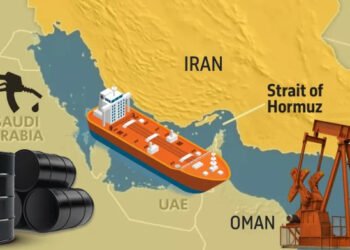 Middle East Crisis Escalates as Oil Routes Shake Markets
 “The Tightrope Walk”: Lula and Trump Meet at White House to ‘Recalibrate’ Fractured Alliance
 “The Boy in the Bay”: German Airman to Receive Permanent Headstone 86 Years After Somerset Crash
 FIFA Confirms Global Ban for Benfica Star Prestianni
 Tensions Emerge in Netanyahu-Trump Alliance
 US and Mexico Face Heatwave as Floods Batter South Africa
 The Long Way Home: Australia’s High-Stakes Virus Mission
 Trump Warns Iran Ceasefire Is Now on Life Support
 Putin Signals War End as Russian Momentum Stalls
 UN Faces Crucial Vote on Landmark ICJ Climate Ruling
 Philippine Senator Flees After Days Under Senate Siege
 Solomon Islands Elects China Critic Matthew Wale as Leader