Published: 19 May 2026. The English Chronicle Desk. The English Chronicle Online
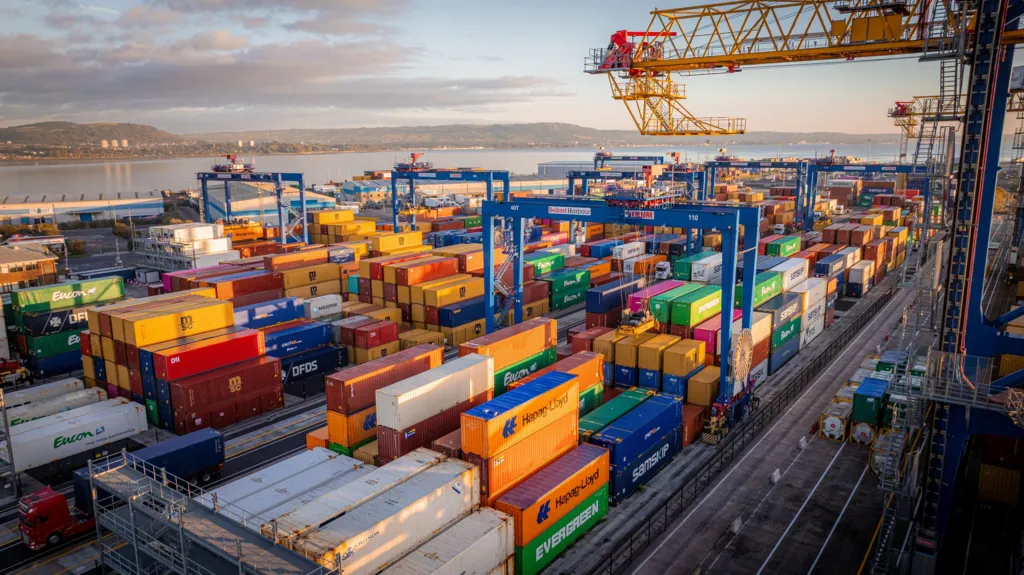
In a landmark move signaling profound confidence in the region’s long-term economic trajectory, Belfast Harbour Commissioners have officially launched an ambitious 25-year masterplan that commits a staggering £1.3bn investment toward transforming the port into a resilient, globally competitive maritime gateway. The strategy, titled “Horizons of Opportunity: 2025–2050,” outlines a comprehensive roadmap to modernize critical infrastructure, expand freight and cruise capacity, and cement Belfast’s role as the primary eastern seaboard hub for Irish Sea trade. Billed as one of the largest non-governmental investments in Northern Ireland’s history, the plan is designed to address a looming “capacity bottleneck” at ports across the island of Ireland, where volume demands are expected to tighten significantly over the coming two decades.

The port’s strategic foresight is rooted in clear, data-driven evidence provided by port master-planning consultants at Haskoning. Current projections indicate that trade volumes passing through Belfast Harbour could surge from approximately 24 million tonnes today to over 30 million tonnes by 2050 under steady-growth scenarios, and potentially as high as 50 million tonnes if higher-growth conditions materialize. Without this massive, “clinical” infrastructure upgrade, Belfast risks failing to capture the burgeoning trade opportunities linked to the Dublin-Belfast economic corridor. “As capacity tightens at key ports on the Irish east coast, we are putting the scale of our estate to work, providing the planned capacity the island needs,” stated Joe O’Neill, Chief Executive of Belfast Harbour, emphasizing that the project aims to “build ahead of the curve.“
The core of the £1.3bn investment program is as diverse as it is essential. Key projects include the completion of a £90m deepwater cruise terminal, the construction of Belfast’s first major land reclamation project in a quarter-century to establish a new freight terminal at West Bank Road, and the comprehensive redevelopment of Stormont Wharf—the island’s longest deep-water quay. Furthermore, the port is investing in specialized infrastructure for the next generation of maritime technology, including expanded container terminals for larger vessels and innovative power connections that will allow docked cruise ships to utilize shore-based electricity, significantly reducing local carbon emissions. Alongside the primary port infrastructure, the Commissioners have flagged the potential for an additional £750m in residential and mixed-use real estate development, building upon the success of the modern City Quays waterfront regeneration project.
However, the full realization of this massive capital program is contingent upon legislative reform at the Northern Ireland Assembly. As a non-profit trust port, Belfast Harbour operates independently of public funding and must finance its investments entirely through its own revenue and prudent borrowing. Currently, the port faces a fiscal “bottleneck” where its ability to raise capital is restricted by its classification within the Department of Infrastructure’s budget. Port leadership has expressed “comfortable” confidence that the necessary reclassification and legislative changes will be enacted by the spring of 2027, which would allow the Harbour Commissioners to borrow independently from financial markets to accelerate the project’s delivery.
The economic ripple effects of the masterplan are set to be transformative. Independent economic analysis conducted by Ulster University and Grant Thornton suggests that the planned upgrades will support approximately 5,500 construction jobs throughout the rollout and underpin an annual economic contribution of nearly £12bn in Gross Value Added (GVA) to the wider regional economy. This comes at a pivotal time for Northern Ireland, which has seen its recent economic growth outpace other parts of the United Kingdom, fueled in part by its unique post-Brexit status that grants the nation privileged access to both UK and EU markets. By positioning itself as a multimodal hub capable of handling everything from grain and animal feed to offshore wind components and next-generation container shipping, Belfast Harbour is deliberately evolving from a traditional port into a critical industrial engine for the entire island.

Ultimately, the £1.3bn investment is not merely a plan to expand quay walls or reclaim land; it is a fundamental recalibration of Northern Ireland’s place in the international trade network. As the global shipping industry pivots toward greener energy and higher-capacity logistics, the “speechless determination” of Belfast Harbour to modernize its footprint ensures that it will not be left behind by the shifts in global trade. From the storied history of the Harland & Wolff shipyards—where the Titanic once took shape—to the high-tech offshore wind facilities of the future, the port is once again looking toward the horizon to secure Northern Ireland’s relevance for the next generation. As Dr. Theresa Donaldson, Chair of the Belfast Harbour Commissioners, noted during the launch, the port has served the regional economy for nearly two centuries by “adapting, investing, and growing” as the world changes—and with this new vision, it is prepared to do exactly that for decades to come.
Related News:
 UK Must Act with Courage and Clarity on Israel-Palestine Conflict, Says Foreign Affairs Committee Report
 Radioactive Leak at UK’s Nuclear Warhead Base Sparks Outcry Over Safety and Secrecy
 Mutual Inconvenience: Why Alaska Was Chosen for the Trump-Putin Summit on Ukraine
 Terence Stamp, ’60s British Film Legend and Star of Superman, Dies at 87
 Where Is Prince William and Kate Middleton’s New House? Inside the Historic Lodge Set to Become Their ‘Forever Home’
 FIFA Eyes Biennial Club World Cup from 2029, Plans Possible Expansion
 Is the UK Ready to Put Boots on the Ground in Ukraine? Assessing Military Capacity and Challenges
 Shein UK Faces Allegations of Shifting Majority of Profits to Singapore to Reduce UK Tax
 British Couple Among 16 Killed in Lisbon Funicular Tragedy
 Protests Expected as Israeli Arms Firms Join Global Defence Trade Fair in London
 Thousands Gather in London to Protest Donald Trump’s Second UK State Visit
 British AI Startup Outshines Human Forecasters in Global Prediction Contest
 Liverpool Vs outhampton Set for Carabao Cup Clash at Anfield
 UK Fighter Jet Purchase Could Breach Nuclear Treaty, Warns CND
 A Third of EU Citizens in UK Report Discrimination by Public Bodies Post-Brexit
 Public Trust in SNP Hits Historic Low Amid NHS Concerns
 Cooper Unveils £4m Cyber Plan Against Russian Hackers
 Johnson Suggests Mandelson Linked to China Spy Controversy
 Rachel Reeves signals welfare reform ahead of key budget
 Johnson Approved China’s London ‘Super-Embassy’ in 2018
 Top Christmas Books Reads: Classics to Cozy Romcoms
 Just Stop Oil Protesters Convicted Amid Climate Defence Row
 I’m a Celebrity 2025 line-up revealed: Osbourne joins
 Palace May Restore Hyphen to Andrew Mountbatten-Windsor’s Name
 Royal Navy Shadows Russian Warships Entering the Channel
 Starmer China visit raises human rights pressure on Beijing
 UK New Car Discounts Near £6,000 as Prices Are Slashed
 Starmer Weighs Fast-Tracking Defence Boost
 Snow and Rain Warnings as Cold Snap Continues in the UK
 Dual Nationals Face Scramble for UK Passports as New Rules Come Into Force
 Trump and Chagos Deal Rift Over Iran Strikes
 How Much Could Andrew’s Arrest Hurt the Royal Family?
 Australian PM Says Former Prince Andrew Has Suffered ‘Extraordinary Fall’ but That Won’t Prompt Republic Referendum
 Farage Chagos Islands Row Sparks Fury
 US Will Not Back Out of Tariff Deals with UK and Others, Says Trump Trade Representative
 Storm Hernando: Edinburgh Airport Flights Cancelled in US Travel Chaos
 ‘We’ve been paying for happy endings for Andrew for years’: inside the royal disgrace, biographer says
 RAF Responding to Suspected Drone Strike at UK Cyprus Base
 Islanders Advised on Travel to Middle East Amid Escalation
 Brit ‘in Good Spirits’ Amid Dubai Missile Attacks, Stranded but Safe
 Trump rebukes Starmer over Iran strikes
 Stranger ‘On Drugs’ Stabbed Saudi Student to Death in Cambridge
 Minister Meets Crews Who Will ‘Take Out’ Iranian Drones
 ‘We Must Finish This’: Israelis Rally Behind War Effort as Iran Strikes Tel Aviv
 UK Prepares Aircraft Carrier for Middle East Crisis
 UK–US Tensions Ease as Starmer and Trump Hold First Call Since Iran Row
 Yvette Cooper: UK Must Follow Principles, Not US Pressure
 Iran War Warning: Starmer Backs Ukraine Visit
 UK Wage Growth Slows as Jobs Market Holds Firm
 Australia Imposes Sudden Travel Ban on Iranian Visitors
 UK Forces Ready to Seize Russian Shadow Fleet Vessels
 Net Closes on Lyons Clan: Partner Arrested in Dubai as Crime Boss Snared in Bali
 ‘A Moral Stain’: LGBT Veteran Sues MoD for £50k Following Historic Abuse Claims
 ‘Better Off Not Planting’: UK Farmers Face 36% Fertiliser Spike as Gulf Crisis Bites
 ‘The Shield of Silence’: Grooming Inquiry to Expose Officers Who Sheltered Abusers
 ‘The Final Word’: Kathleen Stock’s Polemic Against Assisted Dying Reshapes the UK Debate
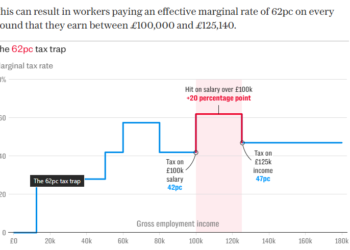 The ‘Career Ceiling’: One in Five High Earners Say £100k Tax Trap is ‘Ruining’ Their Ambition
 Open Justice Prevails as Court Rejects Bondi Gunman’s Family Anonymity Bid
 The Banbridge Rescue: 300 Sheep Saved from Massive Hay Shed Inferno
 Debt Relief or Drop in the Ocean? UK Caps Student Loan Interest at 6%
 The Silicon Emerald: How Irish Engineers are Cashing In on the AI Boom
 ‘The £100,000 Hammer’: War in Iran Forces UK Businesses to Absorb Historic Fuel Hikes
 “Three-Wheeled Triumph”: Mayor of Erewash Completes 2,000-Mile European Charity Run
 The “Charles Charm” Offensive: Did the Royals Find Their Mojo in D.C.?
 The $126 Spike: Oil Hits Four-Year High as Trump Weighs “Powerful” New Iran Strikes
 “An Endurance Test for the Mind”: British Couple Sentenced to 10 Years in Tehran
 Premier League drama defines crucial weekend
 “Community Shield”: Met Police Deploy Specialist 100-Officer Team to Guard London’s Jewish Postcodes
 “The Cost of Conviction”: Palestine Action Activists Found Guilty Over ‘Clinical’ Factory Damage
 “The Local Gavel”: Polls Open Across Hampshire and Isle of Wight in Delayed ‘Milestone’ Vote
 “The Blue Light Intersection”: Seventeen-Year-Old Critically Injured in ‘Nasty’ Police Pursuit Crash
 “The Fractured Frontier”: Sir John Curtice Declares the ‘Sacred’ Two-Party Era Over After ‘Milestone’ Results
 The Pathogen Protocol”: Third British National Monitored for ‘Nasty’ Suspected Hantavirus
 “The Reality Reckoning”: Government Demands Accountability as Channel 4 Pulls Married at First Sight UK Over Grave Sexual Assault Allegations
 “I’ve Been Cheated”: Andrew Malkinson Lambasts the ‘Accountability Rot’ of the British Justice System Following True Perpetrator’s Conviction
 “A Thorn in the Side”: Farage Faced with Fresh Financial Scrutiny as Corporate Accounts Challenge Reality TV Defense
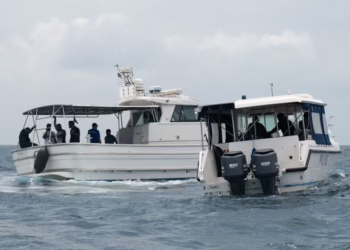 Tragedy in the Maldives: Inside the Deep Sea Rescue
 “The Iron Chancellor of the North”: Andy Burnham’s High-Stakes U-Turn to Prevent a Truss-Style Gilt Market Meltdown
 “Untouchable” on TikTok: The Brazen Digital Underworld of Britain’s Teenage Motorbike Thieves
 “The London Lockdown”: Tube Strikes and Engineering Works Create a Transport Perfect Storm Across the UK