Published: 19 May 2026. The English Chronicle Desk. The English Chronicle Online
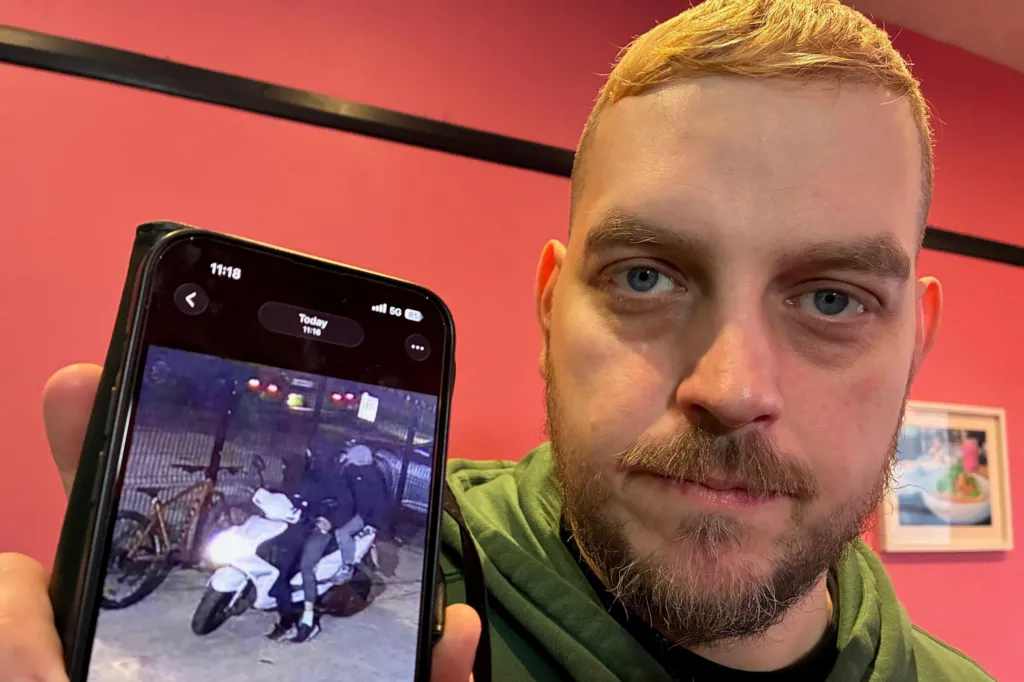
A sophisticated, “asymmetric” crime wave is tearing through Britain’s urban centers, driven by gangs of masked teenage motorbike thieves who are utilizing social media platforms to systematically mock their victims and evade justice. A series of damning investigative reports has exposed a sprawling digital underworld, centered primarily on TikTok and Instagram, where hooded adolescents—some as young as fourteen—brazenly broadcast their illegal exploits to hundreds of thousands of viewers. By filming themselves angle-grinding through heavy security locks in broad daylight, performing reckless stunts on stolen high-powered superbikes, and directly taunting both the police and devastated owners in the comments section, these youth syndicates have fostered an aura of complete invincibility. This digital bragging has exposed a profound “resilience deficit” within regional policing, leaving law-abiding riders trapped in a state of sheer, furious helplessness.

The mechanics of this “nasty” subculture rely heavily on the algorithmically driven reach of modern social media networks, which move criminal trends at a frantic “160 MPH clip.” Operating under boastful, localized hashtags like #AlleyBoyz, #SuckYaLock, and #Bikelife, the thieves use short-form video clips to turn grand theft into a form of gamified lifestyle content. In many of the most viewed videos, teenagers clad entirely in black hoodies and balaclavas can be seen joyriding on stolen Ducati, Triumph, and BMW motorcycles through public parks, pulling vertical wheelies down busy pedestrian high streets, and intentionally baiting police vehicles into high-speed pursuits that the officers are legally forced to abandon due to safety protocols. The metadata reveals that these gangs are not merely stealing for immediate financial liquidation; they are actively stealing for clout, treating the distress of their victims as a valuable commodity to trade for digital engagement and viral notoriety.
The psychological toll on the victims is uniquely devastating, introducing a systemic “accountability rot” into the public’s perception of the justice system. Hard-working commuters, delivery couriers, and motorcycle enthusiasts frequently log onto social media only to discover video footage of their own stolen property being trashed, torched, or joyridden by anonymous children who face no immediate consequences. One independent courier from Bristol recounted the agonizing experience of watching a TikTok slideshow where a local teen gang posed on top of his stolen Yamaha—the sole source of his livelihood—accompanied by a mocking, laughing-emoji caption that read “Thanks for the upgrade, mate.” When victims attempt to comment on the videos to demand the return of their property or provide leads to the authorities, they are met with a barrage of coordinated abuse and explicit threats of violence from the gang’s digital followers, leaving them feeling thoroughly cheated by the state’s inability to police the digital frontier.
The core of the problem lies in a severe legislative and tactical “bottleneck” that prevents frontline police forces from effectively neutralizing these youth networks. Under current UK policing guidelines, pursuit drivers are severely restricted when chasing suspects who are not wearing helmets, as any resulting collision or injury could lead to protracted, career-ending independent investigations into the pursuing officers. The teenage thieves are acutely aware of this structural vulnerability, deliberately discarding their helmets the moment a police car appears to trigger an immediate termination of the chase. This calculated exploitation of the law has created a generation of offenders who genuinely believe they are entirely “untouchable,” allowing them to run rampant across metropolitan areas while local authorities are left with little choice but to maintain a passive, observational stance.
Furthermore, technology giants like TikTok are facing intense political pressure to answer for their ongoing failure to curb this lucrative criminal economy. While platforms publicly boast about their strict terms of service and automated content moderation filters, independent digital analysts note that the gangs easily bypass these systems by utilizing coded slang, emojis, and temporary burner accounts to coordinate the sale of stolen parts and showcase their crimes. This regulatory inertia has drawn fierce condemnation from parliamentary committees, who argue that by allowing these videos to rack up millions of views and generate advertising revenue, tech corporations are functionally acting as a force multiplier for organized crime, prioritizing engagement metrics over the basic safety and property rights of British citizens.

As grassroots riding groups organize mass rallies to demand a fundamental overhaul of the laws governing vehicle crime, the government faces a critical milestone in public order. The upcoming Criminal Justice Bill is expected to introduce much harsher penalties for the possession of handheld angle grinders in public spaces and remove the liability protections that currently shield fleeing, unhelmeted criminals from active police intervention. However, until these structural reforms are fully implemented, the digital taunts of these teenage syndicates will continue to echo across the internet. For the thousands of riders who tuck their bikes away each night with a sense of lingering dread, the “speechless determination” of these viral thieves serves as a stark, unyielding reminder that in the age of the algorithm, the rule of law on the British high street is increasingly being dictated by a smartphone screen.
Related News:
 Madeleine McCann Case: German Woman at Centre of Hit-and-Run Theory Speaks Out
 UK Home Office to Launch French Beach Signage to Warn Asylum Seekers of Risks
 Charlie Kirk Killing Used to Mobilise UK’s Largest Far-Right Rally in Decades
 UK and Ireland Set to Unveil New Proposals to Address Northern Ireland’s Troubles Legacy
 UK Recognises State of Palestine in Push to Preserve Hope for Peace
 Jailed Georgian Opposition Leaders Warn UK of Iranian Links to Ruling Party
 Cooper Unveils £4m Cyber Plan Against Russian Hackers
 China’s Mega Embassy in London Faces Further Delay
 Prince Andrew met alleged Chinese spies during Pitch@Palace China trips
 Kosovo agrees to host Britain’s refused asylum seekers
 UK Gamer Recruited by Wagner Group Found Guilty of Arson
 Trump Speaks on Prince Andrew’s Royal Scandal Fallout
 Pregnant UK Teen to Be Freed from Georgian Jail
 Just Stop Oil Protesters Convicted Amid Climate Defence Row
 British Grandmother to Return Home After Death Sentence in Bali
 Second world war veterans honoured as King leads Remembrance Sunday
 New review urges UK to repatriate Shamima Begum, others from Syria
 Emails Show Epstein Funded Mandelson’s Husband After Jail
 London Pedicab Regulations Target ‘Rip-Off Fares’ and Nuisance Behaviour
 How Much Could Andrew’s Arrest Hurt the Royal Family?
 Two Arrested After Death of ‘British Lip King’
 Two Arrested After Woman Set on Fire in Revenge Attack
 Family ‘Incredibly Worried’ for Jailed Iran Couple
 Five Years On Since Sarah Everard, What’s Actually Changed?
 Stranger ‘On Drugs’ Stabbed Saudi Student to Death in Cambridge
 Murdered Student ‘Algasim’ Was ‘the Most Special Person’, Friends Say
 Four arrested on suspicion of assisting Iran’s intelligence service
 Teen Admits Filming Westfield Chair Prank
 Second Explosion in Three Days Leaves Thirteen Dead in Kerala
 Shadows in the Valley: Pahalgam Remembers a Year of Grief
 “Terrorism Suspect” Arrested in Devon as Investigation into London Jewish Site Attacks Widens
 “The Instruction of Silence”: Young Witness Tells Jury He Was Coerced into Falsifying Sister’s Death Narrative
 “Community Shield”: Met Police Deploy Specialist 100-Officer Team to Guard London’s Jewish Postcodes
 “A Target of Terror”: Domestic Abuse Inquiry Launched After Woman Killed in ‘Explosive’ Home Invasion
 “The Rooftop Mystery”: Police Launch ‘Suspicious Death’ Probe After Body Found in Luxury Garden
 “The Ghost Itinerary”: Woman Jailed After £300,000 Fraud Leaves Holidaymakers in a ‘Resilience Deficit’
 “The Accountability Rot”: Serving Met Officer and Four Ex-Detectives Under ‘Clinical’ Investigation Over Al Fayed Allegations
 “The Blue Light Intersection”: Seventeen-Year-Old Critically Injured in ‘Nasty’ Police Pursuit Crash
 “The Shadow of Lord Warwick Street”: Second Teenager Charged in ‘Nasty’ Murder of 14-Year-Old Eghosa Ogbebor
 “Hidden in Plain Sight”: Government Launches Elite High Street Taskforce After Shock BBC Exposure of Illicit Shopfronts
 UK Must Act with Courage and Clarity on Israel-Palestine Conflict, Says Foreign Affairs Committee Report
 Targeted Attack in Bury Sparks Murder Investigation as Community Awaits Justice
 Merseyside Police Helicopter Crew Cleared After Low-Altitude Pursuit of Suspect
 Systemic Racism in Maternity Care Continues to Endanger Black Women in England, MPs Warn
 Northern Ireland Faces Fears of Prolonged Race Riot “Permacrisis”
 No Evidence Found to Substantiate Alleged Rape in Oxfordshire Churchyard, Police Confirm
 Massive London Poundland Fire Engulfs High Street
 Paedophile Singer Ian Watkins Dies After Prison Attack
 UK Bans Fake Numbers: Scammers Lose Their Trick
 Indian authorities demolish Kashmir home linked to Red Fort blast
 Greene Pushes Epstein Files Amid Trump Fallout
 Inside the Helpline Protecting Missing Children in the UK
 Woman Jailed for Life After Killing E-Bike Rider in Tragic Mistaken Identity Case
 Police response times face strict new national limits
 Epstein Eyed Record Label Investment to Access Women, Files Suggest
 Rape Accused Had Fight With Man in Alley, Court Told
 American Citizen Killed in Cuba Boat Shooting, U.S. Officials Say
 Mother Says ‘I Hugged My Daughter’s Killer’ as They Cried Together in Prison
 Driver Jailed Over Fatal Water Treatment Tank Crash
 Brit ‘in Good Spirits’ Amid Dubai Missile Attacks, Stranded but Safe
 Calls Grow to Remove Billboard Following Lyra McKee Graffiti
 Police Scotland Pays £8m Compensation to Staff
 Minister Meets Crews Who Will ‘Take Out’ Iranian Drones
 Real Estate Brothers Convicted in Sex Trafficking Trial
 Teen Wins Payout After TRNSMT Crush Horror
 Australia Imposes Sudden Travel Ban on Iranian Visitors
 UK Forces Ready to Seize Russian Shadow Fleet Vessels
 Two Men Bailed Following Arson Attack on Jewish Charity Ambulances
 Net Closes on Lyons Clan: Partner Arrested in Dubai as Crime Boss Snared in Bali
 ‘The Insulation Trap’: Knifeman Discovered Hiding Under Loft Padding After Six-Hour Standoff
 Open Justice Prevails as Court Rejects Bondi Gunman’s Family Anonymity Bid
 The Banbridge Rescue: 300 Sheep Saved from Massive Hay Shed Inferno
 The Fallen Icon: Ben Roberts-Smith Charged with Five War-Crime Murders
 Roadside Reckoning: Nearly 160,000 Uninsured Vehicles Seized in National Crackdown
 Justice and Deceit: High Court Convicts Woman in Hong Kong Blackmail Plot
 “Three-Wheeled Triumph”: Mayor of Erewash Completes 2,000-Mile European Charity Run
 Tragedy in the Red Centre: Outback Search Ends in Discovery of Missing Girl’s Body
 “An Endurance Test for the Mind”: British Couple Sentenced to 10 Years in Tehran
 “The Local Gavel”: Polls Open Across Hampshire and Isle of Wight in Delayed ‘Milestone’ Vote
 “The Fractured Frontier”: Sir John Curtice Declares the ‘Sacred’ Two-Party Era Over After ‘Milestone’ Results