Published: 19 May 2026. The English Chronicle Desk. The English Chronicle Online
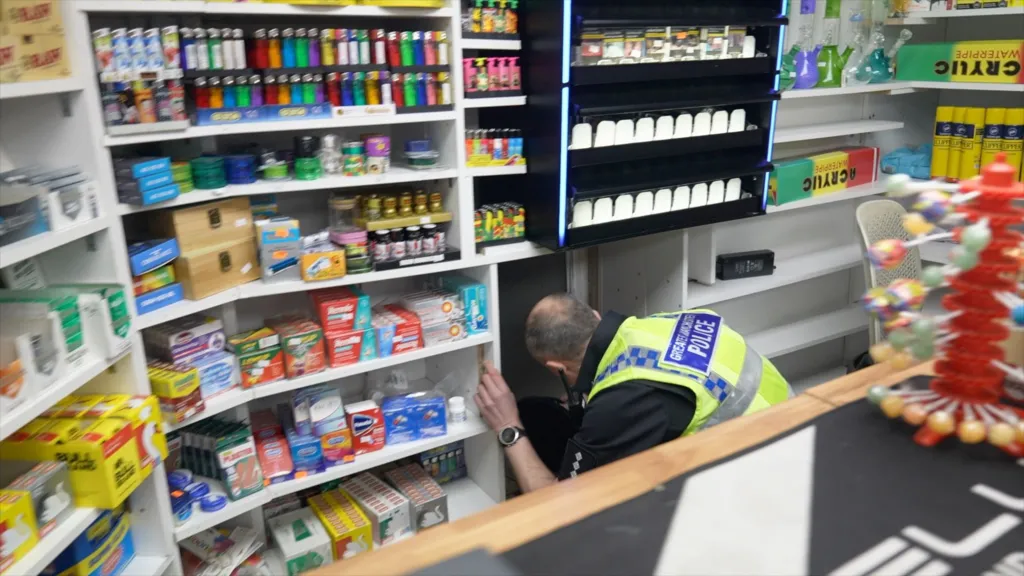
In a major “national security” style crackdown aimed at reclaiming Britain’s urban centers, the Home Office has announced the immediate formation of a specialized, multi-agency High Street Crime Unit. The sweeping policy shift, unveiled today, Tuesday, May 19, 2026, follows a “milestone” and deeply alarming BBC News undercover investigation led by journalist Ed Thomas. The broadcast exposed how organized crime groups (OCGs) have systematically hijacked local high streets, using seemingly innocent convenience stores, vape shops, and American candy boutiques as sophisticated fronts for Class A drug dealing, industrial-scale money laundering, immigration fraud, and human trafficking. By injecting millions of pounds of dark money directly into the retail sector, these criminal operations have exploited a massive “resilience deficit” in local enforcement, creating an unprecedented wave of urban decay.

The newly formed elite unit is structured to aggressively bypass the historical “bottleneck” of fragmented local policing, uniting the tactical forces of the National Crime Agency (NCA), Trading Standards, His Majesty’s Revenue and Customs (HMRC), and regional police units under a single, unified intelligence umbrella. According to Home Office briefs, the taskforce will move at a “160 MPH clip” to freeze corporate assets, revoke commercial licenses, and target the shadowy networks of “ghost directors” who sign commercial leases on behalf of international syndicates. Ministers broke their traditional “clinical silence” on high street decline to declare that the presence of blatant criminality operating in plain sight has caused a severe “accountability rot” in public trust, leaving independent, law-abiding shopkeepers to suffer the severe economic consequences.
The immediate catalyst for the emergency intervention was the harrowing footage captured by the BBC Today Programme and undercover researchers across the West Midlands, London, and Liverpool. Secretly filmed interactions inside ordinary-looking mini-marts revealed shop clerks readily offering cocaine, cannabis, prescription pills, and illegal high-capacity vapes to customers, including school-aged children, from behind standard retail counters. A subsequent, devastating report titled Hidden in Plain Sight by the Chartered Trading Standards Institute (CTSI) added quantitative gravity to the BBC’s findings, revealing that a staggering 97% of field officers are actively aware of OCGs operating out of retail premises in their areas. The data suggests that up to half of all convenience stores in specific metropolitan crime hotspots are now fundamentally tied to complex illicit syndicates.
This rapid, “nasty” colonization of British retail has been fueled by a prolonged funding deficit that left local regulators entirely overwhelmed. Over the past decade, local authority Trading Standards budgets were slashed by up to 50%, stripping away the vital inspectorate workforce just as cash-intensive businesses exploded across the UK post-2020. Criminal gangs quickly recognized this “resilience deficit,” using the lack of oversight to establish highly profitable “corridors of crime.” Furthermore, the enforcement gap exposed local council staff and shop inspectors to a terrifying wave of intimidatory behavior, with 72% of Trading Standards professionals reporting that they had faced explicit threats of violence or arson when attempting to audit these suspicious premises.
Beyond the immediate distribution of illegal narcotics, the new High Street Crime Unit faces an “asymmetric” battle against deeply entrenched labor exploitation and modern slavery. Parallel investigations by Channel 4 News and regional police forces have confirmed that the engine behind many of these “dodgy shops” is the systematic abuse of vulnerable, undocumented workers. Raids conducted in town centers like Ipswich have uncovered networks where human traffickers smuggle individuals into the UK, house them in squalid, overcrowded flats above retail units, and force them to work grueling hours for sub-legal wages to pay off artificial “ancestral debts.” The taskforce intends to use advanced data analytics and corporate registry tracking to dismantle this financial infrastructure, ensuring that the “sacred” protections of British labor law are ruthlessly enforced against rogue corporate entities.

Political pressure to address the crisis has reached a boiling point in Westminster, with senior MPs demanding real enforcement powers and sustained funding to back up the new unit’s mandate. The upcoming Crime and Policing Bill is expected to introduce a standalone criminal offense for assaulting retail workers and completely remove the legal loopholes that previously shielded low-level commercial infractions from custodial sentences. While critics on public forums argue that a single taskforce barely touches the surface of a twenty-year systemic failure, government sources insist that this rapid-reaction force proves a willingness to directly confront past legislative mistakes. By systematically pulling back the glossy vinyl window wraps of these fake mini-marts, the High Street Crime Unit faces the monumental task of proving that the rule of law still applies to the British shopfront.
Related News:
 Madeleine McCann Case: German Woman at Centre of Hit-and-Run Theory Speaks Out
 UK Home Office to Launch French Beach Signage to Warn Asylum Seekers of Risks
 Charlie Kirk Killing Used to Mobilise UK’s Largest Far-Right Rally in Decades
 UK and Ireland Set to Unveil New Proposals to Address Northern Ireland’s Troubles Legacy
 UK Recognises State of Palestine in Push to Preserve Hope for Peace
 Jailed Georgian Opposition Leaders Warn UK of Iranian Links to Ruling Party
 Cooper Unveils £4m Cyber Plan Against Russian Hackers
 China’s Mega Embassy in London Faces Further Delay
 Prince Andrew met alleged Chinese spies during Pitch@Palace China trips
 Kosovo agrees to host Britain’s refused asylum seekers
 UK Gamer Recruited by Wagner Group Found Guilty of Arson
 Trump Speaks on Prince Andrew’s Royal Scandal Fallout
 Pregnant UK Teen to Be Freed from Georgian Jail
 Just Stop Oil Protesters Convicted Amid Climate Defence Row
 British Grandmother to Return Home After Death Sentence in Bali
 Second world war veterans honoured as King leads Remembrance Sunday
 New review urges UK to repatriate Shamima Begum, others from Syria
 Emails Show Epstein Funded Mandelson’s Husband After Jail
 London Pedicab Regulations Target ‘Rip-Off Fares’ and Nuisance Behaviour
 How Much Could Andrew’s Arrest Hurt the Royal Family?
 Two Arrested After Death of ‘British Lip King’
 Two Arrested After Woman Set on Fire in Revenge Attack
 Family ‘Incredibly Worried’ for Jailed Iran Couple
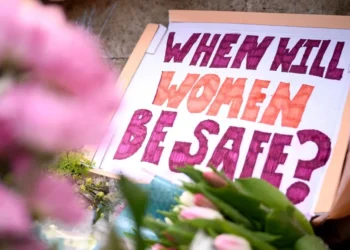 Five Years On Since Sarah Everard, What’s Actually Changed?
 Stranger ‘On Drugs’ Stabbed Saudi Student to Death in Cambridge
 Murdered Student ‘Algasim’ Was ‘the Most Special Person’, Friends Say
 Four arrested on suspicion of assisting Iran’s intelligence service
 Teen Admits Filming Westfield Chair Prank
 Second Explosion in Three Days Leaves Thirteen Dead in Kerala
 Shadows in the Valley: Pahalgam Remembers a Year of Grief
 “Terrorism Suspect” Arrested in Devon as Investigation into London Jewish Site Attacks Widens
 “The Instruction of Silence”: Young Witness Tells Jury He Was Coerced into Falsifying Sister’s Death Narrative
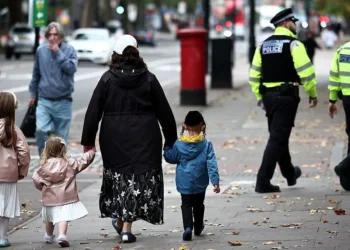 “Community Shield”: Met Police Deploy Specialist 100-Officer Team to Guard London’s Jewish Postcodes
 “A Target of Terror”: Domestic Abuse Inquiry Launched After Woman Killed in ‘Explosive’ Home Invasion
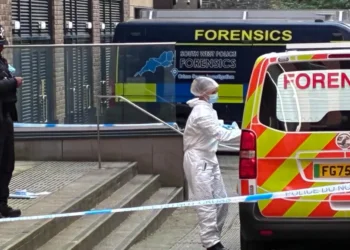 “The Rooftop Mystery”: Police Launch ‘Suspicious Death’ Probe After Body Found in Luxury Garden
 “The Ghost Itinerary”: Woman Jailed After £300,000 Fraud Leaves Holidaymakers in a ‘Resilience Deficit’
 “The Accountability Rot”: Serving Met Officer and Four Ex-Detectives Under ‘Clinical’ Investigation Over Al Fayed Allegations
 “The Blue Light Intersection”: Seventeen-Year-Old Critically Injured in ‘Nasty’ Police Pursuit Crash
 “The Shadow of Lord Warwick Street”: Second Teenager Charged in ‘Nasty’ Murder of 14-Year-Old Eghosa Ogbebor
 UK Must Act with Courage and Clarity on Israel-Palestine Conflict, Says Foreign Affairs Committee Report
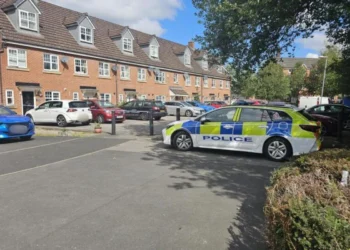 Targeted Attack in Bury Sparks Murder Investigation as Community Awaits Justice
 Terence Stamp, ’60s British Film Legend and Star of Superman, Dies at 87
 Merseyside Police Helicopter Crew Cleared After Low-Altitude Pursuit of Suspect
 Is the UK Ready to Put Boots on the Ground in Ukraine? Assessing Military Capacity and Challenges
 Urgent Action Needed on Windrush Compensation as Survivors Speak of “Waiting to Die”
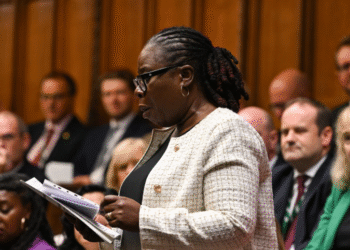 Systemic Racism in Maternity Care Continues to Endanger Black Women in England, MPs Warn
 Northern Ireland Faces Fears of Prolonged Race Riot “Permacrisis”
 No Evidence Found to Substantiate Alleged Rape in Oxfordshire Churchyard, Police Confirm
 Massive London Poundland Fire Engulfs High Street
 Paedophile Singer Ian Watkins Dies After Prison Attack
 UK Bans Fake Numbers: Scammers Lose Their Trick
 Greene Pushes Epstein Files Amid Trump Fallout
 Inside the Helpline Protecting Missing Children in the UK
 Woman Jailed for Life After Killing E-Bike Rider in Tragic Mistaken Identity Case
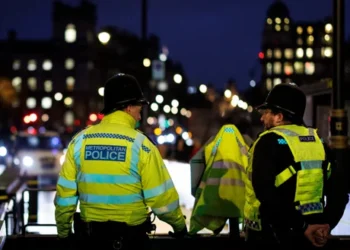 Police response times face strict new national limits
 Starmer Weighs Fast-Tracking Defence Boost
 Snow and Rain Warnings as Cold Snap Continues in the UK
 Nine Arrested in France Over Death of Far‑Right Student
 Epstein Eyed Record Label Investment to Access Women, Files Suggest
 Fly-Tippers to Be Hunted by ‘Drone Squad’ in Crackdown from the Sky
 Australian PM Says Former Prince Andrew Has Suffered ‘Extraordinary Fall’ but That Won’t Prompt Republic Referendum
 Farage Chagos Islands Row Sparks Fury
 Storm Hernando: Edinburgh Airport Flights Cancelled in US Travel Chaos
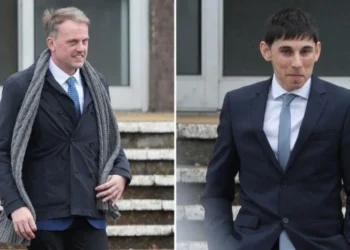 Rape Accused Had Fight With Man in Alley, Court Told
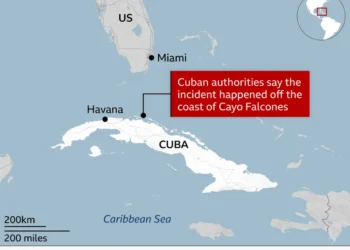 American Citizen Killed in Cuba Boat Shooting, U.S. Officials Say
 Mother Says ‘I Hugged My Daughter’s Killer’ as They Cried Together in Prison
 Driver Jailed Over Fatal Water Treatment Tank Crash
 Brit ‘in Good Spirits’ Amid Dubai Missile Attacks, Stranded but Safe
 Calls Grow to Remove Billboard Following Lyra McKee Graffiti
 UK Forces Ready to Seize Russian Shadow Fleet Vessels
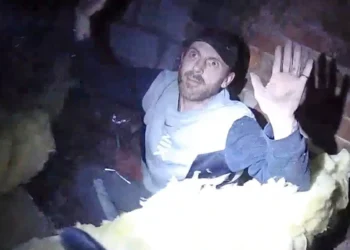 ‘The Insulation Trap’: Knifeman Discovered Hiding Under Loft Padding After Six-Hour Standoff
 The Banbridge Rescue: 300 Sheep Saved from Massive Hay Shed Inferno
 Roadside Reckoning: Nearly 160,000 Uninsured Vehicles Seized in National Crackdown
 Justice and Deceit: High Court Convicts Woman in Hong Kong Blackmail Plot
 “Three-Wheeled Triumph”: Mayor of Erewash Completes 2,000-Mile European Charity Run
 Tragedy in the Red Centre: Outback Search Ends in Discovery of Missing Girl’s Body
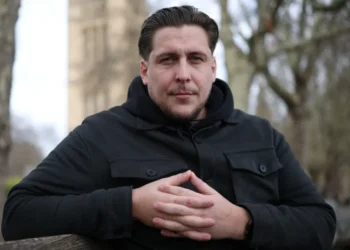 “An Endurance Test for the Mind”: British Couple Sentenced to 10 Years in Tehran
 Premier League drama defines crucial weekend
 “The Local Gavel”: Polls Open Across Hampshire and Isle of Wight in Delayed ‘Milestone’ Vote
 “The Fractured Frontier”: Sir John Curtice Declares the ‘Sacred’ Two-Party Era Over After ‘Milestone’ Results