Published: 19 May 2026. The English Chronicle Desk. The English Chronicle Online
A damning new cost of living assessment published by the States of Guernsey has shattered the island’s postcard-perfect reputation as an affluent financial haven, revealing that soaring baseline expenses are now aggressively eating into the take-home pay of ordinary working families. The comprehensive economic snapshot, compiled by the island’s Data and Analysis team, confirms that despite a series of nominal, inflation-linked wage increases across the public and private sectors over the past year, the real-world purchasing power of local residents has entered a steep, structural decline. The data has forced the Policy & Resources Committee to break its traditional “clinical silence” regarding domestic inequality, exposing a profound “resilience deficit” among middle-and-low-income islanders who are increasingly unable to afford the astronomical costs of basic housing, food, and energy.

The immediate driver of this “asymmetric” economic crisis is a severe, localized housing bottleneck that has pushed the island’s rental and property markets to unprecedented extremes. According to the 2026 Guernsey Residential Property Prices bulletin, the average purchase price for a local market home has climbed to a staggering £645,800, while average monthly rents have surged at a “160 MPH clip” to hit £1,950. For an individual earning the island’s median full-time income of approximately £41,500, these accommodation costs alone account for well over 50% of their net income. This reality completely wipes out the financial buffer traditionally associated with Guernsey’s attractive 20% flat income tax rate, leaving essential workers—including nurses, teachers, and retail staff—trapped in a stressful cycle of working multiple jobs just to cover their rent.
Compounding this “nasty” accommodation squeeze is the island’s extreme geographic vulnerability to global supply chain shocks and rising freight costs. Because Guernsey imports more than 95% of its consumer goods via a single, tightly controlled maritime shipping channel, any spike in international fuel prices or administrative friction at mainland ports immediately translates into inflated prices on supermarket shelves. The ONS equivalent local retail price index shows that food and non-alcoholic beverage costs on the island are currently rising significantly faster than on the UK mainland, forcing families to make impossible budgeting choices. “Every single penny of my annual pay rise was swallowed up by my weekly grocery bill and electric tariff before the cash even hit my account,” shared a St Peter Port hospital administrative worker, capturing the widespread feeling of being economically cheated by an island system that prioritizes corporate wealth over community survival.
This deepening “accountability rot” in the island’s standard of living has sparked an unprecedented labor drain, as younger professionals and vital public sector workers emigrate to the UK mainland or further afield in search of a lower baseline cost of living. Business groups, including the Guernsey Chamber of Commerce, have raised urgent red flags, warning that local firms are facing a catastrophic recruitment bottleneck because candidates simply cannot find affordable places to live. The States’ ongoing failure to deliver a meaningful, large-scale affordable housing strategy has left the local economy highly vulnerable, creating a scenario where the island’s world-class financial services sector is functionally pricing out the very working-class community required to keep its schools, hospitals, and infrastructure running.
 As public spaces like the Southbank Centre celebrate 75 years of postwar economic progress, Guernsey faces a critical, defining crossroad regarding its fiscal identity. Deputies in the States of Deliberation are under intense pressure to aggressively restructure local tax policies, with growing calls from grassroots advocacy groups to introduce targeted rental controls, mandatory affordable housing quotas on new developments, and enhanced cost-of-living allowances for lower-income brackets. However, any radical policy shift faces fierce resistance from conservative political factions who fear that altering the island’s low-tax ecosystem will spook the international banking and captive insurance sectors that form the bedrock of Guernsey’s GDP. For now, the “speechless determination” of ordinary islanders fighting to remain in their ancestral homes is the only true metric of a crisis that is rapidly turning an exclusive paradise into an unlivable economic trap.
Related News:
 Police Assessing Stansted Airport Private Flights Over Epstein Ties
 Snow and Rain Warnings as Cold Snap Continues in the UK
 TfL Advert Banned for Harmful Racial Stereotype
 Break from Wintry Weather as UK Temperatures to Climb to 14 °C
 What’s Next for Andrew Mountbatten-Windsor’s Ex-Wife, Sarah Ferguson?
 Muslim Group Wants Mosques to Be Used as Polling Stations Ahead of UK Elections
 Boy, 12, Home After Being Stranded in Middle East
 Why Aren’t Our Dirtiest Roads Getting Cleaned?
 Murdered Student ‘Algasim’ Was ‘the Most Special Person’, Friends Say
 Manchester Students Mourn Ayatollah Amid Protest
 Teen Admits Filming Westfield Chair Prank
 A Slimmer Sunday: Beatrice and Eugenie to Skip Royal Easter Service Amid Family Health Focus
 Banana Bonanza: Orkney Town Flooded with 38,000 Bananas After Supermarket Blunder
 ‘Please Keep Her in Your Prayers’: Dad Describes Final Moments Before 7-Year-Old Was Swept to Sea
 ‘Something Wasn’t Right’: UK Families Devastated by Sperm Mix-Up at Northern Cyprus IVF Clinics
 From Fallout to Five-Star: Cold War Nuclear Bunker Gains Holiday Let Permission
 ‘The Final Word’: Kathleen Stock’s Polemic Against Assisted Dying Reshapes the UK Debate
 Debt Relief or Drop in the Ocean? UK Caps Student Loan Interest at 6%
 ‘Seismic Change’: How Nationalist Wins in Celtic Nations Could Reshape the UK
 The ‘Shredder’ Syndrome: Why the 2026 Job Market is Breaking Entry-Level Spirits
 ‘Significant and Poignant’: Families Gather for 35th Anniversary of IRA Musgrave Bombing
 The Kitchen Table Crisis: How the 2026 Iran War Hits Your Wallet
 “A Zero-Value Home”: Seven Years of Sinkhole Stagnation Leaves Family Trapped
 “Three-Wheeled Triumph”: Mayor of Erewash Completes 2,000-Mile European Charity Run
 The “Charles Charm” Offensive: Did the Royals Find Their Mojo in D.C.?
 “Walking in His Footsteps”: Son of WWII US Airman Pays Emotional Visit to IWM Duxford
 “The Diaper Deadline”: Inside the Baby Bank Bypassing the ‘Accountability Rot’ for Struggling Families
 UK Must Act with Courage and Clarity on Israel-Palestine Conflict, Says Foreign Affairs Committee Report
 Radioactive Leak at UK’s Nuclear Warhead Base Sparks Outcry Over Safety and Secrecy
 Mutual Inconvenience: Why Alaska Was Chosen for the Trump-Putin Summit on Ukraine
 Terence Stamp, ’60s British Film Legend and Star of Superman, Dies at 87
 Is the UK Ready to Put Boots on the Ground in Ukraine? Assessing Military Capacity and Challenges
 Shein UK Faces Allegations of Shifting Majority of Profits to Singapore to Reduce UK Tax
 UK New Car Discounts Near £6,000 as Prices Are Slashed
 Labour Utterly Humiliated by Straight-Talking Mum Who Cut Through Keir Starmer’s Insanity
 Renters Furious as Decent Homes Standard Delayed Until 2035
 Starmer Weighs Fast-Tracking Defence Boost
 Motorists Could Face ‘Mandatory’ Driving Ban for Road Offences Under Tougher Laws
 Epstein Eyed Record Label Investment to Access Women, Files Suggest
 Australian PM Says Former Prince Andrew Has Suffered ‘Extraordinary Fall’ but That Won’t Prompt Republic Referendum
 Farage Chagos Islands Row Sparks Fury
 Storm Hernando: Edinburgh Airport Flights Cancelled in US Travel Chaos
 ‘We’ve been paying for happy endings for Andrew for years’: inside the royal disgrace, biographer says
 Brit ‘in Good Spirits’ Amid Dubai Missile Attacks, Stranded but Safe
 Calls Grow to Remove Billboard Following Lyra McKee Graffiti
 ‘Every Day Feels Like a Month’: Iranians Describe Life Under ‘Constant’ US‑Israeli Strikes
 Minister Meets Crews Who Will ‘Take Out’ Iranian Drones
 Father Dies by Suicide Weeks After Wedding in Clitheroe
 Teen Wins Payout After TRNSMT Crush Horror
 ‘Heating Oil Suppliers Are Holding Us to Ransom’ as Prices and Cancellations Surge
 Australia Imposes Sudden Travel Ban on Iranian Visitors
 UK Forces Ready to Seize Russian Shadow Fleet Vessels
 US Lawmaker Demands Testimony Over Sarah Ferguson’s ‘Close Epstein Ties’
 Woman Deported from China Over Manx Passport Mix-Up
 ‘My Hatred of Dogs is Ruining My Love Life’
 Net Closes on Lyons Clan: Partner Arrested in Dubai as Crime Boss Snared in Bali
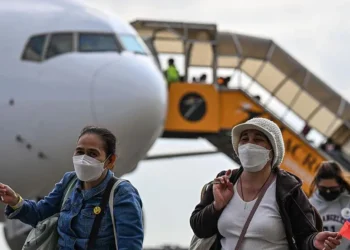 ‘The Cost of Living’: Asia’s Migrant Workers Debate if Gulf Jobs are Worth the Risk of War
 Open Justice Prevails as Court Rejects Bondi Gunman’s Family Anonymity Bid
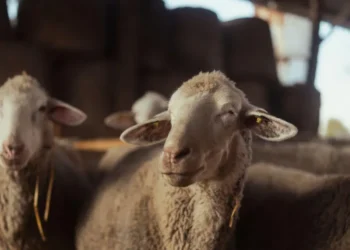 The Banbridge Rescue: 300 Sheep Saved from Massive Hay Shed Inferno
 ‘The Soul of Spain’: Politicians Clash Over Renewed Push to Move Picasso’s Guernica
 The Suffocating Silhouette: Why Metal’s Mask Trend is Turning Deadly
 The Fallen Icon: Ben Roberts-Smith Charged with Five War-Crime Murders
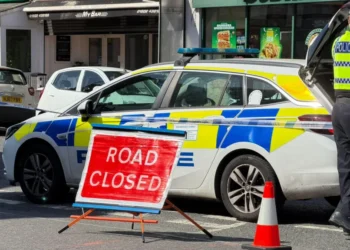 Heartbreak in Bournemouth: The Tragic Death of James Blanch
 Paws on the Wheel: Driver Facing Fine After Dog Photographed on Lap
 The Miracle of Phoenix: ‘Half Dead’ Rescue Dog Defies the Odds in Worcestershire
 The Pre-School Lottery: Families Left in ‘Holding Pattern’ as Local Places Vanish
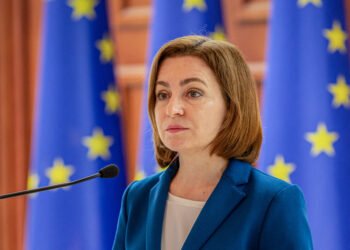 Moldova River Crisis Exposes War’s Hidden Cost
 The Waiting Ward: ‘Month of Worry’ as Doctor Strikes Trigger Seismic Surgery Delays
 ‘The Last of the Greatest’: UK’s Oldest WWII Veteran Passes Away Aged 109
 ‘The £100,000 Hammer’: War in Iran Forces UK Businesses to Absorb Historic Fuel Hikes
 “Jobs Will Go”: Rishi Sunak Warns AI is Already Eroding Entry-Level Opportunities
 Ukraine Urges UK to Seize Russian Oil Tankers
 Tragedy in the Red Centre: Outback Search Ends in Discovery of Missing Girl’s Body
 Reality Check on Reform: Minister Says Outright Abolition of Leasehold “Impossible”
 The “Dry” Life: Teens Trialing Social Media Bans Call Initial Disconnection “Boring” and “Dry”
 “An Endurance Test for the Mind”: British Couple Sentenced to 10 Years in Tehran
 Premier League drama defines crucial weekend
 “The Local Gavel”: Polls Open Across Hampshire and Isle of Wight in Delayed ‘Milestone’ Vote
 “The Blue Light Intersection”: Seventeen-Year-Old Critically Injured in ‘Nasty’ Police Pursuit Crash
 “The Fractured Frontier”: Sir John Curtice Declares the ‘Sacred’ Two-Party Era Over After ‘Milestone’ Results