Published: 20 May 2026. The English Chronicle Desk. The English Chronicle Online.
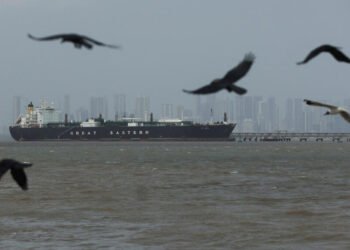
The delicate effort to secure a lasting peace deal with Iran is currently facing significant hurdles. United States President Donald Trump is increasingly leaning on his established allies across the Middle East. The White House currently appears unable to find a definitive path to end ongoing regional hostilities. Global shipping lanes managed by Tehran remain a central point of contention for international maritime trade. The self-described dealmaker-in-chief maintains that his administration has pursued a very consistent foreign policy approach. This strategy aims to prevent the Iranian state from successfully developing any viable nuclear weapons capability. Washington continues to balance heavy economic sanctions with diplomatic incentives to secure a new agreement. A primary goal of these ongoing negotiations remains the permanent reopening of the strategic Strait of Hormuz.
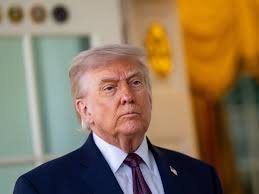
However, the American president continues to oscillate rapidly between two starkly different geopolitical positions. He frequently shifts from preparing major military strikes to suddenly postponing them for diplomatic reasons. This pattern persists despite very little objective evidence that Washington and Tehran are nearing peace. The latest diplomatic sequence began following a high-level phone call with Israeli Prime Minister Benjamin Netanyahu. The Israeli leader publicly stated that his nation remains highly vigilant regarding ongoing Iranian military movements. Immediately following that conversation, Trump issued a stern warning using his personal social media platform. He declared that time was running out and threatened severe consequences if progress stalled.
Pakistani diplomats confirmed that closed-door discussions between the two conflicting nations are still actively continuing. However, these foreign envoys offered no concrete signs that a final breakthrough is currently imminent. The United States and Iran have been actively trading various drafts of a potential treaty. Yet Trump publicly expressed deep dissatisfaction with the specific proposals submitted by the Iranian negotiators. He noted that he routinely rejects entire diplomatic documents based on their opening lines alone. This unpredictable decision-making style is highly characteristic of his personalized approach to modern international diplomacy. White House advisers frequently influence major American policy shifts during brief, private West Wing conversations.
A critical briefing by Netanyahu in the Situation Room heavily influenced the president earlier this year. That specific presentation convinced Trump to approve joint military operations despite objections from senior advisers. Military analysts recently observed a massive surge in American aerial activity across the entire region. Numerous refuelling aircraft were spotted staging at major airports, indicating advanced levels of combat readiness. Rumours of an imminent American air strike circulated widely throughout international diplomatic circles this week. Trump then made an extraordinary public disclosure by announcing he had personally cancelled the strike. He claimed the decision was made to allow delicate diplomatic negotiations more time to succeed.
The president attributed this sudden policy shift to direct requests from prominent Gulf Arab leaders. The leaders of Saudi Arabia, the Emirates, and Qatar collectively urged a temporary military pause. They reportedly assured the American administration that serious, high-level talks were now actively taking place. These regional leaders believe a mutually acceptable agreement can still be reached through patient diplomacy. Trump also claimed that Iran was prepared to abandon its domestic nuclear programme for peace. However, independent intelligence sources have found very little evidence to validate that specific claim.
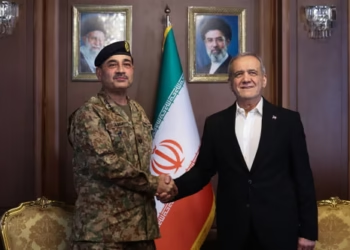
Iranian President Masoud Pezeshkian cautiously confirmed that diplomatic discussions had indeed been officially renewed. However, the Iranian leader emphasized that engaging in dialogue does not mean national surrender. He pledged to steadfastly protect the sovereign rights and technological advancements of the Iranian people. This moderate political rhetoric faces strong internal pressure from hardline elements within the Revolutionary Guard. Meanwhile, the international community has reacted to Trump’s sudden military disclosure with deep skepticism. Media outlets openly questioned whether a genuine military attack had actually been planned at all. Critics frequently point to the president’s established pattern of making grand rhetorical threats before retreating.
More importantly, key Gulf allies seemed completely unaware of any imminent American military action. Reports indicate that regional leaders were caught off guard by the sudden public announcements. Gulf nations strongly prefer careful diplomacy to protect their valuable domestic oil and gas infrastructure. They fear any major escalation could result in direct retaliatory strikes on their territory. When questioned later, Trump deliberately chose to keep his strategic military options fully open. He clarified to reporters that he had merely authorized a temporary delay of operations.
The president claimed that military forces were less than an hour away from striking. He then set a strict deadline of just a few days for Iran to respond. The administration indicated that military actions could resume by the end of the week. Trump concluded by warning that another major military strike might still be deemed necessary. The global community now watches closely as this volatile diplomatic standoff continues to unfold.
Related News:
 Capitol Attack Anniversary Sparks Deep Political Divide
 Saudi Officials Report Zubaidi Flee Before Yemen Peace Talks
 UK Targets in New York Bomb Threat Hoax: Man Jailed
 Gambia Supreme Court Hears Case to Overturn FGM Ban
 Trump targets Iran trade with 25% tariff warning
 US Senate rejects resolution limiting Trump military powers
 Gulf states warn Trump Iran strikes risk wider Middle East war
 Machado Trump medal gesture reshapes Venezuela power struggle
 Geopolitical football: Iran, Trump and the World Cup clash
 Canada-China trade gains momentum in new strategic partnership
 Syria President Declares Victory as Ceasefire Reached with SDF
 Shinzo Abe’s killer receives life sentence in Japan
 China General Under Investigation Amid Leadership Purge
 Philippines ferry disaster leaves 15 dead, dozens missing
 Cambridge Faces Scrutiny Over Arms Investment Transparency
 Epstein UAE Emails Shake British Royal Andrew’s Legacy
 Christchurch gunman seeks to vacate guilty plea
 Infantino Faces Russia Threat and Trump Concerns at Uefa Congress
 Concerns rise for Canberra boy amid Iran detention fears
 Ukraine Sends Drone Experts to Defend US Bases in Jordan
 Abramovich Chelsea Sale Cash Faces Jersey Probe
 Yvette Cooper: UK Must Follow Principles, Not US Pressure
 Jury Rules Meta and YouTube Liable for Addictive Design
 Saudi Arabia Urging US to Keep Up Iran Attacks
 The Woman Guarding Earth From the Threat of Asteroids
 Germany Grapples With AI Abuse Following TV Star Scandal
 Exiled Tycoon Warns of New Russian Attacks on UK Soil
 LA 2028: Millions of Affordable Olympic Tickets Announced
 Trump Slams Europe as Transatlantic Tensions Boil Over
 Inside the Deceptive Machine: A Former Producer Speaks Out
 Spain Faces Backlash Over Xenophobic Chants in Egypt Draw
 A Global Voice For Justice: Stephen Lewis Dies At Age 88
 Hope and Fear as Iranians Flee Across the Turkish Border
 Reform UK Pledges To Halt Visas Over Reparations Demands
 US and Iran Agree to Two-Week Provisional Ceasefire
 Starmer visits Gulf as US and Iran agree ceasefire
 Gaza Child Arrives in UK for Life-Changing Care
 Pakistan Brokers Historic Peace Deal Amid Rising Tensions
 UK Holds Firm on Strait of Hormuz Amid Trump Pressure
 Trump Signals Hope for New Iran Talks as Ceasefire Fades
 Reeves Slams Trump Over Iran War Lack Of Exit Plan
 US and Iran Pursue Extension of Ceasefire via Pakistan
 Trump’s Islamabad Gamble: The High Stakes of a New Iran Deal
 Ian Katz to Step Down as Channel 4 Content Chief
 The General’s Gambit: Pakistan’s New Role in Global Peace
 Mexico, Spain and Brazil call for Cuba dialogue amid crisis
 Pakistan’s Ambitious Bid for Middle East Peace
 Trump Starts $166bn Tariff Refund Process
 Israeli Soldiers Jailed Over Vandalism of Lebanese Statue
 Trump Weighs Sending Afghan Allies to the Congo
 Timor-Leste Faces Tough Questions Over Resort Proposal
 Pentagon Shakes Up Navy Leadership Amid Hormuz Blockade
 Trump Threatens UK With Big Tariff Over Tech Tax
 Prominent Voices Challenge Palestine Action Ban
 Security Scrutiny After Washington Shooting Incident
 Merz Criticises US Approach in Iran Conflict
 UK Envoy Sparks Controversy Over Special Relationship Claims
 Ukraine Urges UK to Seize Russian Oil Tankers
 US Calls Australia Media Law “Foreign Extortion”
 The Billionaire’s Secretary and the £1m Fraud
 Ukraine strikes Tuapse as oil disaster worsens
 Brewing Tension: Taiwan Baristas Rebrand for World Stage
 Tensions Emerge in Netanyahu-Trump Alliance
 Mission to the World’s Edge: A Heroic Rescue in Tristan
 US and Mexico Face Heatwave as Floods Batter South Africa
 Mexico’s Missing: State Complicity in a Growing Crisis
 French Patient Told Hantavirus Was Just Anxiety
 The Long Way Home: Australia’s High-Stakes Virus Mission
 Putin Signals War End as Russian Momentum Stalls
 Romania’s Judicial Crisis: A System Under Siege
 Lee Lai Makes History with Landmark Stella Prize Victory
 Philippine Senator Flees After Days Under Senate Siege
 Alberta Separatist Bid Blocked by Canadian Court
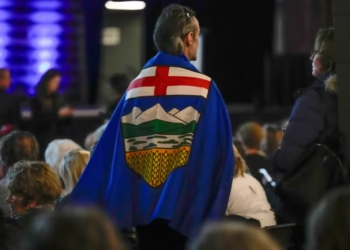 Canadian Court Blocks Alberta Independence Referendum Bid
 Big Tobacco Under Fire Over Controversial New Ad Campaign
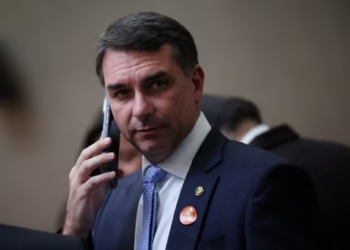 Bolsonaro Son Tape Scandal Sparks Massive Brazil Backlash
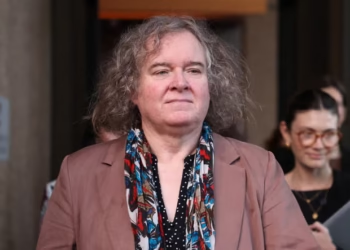 Court Upholds Landmark Win for Transgender Rights
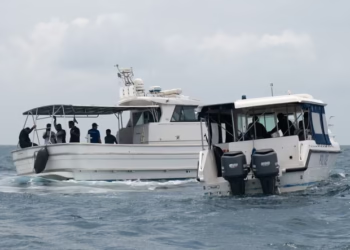 Tragedy in the Maldives: Inside the Deep Sea Rescue
 Liberal Senator Criticises Immigration Rhetoric
 Senate Moves to Restrict Trump’s War Powers on Iran