Published: 22 May 2026. The English Chronicle Desk. The English Chronicle Online.
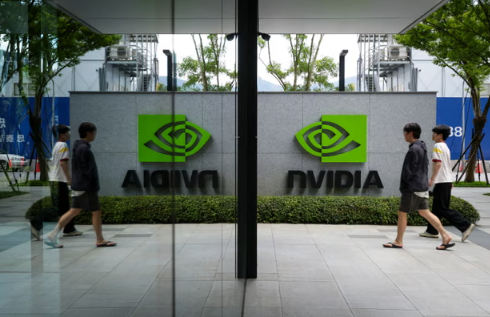
The global demand for artificial intelligence infrastructure continues to accelerate at an unprecedented pace. California semiconductor pioneer Nvidia recently disclosed its financial earnings for the first fiscal quarter. The company firmly shattered previous Wall Street growth projections and reassured nervous tech sector investors. The global buildout of massive datacenters shows absolutely no signs of slowing down anytime soon. Nvidia chief executive officer Jensen Huang described this surge as the largest infrastructure expansion. This massive expansion in human history is currently gaining speed across the entire planet. Advanced agentic artificial intelligence systems have finally arrived to perform complex real world tasks. These systems generate significant commercial value and scale rapidly across many different global industries. Many prominent financial analysts view these earnings as a definitive referendum on tech investment.
Nvidia currently holds a commanding position as the most valuable public company globally. The tech titan boasts an impressive market capitalization of approximately five point four trillion dollars. The enterprise reigns supreme over rivals within the highly lucrative semiconductor chip marketplace today. It has successfully capitalized on the immense artificial intelligence aspirations of big tech companies. The firm provides critical processing components alongside advanced software and foundational hardware infrastructure platforms. Major American technology conglomerates are collectively planning massive capital expenditures for the current year. These corporate giants intend to spend seven hundred and fifty billion dollars altogether. A significant portion of these investments will fund advanced chips for specialized corporate datacenters. Huang announced that Nvidia will likely outgrow the capital expenditure of modern hyper-scaled datacenters.
The primary driver of this surging corporate revenue remains the vital datacenter business unit. The chip manufacturer reported a staggering ninety-two percent year-over-year increase for this vertical. This rapid growth yielded a record-breaking seventy-five point two billion dollars during the quarter. Nvidia is facing growing competitive pressure in producing advanced proprietary artificial intelligence chips. Major technology companies like Amazon and Google are actively developing their own processing hardware. Despite these competitive challenges Nvidia handily beat the consensus revenue estimate from Wall Street. Financial analysts expected the company to post seventy-eight point eighty-six billion dollars in revenue. The chipmaker ultimately secured a massive eighty-one point sixty-two billion dollars instead this quarter. The company also exceeded the earnings per share prediction of one point seventy-six dollars. The final financial report revealed an impressive profit of one point eighty-seven dollars per share.
Geopolitical factors and international trade dynamics also continue to shape the corporate outlook significantly. Huang recently joined Elon Musk and Donald Trump aboard Air Force One last week. The high-profile group traveled together to China to engage with foreign leaders and businesses. The chief executive remains hopeful about expanding the market presence of Nvidia within China. It is still highly uncertain whether Chinese officials will welcome this advanced American technology. The Trump administration previously permitted the export of specialized H200 chips to China last December. The United States government collects a significant twenty-five percent fee on these foreign sales. The Chinese government must eventually decide how much of their local market they protect. Huang noted during an interview with Bloomberg Television that the market should eventually open.
Nvidia clarified its immediate financial outlook regarding trade during the latest earnings report. The corporation does not anticipate datacenter compute revenue from the Chinese market right now. Chief financial officer Colette Kress explicitly reiterated this cautious stance during the investor earnings call. Nvidia has not yet generated any meaningful revenue from these specific Chinese chip sales. It remains completely unclear whether any future chip imports will be permitted into China. The lucrative commercial sales of these specialized processing units have effectively remained in limbo. President Trump previously approved the sales but claimed that Xi Jinping blocked the imports. Nvidia is actively seeking alternative avenues of growth across neighboring regions in southeast Asia. Singapore officially announced that Nvidia will launch a dedicated research hub within the country. This new research facility will focus entirely on maximizing the efficiency of artificial intelligence infrastructure.
The tech giant unveiled an advanced processing system earlier this year to great fanfare. The highly anticipated Vera Rubin platform is scheduled to roll out during late 2026. Management claims this new hardware architecture will represent an incredible generational leap for computing. The upcoming release will kick off the greatest infrastructure buildout in modern human history. Huang noted that consumer demand will likely outpace the available supply of these systems. This supply constraint will probably persist throughout the entire lifecycle of the Vera Rubin platform. The chief executives of leading laboratories OpenAI and Anthropic have praised the hardware infrastructure. They stated that the rapid pace of development is essential for running powerful models. These advanced systems allow organizations to deploy artificial intelligence safely and at massive scale. Nvidia sits directly at the center of the transition toward agentic and robotic systems.
Related News:
 Virgin Trains Moves Closer to Challenging Eurostar Monopoly
 North Sea oil workers must lose weight or face job loss
 New laws to bolster UK’s defences against cyber attacks on NHS, transport and energy
 UK Taskforce Unveils Plan to Streamline Nuclear Reactor Rules
 UK Car Sales Pass 2 Million as Chinese Brands Surge
 MPs warn AI financial risks threaten UK stability
 MPs warn AI financial risks threaten UK stability
 AI job losses UK: Britain faces sharper employment shock
 UK AI avatar firm Synthesia valuation jumps to $4bn
 SpaceX Plans $1.5tn IPO Amid Planetary Alignment
 Amazon mistakenly signals new global layoffs to employees
 UK New Car Discounts Near £6,000 as Prices Are Slashed
 Bithumb Bitcoin Mistake Shocks Crypto World
 BT Names New Openreach Chief Amid Major Fibre Expansion
 AI fears hit UK wealth and comparison sites
UK Firms Warned of Rising Iran Cyber Threats
AI fears hit UK wealth and comparison sites
UK Firms Warned of Rising Iran Cyber Threats
 UK Firms Warned of Rising Iran Cyber Threats
 Revealed: UK AI Push Faces Phantom Investment Claims
 Tesla Enters British Energy Market Following Ofgem Approval
 ABC Staff Strike Over Pay and AI Concerns
 High Court Orders Lynch Estate to Pay £920m to HPE
 UK Watchdog Probes Five Firms Over Fake Review Failings
 New Gmail Feature Ends Era of Embarrassing Email Names
 Apple at 50: Three Products That Changed How We Live
 OpenAI Halts Stargate UK Project Amid Energy Crisis
 Washington Summit Targets Massive Cyber Risks From Latest AI Breakthrough
 Heavier SUVs Accelerate Britain’s Pothole Crisis
 Europe EV Demand Surges as Fuel Prices Rise
 Reform UK funding: mystery billionaire revealed
 Disney+ Wins Champions League Rights in Key Markets
 DeepMind Staff Vote to Unionize Over US Military Contract
 Vodafone Seeks Full Control of UK Mobile in £4.3bn Deal
 A Massive Legal Triumph Reshapes the Future of AI
 SpaceX IPO Filing Reveals Bizarre Details of Musk’s Empire
 China mine blast death toll rises to 90
 UK rejects EV charging VAT cut amid Treasury clash
 UK firms accused of ‘AI washing’ boom
 SpaceX Targets Record Listing as Musk Eyes Trillionaire Status
 SpaceX Prepares for Historic Valuation Launch
 Silicon Valley Shifts South as AI Boom Transforms City Housing
 CMA Approves Major Bakery Merger to Prevent Market Collapse
 BT and Verizon Form Landmark Global Joint Venture
 AI Transformation Sparks Major Job Cuts at British American Tobacco
 Trump Faces Backlash Over $2bn Earnings Since Return
 Ocado CEO Tim Steiner to Step Down by 2028
 Record £28m Fine for Virgin Media Over Cancellation Woes
 Xavier Niel Becomes Vodafone’s Largest Shareholder
 Weight-Loss Drugs Offer Food Savings Mainly to High Earners
 Reeves Faces Setback as Labour May Miss Homes Target
 Trump’s UK Ambassador Urges North Sea Drilling to Strengthen US Ties
 Ryanair Chief UK Economy ‘Doomed’ Under Labour
 UK Bans Fake Numbers: Scammers Lose Their Trick
M&S Profits More Than Halve After Cyber-Attack
UK Bans Fake Numbers: Scammers Lose Their Trick
M&S Profits More Than Halve After Cyber-Attack
 Vibe coding’ named Collins dictionary’s word of the year
 Patients to Test Health at Home to Ease NHS Winter Pressure
 Britain deploys RAF specialists to assist Belgium with drone threats
 Millionaires group urge Reeves to introduce wealth tax to ‘lift kids out of poverty’
 From Lego to Pokémon: How Adults Are Driving UK Toy Market Growth
 Sundar Pichai Cautions on AI Hype and Market Risks
 Starmer Says Labour’s Economic Plan Needs Years to Deliver
 Starmer Faces Parliamentary Battles Over UK-EU ‘Reset’ Plan
 ScottishPower Tops List of Worst UK Energy Suppliers
 ABC Facebook Page Briefly Hacked, Adult Photos Posted
 Meta trial over child exploitation claims begins
 UK Unemployment Rate Climbs to 5.2% Peak
 Stewart Brand on Musk, Bezos and a Life of Long Thinking
 The Kill Line: A Shifting Vision of the American Dream
 Rising Costs Force Families to Rethink Days Out
 US and Iran Agree to Two-Week Provisional Ceasefire
 Artemis II Returns After Historic Moon Flyby
 Central Bank Chiefs Hold Crisis Simulation in Washington
 UK Staycations Rise as Travel Fears Grow
 Former Brexit Chief Calls for Rejoining the EU
 Silent Tracks: Rail Line Without Passengers
 UK Watchdogs Warn Over AI Facial Recognition Oversight
 Trump and Xi Convene in Beijing for Historic High-Stakes Summit
 UK Eases Russian Oil Sanctions as Fuel Costs Soar
 Tube Strike Brings Capital to a Standstill Over Shift Disputes
 Stolen Mobiles Could Soon Become Useless Bricks
 Sainsbury’s Boss Optimistic As Grocery Inflation Eases