Published: 10 June 2026. The English Chronicle Desk. The English Chronicle Online.
A major political controversy has emerged regarding the financial activities of dozens of British charities. Thirty-two registered charities in England and Wales face serious allegations over their overseas spending choices. These specific organisations have collectively funnelled at least twenty-eight million pounds into various Israeli settlements. These international settlements are widely considered illegal under long-established frameworks of international law worldwide. The startling revelations have triggered an immediate and intensive investigation by the national regulatory body. This significant funding network was brought to public attention by a prominent member of parliament.
Labour Member of Parliament Melanie Ward has vocally spearheaded the political demands for accountability. She highlighted how these massive donations intersect directly with British tax relief systems like Gift Aid. If these charities claimed traditional tax relief, taxpayers essentially subsidised these illegal settlement groups. This system could mean the British public indirectly contributed over five million pounds to settlements. Ward described this entire financial arrangement as entirely deplorable and unacceptable for modern British taxpayers. The Foreign Secretary, Yvette Cooper, quickly announced a comprehensive response to these serious allegations. Cooper confirmed that the Charity Commission is now actively investigating every single linked organisation.
The political background of Melanie Ward provides significant authority and weight to these specific claims. Before entering parliament, she served successfully as the chief executive of Medical Aid for Palestinians. Her deep expertise in regional humanitarian issues guided her detailed formal letter to the regulator. Ward urged the Charity Commission to take immediate action against these thirty-two named organisations. She requested that the regulator investigate them thoroughly and remove them from the register completely. Her formal letter outlines how these financial practices conflict directly with established British public interests.
The expansion of these settlements remains a monumental hurdle to achieving true international peace. Ward emphasized that global authorities recognise these territories as major impediments to peaceful regional coexistence. Any domestic financial activity supporting these outposts directly undermines international diplomatic efforts for long-term stability. The lawmaker argued that funding these specific groups represents an extremist approach to regional politics. Such activities offer absolutely no tangible benefit to the general public within the United Kingdom. Furthermore, this funding risks material involvement in ongoing breaches of established international legal statutes.
Specific organisations have been explicitly identified within the detailed research submitted to the commission. The Kasner Charitable Trust and an organisation called UK Toremet are prominent examples named. Previous media investigations revealed that these two entities worked closely to transfer substantial funds abroad. They allegedly used a specific financial conduit to send millions to a foreign educational institution. Approximately five million point seven pounds went directly to a high school in Susya. This particular educational facility is located deep within the occupied territories of the West Bank.
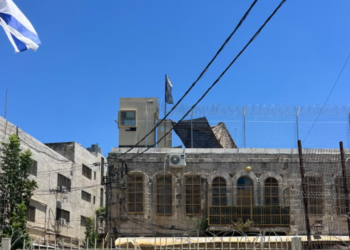
The extensive research process involved a meticulous review of numerous official financial documents. Analysts carefully examined various public and private records written in both English and Hebrew. This bilingual investigation revealed that the Kasner Charitable Trust funded another controversial religious school. This secondary institution operates within the highly contested and volatile Palestinian city of Hebron. Meanwhile, separate financial records showed that UK Toremet made significant donations to another group. They sent over thirty-eight thousand pounds to an organisation known publicly as Regavim.
Regavim is widely described by international observers as an extremist and pro-settler activist group. The organisation actively supports the systemic demolition of various Palestinian homes across the region. Because of these controversial activities, the European Union previously imposed strict sanctions against them. Furthermore, UK Toremet processes British currency donations through an online platform called Jgive. Through this digital portal, British donors can easily fund multiple controversial pro-settler organisations abroad. One such group is Shivat Zion Lerigvy Admata, which recently faced official British government sanctions.
In response to these serious allegations, representatives from UK Toremet defended their financial practices. A spokesperson stated that the Charity Commission previously found their operations fully legally compliant. They emphasized that all Jgive payments undergo rigorous and detailed internal due diligence checks. Grants are only approved if the projects align perfectly with recognised British charitable purposes. The spokesperson clarified that Shivat Zion Lerigvy Admata is not an approved funding recipient. They also stated the donation to Regavim was strictly for projects within pre-1967 borders.
The organisation added that Regavim is no longer recognized as an approved recipient either. Similarly, the Kasner Charitable Trust has previously defended its international financial contributions very clearly. Representatives stated that their specific donations were intended exclusively for legitimate educational purposes abroad. They also noted that these educational funds had been fully cleared by the commission previously. Despite these corporate defences, critics argue that such funding inherently supports broader illegal political goals. The debate raises profound questions about how charitable status is defined and regulated today.
Ward maintains that providing funds to these specific outposts violates domestic charitable regulations. She argues that supporting these settlements cannot be considered a genuine or lawful charitable activity. The lawmaker stated that these actions violate British policy and international legal consensus on settlements. This firm legal position is actively maintained by the United Nations and successive governments. The International Court of Justice has also repeatedly affirmed the illegality of these occupied settlements. Furthermore, the International Criminal Court is currently investigating these matters on grounds of war crimes.
The real-world impact of these charitable donations is felt deeply by residents on the ground. Palestinian-American citizen Yaser Alkam shared his personal experience regarding the ongoing violence in the region. Alkam lives in Turmus Ayya, a traditional village located within the occupied West Bank territory. He was violently attacked by settlers last year while attempting to harvest his olive trees. He stated that donating to these remote outposts directly harms the native Palestinian landowners. Alkam argued that British financial support provides the necessary resources for these crimes to flourish.
The Charity Commission is now facing immense pressure to deliver a definitive regulatory verdict. A spokesperson confirmed that the regulatory body is carefully considering these incredibly serious matters. They are actively reviewing the wider legal and compliance issues surrounding charities operating in Palestine. The regulator acknowledged that this situation represents an incredibly complex and highly contentious political issue. Therefore, the commission intends to take the necessary time to evaluate all evidence fully. The final outcome of this investigation could fundamentally reshape British charitable guidelines for foreign donations.
Related News:
 British skier killed in La Plagne avalanche tragedy
 China embassy London approval expected this week
 UK Presses On With Chagos Handover Despite Trump Criticism
 Shinzo Abe’s killer receives life sentence in Japan
 Sydney Protest Pepper Spray Clash During Herzog Visit
 UK Experts Raise Alarm Over Machinery Export to Armenian Firm
 UK suspends study visas for four nations to curb asylum
 DHS Probe Into Border Official Sparks National Debate
 Jordanian Arrested in Philippines Over Bondi Beach Terror Links
 Caffè Nero Warns Coffee Prices May Rise Again
 Ukraine war briefing: Zelenskyy offers help to Saudi Crown prince on combatting Iranian drones
 HMS Dragon to Head to Cyprus Amid Rising Tensions
 Starmer Praised for Stance on Trump and Iran Conflict
 Yvette Cooper: UK Must Follow Principles, Not US Pressure
 Inside the Deceptive Machine: A Former Producer Speaks Out
 Trump Facing Backlash Over Firing of Cabinet Women
 Trump Mocks Starmer and UK Carriers in White House Speech
 Gaza Child Arrives in UK for Life-Changing Care
 Melania Trump Denies Ties to Epstein and Ghislaine Maxwell
 Middle East Conflict Risks UK Food Supply Chains This Summer
 Arrests Made After Wembley Firebombing Attempt
 Trump Starts $166bn Tariff Refund Process
 Prominent Voices Challenge Palestine Action Ban
 UK Urged to Adopt ‘Trade Bazooka’ Against Tariff Threats
 BP Profits Surge Amidst Middle East Conflict Crisis
 Aukus Submarine Plan Faces Critical Failures
 World Cup Ticket Price Surge Leaves Many National Teams Stunned
 Fear and Betrayal: The Chilling Case of Kouri Richins
 Tragedy in the Maldives: Inside the Deep Sea Rescue
 US Ebola Case Sparks Urgent Global Screening Measures
 Washington Embassy Shake-Up as Senior Diplomat Departs
 Uefa Transforms Men’s Major Tournament Qualification
 UK Urged to Build EU Rejoin Consensus, Says Miliband
 Teaching Machines Right From Wrong in the Digital Age
 Steel Tensions Rise Between United Kingdom and European Union
 US Condemns ‘Two-Tier’ UK Policing After Student Murder
 US Slams ‘Two-Tier’ UK Policing After Nowak Murder
 Captain in the Spotlight: The Future of England Cricket
 One Year On: Air India Crash Survivor Demands Answers
 Tragedy in Pakistan Sparks Fury
 Russian Tanker Captain Remanded in UK Court After Channel Seizure
 Controversial London Property Show Sparks Legal Fury
 Kremlin-Backed Saboteurs Target UK Capital and State Democracy
 What Burnham in Number 10 Means for the Future of Britain
 AI Lawyer Triumphs in Landmark English Court Victory
 Scouts Introduce Badges For AI And Digital Skills
 Morocco Beat Dutch in Wild World Cup Penalty Drama
 EU Slashes Steel Quotas But Grants UK Favourable Rates
 Jamaica Demands Slavery Reparations From King Charles
 The Last Stand of English Cricket’s Greatest Partners
 UK Charity Funds Illegal Hebron Settlement Expansion
 Heartbreak After Surrogacy Sperm Mix-Up
 Fatal Bolton Taxi Crash Claims Three Teens and Driver
 Friedman Uninvited From 2024 Adelaide Writers’ Week
 ScottishPower Tops List of Worst UK Energy Suppliers
 Judi Dench Champions Fight to Save London’s Green Spaces
 Crowborough Camp Welcomes First Asylum Seekers
 BBC Funding Crisis: Tim Davie Warns of Jeopardy Ahead
 Artificial intelligence will cost jobs, admits Liz Kendall
 Older Women Vanish from BBC Screens, Review Confirms Bias
 Streeting moves on doctor pay to end strike dispute
 Send spending gap leaves deprived areas behind
 Hidden Crisis: Domestic Abuse Suicide Toll in UK
 UK Unemployment Rate Climbs to 5.2% Peak
 BBC World Cup Presenting Duties Shared Among Trio
 Wales Approves Assisted Dying Bill Consent
 CPS Updates Guidance on Honour-Based and Dowry Abuse
 Asylum Seekers to Work After Year-Long Wait
 New Zealand Covid Response Praised Despite Lingering Scars
 Inquiry into HMRC child benefit errors launched by NAO
 US Military Pacific Boat Strike Kills Three People
 UK Care Crisis: Row Explodes Over New Visa Settlement Rules
 Sainsbury’s Boss Optimistic As Grocery Inflation Eases
 Trump’s Mount Rushmore Speech: A Divisive Anniversary
 US Airman Avoids British Court in Indecent Exposure Case
 Trump Swaps Planes Amid Iran Tensions
 Ann Widdecombe, Formidable Political Figure, Dies at 78
 UK Schools Struggle as Classrooms Top 40C
 Yemen Accuses Iran of Violating National Sovereignty
 Houthis Strike Saudi Arabia as Middle East Tensions Rise