Published: 11 June 2026
The English Chronicle Desk
The English Chronicle Online
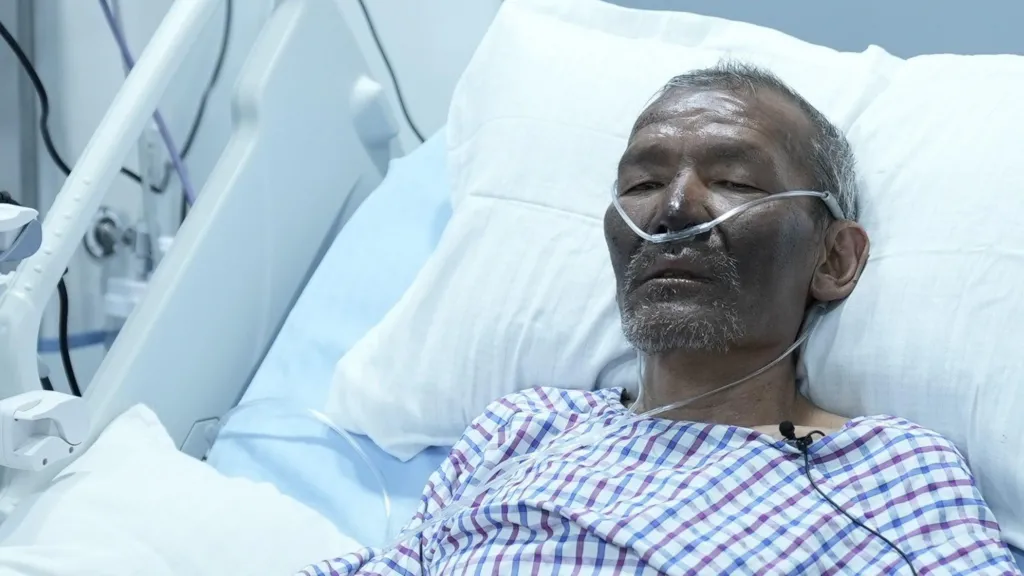
A high-altitude climbing guide who survived a near-fatal incident on Mount Everest has sparked renewed scrutiny of safety practices in the Himalayan tourism industry after details of the ordeal emerged.
The guide, who was reported missing during a commercial expedition, was later found alive in what rescuers described as extremely harsh and life-threatening conditions.

The circumstances of the survival have been described by fellow climbers as “extraordinary”, with initial reports suggesting exposure to severe weather, altitude-related complications and delays in rescue response.
The incident has prompted questions about risk management procedures, guide-to-client ratios and emergency preparedness on one of the world’s most dangerous climbing routes.
Mountaineering experts say Everest expeditions have become increasingly commercialised in recent years, leading to higher traffic on climbing routes and growing pressure on logistical and safety systems.
Tourism operators in Nepal are facing renewed calls to review safety protocols, including oxygen supply standards, weather monitoring systems and evacuation planning for high-altitude emergencies.
Authorities responsible for regulating climbing permits have said they will examine the circumstances surrounding the incident to determine whether any procedural failures occurred.
The survival story has also reignited debate over the balance between tourism revenue and safety in Nepal’s vital adventure tourism sector.
Climbers and expedition organisers argue that while Everest remains a highly challenging environment, improved technology and forecasting tools should reduce the number of preventable incidents.
However, critics warn that increasing numbers of inexperienced climbers attempting the ascent may be contributing to higher risks on the mountain.

The guide’s recovery is ongoing, and medical professionals continue to monitor his condition following the incident.
Further assessments are expected as authorities and industry representatives review safety practices for future climbing seasons.
Check Out Our Latest News At>>
Related News:
 Man killed in shark attack on Great Barrier Reef
 Two Britons Among Three Dead in French Alps Avalanche
 Cuban Cigar Festival Cancelled Amid US-Linked Energy Crisis
 Jet2 Hands Passengers Life Ban After Mid‑Air Brawl
 Dual Nationals Face Scramble for UK Passports as New Rules Come Into Force
 Inland Australia Town Turns Streets into a Beach for Volleyball Contest
 Major 7.1 Earthquake Strikes Off Malaysian Tourist Coast
 Brit Killed in Horror Bus Crash as 18 Others Die and 25 Injured
 Storm Hernando: Edinburgh Airport Flights Cancelled in US Travel Chaos
Storm Hernando: Edinburgh Airport Flights Cancelled in US Travel Chaos
Storm Hernando: Edinburgh Airport Flights Cancelled in US Travel Chaos
 ‘Burned and Destroyed’: Locals and Tourists Describe Mexico Unrest
 Probe After Illness Kills 72 Tigers in Thailand
 More Than 5,000 Flights Cancelled as US East Coast Digs Out of Record Snow
 BTS comeback show sells out immediately as 260,000 fans set to descend on Seoul
 UK’s New Travel System: What It Is and How Dual Nationals Are Impacted
 Middle East Airspace Crisis Strands Thousands
 Flights Cancelled and New Travel Warnings Issued After Iran Strikes
 Islanders Advised on Travel to Middle East Amid Escalation
 Australian GP Confident Amid Travel Disruption
 Limited Flights Leave UAE But Disruption Continues Amid Iran Strikes
 The Little‑Known ‘Serengeti of South America’ Revealed
 U.S. Tells Citizens to Leave Israel Now as Regional Conflict Escalates
 First Wave of Europeans Stranded by Iran Conflict Return Home, With Hundreds of Thousands Still Left in Region
 UK Government’s First Repatriation Flight to Leave Middle East, More Planned
 Passengers on Dubai‑Dublin Flight ‘Never So Happy to Be Home’
 Boy, 12, Home After Being Stranded in Middle East
 Israel and Iran Launch New Strikes as First UK Flight Bringing Citizens Home Is Delayed
 ‘Holiday From Hell’ Leaves UK Couple Stranded in Thailand
 My One-Hour Flight Transfer Left Me Facing 10 Days Stuck in a City Under Attack
 Air India Express Plane Damaged in Chaotic Landing at Phuket Airport
 I’ve Lived in a French Village for 35 Years. This is Why They are So Special.
 Euston’s Easter Silence: Major Rail Shutdown Paralyzes West Coast Main Line
 Easter Travel Chaos: M1 Near Luton Airport Shut After Serious Collision
 EU Biometric Border Checks Delayed for UK Travellers
 Paradise Aground: Cruise Ship Evacuated After Striking Reef Near ‘Cast Away’ Island
 The Outback Squeeze: ‘Out of Control’ Diesel Prices Threaten Australia’s Freight Arteries
 Grounded: Lufthansa Slashes 20,000 Summer Flights as Fuel Crisis Bites
 Two Dead in Adelaide Airport Plane Crash Fire
 Border Chaos: UK Travellers Face Massive EU Delays
 “A Summer of Consolidation”: Government Triggers Emergency Flight Rules as Jet Fuel Crisis Looms
 “The Floating Fever”: WHO Confirms Second Hantavirus Case as Cruise Outbreak Death Toll Reaches Three
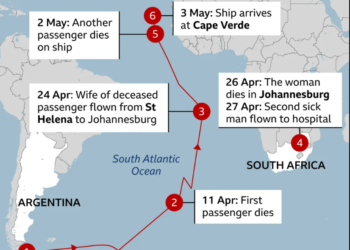 The Quarantine Crossing”: Hantavirus-Hit MV Hondius Bound for Canary Islands After Deadly Outbreak
 “The Ghost Galleon”: Hantavirus-Hit Cruise Ship Bound for Tenerife After High-Stakes Evacuations
 “The Sky Gaps”: ‘Turbulent’ Geopolitics and Storm Damage Force Temporary Flight Halts
 “The Window-Seat Office”: Working Life on the ‘Most Scenic Railway Line in the World’
 “The Porthole Prison”: Passengers Reveal Life Inside the ‘Clinical Silence’ of the Hantavirus-Stranded MV Hondius
 “The Mirage of Stability”: Gulf Economies Face Long-Term ‘Resilience Deficit’ from Iran Conflict
 “Not a New Pandemic”: UN Health Agency Calms Global Fears Over ‘Nasty’ Hantavirus Cruise Outbreak
 Bad Weather Threatens Hantavirus Cruise Ship Evacuation
 Search Intensifies for Missing Hiker on WA Bibbulmun Track
 “A Smear Campaign”: Ushuaia Officials Deny ‘End of the World’ is Source of Hantavirus Outbreak
 “Repatriation Scare”: French National Develops Symptoms on Flight from Hantavirus-Hit Cruise Ship
 “The End of the Towel War?”: How Hotels are ‘Clinically’ Stopping the Sunbed Dash
 Australia Welcomes the Iconic Michelin Guide
 France Quarantines Cruise Ship After Suspected Virus Death
 Essex valley emerges as rising English wine hub
 Thailand Tightens Visa Rules to Curb Tourist Misbehavior
 Can World Cup Hosts Overcome Deep Divisions?
 Everest Climber Recalls Guide’s Six-Day Survival
 Nearly 50 Die of Thirst in Sahara Desert
 Families Grieve Beyond Air India Crash Victims
 Iran Team Arrives in Mexico Amid US Visa Dispute
 Spain Tourism Surges as Travellers Avoid Middle East
 Spain Sees Tourism Boom as Travellers Shift Away From Middle East
 BBC to Apologise Over Edited Trump Speech Amid Backlash
 Greene Pushes Epstein Files Amid Trump Fallout
 Zelenskyy Signs Fighter Jet Deal Amid Russian Drone Attacks
 Civilian Deaths in Iran Pass 700 Amid Fear of Bombs and Regime Clampdown
 ‘Every Day Feels Like a Month’: Iranians Describe Life Under ‘Constant’ US‑Israeli Strikes
 Penny Wong silent on Australian crew in sub strike
 Finland Plans to Lift Decades‑Old Ban on Hosting Nuclear Weapons
 Trump Pressures Congress Over Save America Act
 Iran War Puts Trump at Political Risk Amid Rising Prices
 Goma Drone Attack Kills Three as Conflict Escalates
 Pope Meets Families in Italy Toxic Waste Zone
 UN Issues Urgent Warning: Imminent Return of El Niño
 Israel, Lebanon Agree on Fragile Ceasefire Deal
 UK Faces Most Dangerous Era, Military Chief Warns
 Fans Bring Flags and Fire to World Cup Scenes
 Israel Strikes Iran After Missile Attack