Published: 11 June 2026
The English Chronicle Desk
The English Chronicle Online
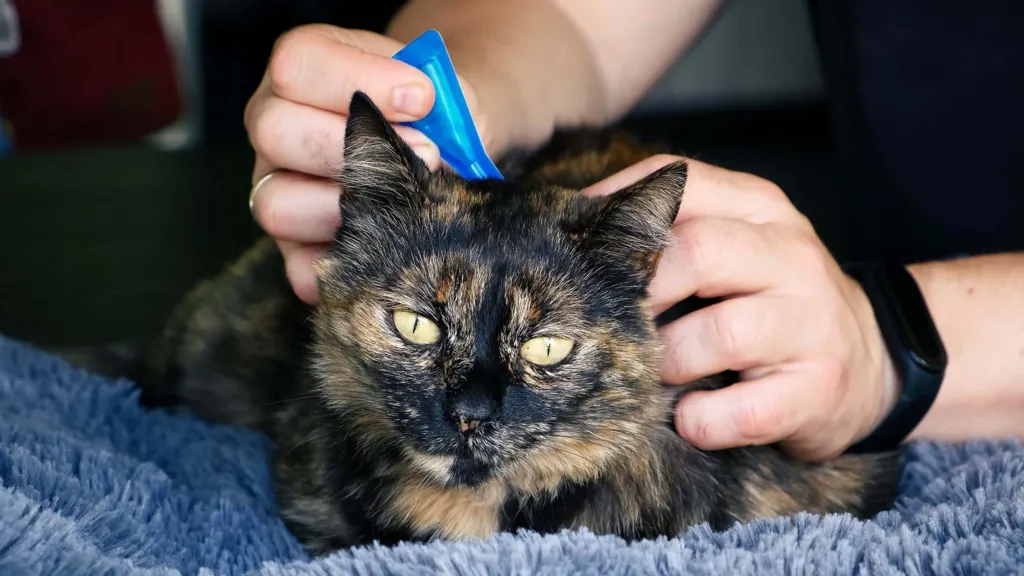
Veterinary professionals have called for restrictions on the sale of over-the-counter flea treatments for pets, arguing that stronger controls are needed to ensure animal safety and improve the effectiveness of parasite management.
The proposal comes amid growing concerns about the misuse of flea-control products, including incorrect dosing, inappropriate application and the use of treatments that may not be suitable for certain animals.

Veterinarians say some pet owners purchase products without professional guidance, increasing the risk of adverse reactions and reducing the likelihood of successful treatment.
Animal health experts also point to concerns about environmental impacts associated with some flea-control chemicals, which can enter waterways and affect wildlife ecosystems.
Supporters of tighter regulations argue that requiring veterinary oversight would help ensure pets receive treatments tailored to their age, weight, health condition and specific needs.
Consumer advocates, however, have raised concerns that restricting access could increase costs for pet owners and make routine parasite prevention less convenient.
Veterinary organisations maintain that professional consultation can improve treatment outcomes while reducing the risk of misuse and unnecessary exposure to chemicals.
Fleas remain one of the most common parasites affecting cats and dogs, causing irritation, allergic reactions and, in some cases, transmitting diseases or secondary infections.
Pet welfare groups have encouraged owners to seek advice from qualified professionals when choosing parasite-control products and to follow usage instructions carefully.
Industry representatives are expected to participate in discussions regarding any future regulatory changes, with debates likely to focus on balancing accessibility, affordability and animal welfare.

Experts stress that regular preventive care remains an important part of responsible pet ownership and can help protect both animals and households from infestations.
The proposal is expected to generate significant discussion among veterinarians, regulators and pet owners as authorities consider potential changes to current sales rules.
Check Out Our Latest News At>>
Related News:
 Illegal Skin Lightening Cream Being Sold in UK Butchers, Watchdog Warns
 Adoption Breakdown Ended My Career and Relationship – ‘We’re Told to Get On With It’
 Mystery GP on Train Saves Passenger’s Life
 ‘A Disgrace’ — Patient Blasts Neurology Report
 The Surprising Power of Daily Rituals
 ‘I Almost Died After a Touch‑and‑Go C‑Section’
 Vegetarian Diet Linked to Lower Risk of Several Cancers
 ‘It’s Joy in a Pot’: Why Houseplants Could Make You Happier
 Water Cremation Introduced in UK First
 I Met the Man Who Murdered My Identical Twin. What He Told Me Brought Me Peace
 Scots Firefighter Cycles 800 Miles for MND Charity
 Woman, 29, ‘Chucked’ Into Care Home 100 Miles Away
 Why Every Culture Has a Healing Broth
 Father Dies by Suicide Weeks After Wedding in Clitheroe
 SNP Health Secretary Criticised Over NHS Failures Locally
 Scotland Combines Alcohol and Drug Strategy to Cut Addiction Deaths
 Dad Delivers Baby After Midwife Flees During High‑Risk Labour in UK
 Mother of Child Cancer Survivor Fears UK Visa Changes
 Schnauzer Travels 140 Miles for Life-Saving Spinal Surgery
 Horror in the Outback as Crocodile Kills World-Renowned Doctor
 Mother’s Heartbreak as Son Traumatised by Friend’s Sexual Abuse
 Brain-Damaged Scot ‘Stuck’ in Hospital at Centre of Police Probes
 ‘A Living Nightmare’: Parents of Vaccinated Teenager Speak Out After Rare Meningitis B Battle
 The High Cost of Survival: How the 2026 Fiscal Outlook is Redefining British Life
 Safety Fears at New £200m Maternity Unit: Mums-to-Be ‘Put at Risk’
 ‘Ripple of Fear’: Iran War Fears Sink UK Consumer Confidence to 11-Month Low
 Fuel Famine: How African Nations are Rationing Power and ‘Diluting’ Petrol to Survive
 ‘My Daughter is Under the Rubble’: The Human Cost of the Tehran Strikes
 Parents Warned Against Letting Children Cuddle Lambs Following Infection Spike
 Rising Bills and Public Services: The Real Cost of Council Tax
 ‘Look After the Children’: The 84-Year-Old Widower Fighting a Broken Care System
 ‘The Best Decision I Ever Made’: A Mother’s Viral Plea After a Near-Miss with Lung Disease
 High-Rise Rescue: The Dramatic Recovery of a Stranded Peregrine Falcon
 The Miracle of Phoenix: ‘Half Dead’ Rescue Dog Defies the Odds in Worcestershire
 The Hidden Hurdle: Breaking the Silence on Athletic Incontinence
 The Friendship Friction: Would You Call Out Your Friend’s Toxic Behaviour?
 The Sofa Sanctuary: Llantwit Major Family Living in ‘Disgusting’ Rat Infestation
 Near-Miss Tragedy: 11-Year-Old Injured After Found Gun Discharges
 The Price of Help: Fuel Surge Threatens Charitable ‘Power Plant’
 Heroism on the Platform: Strangers Save Youth After Seizure on Train Tracks
 Toxic Trail: Dog Owners Warned Over ‘Vile’ Poisoned Meat Found in Parks
 Turning Point: Britney Spears Enters Rehabilitation Following DUI Incident
 The Spectrum of Wit: All-Autistic Comedy Line-up Breaks ‘Seismic’ Ground
 The Wheels of Hope: Charity Delivers ‘Seismic’ Joy Through Specialized Bikes for Children with Cancer
 The Waiting Ward: ‘Month of Worry’ as Doctor Strikes Trigger Seismic Surgery Delays
 Rights and Respect: Nurse Wins Legal Settlement Over Transgender Pronoun Dispute
 The Pouch Peril: Dental Experts Probe the ‘Seismic’ Impact of Nicotine Pouches on Oral Health
 Accountability in Care: Nurse Struck Off Following ‘Seismic’ Failure to Administer Medication
 ‘A Walking Miracle’: UK’s Youngest In-Utero Transfusion Patient Celebrates Recovery
 ‘The Cost of a Life’: Air Ambulances Fear Fuel Spikes May Force Operational Grounding
 The Price of Safety: Why Parents are Quitting Careers to Manage Child Food Allergies
 NHS Safety Fears as Nurses Cover Doctor Gaps
 A Nation in Flux: UK Healthy Life Expectancy Plummets to Record Lows
 The “Cancer Commute”: Patient Warns of Breaking Point Over 40-Mile Treatment Trek
 Escobar’s Hippos May Be Moved to India Zoo
 Man Opens Up on Cleft Lip at 60 in Emotional Journey
 “A Death Sentence for Levi”: Family Speaks Out on the Aftermath of Sexual Violence
 “Adult Trends” for Children: Mum’s Viral Horror at “Sexualised” Swimwear in Major UK Retailer
 Robotic Revolution: UK Surgeons Complete First “Fully Autonomous” Abdominal Procedure
 “The Weight of the Nation”: Campaigners Demand Overhaul of “Fragmented” Eating Disorder Care
 “Invisible Agony”: 98-Year-Old Woman Left in “Severe Pain” for Days Amidst Care Backlog
 The “Time Tax” of Memory: Why Dementia Care is the Ultimate Test of UK Resilience
 “Fear is a Choice”: The 80-Year-Old Great-Grandmother Defying the “Dopamine Desert”
 The “Dementia Deficit”: Why 2026 is the Breaking Point for UK Social Care
 Precision Without the Scalpel: UK Team Reaches “New Frontier” in Robotic Abdominal Surgery
 Florida Surgeon ‘Devastated’ Over Fatal Surgery Error
 “The Invisible Threat”: Understanding UV Indices and Building Your Personal Defense Strategy
 “The Cool Oasis”: Expert-Backed Strategies for Achieving Restful Sleep During Intense Heat Waves
 Pope Meets Families in Italy Toxic Waste Zone
 Everest Climber Recalls Guide’s Six-Day Survival
 Emergency Caesareans Rise Across England
 ‘Epilepsy Makes Finding Work Much Harder’
 Co-Housing Grows as People Battle Loneliness
 Ancient Method Turns Food Waste Into Meals
 Family Says Heatwave Drownings Reopen Grief
 Woman Warns of Lifelong Damage From Ketamine
 Signs of Recovery Emerging for Young People
 Who Is NHS Nurse Harriet Sperling, the Newest Royal Connection?
 “My Drinking Days Are Over” — How to Enjoy an Alcohol-Free World Cup
 Harriet Sperling: The NHS Nurse Drawn Into the Royal Spotlight