Published: 16 June 2026. The English Chronicle Desk. The English Chronicle Online.
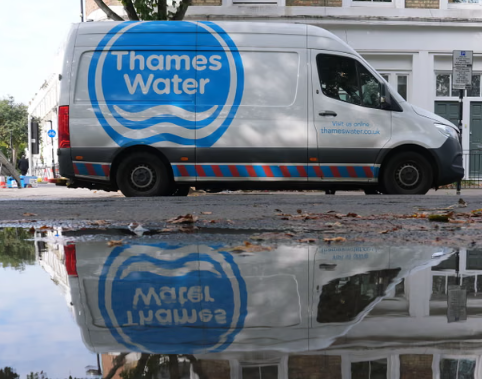
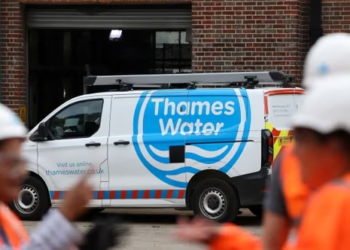
The United Kingdom government has officially intervened in the ongoing financial crisis gripping Thames Water. The environment secretary has formally objected to a proposed ten billion pound private rescue package. This dramatic intervention has significantly increased the probability of public ownership for the utility giant. Ministers believe the current restructuring plan places an unacceptable burden on British household consumers. The decision signals a major shift in how the state manages essential infrastructure.
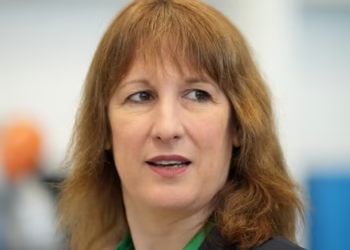
Emma Reynolds wrote to the industry regulator Ofwat on Monday to outline her concerns. The environment secretary is highly worried that everyday customers will ultimately lose out financially. Government insiders suggest the rescue proposal would inevitably lead to severely reduced performance standards. There are also deep fears regarding extensive delays to vital infrastructure improvements across the network. The state appears increasingly willing to consider a historic intervention to protect public interests.
Ofwat had previously been close to finalizing a major deal with the company’s creditors. Under that arrangement, the struggling supplier would avoid new fines over ongoing sewage leaks. This controversial immunity from penalties was scheduled to last for a total of four years. In return, the creditors promised a substantial cash injection to stabilize the business operations. Those private creditors would then assume complete ownership control of the troubled utility company.
Reynolds spoke decisively on Tuesday regarding the persistent issues facing the water sector. She stated that Thames Water customers have been let down for far too long. The secretary highlighted fifteen years of chronic underperformance and increasing levels of serious pollution. She emphasized that consumers have been consistently left to pick up the expensive bill. Her letter to Ofwat reflects a profound skepticism towards the proposed private sector solution.
The government remains fully prepared for any potential outcome regarding the company’s future. Reports indicate that Reynolds is deeply concerned about the immediate financial impact on households. The Times newspaper first reported these official ministerial concerns regarding the massive rescue package. Political pressure has been mounting rapidly on the government to take a tougher stance. A large group of politicians has now demanded immediate and decisive state intervention.
On Tuesday, over one hundred members of parliament signed a highly critical open letter. This group included forty-two Labour politicians demanding the rejection of the creditor proposals. The politicians explicitly called on Ofwat to bring Thames Water into special administration. Special administration represents a form of temporary nationalisation designed to maintain essential public services. This political consensus shows growing appetite for radical reform within the water sector.
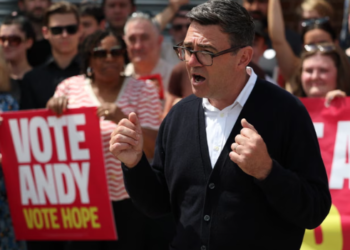
Prominent regional leaders have also entered the debate surrounding the future of utilities. Greater Manchester Mayor Andy Burnham recently stated that nationalisation should absolutely be an option. Burnham is currently campaigning as a Labour candidate in the high-profile Makerfield byelection. He has consistently argued for much greater public control over all private water companies. The high-profile politician has aligned himself with prominent environmental campaigners across the country.
Burnham recently met with former Undertones frontman Feargal Sharkey to discuss the ongoing crisis. Sharkey has become a leading national advocate for the complete renationalisation of water. The campaign has gained significant momentum due to widespread anger over river pollution. Thames Water currently serves approximately sixteen million people across London and southern England. The vast scale of the company makes its potential collapse a national emergency.
The company was originally privatised under the Conservative government of Prime Minister Margaret Thatcher. Since that historic privatization, successive private equity owners have heavily leveraged the utility business. These private owners have loaded the company with over seventeen billion pounds of debt. This immense financial burden has pushed the vital utility company close to total collapse. Many analysts believe the current corporate model is completely unsustainable for the future.
If the government approves the rescue deal, Elliott Investment Management would gain control. This powerful hedge fund is directed by the prominent American billionaire investor Paul Singer. Elliott is a leading member of a financial consortium named London and Valley Water. This influential investment consortium also includes Silver Point Capital, BlackRock, and M&G. The group of hedge funds wants to execute a multi-billion-pound corporate restructuring.
The financial consortium immediately pushed back against the critical remarks made by the government. A spokesperson confidently asserted that their plan represents the fastest route to improvement. They claimed the proposal would deliver better outcomes without requiring any taxpayer funding. The consortium insists that alternative options would offer significantly worse results for the environment. They also stated that bills would not rise beyond previously agreed regulatory limits.
However, trade unions have expressed immense relief at the government’s skeptical official response. Representatives from the GMB union welcomed the recognition that the deal helps nobody. Activists argue that temporary nationalisation is insufficient to solve the deep-seated structural issues. They believe full renationalisation is the only way to end this corporate farce permanently. The union is demanding long-term security for both water workers and British consumers.
A spokesperson for Thames Water stated they will continue working with all relevant parties. The company remains committed to reaching an agreement that ensures long-term financial stability. Management strongly believes that a market-led solution is the best path forward for everyone. They argue this approach ensures uninterrupted delivery of their largest infrastructure upgrade project. The company is facing immense pressure to resolve its funding crisis very quickly.
Thames Water has been battling against total financial collapse for over two years now. Executive bosses tried to sell the company last year to raise essential capital. Their preferred bidder, KKR, unexpectedly pulled out of the deal at the last minute. That sudden withdrawal left the utility company in an incredibly precarious financial position. The government was initially expected to approve the takeover proposal sometime this summer.
The utility provider is fast running out of cash to fund daily operations. Experts have warned that the company faces complete collapse within months without new funding. Under the proposed deal, the consortium would inject over three billion pounds of equity. They would also add over six billion pounds of brand-new corporate debt. However, Thames Water must also pay massive fees to its various creditors.
The struggling supplier would reportedly be responsible for millions of pounds in advisory fees. This includes one hundred and sixty million pounds specifically earmarked for professional fees. Furthermore, the company owes nearly three hundred million pounds in accrued interest to creditors. These staggering costs have raised serious questions about the viability of the private plan. The final decision now rests with regulators and the skeptical environment secretary.
Related News:
 Reeves Faces Setback as Labour May Miss Homes Target
 Trump’s UK Ambassador Urges North Sea Drilling to Strengthen US Ties
 ABF May Split Primark from Food Division Amid Tough Market
 M&S Profits More Than Halve After Cyber-Attack
 Tony Blair think tank warns Rachel Reeves must cut taxes if manifesto broken
 Oprah enjoys Meghan’s jam on English muffins
 Millionaires group urge Reeves to introduce wealth tax to ‘lift kids out of poverty’
 UK toy market enjoys bumper year as ‘kidults’ fuel demand
 Global markets drop amid tech sell-off and China slowdown
 PM Highlights UK Business at G20 in South Africa
 Mossmorran Plant Closure Hits Cowdenbeath Hard
 UK Taskforce Unveils Plan to Streamline Nuclear Reactor Rules
 Steel billionaire Lakshmi Mittal reportedly leaves UK
 Starmer Says Labour’s Economic Plan Needs Years to Deliver
 Virgin Media Fined £23.8m Over Telecare Safety Failures
 Rising Water Bills Lift Troubled Thames Back to Profit
 Sainsbury’s CEO leads business honours in New Year list
 Starmer Faces Parliamentary Battles Over UK-EU ‘Reset’ Plan
 Phoenixism Costs UK Taxpayers Millions in Recruitment Sector
 ScottishPower Tops List of Worst UK Energy Suppliers
 City & Guilds pay surge sparks backlash amid £22m cuts
 UK Government Borrowing Drops to £11.6bn in December
 AI job losses UK: Britain faces sharper employment shock
 Most young adults in UK fear uncertain jobs and economic future
 Royal Mail delivery delays affect 16 million during Christmas
 UK Housing Market Shows Early Recovery Signs
 UK economy struggles as growth stalls at 0.1% in late 2025
 Bank of England Urged to Cut Rates to Spur Growth
 UK Unemployment Rate Climbs to 5.2% Peak
 UK shelves £110m border project amid trade strain
 UK Inflation Surprise Sparks Early Rate Cut Hopes
 Progress on gender equality at top UK firms ‘achingly slow’
 Strong Rebound for UK Housing Market Sees 6% More Homes
 Reeves Must Back Defence Plan or Face Dismissal, Says Unite Chief
 Doom Bar Closure Stuns Cornish Brewing Fans
 Switching Energy Deal Can Save £200 as Price Cap Falls
 OBR Reform Row Deepens Before Spring Forecast
 UK Hotel Data Sharing Probe Shakes Global Chains
 Rachel Reeves Faces Middle East Conflict Test
 Grocery Inflation Rises Amid War Fears
 Peak Greggs fears as profits tumble sharply
 BrewDog sold Highland estate for knockdown price after abandoning reforestation plans
 Yorkshire Water Funding Sparks Debate Amid Fines and Pay Row
 John Lewis bonus returns after four years as profits rise
 New £10bn rescue plan offered for Thames Water
 UK Energy Reform Could Cut Bills by £200
 Rising Costs Force Families to Rethink Days Out
 Hospitality Sector Teeters on Brink as Costs Surge
 Iceland Boss Offers Role to Sacked Waitrose Employee
 Student Loan Interest May Rise Despite 6% Cap
 Aegon Sells Historic UK Arm to Standard Life for £2bn
 Major Housebuilder Cuts Land Buying Amid Global Unrest
 UK Staycations Rise as Travel Fears Grow
 City & Guilds Sale Sparks Fees and Pay Uproar
 Silent Tracks: Rail Line Without Passengers
 Heathrow Chair Seeks Peace to Save Third Runway
Carillion Executives Banned After Reckless Misconduct
Heathrow Chair Seeks Peace to Save Third Runway
Carillion Executives Banned After Reckless Misconduct
 Lotus Boss Pledges Future to Norfolk and Seeks State Support
 Millionaires Back Higher Taxes to Save UK Public Services
 UK Firms Freeze Spending as Iran Conflict Bites
 Summer Shock: British Energy Bills Set for Grim July Hike
 Reeves to Fast-Track Clean Energy Amid Iran Crisis
 M&S Boss Slates Food Price Caps as ‘Preposterous’
 Tube Strike Brings Capital to a Standstill Over Shift Disputes
 Tube Strike Brings Capital to a Standstill Over Shift Disputes
 BP Stands Firm on Amanda Blanc Amid Boardroom Storm
 UK House Prices Drop For Third Month Due To War Fears
 Top Chefs Back Andy Burnham to Save UK Hospitality Sector
 UK Steel Crisis: Jingye Demands Payout After Takeover
 Flutter to Cancel London Stock Exchange Share Listing
 AI Scams Push UK Investment Fraud Past £220m
 John Lewis Invests £20m in Glasgow Store Upgrade
 Tesco Sales Growth Halves as Middle East Conflict Bites
 Andy Burnham Enlists Economic Heavyweights for Leadership Bid
 Tories Clinch Shock Victory in Aberdeen South Byelection
 Rethinking the Blueprint for Youth Employment in Britain
 Sainsbury’s Boss Optimistic As Grocery Inflation Eases
 UK Households Suffer Squeeze As Disposable Incomes Drop
 Bank of England Eases Rules Despite Rising AI Risks
 BBC Faces Real Jeopardy as Licence Fee Income Declines