Published: 17 June 2026. The English Chronicle Desk. The English Chronicle Online.
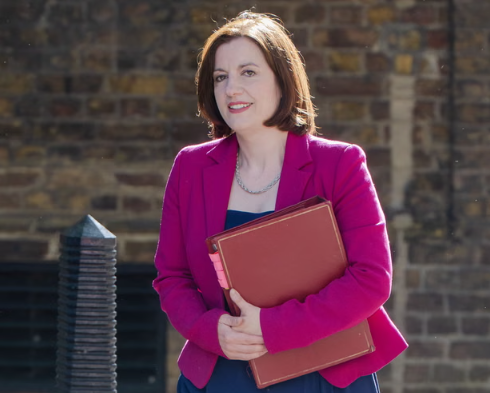
The British government is preparing to issue a formal state apology to the thousands of individuals whose lives were permanently fractured by historic forced adoption practices. Education Secretary Bridget Phillipson confirmed this momentous decision during an appearance before the parliamentary education select committee. Addressing members of parliament on Wednesday afternoon, she described this dark chapter of British social history as an deeply shameful period. The announcement represents a profound shift in the official stance of Westminster regarding a system that systematically separated unmarried mothers from their newborn children. While the precise timing remains unconfirmed, the Prime Minister is expected to deliver a comprehensive address on the matter very soon.
For decades, survivors of these coercive practices have campaigned tirelessly for official recognition of their immense suffering. Phillipson acknowledged this enduring pain directly during her opening remarks to the cross-party committee of lawmakers. She assured the committee that all those affected would finally receive the apology they so profoundly deserve. The education secretary emphasized that the upcoming statement would reflect the gravity of the systemic failures that occurred. This commitment marks a significant departure from previous government responses, which stopped short of assuming full state responsibility. The announcement has been met with emotional relief from survivor networks, who have long sought this validation.
The decision follows a series of damning reports detailing the scale of the crisis. The education select committee had previously published a comprehensive study demanding an immediate and formal public apology. That report argued that an official statement was essential to correct the historical record effectively. It also emphasized that an apology would help reduce the psychological burdens carried by mothers and adoptees. Lawmakers urged ministers to make an initial commitment and collaborate closely with survivor groups on the wording. Phillipson’s announcement fulfills that primary recommendation, signaling a new era of transparency and historical accountability.
Between the late nineteen forties and the mid nineteen seventies, the social landscape was starkly different. Statistics show that an estimated one hundred and eighty-five thousand babies were taken from unmarried mothers. These forced removals occurred across England and Wales due to intense societal pressure regarding illegitimacy. A pervasive culture of shame surrounded any pregnancy that occurred outside the traditional bounds of marriage. Young women faced overwhelming condemnation from their families, employers, and wider social circles during this era. This hostile environment left expectant mothers exceptionally vulnerable to institutional pressure and systemic coercion.
The infrastructure supporting these forced adoptions was vast and deeply embedded within British society. Religious organizations ran the vast majority of the mother and baby homes across the nation. Pregnant women were routinely sent to these secluded institutions to give birth away from public view. Charitable organizations and local government authorities were also heavily involved in funding these specific placements. These institutions took responsibility for finding adoptive parents, often before the child was even born. Mothers frequently reported being forced to sign consent forms under intense duress without legal advice.
The historical timeline reveals that other home nations acted much faster than the central government. The Welsh and Scottish governments both delivered formal, moving apologies for forced adoption practices in twenty-three. Furthermore, the head of the Catholic Church in England and Wales issued an apology in sixteen. These regional and institutional statements increased the pressure on Westminster to address its own historical role. Survivors argued that the lack of a centralized state apology created a glaring geographical disparity. The upcoming announcement aims to rectify this imbalance and provide uniform recognition across the entire United Kingdom.
International precedents have also influenced the ongoing debate surrounding historical adoption practices in Great Britain. Both Ireland and Australia have previously introduced comprehensive financial compensation schemes for affected families. These nations paired their official apologies with tangible support systems to aid long-term psychological recovery. British survivor groups have frequently pointed to these international examples during their lobbying efforts. They argue that words must eventually be accompanied by practical resources to assist ageing mothers. The current government announcement has focused primarily on the apology, leaving funding questions open.
The emotional weight of the parliamentary inquiry was highlighted by committee chair Helen Hayes recently. She stated that hearing testimonies from survivors was one of her most moving parliamentary experiences. Hayes described how historical forced adoption practices coerced vulnerable mothers during their most difficult moments. She noted that these institutional actions caused unimaginable trauma that cascaded down through multiple generations. The profound and often devastating impacts on the adopted children themselves continue to be felt today. Many families spend decades searching for answers and attempting to heal these deep emotional wounds.
The path to this official government apology has been long and fraught with political resistance. A key report by the joint committee on human rights in twenty-two initiated the modern push. That specific inquiry recommended that ministers apologize to unmarried women who were systematically railroaded into adoptions. The response from the Conservative administration at that time was viewed by many as highly inadequate. The previous government offered an expression of sorrow on behalf of society rather than the state. They argued that a formal state apology was inappropriate because authorities did not actively direct practices.
This distinction between societal pressure and state responsibility has been a major point of contention. Activists have consistently argued that local authorities were actively complicit in organizing the adoptions. The involvement of public funding and statutory social workers firmly links the state to these historical injustices. By promising a full apology on behalf of the state, the current government accepts this argument. This shift represents a crucial legal and moral victory for the women who felt abandoned. It acknowledges that public institutions failed in their fundamental duty of care toward vulnerable citizens.
The forthcoming statement by the Prime Minister is expected to be a historic moment. Survivor groups are currently being consulted to ensure the language used is respectful and accurate. The wording must balance historical facts with a deep sense of empathy for the victims. Experts suggest that a successful apology must explicitly acknowledge the coercion and systemic cruelty involved. It must also recognize the lifelong grief experienced by mothers who never forgot their children. For many survivors, this official recognition is the first step toward true personal peace.
As the nation awaits the formal address, the focus turns to the future of adoption services. Modern adoption practices in the United Kingdom are drastically different from those of the mid-twentieth century. The contemporary system prioritizes the safety and well-being of the child above all other considerations. Human rights legislation now provides robust protections that prevent the coercive practices of the past. However, the shadow of historical injustices continues to influence public perceptions of social work. The state apology is seen as necessary to cleanse the institutional record moving forward.
Ultimately, this development underscores the power of persistent campaigning by ordinary citizens over many decades. Many mothers passed away before seeing their suffering officially acknowledged by the British government. For the remaining survivors, the announcement brings a mixture of relief and bittersweet reflection. The English Chronicle will continue to monitor developments as the Prime Minister prepares his address. This upcoming state apology will finally validate the painful truths that thousands have carried silently. It marks a vital moment of national reflection on a deeply troubling period of history.
Related News:
 Reeves Faces Setback as Labour May Miss Homes Target
 Kate Winslet to Narrate Film Highlighting King’s Environmental Mission
 Trump’s UK Ambassador Urges North Sea Drilling to Strengthen US Ties
 UK Bans Fake Numbers: Scammers Lose Their Trick
 M&S Profits More Than Halve After Cyber-Attack
 Patients to Test Health at Home to Ease NHS Winter Pressure
 Millionaires group urge Reeves to introduce wealth tax to ‘lift kids out of poverty’
 Reeves rejects £1bn plea for NHS redundancy payouts
 Northern Lights may illuminate UK skies this week
 PM Condemns Leaks, Vows Loyalty to Ministers and Stability
 Major Rent Reform Ends No-Fault Evictions in England
 Stroke Patient Mistaken for Drunk, Care Delayed
 Inside the Helpline Protecting Missing Children in the UK
 Boots Showstopper Beauty Bundle Outshines Many Advent Calendars This Holiday Season
 PlayStation PS5 Deals Hit Lowest Prices Ahead of Black Friday
 Five-Year-Old Dies After Rare Tonsil Surgery Complication
 Starmer Says Labour’s Economic Plan Needs Years to Deliver
 UK unemployment rises to four-year high of 5.1% before budget
 Wiltshire Police Use Lasso to Catch Rampaging Village Goat
 Coasting Drinks: The Trend Redefining Alcohol Enjoyment This New Year
 Rising Hate Crimes Threaten Safety on UK Public Transport
 Starmer Faces Parliamentary Battles Over UK-EU ‘Reset’ Plan
 Met Police Vetting Failures Let Serial Rapists Remain
 Google Employee Claims Redundancy After Harassment Report
 Fatal Bolton Taxi Crash Claims Three Teens and Driver
 ScottishPower Tops List of Worst UK Energy Suppliers
 Judi Dench Champions Fight to Save London’s Green Spaces
 Crowborough Camp Welcomes First Asylum Seekers
 BBC Funding Crisis: Tim Davie Warns of Jeopardy Ahead
 Artificial intelligence will cost jobs, admits Liz Kendall
 Older Women Vanish from BBC Screens, Review Confirms Bias
 Streeting moves on doctor pay to end strike dispute
 Send spending gap leaves deprived areas behind
 Hidden Crisis: Domestic Abuse Suicide Toll in UK
 UK Unemployment Rate Climbs to 5.2% Peak
 BBC World Cup Presenting Duties Shared Among Trio
 Wales Approves Assisted Dying Bill Consent
 CPS Updates Guidance on Honour-Based and Dowry Abuse
 Asylum Seekers to Work After Year-Long Wait
 Inquiry into HMRC child benefit errors launched by NAO
 Rising Costs Force Families to Rethink Days Out
 Scott Mills Sacked by BBC Over Personal Conduct Claims
 Palantir Boss Defends NHS Deal Amid Government Break Clause
 Relationship with Trump may be beyond repair, Starmer warned
 UK Government Poised to Revive Stalled Hillsborough Law
 UK Staycations Rise as Travel Fears Grow
 Home Office Faces Legal Risks Over Asylum Hotel Living
 Official Admits Debate Over Mandelson Vetting Records
 Crisis in NHS Surgery Scheduling Hits Patients Hard
 Welsh Labour Faces Potential Historic Election Defeat
 Blue Badge Abuse: The Rising Tide of Public Hostility
 UK Faces Future Where Deaths Outnumber Births Yearly
 Scott Parker Leaves Burnley After Premier League Drop
 Silent Tracks: Rail Line Without Passengers
 RFU Backs Borthwick Despite England’s Poor Six Nations
 Major test for Labour as polls open in Great Britain
 Keir Starmer Struggles to Secure His Grip on Downing Street
 Fear and Betrayal: The Chilling Case of Kouri Richins
 Farage Faces Standards Probe Over Cash Property Purchase
 Closing the Gap: UK Pensions Commission Demands Action
 Sun and Jams: Britain Braces for a Sizzling Bank Holiday
Russian Electronic Attack Targets UK Defence Chief Jet
Sun and Jams: Britain Braces for a Sizzling Bank Holiday
Russian Electronic Attack Targets UK Defence Chief Jet
 UK Shoppers Face Prolonged Price Rises At Tills
 Tube Strike Brings Capital to a Standstill Over Shift Disputes
 Labour Denies Benefit Tax Hike Amid Mandelson Leak
 Makerfield Voters Demand Real Change as Election Looms
 US Condemns ‘Two-Tier’ UK Policing After Student Murder
 Millions in British Charity Funds Linked to Illegal Settlements
 Ryanair Faces Probe Over Mandatory Family Seating Fees
 Britain’s Crowning Butterfly Takes the Nation by Storm
 Labour MP Revives Blocked Assisted Dying Bill in Commons
 Shocking Zoo Incident Sparks Attempted Murder Probe
 The Hybrid School Revolution Defying the Social Media Ban
 UK Care Crisis: Row Explodes Over New Visa Settlement Rules
 Sainsbury’s Boss Optimistic As Grocery Inflation Eases
 NHS Urges Investigation For Irregular Periods
 US Airman Avoids British Court in Indecent Exposure Case
 Farage Warns Sky News Following Financial Inquiry
 Ann Widdecombe, Formidable Political Figure, Dies at 78
 UK Schools Struggle as Classrooms Top 40C