Published: 19 June 2026. The English Chronicle Desk. The English Chronicle Online.
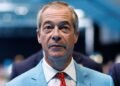
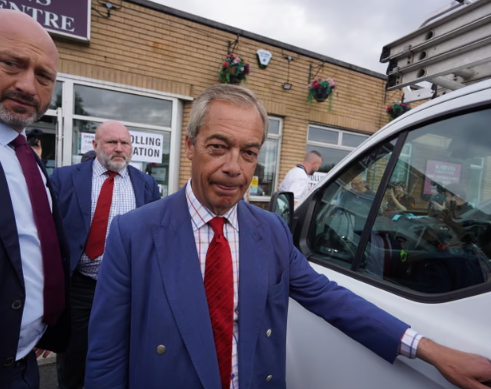
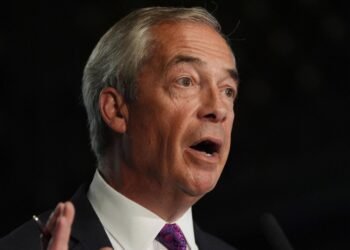
The recent Makerfield by-election has delivered a significant moment in contemporary British political history. Nigel Farage has openly addressed his supporters following what he described as a disappointing night. The leader of Reform UK has now made a direct appeal to right-wing voters. He is urging those who backed the Restore Britain party to switch their allegiance. This comes after a highly competitive campaign that drew national attention to the constituency. The election results have sparked intense debate about the future direction of British conservatism. Political analysts are closely watching how these shifting loyalties will impact upcoming electoral contests. The outcome in Makerfield suggests that the political landscape remains fluid and highly unpredictable.
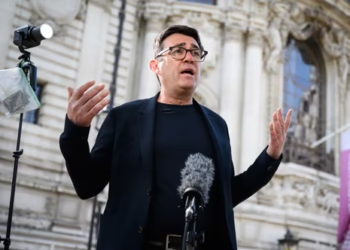
The election concluded with a substantial victory for the prominent Labour candidate Andy Burnham. Burnham secured a commanding lead over his rivals, cementing his political influence in the region. The Reform UK candidate, Robert Kenyon, finished in a notable second place position. Kenyon managed to claim thirty-five point five percent of the total vote share. This result represents a modest increase from his performance in the previous general election. However, the candidate remained more than nine thousand votes behind the victorious Labour leader. The campaign proved to be an exceptionally challenging ordeal for the local Wigan businessman. Kenyon faced intense scrutiny from rival campaigns and media outlets throughout the election.
The Reform UK campaign was heavily affected by controversies surrounding the candidate’s past behavior. Questions regarding historical social media posts continuously dogged Kenyon during his public appearances. These online statements included controversial remarks that many commentators described as openly sexist in nature. Some posts also involved inappropriate comments directed toward well-known television personalities and public figures. Campaign workers noted that these revelations had a measurable impact on the local electorate. Female voters in particular reportedly felt alienated by the controversies surrounding the Reform candidate. This dip in support among women may have cost the party crucial momentum. The issue highlights the growing impact of past social media footprints on modern politicians.
Meanwhile, the newly formed Restore Britain party managed to secure a third-place finish. The party was established by Rupert Lowe, a former Member of Parliament for Reform. Restore Britain captured nearly seven percent of the total votes cast in the election. This performance has caused considerable concern within the leadership team of Reform UK. Nigel Farage reacted to the emerging results by leaving the count in Wigan early. He later released a detailed video message to his followers on social media platforms. Farage acknowledged that the party had hoped to secure at least eighteen thousand votes. The final tally of fifteen thousand six hundred ninety-six fell short of expectations.
In his video address, Farage offered a candid assessment of the party’s strategic missteps. He suggested that Reform UK had been slightly hoist with its own petard. The party had previously used slogans aimed at removing the national Labour leadership structure. However, Andy Burnham successfully adapted his message to counter this specific line of attack. Burnham implicitly signaled to voters that supporting him would distance the region from Westminster. The mayor’s strong personal standing across Greater Manchester proved to be a decisive factor. He has held the mayoral position since twenty seventeen and retains deep local popularity. This established connection with the public allowed Burnham to withstand the insurgent Reform challenge.
The rise of Restore Britain presents a distinct ideological challenge for Farage and Reform. The new party has advocated for policies including mass deportations of certain individuals. Their rhetoric has been described by political opponents as increasingly hard-right and nativist. This pressure from the right has seemingly influenced Reform UK’s own policy positions. In recent weeks, Farage has steered his party toward more traditional nationalist themes. This shift is widely seen as an attempt to reclaim lost working-class votes. The internal battle for the right-wing electorate appears to be intensifying across the country. How Reform navigates this ideological competition will dictate its future electoral viability.
Farage used his public message to speak directly to citizens who voted Restore. He asked them what they truly hoped to achieve by splitting the vote. He emphasized that Reform UK remains the primary challenger to the current government. The leader urged these voters to think again about their long-term political strategy. He insisted that his organization is still the dominant national party on the center-right. Farage also dismissed the relevance of recent Conservative successes in other regional by-elections. He argued that Kemi Badenoch’s party remains largely uncompetitive in many traditional areas. The speech was designed to project confidence despite the clear electoral setback suffered.
The deputy leader of Reform UK, Richard Tice, also commented on the results. Tice pointed out that Makerfield has historically been a safe seat for Labour. He stated that his party had always entered the contest as clear underdogs. This perspective is accurate when viewed through the lens of past general election statistics. However, Reform had recently experienced a surge in popularity across the wider borough. The party won a significant number of local council seats just last month. This rapid municipal growth had raised expectations for a much closer parliamentary finish. The failure to capture the seat indicates that local success does not always translate.
The growth of Restore Britain has been fueled largely by modern digital communication channels. The party functions primarily as an online phenomenon with significant reach on social media. Rupert Lowe’s anti-immigration messages have received substantial amplification from high-profile technology figures. Elon Musk, the billionaire owner of X, has publicly voiced support for Restore. This powerful backing has allowed the smaller party to punch above its weight. The digital algorithms have helped spread their hardline messages to millions of British users. This online momentum poses a direct threat to Reform’s digital dominance on the right. Farage is now forced to compete for attention on platforms he once ruled.
In response to this threat, Reform has adopted a tougher stance on immigration. The party has recently expanded its targets to include European Union nationals living here. Under new proposals, individuals with settled status would face significant new everyday restrictions. These plans include barring certain foreign nationals from accessing traditional social housing benefits. Furthermore, companies employing these workers would face much higher taxation and regulatory costs. These policies mark a departure from the party’s previous, more moderate economic positions. The shift demonstrates how quickly minor parties can alter mainstream political policy debates.
The party has also focused heavily on cultural issues within modern British society. Farage has repeatedly highlighted specific high-profile criminal cases to make broader political points. He has frequently referenced instances where the justice system faced accusations of unfairness. Through these examples, Farage argues that a two-tier state exists within the nation. He claims that certain demographics face systematic disadvantages under current administrative guidelines. This rhetoric has resonated strongly with a specific segment of the British public. It remains a cornerstone of Reform’s strategy to mobilize disaffected working-class voters. The effectiveness of this messaging will be tested in future national campaigns.
The Makerfield by-election serves as a reminder of the complexities of British politics. While Labour celebrates a major victory, the right is undergoing significant fragmentation. Reform UK faces pressure from both the established Conservatives and radical new groups. Farage concluded his morning message by stating that the party would keep going. The road ahead looks increasingly challenging for the populist movement in the United Kingdom. Analysts believe this election marks the beginning of a new phase of competition. The struggle for control of the conservative electorate is far from being resolved. Turnout and voter engagement will continue to shape these fascinating political dynamics.
Related News:
 Green Party Surges Past Labour in Latest UK Poll
 Trump’s UK Ambassador Urges North Sea Drilling to Strengthen US Ties
 French Taxi Driver Cleared in David Lammy Theft Case After Fare Dispute
 Millionaires group urge Reeves to introduce wealth tax to ‘lift kids out of poverty’
 Starmer Faces Growing Dissent as Labour MPs Weigh Leadership Challenge
 Reeves rejects £1bn plea for NHS redundancy payouts
 PM Condemns Leaks, Vows Loyalty to Ministers and Stability
 Major Rent Reform Ends No-Fault Evictions in England
 Peers Flood Assisted Dying Bill with 942 Amendments
 Most Tories Expect to Support a Farage-Led Government
 Labour MP claims devolution bill is ‘blatant discrimination’ against Cornwall
 Millions Face Higher Taxes Under Reeves New Budget
 Starmer Says Labour’s Economic Plan Needs Years to Deliver
 Culture secretary to review Telegraph takeover by Daily Mail owner
 UK Government Borrowing Drops to £11.6bn in December
 Labour Blocks Burnham as Party Rift Deepens Ahead of Polls
 Andy Burnham and the Labour Rift Over Power and Leadership
 Huge mistake: Labour blocks Burnham from byelection bid
 Artificial intelligence will cost jobs, admits Liz Kendall
 Labour targets Greens on drugs in Gorton Denton byelection
 Greens nominate Hannah Spencer for Gorton and Denton byelection
 Mandelson Faces Police Inquiry Over Epstein Leak
 Labour Thinktank Row Deepens Over Journalist Probe Claims
 Morgan McSweeney downfall shocks Labour leadership
 Cabinet Secretary Shake-Up Triggers Due Diligence Warning
 Starmer Faces Inquiry Calls Over Thinktank Probe
 Royal Mail Delivery Crisis Deepens Amid Weather Chaos
 UK shelves £110m border project amid trade strain
 Farage Unveils Reform UK Frontbench Team
 California Democrats Vow Trump Reckoning
 Trump Tariffs Threat Spark UK and EU Alarm
 Wales Approves Assisted Dying Bill Consent
 UK EU Trade Reset Gains Public Backing
 Green Party Stuns Labour in Gorton and Denton Byelection
 Corbyn Leads Your Party in Coordinated Left-Flank Strategy
 Labour Together scandal sparks clean break vow
 Asylum Seekers to Work After Year-Long Wait
 Starmer Row as Greens Demand Apology
 Proposed Law Leaves Gap for Children of Convicted Paedophiles
 Gordon Brown urges court for crimes against children
 Starmer Praised for Stance on Trump and Iran Conflict
 Inquiry into HMRC child benefit errors launched by NAO
 NHS Plans to Cut Overseas Workers Labeled Overambitious
 Farage Faces Backlash Over Crypto Cameo Endorsements
 Army Probes Apache Flyover at Kid Rock’s Nashville Estate
 Relationship with Trump may be beyond repair, Starmer warned
 Unions Raise Concerns Over Doctors’ Pay Dispute
 UK Government Poised to Revive Stalled Hillsborough Law
 Starmer Faces Commons Test Over Mandelson Scandal
 UK Stands Firm on Falklands Amid US Rift
 Crackdown Backfires on UK Climate Protesters
 Welsh Labour Faces Potential Historic Election Defeat
 Starmer Survives Mandelson Rebellion
 Silent Tracks: Rail Line Without Passengers
 Major test for Labour as polls open in Great Britain
 Labour Members Doubt Starmer Future as Burnham Leads Poll
 Reform UK Faces Crisis as Newly Elected Councillors Resign
 Farage Faces New Questions Over Private Helicopter Use
 Keir Starmer Struggles to Secure His Grip on Downing Street
 Farage Faces Standards Probe Over Cash Property Purchase
 Green Party Makerfield Candidate Resigns Over Posts
 Secret Role of UK Security Services in Troubles Amnesty Law
 Farage and Reform UK Reshape British Politics
 Starmer Leadership Under Pressure After Setbacks
 Minister Criticises Police Guidance Amid Southampton Protests
 Makerfield Voters Demand Real Change as Election Looms
 The Hidden Crisis Eroding Trust in British Communities
 Deepfake Abuse on X Sparks Safety Concerns for Dissidents
 UK Ministers Lobby Trump Over Under-16s Social Media Ban
 Labour MP Revives Blocked Assisted Dying Bill in Commons
 Starmer Resolves to Fight Burnham in Leadership Battle
 Starmer Resigns as Prime Minister Amid Internal Pressure
 MP Warning: Northern Rail Risks Repeating HS2 Failures
 Hollie Ridley to Step Down as Labour General Secretary
 New South Wales Premier Chris Minns Signals Tough Road Ahead for Labor
 Jarvis Urges Burnham to Secure 3.5% Defence Spending
 Farage Warns Sky News Following Financial Inquiry
 Reform UK Finances Face Deep NCA Probe
 Ann Widdecombe, Formidable Political Figure, Dies at 78
 Treasury Reform Urged After Tragic Loss