Published: 04 July 2026. The English Chronicle Desk. The English Chronicle online.
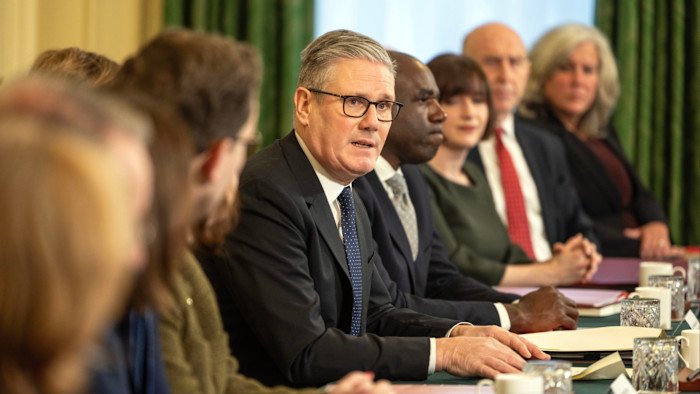
In a candid reflection as his tenure as prime minister draws to a close, Keir Starmer has expressed strong confidence that the Labour Party is well-positioned to secure victory in the next general election under the leadership of his likely successor, Andy Burnham. Speaking in his first major interview since announcing his intention to step down from the highest office in the land, Starmer highlighted the solid foundational work his administration has undertaken over the past two years. He pointed to a series of strategic achievements, most notably the stabilization of the national economy following a period of significant volatility, as well as measurable improvements in NHS waiting lists—a critical issue that has dominated domestic political discourse. According to Starmer, the platform he is leaving behind provides an ideal springboard for his successor to maintain momentum and ensure that the party remains in the good graces of the electorate.

The prime minister’s transition planning has been marked by a noticeable absence of the friction often associated with high-level political handovers. When addressing his relationship with Burnham, who served as the mayor of Greater Manchester and is widely expected to ascend to the premiership, Starmer dismissed any suggestions of personal conflict. He spoke warmly of their professional rapport, jokingly referencing Burnham’s loyalty to Everton Football Club as their only true point of contention. Starmer clarified that he harbors no personal animosity toward his colleague and is fully committed to facilitating a smooth transition of power. He indicated that he intends to offer his support to the new leadership, though he emphasized that he would strictly adhere to a policy of providing advice only when explicitly requested, underscoring his intent to allow his successor the necessary autonomy to define their own governing style.
Starmer’s tenure, however, has not been without its critics. Throughout his time in Downing Street, he frequently faced opposition barbs characterizing him as an absentee leader, with political rivals mockingly dubbing him “never here Keir” for his perceived focus on international diplomacy over domestic challenges. In the interview, Starmer addressed these criticisms directly while offering a pragmatic warning to his successor. He rejected the premise that modern governance allows for a neat separation between domestic and international policy, arguing that the interconnected nature of current global crises makes it impossible for any British prime minister to retreat from the world stage. He cautioned that whoever steps into the role of prime minister will be required to balance intensive global diplomacy with internal affairs, a reality that he suggests is non-negotiable in the current era.
As he prepares to depart from the premiership, Starmer took the opportunity to reflect on his broader legacy, pointing to his success in rehabilitating the Labour Party after the crushing electoral defeat of 2019. He highlighted his efforts to restore public trust in the party’s stance on essential pillars such as national defense and immigration, as well as his firm approach to tackling antisemitism within the movement. These efforts, he argues, have rebuilt the party’s credibility and returned it to the center of British political life. Despite the intensity of the job, Starmer maintained that his decision to resign was a deeply personal one, solidified during a weekend of reflection with his family at Chequers. He dismissed persistent rumors suggesting a pivot to an international role at NATO, stating clearly that he plans to remain in the House of Commons as a member of parliament until the next election while taking the time to carefully consider his future endeavors.

Looking ahead, Starmer emphasized that while his personal political journey is nearing its conclusion, the broader mission of the party must continue unabated. He expressed a sincere desire for the success of the incoming administration, noting that he is working tirelessly during his final days to ensure that the government remains stable and focused. By outlining his vision for the party’s future and reaffirming his commitment to a seamless transition, Starmer sought to provide a sense of continuity that he believes will be crucial in maintaining the public’s confidence. As the nation prepares for a shift in leadership, the departing prime minister’s emphasis on a strong, unified platform suggests that he views his legacy not as a finished chapter, but as a bridge to a continued period of Labour governance, provided that his successor can navigate the complex challenges—both local and global—that await them.
Related News:
 Green Party Surges Past Labour in Latest UK Poll
 Trump’s UK Ambassador Urges North Sea Drilling to Strengthen US Ties
 French Taxi Driver Cleared in David Lammy Theft Case After Fare Dispute
 Millionaires group urge Reeves to introduce wealth tax to ‘lift kids out of poverty’
 Starmer Faces Growing Dissent as Labour MPs Weigh Leadership Challenge
 Reeves rejects £1bn plea for NHS redundancy payouts
 PM Condemns Leaks, Vows Loyalty to Ministers and Stability
 Major Rent Reform Ends No-Fault Evictions in England
 Peers Flood Assisted Dying Bill with 942 Amendments
 Most Tories Expect to Support a Farage-Led Government
 Labour MP claims devolution bill is ‘blatant discrimination’ against Cornwall
 Millions Face Higher Taxes Under Reeves New Budget
 Starmer Says Labour’s Economic Plan Needs Years to Deliver
 Culture secretary to review Telegraph takeover by Daily Mail owner
 UK Government Borrowing Drops to £11.6bn in December
 Labour Blocks Burnham as Party Rift Deepens Ahead of Polls
 Andy Burnham and the Labour Rift Over Power and Leadership
 Huge mistake: Labour blocks Burnham from byelection bid
 Artificial intelligence will cost jobs, admits Liz Kendall
 Labour targets Greens on drugs in Gorton Denton byelection
 Greens nominate Hannah Spencer for Gorton and Denton byelection
 Mandelson Faces Police Inquiry Over Epstein Leak
 Starmer Condemns ‘Depraved’ Russian Strikes on Ukraine
 Labour Thinktank Row Deepens Over Journalist Probe Claims
 Morgan McSweeney downfall shocks Labour leadership
 Labour Lord Doyle Apologises Over Paedophile Ties in Political Storm
 Cabinet Secretary Shake-Up Triggers Due Diligence Warning
 Starmer Faces Inquiry Calls Over Thinktank Probe
 Royal Mail Delivery Crisis Deepens Amid Weather Chaos
 UK shelves £110m border project amid trade strain
 Farage Unveils Reform UK Frontbench Team
 California Democrats Vow Trump Reckoning
 Trump Tariffs Threat Spark UK and EU Alarm
 Wales Approves Assisted Dying Bill Consent
 UK EU Trade Reset Gains Public Backing
 Green Party Stuns Labour in Gorton and Denton Byelection
 Corbyn Leads Your Party in Coordinated Left-Flank Strategy
 Labour Together scandal sparks clean break vow
 Asylum Seekers to Work After Year-Long Wait
 Starmer Row as Greens Demand Apology
 Proposed Law Leaves Gap for Children of Convicted Paedophiles
 Gordon Brown urges court for crimes against children
 Starmer Praised for Stance on Trump and Iran Conflict
 Inquiry into HMRC child benefit errors launched by NAO
 NHS Plans to Cut Overseas Workers Labeled Overambitious
 Farage Faces Backlash Over Crypto Cameo Endorsements
 Army Probes Apache Flyover at Kid Rock’s Nashville Estate
 Relationship with Trump may be beyond repair, Starmer warned
 Unions Raise Concerns Over Doctors’ Pay Dispute
 UK Government Poised to Revive Stalled Hillsborough Law
 UK Stands Firm on Falklands Amid US Rift
 Welsh Labour Faces Potential Historic Election Defeat
 Starmer Survives Mandelson Rebellion
 Silent Tracks: Rail Line Without Passengers
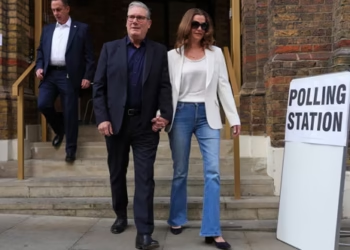 Major test for Labour as polls open in Great Britain
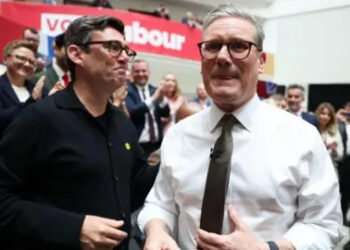 Labour Members Doubt Starmer Future as Burnham Leads Poll
 Reform UK Faces Crisis as Newly Elected Councillors Resign
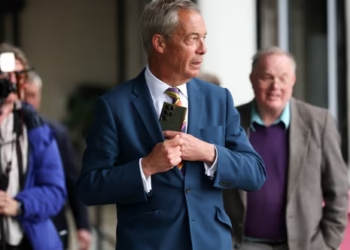 Farage Faces New Questions Over Private Helicopter Use
 Keir Starmer Struggles to Secure His Grip on Downing Street
 Farage Faces Standards Probe Over Cash Property Purchase
 Green Party Makerfield Candidate Resigns Over Posts
 Secret Role of UK Security Services in Troubles Amnesty Law
 Farage and Reform UK Reshape British Politics
 Starmer Leadership Under Pressure After Setbacks
 Minister Criticises Police Guidance Amid Southampton Protests
 Makerfield Voters Demand Real Change as Election Looms
 The Hidden Crisis Eroding Trust in British Communities
 Deepfake Abuse on X Sparks Safety Concerns for Dissidents
 UK Ministers Lobby Trump Over Under-16s Social Media Ban
 Labour MP Revives Blocked Assisted Dying Bill in Commons
 Starmer Resolves to Fight Burnham in Leadership Battle
 Starmer Set to Announce Exit Plan as Burnham Eyes No 10
 Hollie Ridley to Step Down as Labour General Secretary
 Jarvis Urges Burnham to Secure 3.5% Defence Spending
 Farage Warns Sky News Following Financial Inquiry
 Reform UK Finances Face Deep NCA Probe
 Ann Widdecombe, Formidable Political Figure, Dies at 78
 Treasury Reform Urged After Tragic Loss
 Sadiq Khan Backs Call for Maximum UK Work Heat Limit
 Former Diplomats Urge UK and France to Act on Palestine